
What is Pelvic Inflammatory Disease (PID) ?
Home > What is Pelvic Inflammatory Disease (PID) ?
Pelvic Inflammatory Disease (PID) is an infection of the upper female reproductive organs mainly affecting the uterus (womb), fallopian tubes, and ovaries. The most common cause of PID is bacteria from untreated sexually transmitted infections (STIs).
Sometimes people don’t realize whether they have PID because symptoms might be mild or unnoticeable. However, if you notice pain or tenderness in your stomach or lower abdomen (belly), yellow or green-colored abnormal vaginal discharge followed by foul odor, consult gynecologists near you for the right diagnosis and timely treatment.
Untreated PID can lead to scarring of the fallopian tubes, infertility, ectopic pregnancy, and chronic pelvic pain. Some studies suggest a modest link to ovarian cancer risk, though not a primary complication.
If you are searching for PID treatment in Jaipur, Cocoon Hospital provides early diagnosis, effective antibiotic therapy, and advanced surgical care when required. Our gynecologists and obstetricians ensure curated, personalized treatment that focuses on safe recovery and fertility preservation.
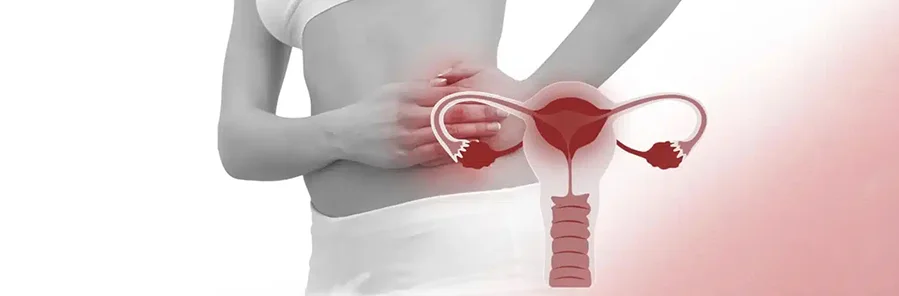
What Is Pelvic Inflammatory Disease (PID)?
Pelvic Inflammatory Disease is an infection that spreads upward from the vagina or cervix to the upper reproductive organs. It is most commonly caused by sexually transmitted infections (STIs) but can also occur due to other pelvic infections. The two most common infections that cause PID are gonorrhea and chlamydia.
Here are the types of PID based on clinical presentation, severity, and duration:
Acute PID
This form develops suddenly, followed by prominent symptoms such as severe pelvic pain, fever, and abnormal discharge.
Chronic PID
This involves persistent or recurrent inflammation leading to ongoing pelvic pain.
Subclinical PID
This silent type shows minimal or no symptoms; however, it still harms reproductive organs.
Causes of PID
Common causes include:
- Untreated sexually transmitted infections (chlamydia, gonorrhea)
- Pelvic infections after childbirth or miscarriage
- Unsafe abortion or uterine procedures
- Prolonged use of IUCD without follow-up
- Poor genital hygiene
Consult doctors at the PID treatment hospital in Jaipur for early identification of the cause; it helps prevent serious complications.
Symptoms of Pelvic Inflammatory Disease
Not everyone may notice symptoms as they can be mild or unnoticeable. But following symptoms of PID can also start suddenly, which include.
- Pain or tenderness in your stomach or lower abdomen (belly)
- Abnormal vaginal discharge with foul smell
- Chills or fever
- Nausea and vomiting
- Burning when you pee
- Irregular periods or having spotting or cramping throughout the month.
- Pain during intercourse
- Irregular menstrual bleeding
- Painful urination
- Infertility (in chronic cases)
Some women may have silent PID with minimal symptoms, making regular checkups important.
Diagnosis of PID
There isn’t one specific test for PID. At Cocoon Hospital, PID diagnosis is done through:
- Evaluating your medical history, including your general health, intimate activity and symptoms.
- A pelvic exam to examine your reproductive organs.
- A vaginal culture to test the vaginal discharge for certain bacteria.
- Vaginal and cervical swab tests.
- Urine test to rule out a urinary tract infection, which causes similar pelvic pain.
- Blood tests (infection markers)
- Ultrasound scan
- In some cases, endometrial biopsy and Laparoscopy (in complex or unclear cases)
Early diagnosis matters for better outcomes and lowering the risk of long-term damage.
Complications of Untreated PID
If left untreated, it can lead to:
- Infertility
- Chronic pelvic pain
- Ectopic pregnancy
- Tubal blockage
- Recurrent pelvic infections
Prompt treatment significantly reduces these risks.
PID Treatment Options in Jaipur
Treatment depends on:
- Severity of infection
- Duration of symptoms
- Presence of complications
- Fertility concerns
Your doctor will grade PID based on the severity level as mild (manageable pain), moderate (with discharge and tenderness), or severe (high fever, abscess risk). Then the treatment will be decided accordingly.
1. Antibiotic Treatment for PID
Antibiotics are the first-line treatment for most PID cases.
Antibiotic therapy may include:
- Oral antibiotics for mild to moderate case
- Intravenous antibiotics for severe infection
Early antibiotic treatment can:
- Control infection
- Prevent complications
- Reduce the need for surgery
It is important to complete the full antibiotic course even if symptoms improve early. This helps avoid antibiotic resistance.
Additional Care: Your partners need evaluation and treatment for STIs to avoid reinfection. Hospitalization applies for pregnancy, nonresponse within 72 hours, or surgical needs such as abscess drainage. Follow-up ensures resolution and STI retesting.
2. Surgical Treatment for PID
Surgical options are rare and typically reserved for severe complications when antibiotics fail, usually within 72 hours.
- Infection does not respond to antibiotics.
- An abscess forms in fallopian tubes or ovaries.
- Chronic pelvic pain persists.
- Fertility is severely affected.
- Diagnosis is unclear to differentiate PID from other emergencies such as appendicitis or ectopic pregnancy.
Laparoscopic Surgery for PID
Laparoscopy is a minimally invasive procedure used to treat complications of PID. During the procedure, your surgeon can perform pelvic lavage (washing), drain abscesses, and remove adhesions (scar tissue).
Surgical goals include:
- Drainage of abscess
- Removal of infected tissue
- Adhesion (scar tissue) release
- Preservation of reproductive organs whenever possible
Benefits of Laparoscopic Surgery:
- Direct visualization of the pelvic organs with minimal, small incisions
- Less pain and blood loss
- Rapid recovery and better, targeted treatment
- Short hospital stay
Note: The Doctor may recommend a traditional open abdominal surgery known as laparotomy. This open surgery is considered when minimally invasive techniques (like laparoscopy or percutaneous drainage) are not feasible or have failed.
Recovery After PID Treatment
Recovery after PID treatment is based on early diagnosis, treatment adherence, and infection severity.
- Antibiotic Completion: A 14-day course clears the infection, though symptoms may persist; never stop early.
- Recovery after laparoscopic surgery for PID generally takes 1-3 weeks for most patients to resume normal activities.
PID Treatment Cost in Jaipur
The PID treatment cost in Jaipur depends on:
- Severity of infection
- Antibiotic course (oral or IV)
- Need for hospitalization or surgery
- Diagnostic investigations
Approximate cost range:
- Outpatient or Medications: Starts at ₹2,000-₹10,000 for antibiotics and consultations.
- Hospital Stay: ₹10,000-₹25,000, including diagnostics like ultrasounds.
- Advanced Cases: Laparoscopy or IV therapy may exceed ₹25,000 in multispecialty hospitals.
Exact cost is discussed transparently after clinical evaluation.
Why Choose Cocoon Hospital for PID Treatment in Jaipur?
Cocoon Hospital is the leading pelvic inflammatory disease treatment center in Jaipur, combining minimally invasive, cutting-edge technology with compassionate care tailored for every woman.
Our multidisciplinary team carefully studies your symptoms and evaluates the diagnostic results to curate the best treatment for you.
Heres what sets us apart:
- Experienced Gynecologists and Laparoscopic Surgeons With 20+ Years of Experience.
- Early Diagnosis and Evidence-Based Treatment.
- Advanced Minimally Invasive Surgery Facilities.
- Fertility-Preserving Approach.
- Ethical and Patient-Centric Care.
- Modern Diagnostic Tools and Laparoscopic Equipment.
- Post-Operative Support and Follow-Up Care.
- We Have Performed Over 10,000+ Gynecological Surgeries.
Ready to Get the Pelvic Inflammatory Disease Treatment in Jaipur
Speak to our team for expert guidance at 08929816349.
Our Address: Airport Plaza, Tonk Rd, Chandrakala Colony, Mata Colony, Jaipur, Rajasthan
Frequently Asked Questions (FAQs)
1. Is PID a serious condition ?
Yes. If untreated, PID can cause infertility and chronic pelvic pain due to scarring in reproductive organs.
2. Can PID be cured completely ?
Yes, early-stage PID can be cured with proper antibiotic treatment. Complete your course, even though symptoms are mild.
3. Does PID always require Surgery ?
No. Most cases respond well to antibiotics. Surgery is reserved for complications like abscesses.
4. Can PID affect Fertility ?
Yes. Delayed treatment can damage fallopian tubes and affect fertility.
5. How long does PID treatment take ?
Antibiotic treatment usually lasts 14 days. Recovery may vary by severity.
6. When should I consult a doctor for PID ?
If you have pelvic pain, abnormal discharge, or fever, consult a gynecologist near you in Jaipur immediately.
Meet Our Doctors
Know more
Latest from blogs
Learn more


X
Quick Enquiry
Fill the form below and we will get back to you asap.