 08929816349

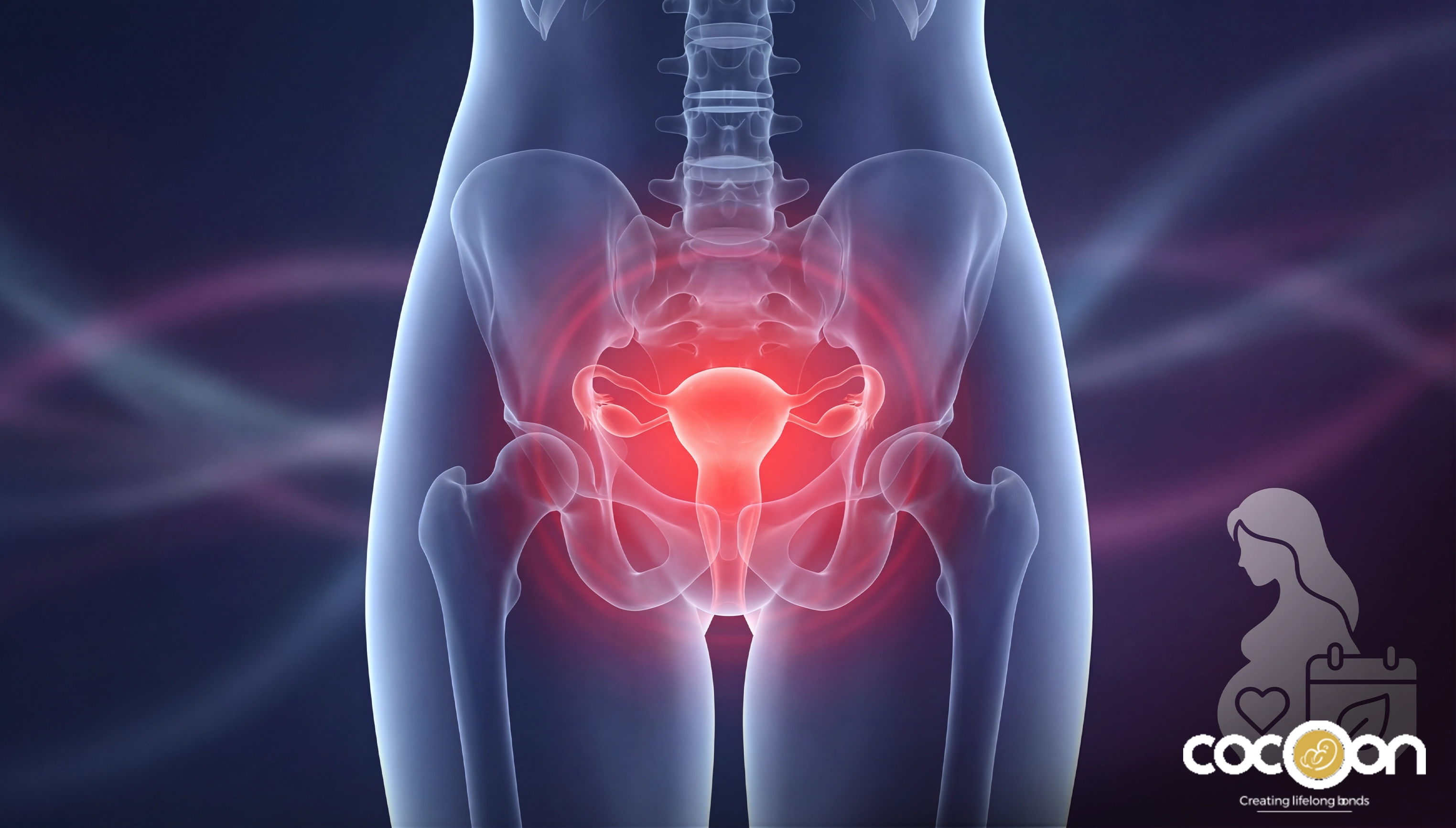
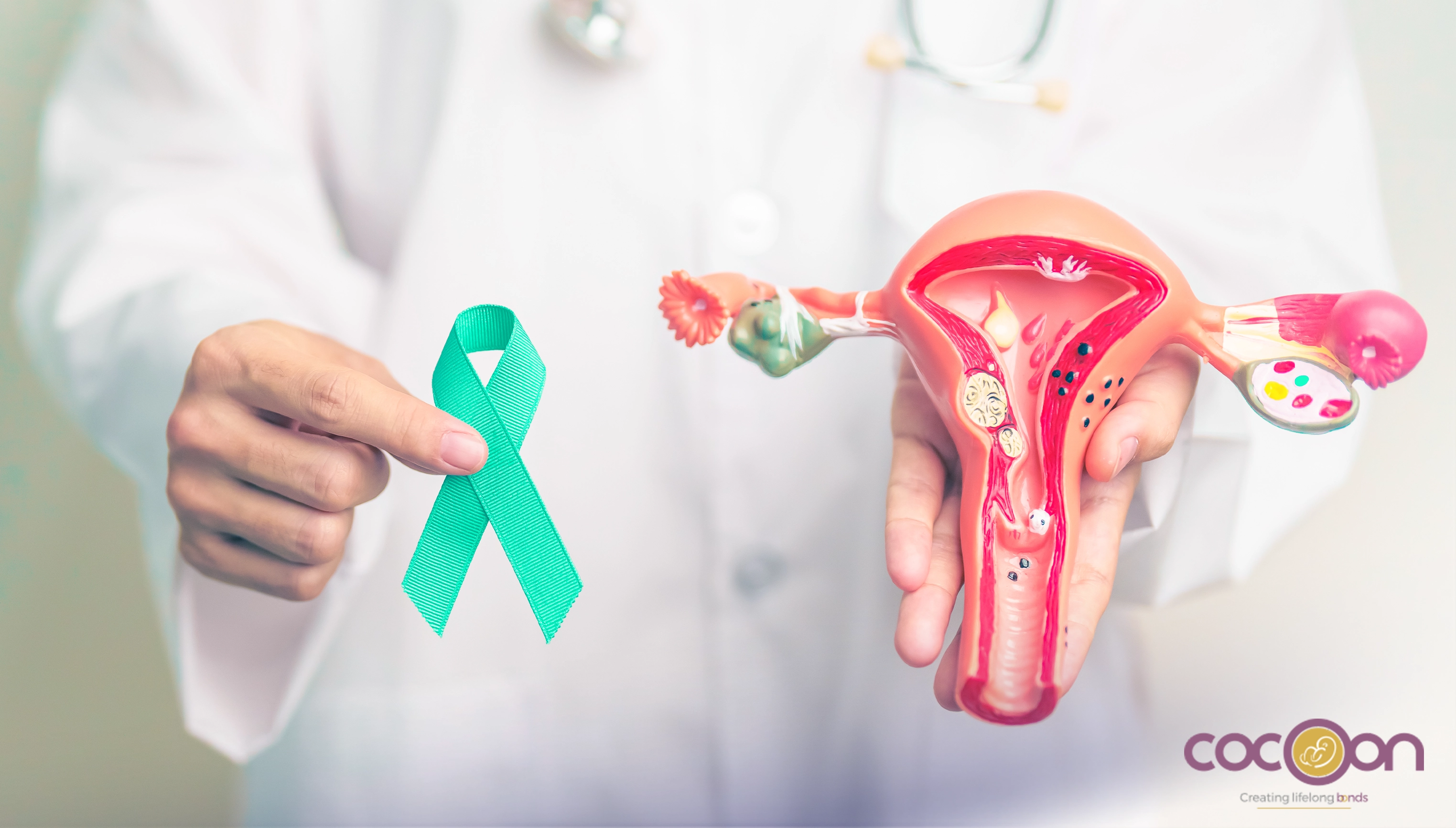
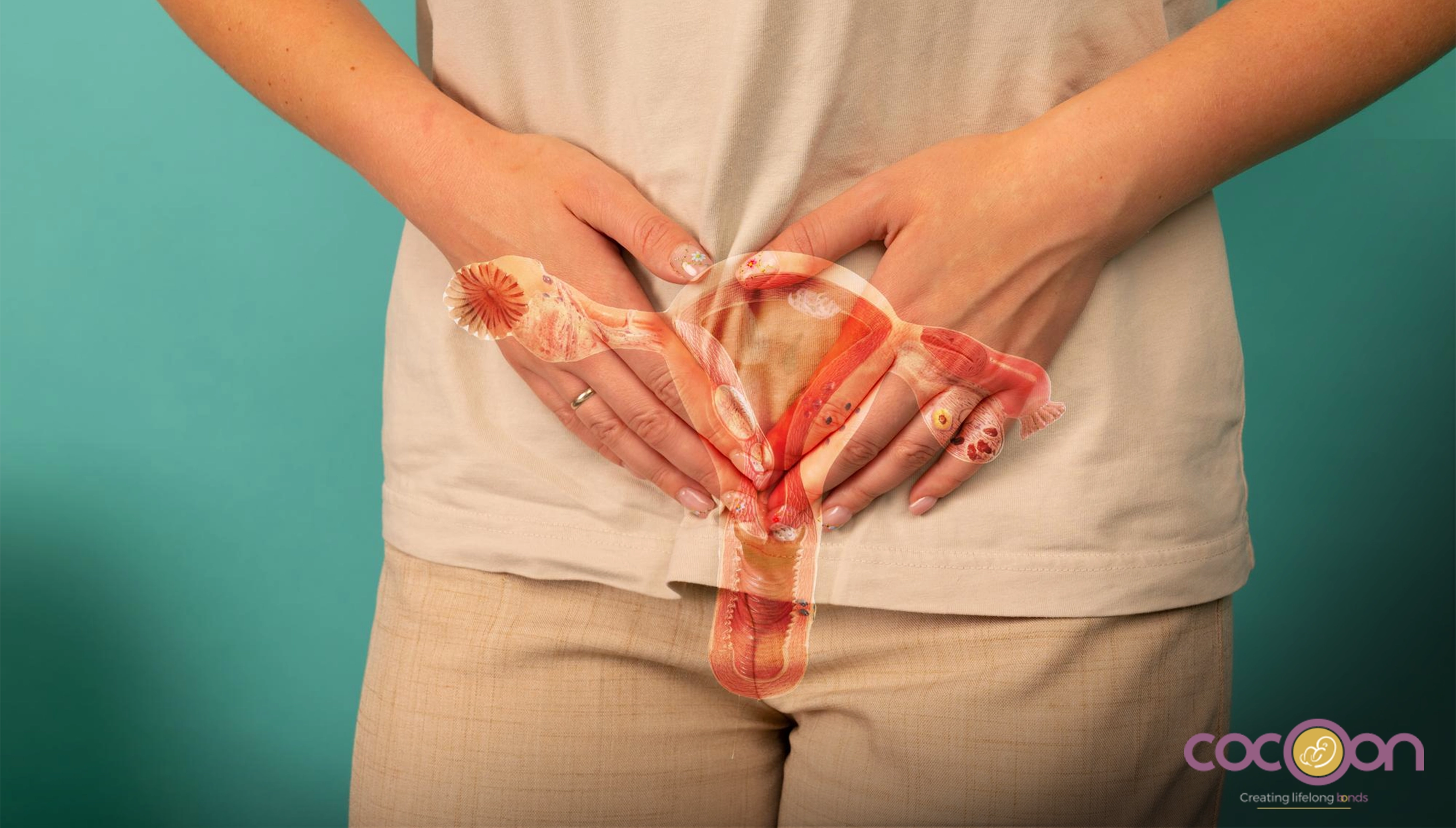
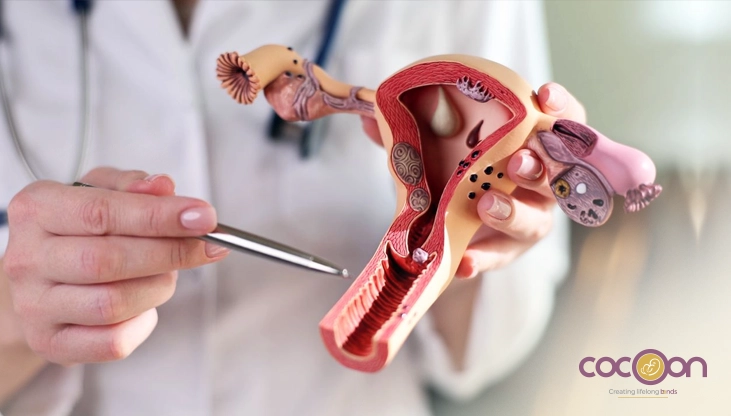
Your pelvic floor (also known as the pelvic diaphragm) is made up of muscles and connective tissues that support essential organs in your pelvis, such as your bladder, bowel (large intestine), and internal reproductive organs.
Pelvic floor muscles in females are responsible for the following functions:
- Support the lower part of the torso, such as the bladder, urethra, vagina, uterus, bowel (large intestine), rectum, and anus
- Squeeze and relax so that one can control when to pee, poop, or pass gas
- Support blood flow and vaginal contractions during intimate moments
- Helps in vaginal delivery during childbirth
However, pelvic floor health might be affected after childbirth because of the strain of pregnancy and delivery. Childbirth stretches or tears the muscles and tissues supporting organs, leading to common issues such as urinary or fecal incontinence, pelvic organ prolapse, and pain during intimacy. Hence, taking care of pelvic floor health becomes important after delivery to regain its strength and function.
What Happens to the Pelvic Floor After Giving Birth?
Here are some possible changes after delivery that can affect the strength, stability, and overall function of your pelvic floor.
1. Possible Stretches and Tears to Pelvic Muscles & Tissues
This can weaken support for organs such as the bladder and womb.
2. Hormones like Relaxin Soften Ligaments
This can increase flexibility; however, it reduces pelvic stability and makes it difficult for the muscles to provide stable support.
3. Damage to the Nerve
Delivery can damage the pelvic nerves (Pudendal nerve). This may impair muscle control and sensation, impacting pelvic floor function.
4. Growing Baby Puts Extra Pressure on Pelvic Muscles
The weight of the baby and labor cause stress on the pelvic muscles. This leads to weakening over time.
5. Multiple Births and Interventions
Repeated stress from multiple pregnancies and forceps delivery can progressively weaken the pelvic floor support structures. This may increase the risk of pelvic organ prolapse and muscle trauma.
6. Risk of Prolapse and Incontinence
Weak support can cause organs to descend, leading to urinary or fecal incontinence, pain, or discomfort.
How Do I Know If My Pelvic Floor Is Damaged?
Here are some possible common symptoms and conditions that can indicate damage to the pelvic diaphragm. Always contact your doctor for the right diagnosis and treatment.
- Urinary incontinence (loss of control of your bladder and leakage of urine)
- Bowel control issues (constipation, fecal incontinence, etc.)
- Consistent pain during intimate moments
- Pressure or heaviness
- Pelvic organ prolapse
These are the signs indicating that you need to consult a doctor for timely and appropriate treatment.
How To Get the Pelvic Floor Strong Again After Birth?
If you are wondering, “What can I do to fix this?” then you must contact your doctor and follow the tips:
1. Engage in Diaphragmatic Breathing (Deep Belly Breathing)
This helps you connect to and slowly lengthen your pelvic floor muscles, supporting relaxation and improved muscle balance.
2. Kegel Exercises or Pelvic Floor Exercises
After your doctor’s approval, practice pelvic floor exercises. Regularly squeezing and holding pelvic floor muscles promotes their strength. This helps encourage bladder control and pelvic organs.
You can also incorporate other exercises such as pelvic tilts, clamshells, and squats, further supporting the pelvic floor.
Note: Perform these exercises under professional help so that you are targeting the right muscles with safe technique.
3. Try Reverse Kegels (Relaxation Exercise)
Practicing reverse kegels, a type of relaxation exercise, helps relieve tightness, pain, constipation, and urinary urgency.
4. Maintain Your Posture
Proper alignment of your hips, spine, and shoulders means decreased pressure on the pelvic floor as you carry and look after your baby.
5. Core Activation Exercise
Practicing deep abdominal muscles supports pelvic floor recovery, improves bladder and bowel control, and overall stability. It also helps in functional movements such as lifting and carrying a baby
6. Give Yourself Time to Rest (Avoid Heavy Lifting Early On)
Understand that you are a human who needs time and rest to heal. Hence, allow time for tissue healing by resting well in the first weeks post-birth and refrain from doing heavy work.
7. Seek Professional Guidance
Schedule a visit to a pelvic floor physical therapist; they can tailor exercises to your needs and ensure safe technique for the best recovery. In severe cases, a doctor can recommend surgeries to prevent further complications.
Surgery for a weak pelvic floor after birth:
- Pelvic floor reconstruction
- Laparoscopic colposuspension
- Hysterectomy
- Uterus-sparing procedures
Conclusion
A strong pelvic floor is important for supporting pelvic organs, sustaining bladder and bowel control, and helping with performing daily activities. Know that childbirth can weaken these muscles, making daily tasks difficult to perform. Hence, timely care through professional help, exercise, and therapy is vital to prevent long-term issues and improve quality of life.
Sign That my Pelvic Floor is Recovering After Childbirth
If you are taking all the necessary care, the following signs will indicate that your pelvic floor is recovering
- Lower pelvic heaviness or pressure sensations.
- Decrease in urinary or fecal leakage
- Increased ability to voluntarily contract the muscles of the pelvic floor.
- Lesser discomfort in the pelvic area.
- Perform an intimate act without pain or discomfort.
- Increased endurance and strength when doing pelvic floor exercises.
- Better bladder and bowel control.
- Fewer urges or leaks.
- Less pelvic fatigue or strain.