 08929816349

You may be ready to step into the world of parenthood with excitement, or perhaps you’re a first-time expectant mother with a little life growing inside you. All the thoughts that might occupy your mind these days are “normal delivery ke liye kya kare?” or “How can I avoid the chances of C-section delivery?” While the final decision is your doctor's to make, it depends on your pregnancy complications.
However, there are things you can do to improve your chances. Think of them like tools for preparing for your big day, helping you navigate through labor pain or the other delivery process. With the right guidance, small healthy lifestyle habits, and timely medical support, many moms can achieve a smooth, normal delivery experience.
Read Also: Essential Tips & Preparation for a Smooth Normal Delivery
What Is a Normal Birth Delivery Called?
It is known as vaginal delivery, as a woman gives birth through her vagina. During a vaginal birth or normal delivery, the uterus contracts to thin and open the cervix (up to 10 centimeters) and push the newborn out through the vagina (or birth canal). A normal delivery week usually happens between weeks 37 and 42 of pregnancy.
There are 3 different types of vaginal deliveries:
1. Spontaneous
Happens on its own; the doctor does not give any labor-inducing drugs.
2. Induced (Also Called Labor Induction)
Doctors may give drugs or use other medical techniques to initiate labor and prepare your cervix (the small canal that connects your uterus and vagina).
3. Assisted
This happens with the help of forceps or a vacuum device to get the baby out. Both spontaneous and induced vaginal delivery can be used. Doctors recommend it for reasons such as prolonged pushing, fetal distress, or maternal exhaustion.
Read Also: Normal Delivery Hospital in Jaipur – Safe Natural Birth
Normal Delivery Symptoms
The exact symptoms may vary; some of the signs are:
- Baby dropping lower into the pelvis (a process known as lightening)
- Frequent stronger contractions
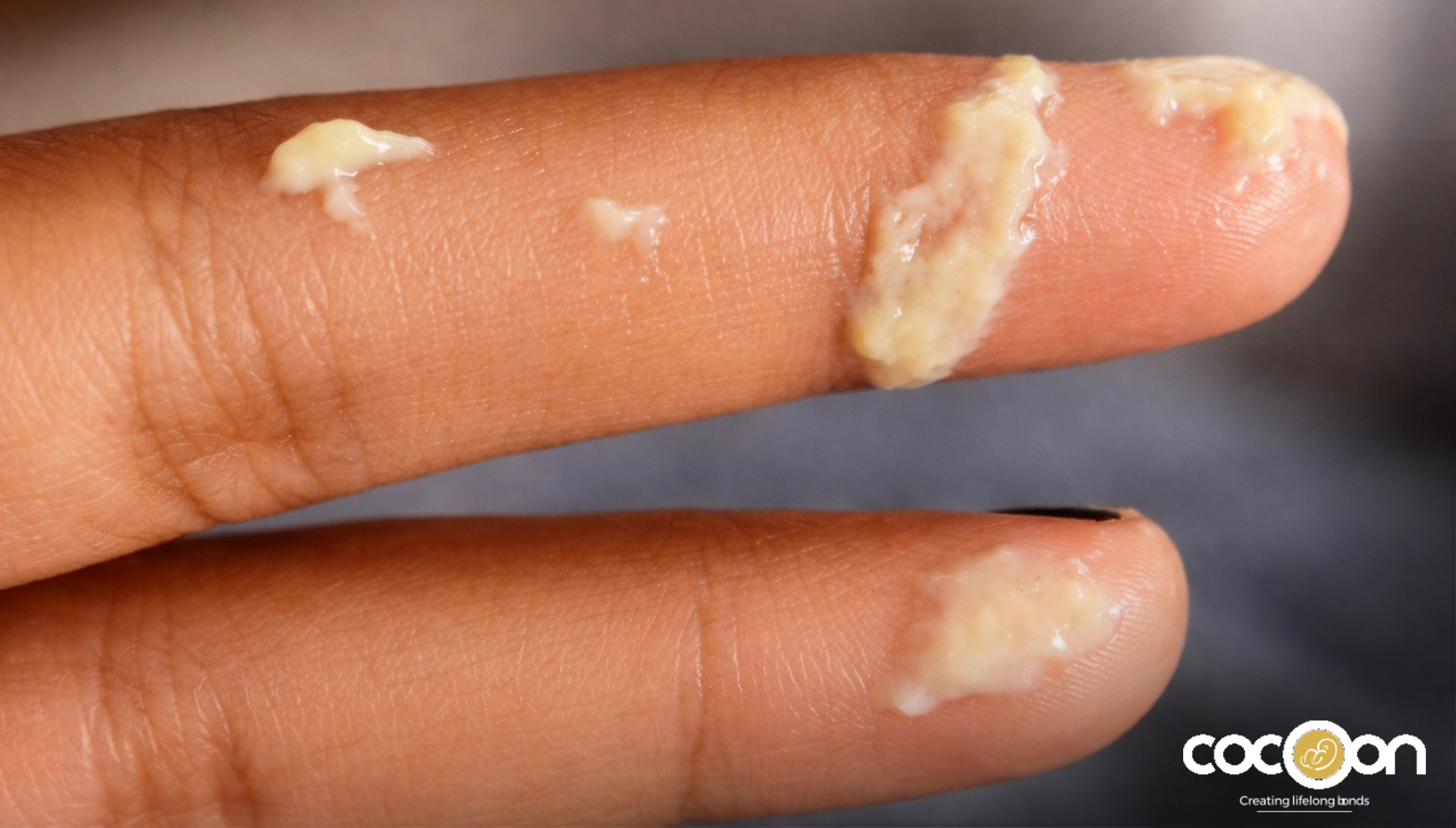
- Increased vaginal discharge
- A thick, pink, or brownish discharge
- Frequent urination
Note: Whether you require a normal or C-section delivery will only be decided by your doctor.
Read Also: Natural Birth vs. C-Section: Choosing the Best Option for You
Advantages of a Vaginal Delivery
A. For the Birthing Mother
- Faster recovery time.
- Lactation starts sooner.
- Decrease the chance of future pregnancy complications.
B. For the Fetus
- Decrease the chance of respiratory conditions.
- Better immune system function.
- Babies are more likely to breastfeed.
Read Also: Luxury Birthing: What Makes a Premium Maternity Experience
Normal Delivery Tips for First-Time Moms
To increase the chances of vaginal delivery, you can adopt the following tips after proper professional guidance.
1. Stay Active With Exercise (Walks, Squats, or Prenatal Yoga)
After doctor approval and under proper guidance, perform these safe pregnancy exercises to strengthen pelvic muscles and offer stamina for a smoother vaginal delivery.
2. Learn Deep Breathing Techniques
Join childbirth classes to learn the techniques to calm your nervous system. This lowers contraction pain and avoids early exhaustion, supporting natural labor to advance without interventions.
3. Strengthen Your Pelvic Floor (Kegel)
Kegel exercises under professional guidance target the right pelvic muscles. This helps in stronger muscles to support the baby's descent and control pushing.
4. Prefer Upright Positions
Prefer positions like walking, squatting, or sitting on a birthing ball during labor. Because the gravity pulls the baby downward and facilitates their passage via the birth canal.
5. Avoid Pushing Until You Feel the Natural Urge
Do not push until you feel the natural urge in the 2nd stage; allow the contractions to move the baby passively first. This shortens active pushing time and lowers forceps requirements.
6. Gentle Perineal Massage (From 36 Weeks)
It involves stretching and massaging of your perineal muscles to prepare them for delivery. This helps prevent tears and increases the chances of an unassisted vaginal delivery.
7. Stay Hydrated and Move
Drink an adequate amount of fluids and opt for an upright position during early labor instead of lying down. These help keep contractions and steady cervical dilation for childbirth.
8. Choose an Expert at Cocoon Hospital
You can contact a doctor at Cocoon Hospital experienced in vaginal births. They will help you in a timely manner to minimize intervention chances of natural delivery.
Best Hospital Near Me in Jaipur | Cocoon Hospital
Looking for the best gynecologist or visiting a maternity hospital? Cocoon Hospital has got your back.
We are known for our services such as:
- Antenatal Care
- Advanced Diagnostics
- Labour & Delivery
- Postpartum Support
- Neonatal Intensive Care
- Specialised Clinics
- Luxury Birthing
- Neonatology
- Gynae Surgery
- Stem Cell Preservation
- Wellness Program
Cocoon is the perfect destination where the mother's and baby’s health meets the best quality of gynecological care.
Contact us at 08929816349 to book your appointment.
Read Also: Painless Delivery Hospital in Jaipur – Cost & Care
FAQs
Q1: Is a normal delivery video in the labour room allowed?
A: Yes, it is allowed; however, not all hospitals allow normal delivery videos in the labor room. Confirm it with your hospital on a prior basis.
Q2: What are the chances of a normal delivery in cephalic presentation?
A: The chances of a normal delivery are high in cephalic presentation, where the baby is head-down. Around 95% of babies get into this head-down position by week 37 or 38, ready for labor.
Q3: What is the difference between a C-section vs. a normal delivery?
A: Unlike a normal delivery, a C-section requires surgical intervention for delivery. Mothers can recover faster in a normal delivery.
Q4: What is the cervix length for normal delivery?
A: Studies show that 80% of patients with a length of the cervix between 2.1 and 3 cm delivered vaginally.
Q5: How to cure normal delivery stitches?
A: Follow the doctor's advice, eat a healthy diet, take proper rest, maintain hygiene, avoid strenuous activity, stay hydrated, and if recommended, apply ice packs for the first 24 hours to reduce swelling and soreness.