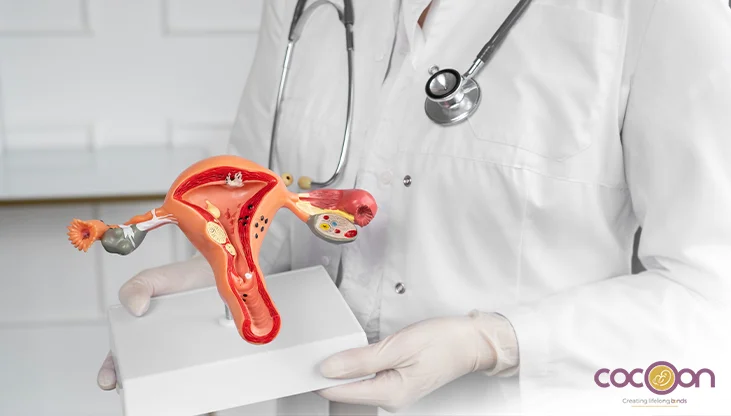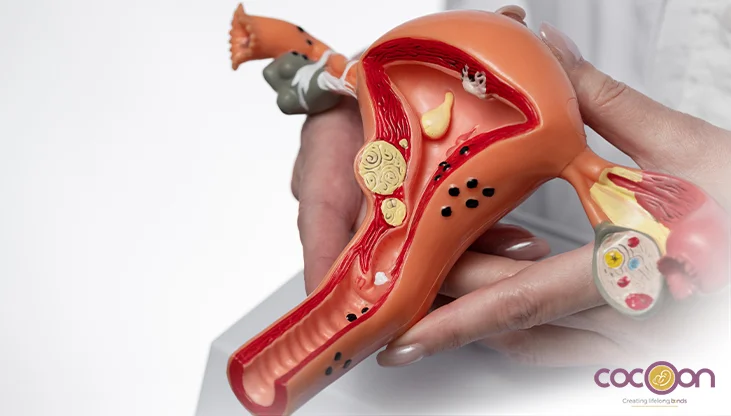

The cervix in women is a muscular, tunnel-like organ present in the lower part of the uterus (womb). It connects the uterus and vagina, a powerful gatekeeper that is capable of opening and closing in ways that make pregnancy and childbirth possible.
The cervix plays an important role in the following functions:
- Menstruation
- Help sperm to travel through your cervix to reach your uterus
- Cervical mucus helps in fertility
- Vaginal delivery
- Provide protection to your uterus
However, persistent infections of Human Papillomavirus (HPV), smoking, use of birth control pills, and going through 3 or more full-term pregnancies can increase the risk of having abnormal cell growth in the cervix. That’s why professionals at Cocoon Hospital recommend cervical cancer screening for early detection and timely treatment.
Read Also: Cocoon: Protecting the Future with AntiCervical Cancer HPV Vaccine
Why Are Women at High Risk of Cervical Cancer?
Cervical cancer is cancer that stems from the cells of the cervix (lower, narrow end of the womb). Here are some possible risk factors of cancer in the cervix:
1. Persistent HPV Infection
Human papillomavirus (HPV), a sexually transmitted disease that infects cervical cells. If the infection lasts for years, it can cause changes in the cervical cells, turning cancerous over time.
2. Multiple Intimate Partners
More intimate partners mean greater chances of getting persistent HPV infection, which can damage cervical cells.
3. Intimacy at a Young Age
Engaging in intimate activity at a young age exposes the cervix to HPV before it's fully mature. This can make cells more exposed to long-term infection; if the virus persists for many years, it could trigger precancerous changes.
4. Multiple Full-term Pregnancies
Multiple full-term pregnancies can repeatedly stretch and injure cervical cells. This can weaken defenses against HPV and may support faster growth of infected cells.
5. Long-term Use of Oral Contraceptives
The longer a woman uses oral contraceptives, the higher the increase in her risk of cervical cancer. One study noted a 10% increased risk for less than 5 years of birth control pill use, a 60% increased risk with 5 to 9 years of use, and a doubling of the risk with 10 or more years of oral contraceptive use.
6. Smoking or Secondhand Smoke
Anyone with a cervix who smokes has twice the risk of developing cervical cancer when compared to non-smokers. Tobacco chemicals enter the bloodstream and reach cervical cells, damaging their natural ability to safeguard against HPV.
7. Immunocompromised (or Weakened Immune System)
HPV infections are more likely to be persistent and develop into cancer in people with a weak immune system. Conditions such as HIV or immunosuppressive drugs decrease the body's ability to flush out HPV infections.
8. Chlamydia Infection
Chlamydia bacteria may encourage HPV to grow in the cervix, which can increase the risk of cervical cancer. The long-term inflammation can trigger cell mutations that heighten cancer risk.
Read Also: Cervical Dysplasia Treatments: Cone Biopsy vs. LEEP
What is the Primary Cause for Cervical Cancer
Most cervical cancers are caused by HPV, a sexually transmitted infection that can spread through intimate contact (anal, oral or vaginal). If the infection does not go away for years, it can lead to cancer.
Cervical Cancer Stages
The cervical cancer is classified from stage 0 to IV using the FIGO 2018 system.
- Stage 0: Means precancerous cells
- Stages I through IV: Indicates that the cells are increasingly spreading.
Read Also: Common Health Checkups Every Woman Should Do After 30
How do Doctors Recommend Cervical Cancer Screening?
A cervical screening is one of the best ways to safeguard women from cervical cancer. It is important to note that it is not a test for cancer but instead a test to help prevent cancer.
There are 3 ways for the screening of cervical cancer:
1. The Human Papillomavirus (HPV) test
This test watches out for cervical cells for infection with high-risk HPV types that can lead to cervical cancer.
2. The Pap Test (Known as Pap Smear or Cervical Cytology)
This test collects cells of the cervix so they can be evaluated for changes due to HPV that can, if left untreated, develop into cervical cancer.
It can help detect precancerous cell growth and cervical cancer cells. Sometimes, a Pap test also helps diagnose conditions that are non-cancerous, such as infection or inflammation.
3. The HPV/Pap Cotest
This test combines the HPV test and Pap test together to diagnose both high risk of HPV infection and unusual changes in cervical cells.
How Often Should I Get Screened for Cervical Cancer?
Your doctor will order the cervical cancer screening based on age and health history:
Screening guideline by age:
A. Women Aged 21–29
A Pap test might be recommended every 3 years.
B. Women Aged 30–65
- HPV test every 5 years
- HPV/Pap co-test every 5 years
- Pap test every 3 years
C. Women Aged 65 and Above
- Screening might not be recommended if you have a history of healthy screening tests.
- Your doctor will decide if you require the screening or not.
Your doctor may recommend more frequent tests in case of the following scenarios:
- HIV-positive
- Weak immune system
- Exposure to diethylstilbestrol (DES) before birth
- History of abnormal cervical screening test or biopsy result
- History of cervical cancer
Conclusion
Cervical cancer generally develops slowly over many years. Before turning into cancer, the cervical cells go through a lot of changes. This is where the early screening can make a difference, helping your doctor to recommend timely, effective treatment.
Different types of treatment are available based on the stage of cervical cancer, such as surgery like hysterectomy, radiation therapy, chemotherapy, targeted therapy and immunotherapy. All you need to do is follow your doctor’s advice and go for timely screening.
Ready to elevate your cervical health? Schedule a call at Cocoon Hospital for expert care.
FAQs
Q1: What causes 90% of cervical cancer?
A: Most of the cases are due to persistent infection with human papillomavirus (HPV). Women with HIV have a 6 times higher chance of cervical cancer compared to women without HIV.
Q2: Do I really need a pap smear every 3 years?
A: Women between the ages of 21 and 30 are recommended to get a Pap smear at least once every 3 years.
Q3: What is the cervical cancer vaccine price?
A: The HPV vaccine can protect against up to 90 percent of cervical cancer cases due to human papillomavirus (HPV) infection. The cost may vary based on the brands; it can range from 2,000 to 10,850 rupees per dose.