 08929816349

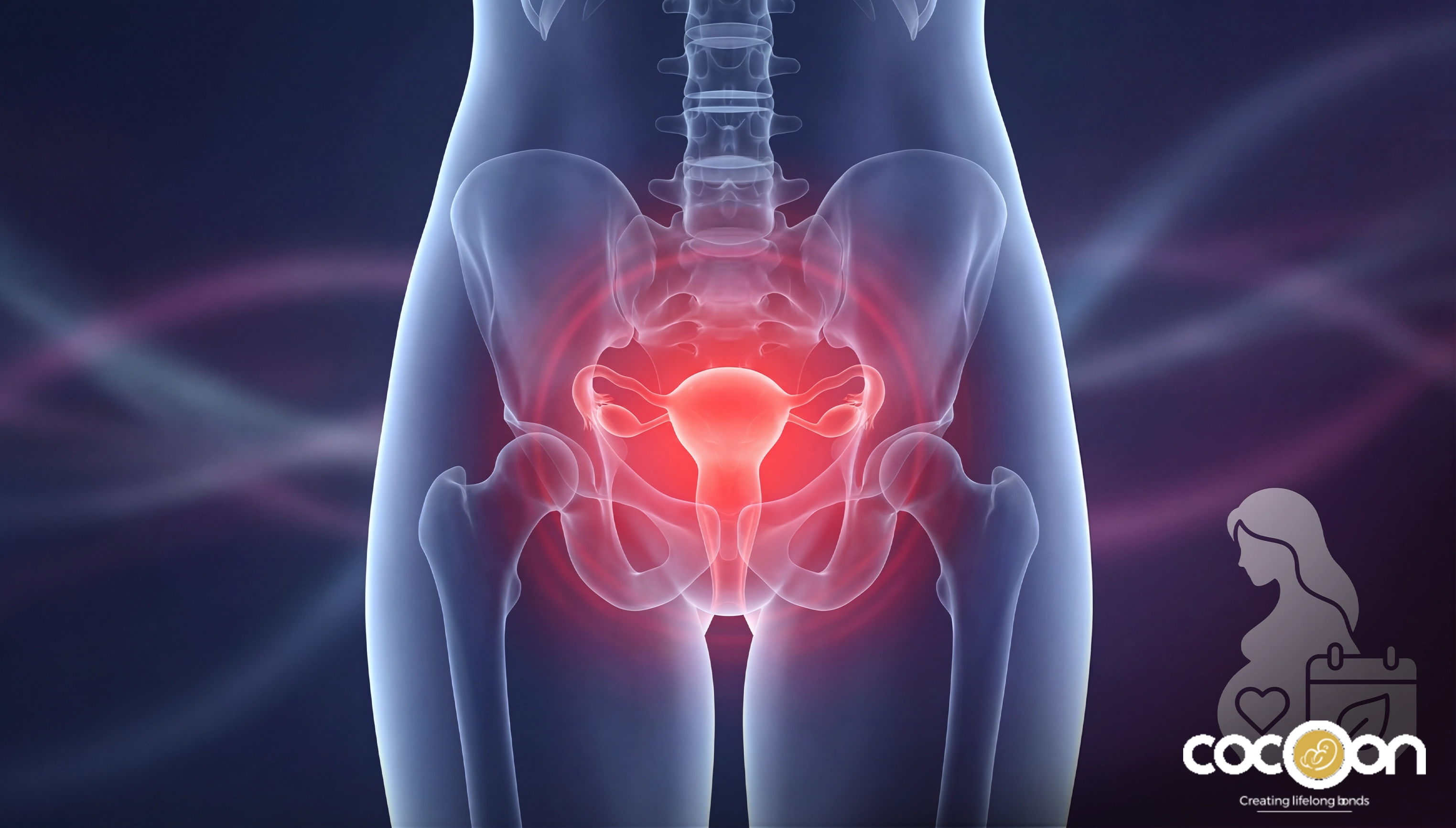
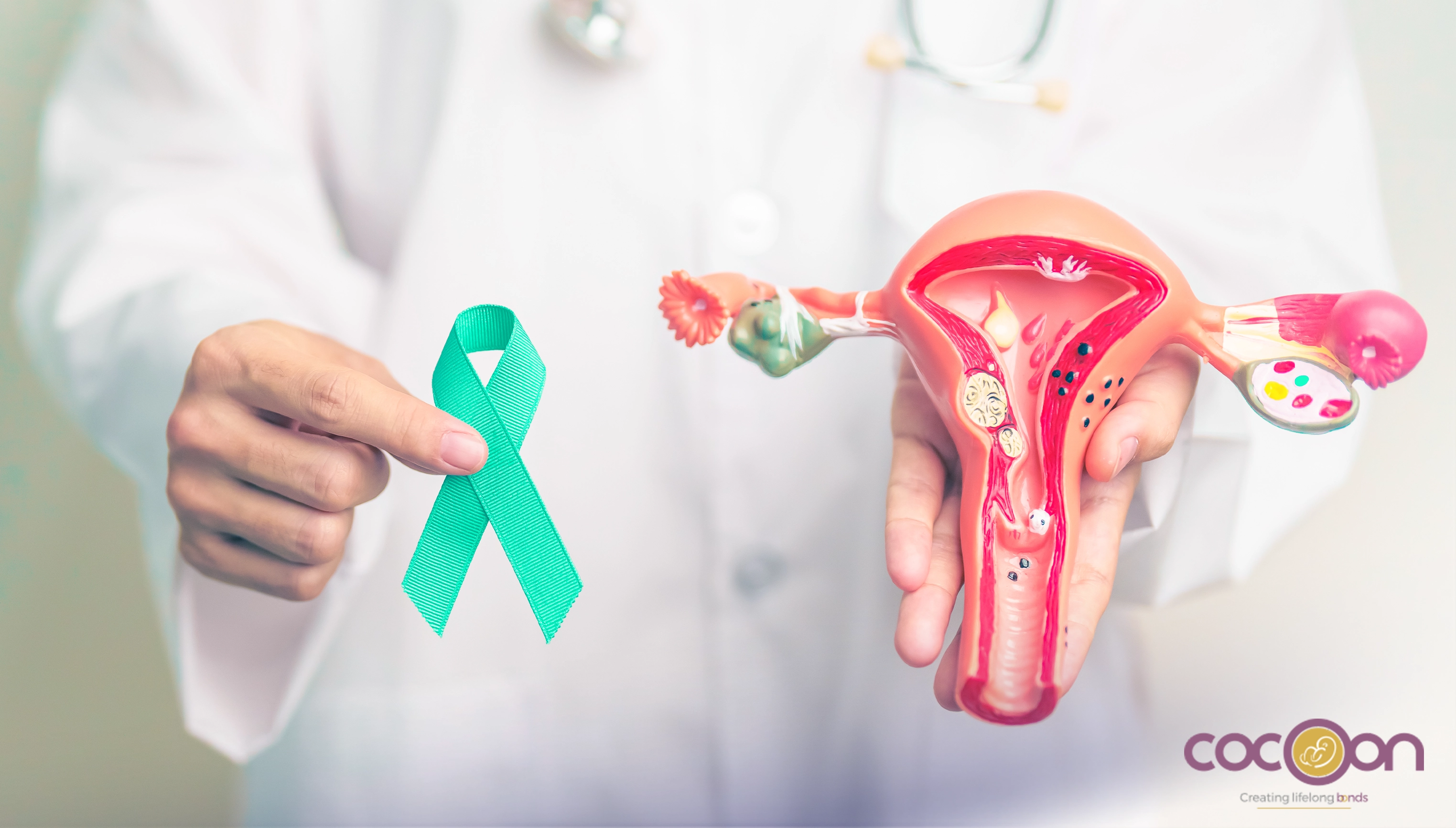
Pregnancy is a complex process that involves several steps, but it all begins with an egg and a sperm coming together. Each monthly cycle, your ovary releases an egg, which gradually travels through the fallopian tube (tubes that connect the ovaries to the uterus), where it waits for sperm (this is known as ovulation, which takes about 12 to 24 hours). A man ejaculates during intimate moments and releases millions of sperm, travelling through the vagina and up to the fallopian tubes.
For a pregnancy to occur, a sperm and an egg are required to meet and come together; this process is known as fertilization. Now this fertilized egg travels to your uterus (womb) for implantation and has now become an embryo. Finally, a healthy pregnancy starts with lots of emotional and hormonal fluctuations. For a pregnancy to be successful, you need to follow only the healthcare advice and keep all the myths that are circulating in Indian society at bay.
Read Also: Pregnancy Tips For First-Time Moms
What Are Some Superstitions About Pregnancy in India?
Here are some pregnancy myths in India that you need to be careful of, because 1 myth can be more harmful than 100 benefits.
Myth 1: Belly Shape or Cravings Can Predict the Gender of the Baby
What is the Truth
Your belly shape cannot accurately determine gender. Studies show that belly shape has more to do with the position of your baby, the mom’s body type, and several other factors, but definitely not the baby's gender.
Read Also: Anemia During Pregnancy: Symptoms, Risks & Prevention
Myth 2: During Pregnancy, You Need to Eat for 2
What is the Truth
Focus on the quality of the food rich in nutrients rather than quantity. Your body only needs 300-500 extra calories daily during pregnancy. Hence, emphasize nutrient-rich foods for supporting healthy growth without excess weight.
What Are the Best Foods to Eat While Pregnant?
Here is the list:
- Lean proteins
- Leafy greens
- Whole grains
- Dairy
- Colorful fruits
- Lentils
- Salmon
- Spinach
- Sweet potatoes
- Berries
- Yogurt
- Fortified cereals
- Healthy fats
These help provide you with essential iron, folate, calcium, protein, and vitamins for the baby's growth and maternal health.
Read Also: How Wellness Programs Help Mothers During Pregnancy
Myth 3: Eating Papaya or Pineapple Leads to Miscarriage
What is the Truth
There's a myth in Indian society that pineapple can cause miscarriage, which isn't backed by scientific evidence. The truth is, papaya and pineapple are safe in moderation during pregnancy, as they don't contain enough enzymes to harm the baby.
Only unripe papaya contains papain, which can trigger contraction. Always consult your doctor for personalized advice.
Is It Ok to Eat Fruit Every Day While Pregnant?
Eating fruits is highly recommended during pregnancy. These are the lists:
- Oranges and other citrus fruits
- Bananas
- Berries (Strawberries, Blueberries)
- Apples
- Mangoes
- Avocados
- Pomegranates
- Apricots
- Watermelon
- Kiwi
Myth 4: Saffron Gives Your Baby Fair Skin
What is the Truth
Your baby’s skin color is solely determined by genes from parents, not by maternal diet like saffron.
Saffron has antioxidants and mood-improvement qualities; in small amounts, it is harmless, but it won't change the genetic makeup, like complexion.
Myth 5: Don't Buy Baby Items Before Delivery to Avoid Bad Luck
What is the Truth
There is no scientific perspective; there is no evidence to support the myth that buying baby clothes beforehand brings bad luck. In fact, preparing in advance lowers newborn stress and gives psychological comfort.
What Should You Buy Before Your Baby Is Born?
Most people start their shopping by the thirteenth week (beginning of the second trimester).
Here is the pre-birth checklist:
- Sleeping essentials like a crib, mattress, and sheets
- Feeding items like bottles/pumps, burp cloths
- Bathing in a tub with soap and towels
- Clothing items like onesies, swaddles, hats
- Travel essentials like a car seat, a stroller, and a diaper bag
- First-aid kit, like a thermometer and nail clippers
Myth 6: Heartburn Indicates Baby Will Have Plenty of Hair
What is the Truth
It's largely an old wives' tale.
Heartburn or acid reflux, occurs because progesterone relaxes the esophageal muscle (muscle layers of your food pipe), and the growing womb puts pressure on the stomach, pushing acid up.
There is no scientific evidence that heartburn means your newborn will have a lot of hair.
Why Do You Get Heartburn in Pregnancy?
You're more likely to have indigestion due to:
- Hormonal fluctuation.
- A developing baby is pressing on the stomach.
- Muscles between the stomach and gullet relax, allowing stomach acid to flow back up.
Myth 7: First Babies Always Arrive Late
What is the Truth
It's just a myth.
Due dates are guesses, and only around 5% of babies arrive right on them. For first-time mothers, birth often occurs around 40 weeks and 5 days; however, many come on time or even early.
Studies have found that 50% of all women giving birth for the first time deliver by 40 weeks and 5 days, while 75% give birth by 41 weeks and 2 days. While 50% of all mothers who had given birth at least once before gave birth by 40 weeks and 3 days, 75% gave birth by 41 weeks. This indicates that for both first-time and experienced mums, the traditional “estimated due date” of 40 weeks was wrong.
Myth 8: Ultrasounds Are Harmful
What is the Truth
It's largely an old wives' tale.
Why Are Ultrasounds Safe During Pregnancy?
They help the doctor to monitor the baby's healthy growth and development. Early complications can be predicted and timely action can be implemented.
These are safe because:
- Ultrasounds use high-frequency sound waves, not radiation.
- They are pinless and do not require any injection.
- Ensure both the mother and baby are safe throughout the pregnancy.
Conclusion
All you need to understand is that whatever you believe in needs to have a scientific backing and a professional consensus. Do not just believe in random talks floating in society. Just go for a regular checkup and listen to and follow your doctor’s advice.
When to Consult Your Doctor?
You should consult your doctor at Cocoon Hospital immediately if you experience the following symptoms:
- Heavy vaginal bleeding (note: there is a difference between spotting and heavy flow).
- Severe abdominal pain.
- Fever over 101°F (38.3°C).
- Persistent nausea and vomiting.
- For monitoring preexisting health conditions.
- Signs of infection.
Disclaimer: This blog is for educational purposes only and is not a replacement for professional advice. Contact your doctor for the right tips during pregnancy.