 08929816349
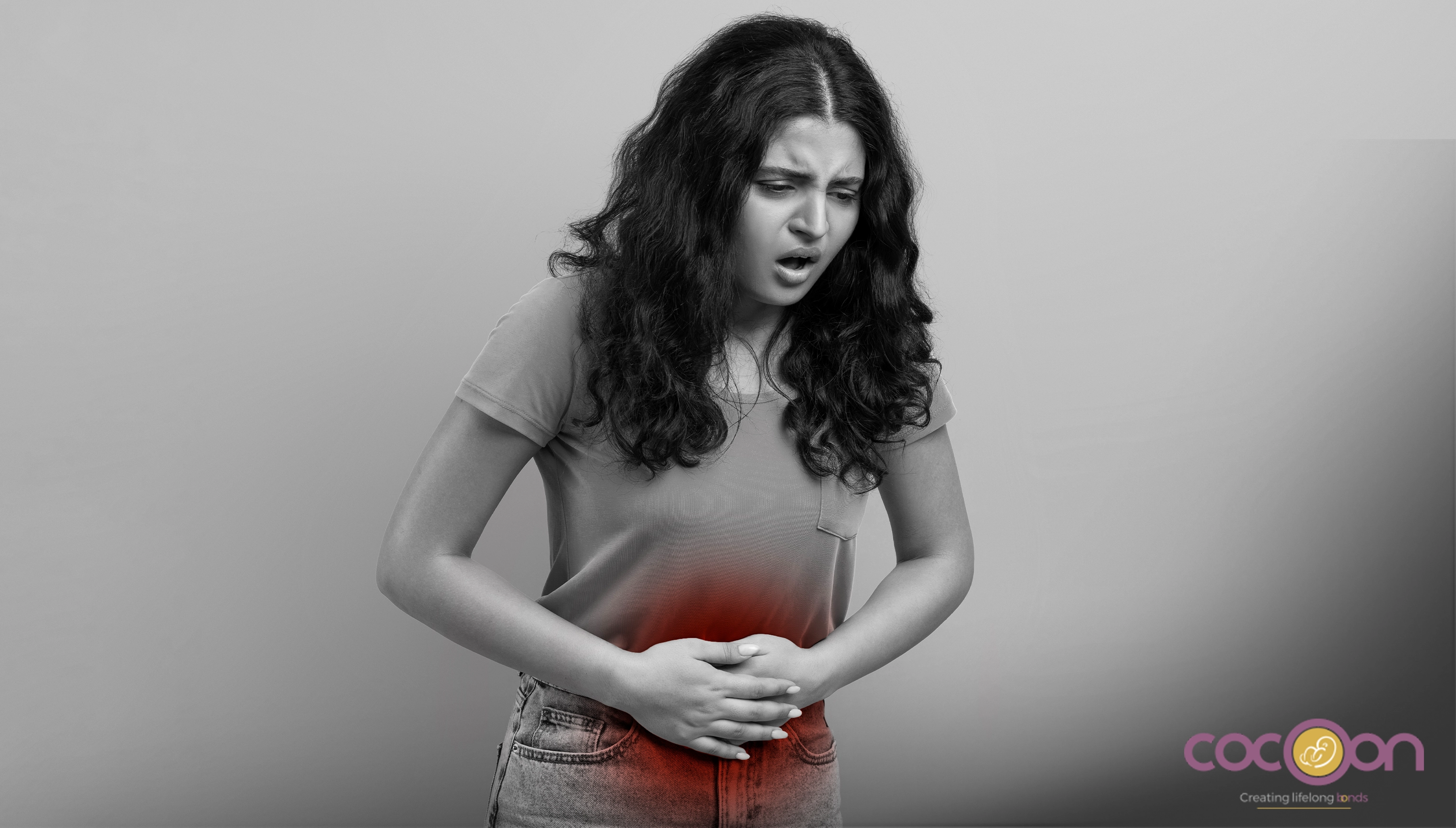
In your childhood, your parents made sure the path was safe and danger-free, whether you were learning to walk or wobbling on your first bicycle. But fast forward to today, you’re in your 30s, and your body is going through subtle changes of its own: slower metabolism, lower muscle tone, reduced bone density, and even a little less skin elasticity.
Yes, your parents still care, but they can’t shield you from everything that comes with growing older. That’s where regular health screening or checkups after 30 come in. They guide you, showing what’s working, which body parameters need attention, and how to stay strong and healthy through your 30s and beyond.
Skipping diagnostic screening is like aiming at a fruit tree in the dark; you might get lucky, but you’re mostly guessing.
Read Also: Trimester-by-Trimester Pregnancy Health Checklist
What Changes in Women After 30?
Here are some biological and physiological changes in women after 30, primarily driven by gradual hormonal shifts and natural aging processes.
1. Changes in Hormones & Fertility
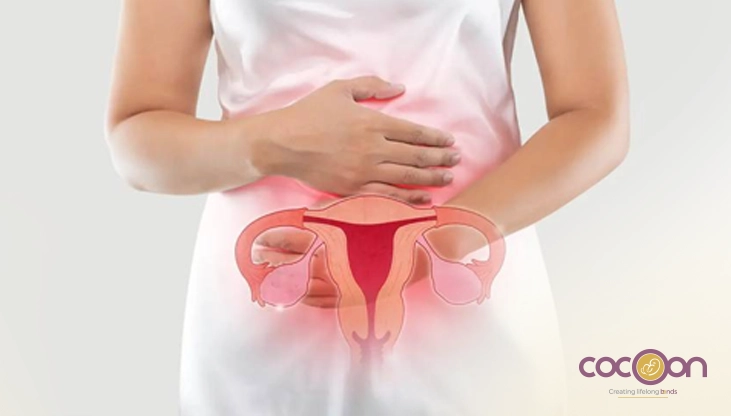
Estrogen and progesterone begin to fluctuate and decline. This leads to changes in menstrual cycles, such as irregularity, delayed periods, etc.
2. Slower Metabolism & Challenges to Maintain Weight
Metabolism slows down after the 30s, though the changes are minor, but it can still cause weight management difficulty, particularly around the abdomen.
3. Changes in Skin, Hair
There is less collagen production, which can lead to reduced skin elasticity, skin stiffness, and noticeable signs of aging.
4. Fluctuation in Psychological & Mental Health
Hormonal imbalances can contribute to mood swings and increased stress, fatigue, and anxiety. Also, some women experience changes in intimate drive, often an increase in thoughts and fantasies between 27-45 years.
5. Declining Bone & Muscle Health
Muscle tone and bone density (these changes are) can be decreased, which can increase risks for osteoporosis and lower physical strength.
After age 30, everyone may begin to lose muscle, as much as 3% to 5% per decade. These changes are more noticeable in inactive people.
6. Aging Process
Studies show females experience accelerated biological aging around ages 30 and 50, linked to hormonal changes. However, healthy habits can help slow this process.
7. Sleep & Overall Well-being
Hormonal changes combined with an unhealthy lifestyle and other environmental stressors might disturb sleep. This can further affect mood, metabolism, and overall health.
8. Changes in Other Body Parts
Women's hair may start to gray, and breast size and shape may change because of hormonal fluctuations and weight changes.
Note: Every woman is different and hence not all will experience the same changes. Some of these changes are a natural part of aging, but healthy choices after proper health checkups can delay them and help you take a healthy step for a healthy, long life. In case of any health issues, contact your healthcare professional.
Read Also: Cervical Cancer Screening — How Often Should Indian Women Get Tested
What Tests Should a Woman Have at or After 30?
After age 30, women should undergo comprehensive physical tests such as:
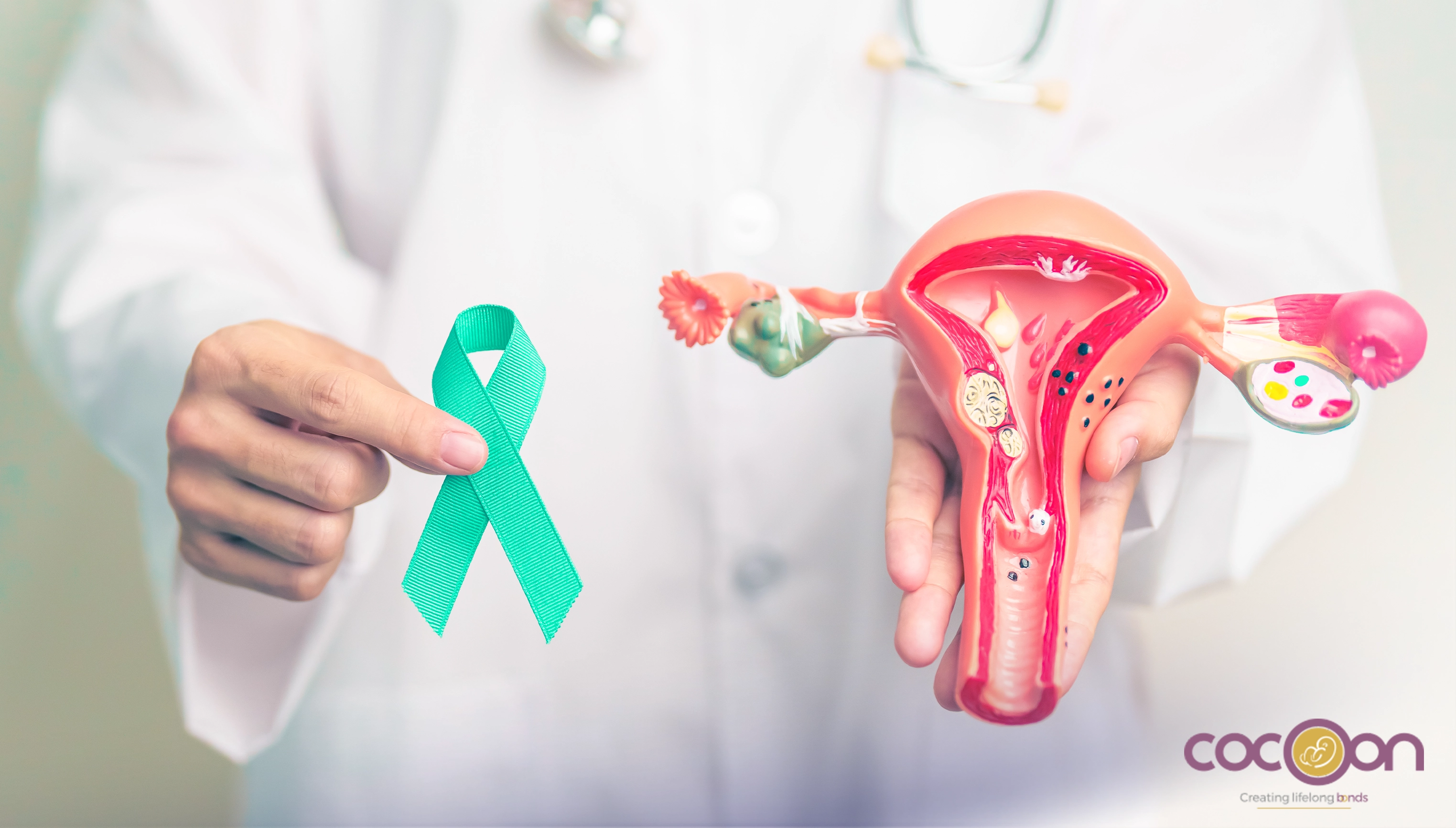
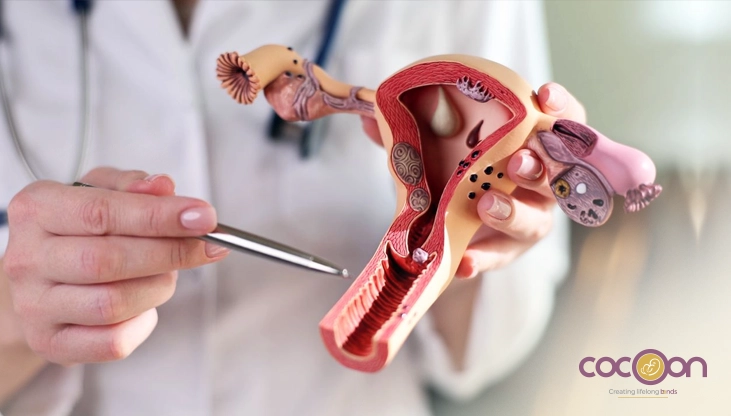
1. Gynecological Examination & Pap Smear
Regular pelvic exams and Pap smears should be done to check cervical cells. There are shifting patterns in cervical cancer cases in women in their 30s and 40s. The American Cancer Society (ACS) recommends a primary HPV test for women aged 30-65.
How this test helps:
It helps to catch early signs of cervical cancer and abnormal infections so that timely treatment can be started.
2. Screening of Breast Health
You should have monthly self-exams and clinical breast exams. Annual mammograms may be recommended by the doctor if there is a strong family history or genetic predisposition.
How this test helps:
These detect lumps and early breast cancer.
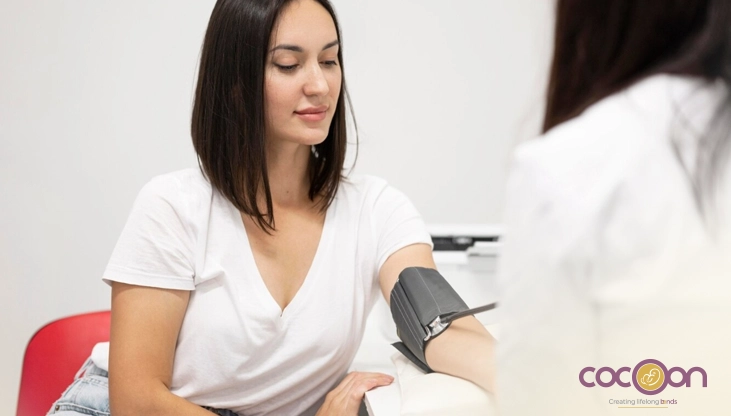
3. Heart Healthy With Regular Blood Pressure Test
Get your blood pressure and lipid profile (bad and good cholesterol) checked annually. Get an ECG if recommended.
How this test helps:
These help detect high blood pressure (hypertension) and heart disease risks early for prevention.
4. Prediabetes and Diabetes Screening
These tests include:
- A1C 5.7%–6.4% or
- Fasting plasma glucose 100–125 mg/dL (impaired fasting glucose) or
- 2-hour post 75 g oral glucose challenge 140–199 mg/dL (impaired glucose tolerance)
These fasting blood sugar, post-meal glucose, and HbA1c tests help monitor blood glucose levels.
How this test helps:
They help detect prediabetes or diabetes early so that you can make lifestyle changes to prevent complications.
5. Thyroid Function Test (TFT)
It measures the levels of:
- TSH (Thyroid Stimulating Hormone): Signals the thyroid gland to make its own hormones
- T3 (Triiodothyronine): The active thyroid hormone
- T4 (Thyroxine): A precursor hormone
- Anti-TPO Antibodies: Indicators of autoimmune thyroid disorders
How this test helps:
It detects hypothyroidism or hyperthyroidism and autoimmune thyroid diseases, which can cause fatigue, weight changes, and other metabolic issues.
Read More: Pregnancy Tips For First-Time Moms
6. Complete Blood Count (CBC)
CBC measures evaluate levels of:
- Red blood cells (RBCs)
- White blood cells (WBCs)
- Platelets (cell fragment that stop bleeding)
- Hemoglobin (the protein that carries oxygen)
- Hematocrit (the proportion of RBCs in the blood)
How this test helps:
It helps flag anemia, infections, or blood disorders for early medical intervention.
Read More: Luxury Birthing: What Makes a Premium Maternity Experience
7. Liver (LFTs) & Kidney Function Tests (KFTs)
LFTs check liver enzymes like Alanine aminotransferase (ALT), Aspartate aminotransferase (AST), and bilirubin. KFTs check creatinine, urea, and electrolytes Glomerular Filtration Rate (eGFR).
How these tests help:
LFTs help detect:
- Liver infections
- Liver damage from alcohol
- Jaundice
- Fatty and non-fatty liver disease
- Hepatitis
- The effectiveness of treatments
KFTs help detect
- Kidney disease
- Dehydration
- Damage from diabetes or high blood pressure
- Infection or inflammation of the kidneys
- Electrolyte imbalances
8. Checkup for Full Body Health
This includes complete health panels, including urine tests, metabolic panels, and diagnostic imaging (as suggested) like ECG, ECHO, Chest X-ray, and abdominal ultrasound.
How this test helps:
These help detect hidden health issues before symptoms manifest.
9. Human Papillomavirus (HPV Test)
This test detects the presence of high-risk strains of the Human Papillomavirus (HPV). This virus can cause cell changes leading to cervical and other cancers.
Pap smear and HPV Test are different:
- Pap smear: Examine the cervical cells for abnormalities.
- HPV Test: Looks for the virus in the cervix that can cause abnormalities.
How this test helps:
It can help in potential early cervical cancer screening and other related issues.
10. Cancer Screening Based on Risk
Besides cervical and breast cancer, doctors can recommend screenings such as skin checks or colorectal cancer screenings based on family history or risk factors.
How this test helps:
Detect cancer early for more effective and less aggressive treatment.
Conclusion
After 30, routine blood and imaging tests are like your guiding lights to lead a healthy life. Consider regular screening and specific imaging tests as recommended by your doctor.
You might wonder, “How do health checkups after 30 help?” because they help you provide the following benefits:
- Detect silent diseases early
- Supports better treatment
- Empowers women to prevent long-term complications for lasting wellness and peace of mind.
FAQs
Q1: What health checks should I have at 30?
A: At or after 30, you should have routine health checks such as:
- Blood pressure
- CBC
- Blood sugar
- Cholesterol
- Thyroid
- HPV Test
- Pap smear
- Self breast exams
Specific tests and imaging as recommended by your doctor, based on risk and family history
Q2: What doctor should a 30-year-old woman see?
A: A 30-year-old woman can see a primary care doctor for general health, an OB-GYN for reproductive and intimate health, and any specialist based on the ongoing or any history of health conditions.
Q3: What is a female check-up called?
A: A female check-up is commonly known as:
- Well-woman exam
- Annual physical
- Gynecological exam
Q4: How often should a woman go get a health check-up after 30?
A: After 30, females should ideally get a complete health check-up once a year, or as recommended by their healthcare professional based on risk factors and health status and family history.