 08929816349
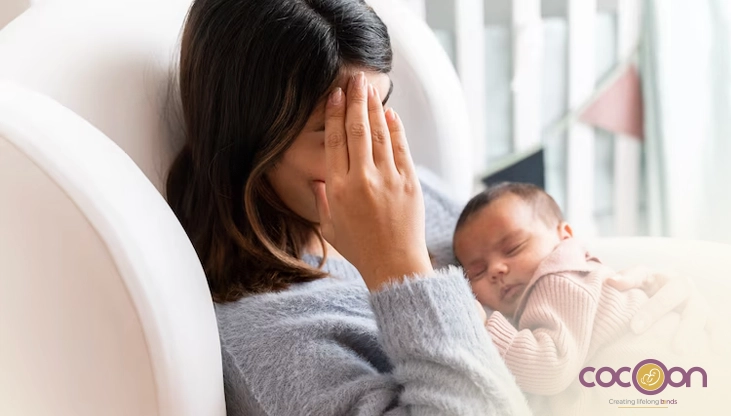
If you are a new mom experiencing emotional rollercoasters of mood swings, crying spells, irritability, and anxiety. Don’t worry! You are not alone. These emotional fluctuations (often called the baby blues) are common and generally occur because of sudden hormonal changes combined with the stress of adjusting to life with a new baby. For most women, these feelings can subside within 1 to 2 weeks.
However, if the emotions come with extreme intensity, last longer, or start affecting daily life, it could signal postpartum depression, which demands proper professional support. It is important to understand that your emotional well-being deserves equal attention as your physical and mental health, especially after delivery.
If you’re a new mom struggling to navigate this phase, don’t hesitate to reach out to a qualified healthcare provider and follow the advice for recovery tips to heal emotionally faster.
Read Also: Essential Tips & Preparation for a Smooth Normal Delivery
What Are the Emotional Issues After Giving Birth?
New mothers can experience the following emotions that they need to address:
- Mood swings
- Irritability
- Anxiety
- Panic attacks
- Feelings of hopelessness
- Crying spells with no clear reason
- Difficulty developing a bond with the baby
- Carried away with heavy emotions
- Fatigue
- Sleep pattern disturbances
- No longer enjoying the activities that you once did
- Constantly feeling guilty
- Isolation from family and friends
- Fear about the baby’s or own health
- Restlessness
- Trouble concentrating
- Self-harming thoughts or harming the baby (Severe cases, known as postpartum psychosis, require immediate medical attention)
Note: Not every woman will face these emotional symptoms. These symptoms may also indicate other health conditions. If you experience any of these symptoms, consult your doctor for a proper diagnosis and treatment.
Read Also: Luxury Birthing: What Makes a Premium Maternity Experience
Are Emotional Issues After Childbirth Harmful
Yes, if ignored or left untreated, emotional issues after childbirth can be harmful. They can affect mother-child bonding and increase risks of long-term depression, anxiety, sleep disturbance, and even suicidal thoughts. Hence, early detection and treatment are important to protect both the mother’s and the baby’s overall health and development.
Read Also: Antenatal and Postnatal Wellness: The Key to Healthy Motherhood
How to Deal With Emotions After Having a Baby?
Always go for the scheduled visits to the doctor after delivery, and religiously follow the advice tips to attain a comprehensive recovery, including mental, physical, and emotional health.
1. It is Hard, But Take Time For Yourself to Relax & Care
Rest and relaxation support the healthy activation of the parasympathetic nervous system (the "rest and digest" system). This decreases the stress hormones, such as cortisol, to help calm the mind and body, promoting emotional balance.
Read Also: How to Prepare for a Smooth and Natural Birth: Doctor-Backed Tips
2. Just Talk & Share Without Judging Your Feelings
Never step back from expressing your emotions to your loved one or anyone supportive. This sharing helps you process your emotions, reduces feelings of isolation, and lessens depression risk by managing brain areas (like the prefrontal cortex, responsible for managing emotions).
Read Also: How to Prepare for a Stress-Free Birthing Experience
3. Never Underestimate the Power of Quality Sleep
Adequate sleep helps manage emotions by restoring the brain's ability to regulate the amygdala (responsible for processing and generating emotions such as fear, pleasure, and anger). This helps allow a more balanced response to stress and challenges.
4. Believe in Social Support
Social support is like a buffer against stress and emotional and mental health issues like stress. The right support brings in the sense of belonging and stimulates the brain’s reward regions and lowers cortisol levels, thus fostering your resilience during postpartum challenges.
5. Keep Yourself Physically Active
Yes, rest is important, but that does not mean complete bed rest. Your body heals mentally and physically when there is a balanced approach between rest and gentle movement. Physical activity helps release “happy hormones” like endorphins and serotonin for the better management of stress and emotional fluctuations.
6. Use Cognitive Reappraisal Post-childbirth
Cognitive reappraisal is effective and can be one of the recommended strategies to address emotional challenges after delivery.
How to use cognitive reappraisal?
- Identify negative thoughts like "My body is ruined forever."
- Then counterquestion the negative thought, "Is this thought 100% true?" Most of the time, they will be false.
- Reframe your thoughts like, “my body has the ability to heal; all I need is to respect it. ”
- Focus on the process, not perfection.
- Consistency is the key.
- If unable to reframe, then you can take professional support for the right affirmations.
Changing the way you think helps activate brain regions such as the lateral prefrontal cortex that manages the emotional responses, decreasing the feelings of overwhelm and depressive symptoms.
7. Practise Self-Compassion & Mindful Parenting
Do not compare yourself with other parents; comparison is the known enemy of confidence and emotional health. Being open to the fact that parenting styles can vary decreases the conflict between ideal expectations and real experiences.
8. Do Not Hesitate to Seek Professional Help if Needed
Therapy does not mean that you are not mentally fit; it simply means you need someone to help process your feelings in your vulnerable situation. Professional help can support the better functioning of neural circuits involved in emotion regulation. Thus, providing the tools to manage emotional challenges like postpartum depression or anxiety.
Don’ts of Recovering Emotionally After Childbirth
These are the don’ts of postpartum emotional recovery:
- Don't exclude yourself from your loved ones.
- Don't try to be Superwoman, doing everything alone.
- Don't think self-care is a myth or a waste of time.
- Don't make significant new life changes.
- Don't fail to seek help for persistent or severe symptoms.
- Don't hesitate to talk to a healthcare provider.
What Are the Signs of Postpartum Depression?
The signs can be broadly divided into the following 3 categories:
1. Emotional & Mental Signs
- Feeling sad
- Hopeless
- Feeling empty or worthless
- Intense anxiety or panic attacks
- Overwhelming feeling
- Absence of interest in hobbies and activities that were once enjoyable
2. Signs Related to the Baby
- Lack of interest in your baby
- Finding it tough to bond with the baby
- Worrying about being alone with the baby
- Thoughts of harming the baby (Seek immediate help)
3. Physical & Behavioral Signs
- Disturbed sleeping pattern: sleeping too little or too much
- Disturbed eating pattern: eating too much or too little
- Loss of energy
- Overwhelming tiredness
- Self-harm or suicidal thoughts (Seek immediate help)
Conclusion
The first step towards emotional recovery is not to judge yourself. Understand that you are a strong human who has gone through massive changes in the pregnancy journey. After delivery, there are again hormonal fluctuations that can be emotionally challenging; all you need is to recognize the signs, be compassionate towards yourself, and be open to taking help.
How Do I Know That I Am Recovering Emotionally After Delivery
The following are your signs of recovery:
- Responding less stressfully to challenging situations
- Restoration of interest in your hobbies
- Improved mood and energy
- Sound sleep
- Positive self-talk
- Enjoying the company of your loved ones
- Reduces baby blues