 08929816349

In India, 1 in 5 women is dealing with PCOS, and as a woman, you must have known many female friends dealing with PCOS. Honestly, these numbers are worrying and demanding immediate attention. Most of you might think PCOS is just about irregular periods, no it's not.
It can bring unwanted hair growth, stubborn acne, and even fertility challenges. What many of you don’t realize is how profoundly it affects mental health, too, increasing the risk of depression and anxiety. That’s why professionals at Cocoon Hospital (known for mother and child care) say early detection matters so much. If you notice signs that feel “off,” like irregular or missed menstrual periods, excess facial and body hair (hirsutism), or acne, it’s important to speak up, get checked, and start the right treatment.
Read Also: PCOD and PCOS: Symptoms, Causes, Differences & Treatment
What is PCOS?
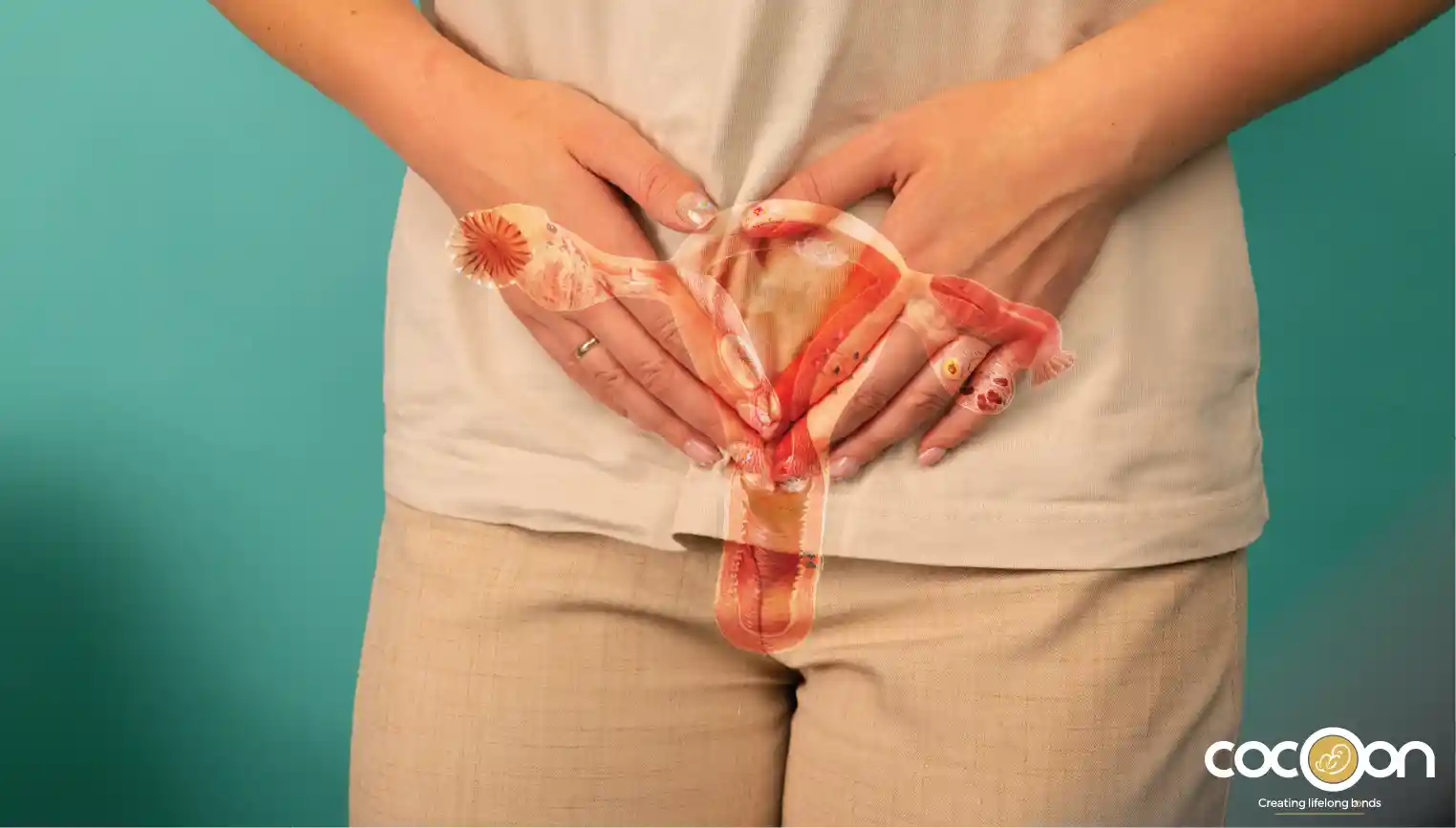
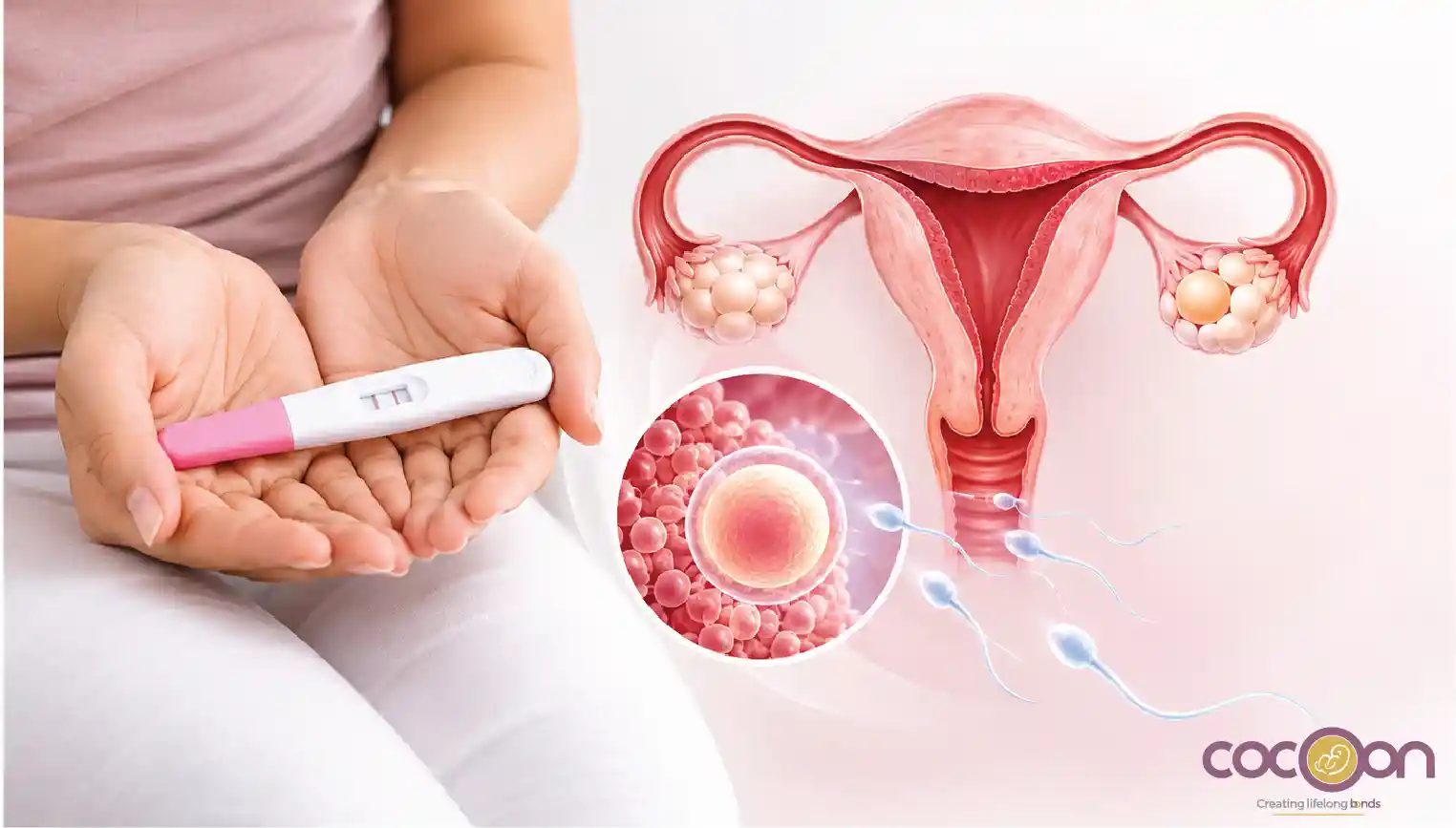
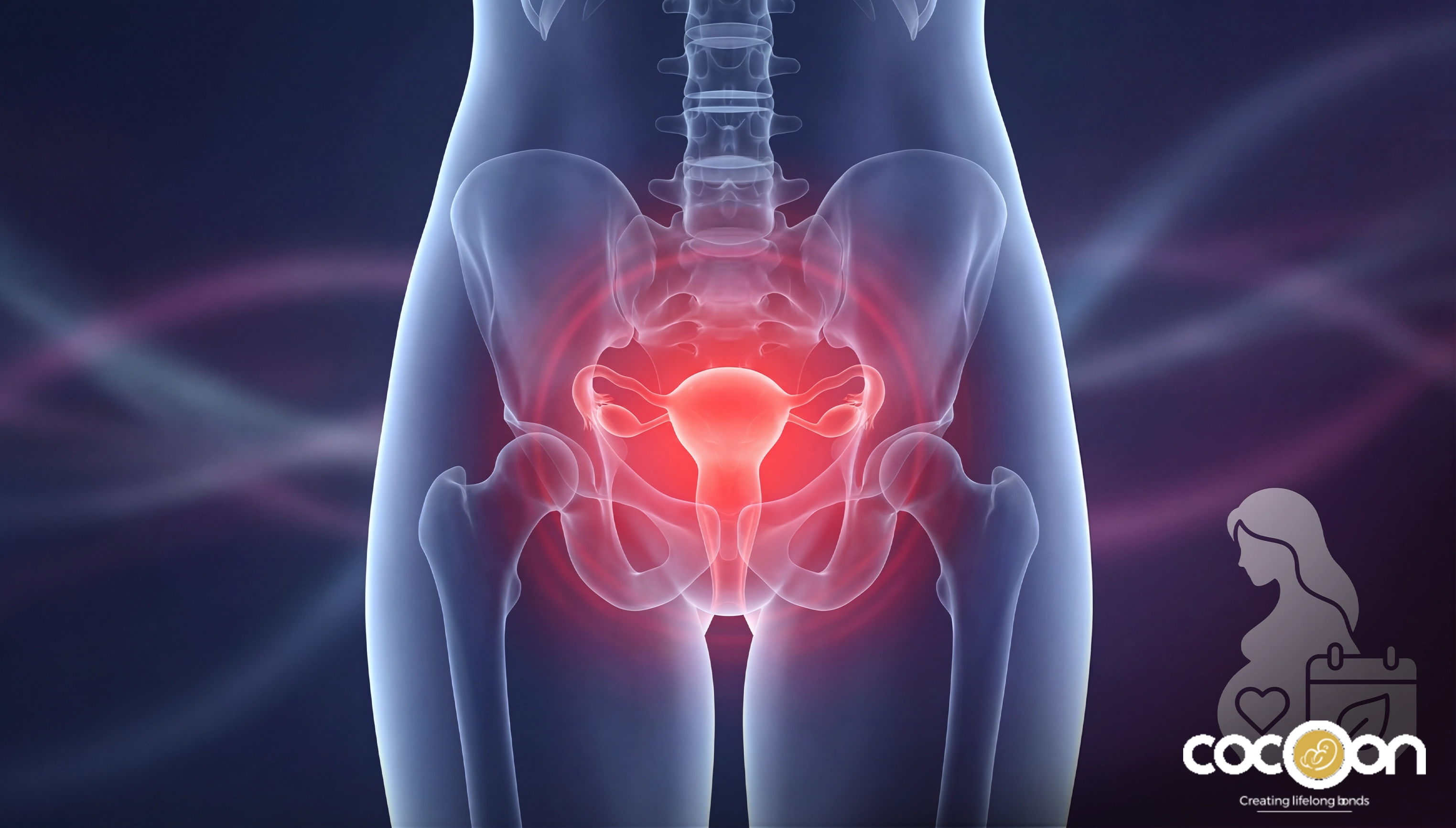
Polycystic ovary syndrome (PCOS) is a hormonal imbalance that happens when your ovaries (which produce and release monthly eggs) create unusually high levels of hormones called androgens. This leads to an imbalance of reproductive hormones.
Does PCOS Cause Female Infertility
Yes, PCOS is one of the most common causes of female infertility and can also increase the risk of other health conditions in females.
How to Know If I Have PCOS? Symptoms of PCOS Problems in Females
If you have PCOS, it will only be confirmed by a healthcare professional after a detailed diagnosis. All you need to do is visit your doctor if you notice the following PCOS symptoms and get timely treatment.
1. Irregularities in Your Menstrual Cycle
Because of abnormal levels of luteinizing hormone (LH), androgens (male hormones), and insulin, your ovaries do not release eggs regularly. This leads to infrequent and missed periods.
2. Unwanted Hair Growth (Amplified by High Insulin Levls)
Increased male hormones (androgens) from the ovaries and adrenals trigger hair follicles on the face, chest, or back to grow thick, dark hair like in men. This condition is medically known as hirsutism. Additionally, insulin resistance promotes the excessive growth of hair.
3. Oily Skin or Acne (Amplified by High Insulin Levels)
Androgens and high insulin trigger the oil glands in the skin in PCOS to overstimulate. This leads to clogged pores and breakouts that continue beyond the teen years.
4. Weight Put On or Obesity (Especially Around the Belly)
It's a vicious cycle; insulin resistance can also lead to weight gain, making PCOS symptoms worse. This excessive fat signals your body to make even more insulin.
5. Thinning of Hair (Known as Androgenic Alopecia)
High androgens in PCOS constrict hair follicles on your scalp. This shortens the growth, leading to male-pattern baldness (MPB), hence the name androgenic alopecia.
6. Dark Patches in Skin (Visible Sign of Insulin Resistance)
High insulin levels trigger the skin cells to multiply rapidly in folds such as the neck or armpits, forming velvety dark areas known as Acanthosis Nigricans.
7. Infertility
PCOS means irregular ovulation due to imbalanced hormones. This causes eggs to remain immature or unreleased, making conception hard. Additionally, high androgens and insulin further give a blow to egg quality and the uterine lining.
8. Skin Tags
Excess insulin stimulates small, soft growths of excess skin, commonly in the neck or groin areas. This symptom of PCOS is linked to metabolic issues like insulin resistance.
Less Common PCOS Symptoms
This hormonal chaos, excessive male hormone (androgen), insulin resistance, and high luteinizing hormone (LH) create a vicious cycle, leading to other less common symptoms of PCOS, such as:
- Mood changes such as depression or anxiety
- Pelvic pain because of cysts or enlarged ovaries in PCOS
- Fatigue or low energy
- High blood pressure
- Sleep apnea
- Pain in joint or muscle
- High bad cholesterol levels
Note: Not all women will experience the same symptoms, but if you experience any of these symptoms, consult your doctor for an accurate diagnosis and treatment.
What Happens if PCOS Is Left Untreated?
If left unaddressed, it can increase the risk of health conditions such as:
- Type 2 diabetes
- Cardiovascular disease
- Non-alcoholic fatty liver disease (NAFLD)
- High cholesterol and hypertension
- Infertility
- Endometrial cancer
To Summarize
While there is no permanent cure for PCOS, the symptoms can be managed. That’s why early recognition of PCOS symptoms is crucial, as with timely treatment, you can reduce your risk of other health conditions.
Your healthcare provider at Cocoon Hospital will determine treatment based on your symptoms, medical history, and other health conditions, and whether you want to get pregnant. Treatments are comprehensive, including medications, lifestyle changes, or a combination of both.
Prescribed PCOS Treatment May Look Like:
- Lifestyle changes such as a healthy diet, exercise, and maintaining a healthy weight.
- Medical treatments such as hormonal birth control, insulin-sensitizing medicines, medications to correct androgen levels, medications to induce ovulation, skin treatment, or surgery (if necessary).
- Consistent monitoring and management are necessary.
FAQs
Q1: What is life with PCOS like?
A: Life with PCOS may involve managing PCOS symptoms such as irregular periods, weight struggles, and excess hair with professional help. But be aware that comprehensive treatment helps manage these symptoms effectively.
Q2: What are the lifestyle factors of PCOS?
A: Poor diet, inactivity, stress, obesity, high glycemic foods, poor gut health, stress, inadequate sleep, smoking, alcohol, etc., can trigger or influence PCOS severity.
Q3: What is the difference between PCOS and PCOD symptoms?
A: PCOS (Polycystic Ovarian Syndrome) is a bit different from PCOD. PCOD has milder symptoms, while PCOS has more severe symptoms and is a complex endocrine and metabolic disorder impacting the entire body. Symptoms of PCOS and PCOD may include irregular periods, excess androgen, polycystic ovaries, abnormal BMI, disturbed hormone (LH, FSH, DHEAS) levels, and poor insulin resistance. But research studies show these symptoms alone are not enough for an accurate diagnosis.