 08929816349

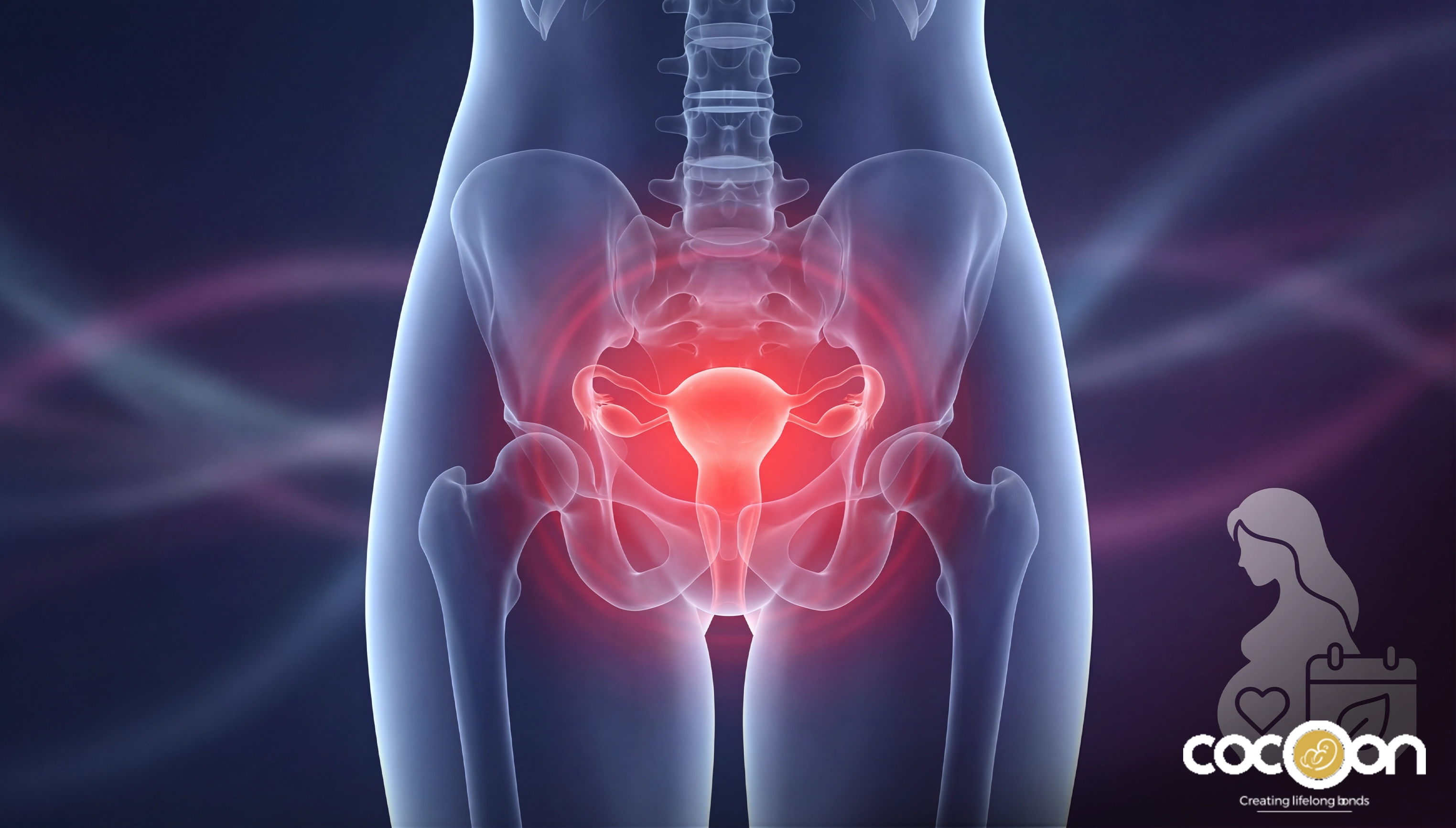
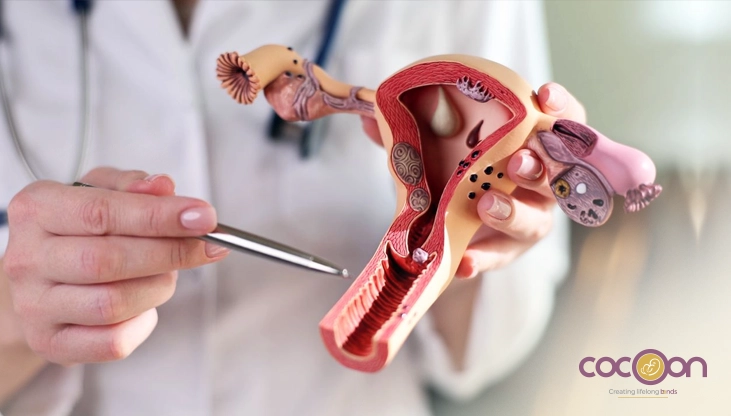
When other treatments have failed to show an effect for conditions like heavy or abnormal vaginal bleeding, endometriosis, or when the condition is life‑threatening or cancerous, doctors may recommend the removal of the uterus through a laparoscopic hysterectomy.
Experts at the best hysterectomy surgery hospital in Jaipur consider it a very safe, effective, and minimally invasive uterus removal surgery alternative to traditional abdominal surgery. Your doctor analyzes your specific medical condition, conducts thorough diagnostic imaging to assess uterine size and anatomy, and discusses your preferences before making the final decision.
Read Also: Hysterectomy Guide: Types, Recovery, Side Effects & Choosing Partial Vs. Total
What is Laparoscopic Hysterectomy
A laparoscopic hysterectomy is a modern, minimally invasive surgical technique to remove the uterus through small incisions in the abdomen. It is done using a laparoscope (a thin tube with a camera) and specialized instruments. Unlike open surgery, it eliminates large cuts and lowers blood loss, scarring, and hospital stays.
This procedure is ideal for women:
- Who no longer wish to conceive.
- Who have completed their family.
Read Also: The Role of Nutrition before and after Laparoscopic Hysterectomy
Understanding the Term “Laparoscopic Hysterectomy”
Let's bifurcate (break down) it into two parts for your simple understanding:
Laparoscopic
- From: Laparo‑ (relating to the abdomen) + ‑scopic (viewing or examination).
- Meaning: A minimally invasive surgical technique in which the abdomen is viewed and operated on through small incisions with the help of a camera (laparoscope) and long‑handled instruments.
Hysterectomy
- From: Hyster‑ (uterus) + ‑ectomy (removal or excision).
- Meaning: Uterus removal surgery using a laparoscopic (keyhole) approach.
It is a last-resort option for non-cancerous conditions, which can often be recommended by experts at the best hysterectomy surgery hospital after medication, hormone therapy, or less invasive procedures fail to relieve symptoms.
Types of Laparoscopic Hysterectomy
Here are the main types:
| Type | What is removed or the technique used? |
| Laparoscopic‑assisted vaginal hysterectomy (LAVH) | Uterus removed vaginally; laparoscopy used to visualize and mobilize structures. |
| Total laparoscopic hysterectomy (TLH) | Entire uterus and cervix removed; all steps (including vaginal vault closure) done laparoscopically. |
| Laparoscopic supracervical hysterectomy (LSH) | Upper body of the uterus removed; cervix is left in place. |
| Laparoscopic radical hysterectomy (LRH) | Uterus, cervix, upper vagina, and parametrial tissue removed; performed for early‑stage cervical cancer. |
| Laparoscopic hysterectomy with lymphadenectomy (LHL) | Hysterectomy plus pelvic (± para‑aortic) lymph node removal. |
Signs That Your Doctor May Recommend Laparoscopic Hysterectomy
Not every woman dealing with heavy or abnormal vaginal bleeding or endometriosis requires a hysterectomy; it is only when other treatments fail, or the condition is life‑threatening or cancerous, that they might recommend uterus removal surgery.
Here are some of the key reasons for the uterus (womb) removal:
1. Heavy or Abnormal Uterine Bleeding
Periods that are extremely heavy, prolonged, or irregular, and if the bleeding causes anaemia, fatigue, or severely affects daily life.
2. Endometriosis & Adenomyosis
Severe, chronic pain because the uterine tissue is growing outside the uterus or into its muscular wall.
3. Uterine Prolapse
The womb drops into the vaginal canal because of weakened pelvic muscles.
4. Gynecologic Cancer or Pre‑cancer
Uterine, cervical, or ovarian cancer. High‑risk pre‑cancerous changes that do not respond to less invasive procedures.
5. Emergency Cases
Severe infection, injury, or uncontrollable bleeding during delivery.
Why Best Hysterectomy Surgery Hospital May Recommend It Over Traditional Surgery
Because of the following benefits:
| Key Aspect | Laparoscopic Hysterectomy | Conventional (Open Abdominal) Hysterectomy |
| Incision size | Several small incisions (keyhole approach). | One large abdominal incision. |
| Blood loss | Generally less intraoperative blood loss. | Typically higher blood loss. |
| Post‑operative pain | Less severe pain; lower requirement for strong painkillers. | More pain because of a larger wound. |
| Hospital stay | Shorter stay (often 1–2 days). | Longer stay (usually 2–4 days or more). |
| Recovery time | Faster return to normal activities and work. | Slower recovery (several weeks). |
| Scarring | Minimal, small scars. | Larger, more visible scar. |
| Risk of wound infection | Lower risk of wound infection. | Higher risk of incision‑site infection. |
| Adhesion formation | Potentially fewer intra‑abdominal adhesions. | More adhesions due to a larger open field. |
| Suitability in complex human anatomy (physique) | Often feasible in nulliparous and obese women when the vaginal route is not possible. | It may be preferred only in very large uteri or extensive cancer. |
Laparoscopic Hysterectomy Recovery Time
The recovery timeline may vary based on the type and severity of the condition, the health of the patient, and other individual factors.
Here is the general recovery timeline:
- Patients usually go home within 1–2 days.
- Return to light daily activities within 1–2 weeks.
- Can resume work in 2–4 weeks.
- Though full recovery is around 6–8 weeks.
Here are the basic recovery tips that you need to follow:
- Adhere to the doctor's advice.
- Walk daily; no lifting more than 5 kg for 6 weeks.
- No heavy work.
- Driving is generally safe after 2–3 weeks, but resume only after doctor's approval.
- Intimate activity should be avoided for 6–8 weeks to allow the vaginal cuff to heal. Resume only after the doctor's approval.
- Follow proper wound care, such as keeping incisions dry; watch for redness or fever.
Cost of Laparoscopic Hysterectomy in Jaipur
The cost may vary based on the complexity of the condition, type of hospital, surgeon expertise, and room category. The cost in Jaipur typically ranges from ₹35,907 to over ₹195,000.
Best Hysterectomy Surgery Hospital Near Me in Jaipur | Cocoon Hospital
Located at the heart of Jaipur, Cocoon Hospital is the leading provider of gynaecological services, including hysterectomy surgery. Our experts focus on combining minimally invasive “keyhole” cutting-edge technology tailored for every woman. Our multidisciplinary team blends clinical expertise with patient-centred approach for the best clinical outcome and recovery.
Here's what sets us apart:
- Women-Centric Focus
- Experienced Surgical Team
- Modern Diagnostic Tools and Laparoscopic Equipment
- Post-Operative Support and Follow-Up Care
- We Have Performed Over 10,000+ Gynecological Surgeries
Here is how we can plan your treatment
- Proper diagnosis of heavy, abnormal vaginal bleeding, chronic pelvic pain, or uterine conditions.
- Discuss the full medical history, including body weight and previous abdominal surgeries.
- Surgeons use pelvic ultrasounds, MRIs, and sometimes hysteroscopy to determine the size of the uterus.
- Review of failed conservative treatments.
- Our multidisciplinary team evaluates if a "Total Laparoscopic Hysterectomy (TLH)" is suitable, or if a "Laparoscopic- Assisted Vaginal Hysterectomy (LAVH) or abdominal approach is safer.
- Patient preferences and goals are taken into consideration, like retaining the cervix or ovaries or any plan you have for future conception.
- Post-surgery care.
Get Expert Care Today for Gynecological Issues.
Speak to our team for expert guidance at 08929816349.
Our Address: Airport Plaza, Tonk Rd, Chandrakala Colony, Mata Colony, Jaipur, Rajasthan
FAQs
Q1: Is Laparoscopic Surgery Safe for Uterus Removal?
A: If you fulfill the criteria, yes, it is considered a very safe, effective, and minimally invasive (keyhole approach) alternative to traditional abdominal surgery.
Q2: How Long Does a Laparoscopic Hysterectomy Take?
A: The length of the procedure depends on the complexity, such as the size of the uterus, the presence of endometriosis, or the need for additional procedures, which can extend the duration.
The operation generally takes at least 2.5 hours, and you can expect to be in the theater and recovery for 3 to 4 hours. Patients can go home the same day or within 24 hours.
Q3: What are the disadvantages of a laparoscopic hysterectomy?
If you fulfil the criteria, it is generally safe, but like other procedures, it can carry several risks and disadvantages that experts at the best hysterectomy surgery hospital minimise:
- Small risk of damage to nearby organs of the uterus, like the bladder, ureters, bowel, or blood vessels.
- Bleeding.
- Risk of wound infection and pelvic infection.
- Risk of deep‑vein thrombosis
Disclaimer: This content is for educational purposes only. For the right knowledge about endometriosis and its treatment, you should always consult your doctor.