 08929816349
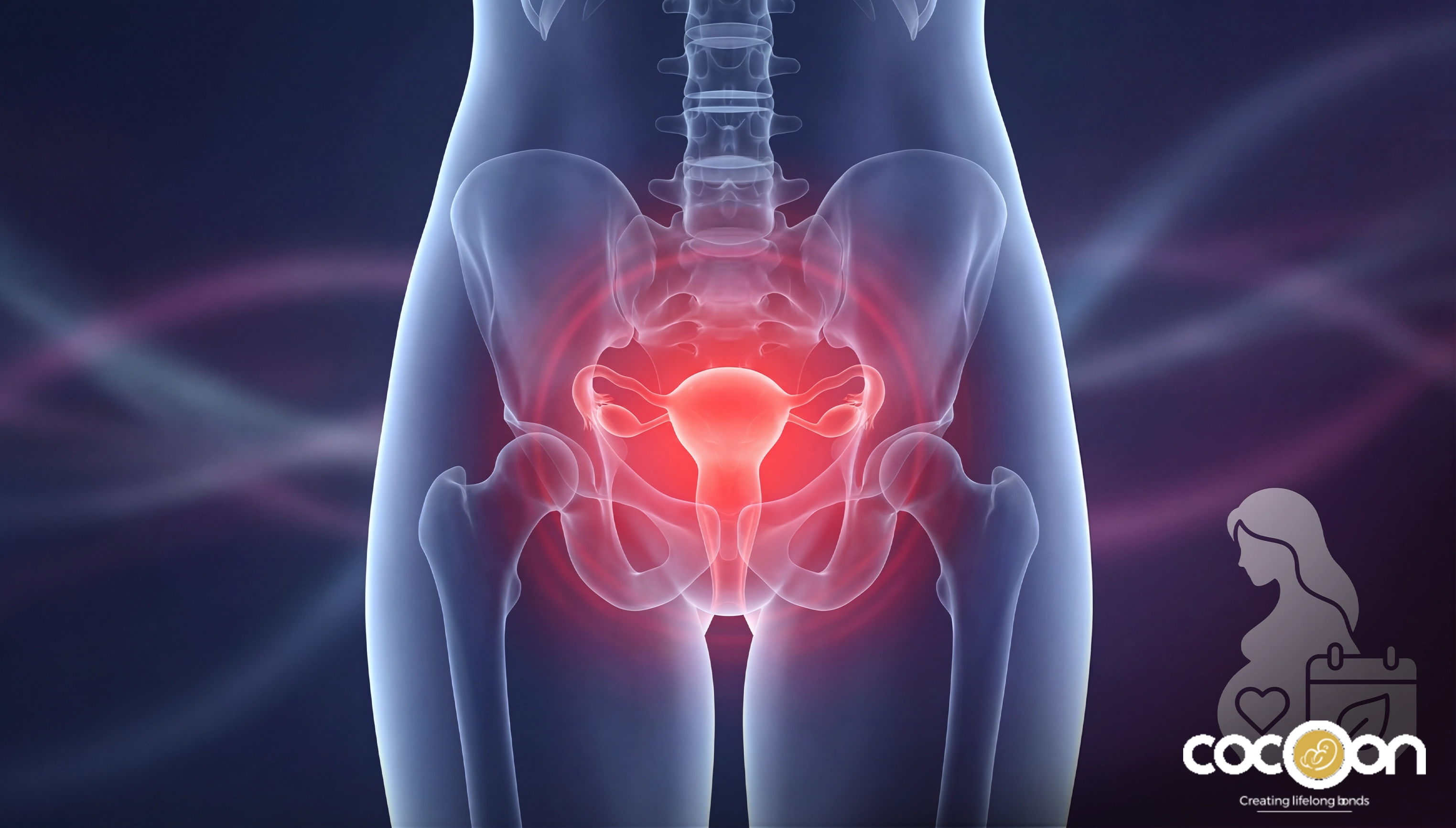
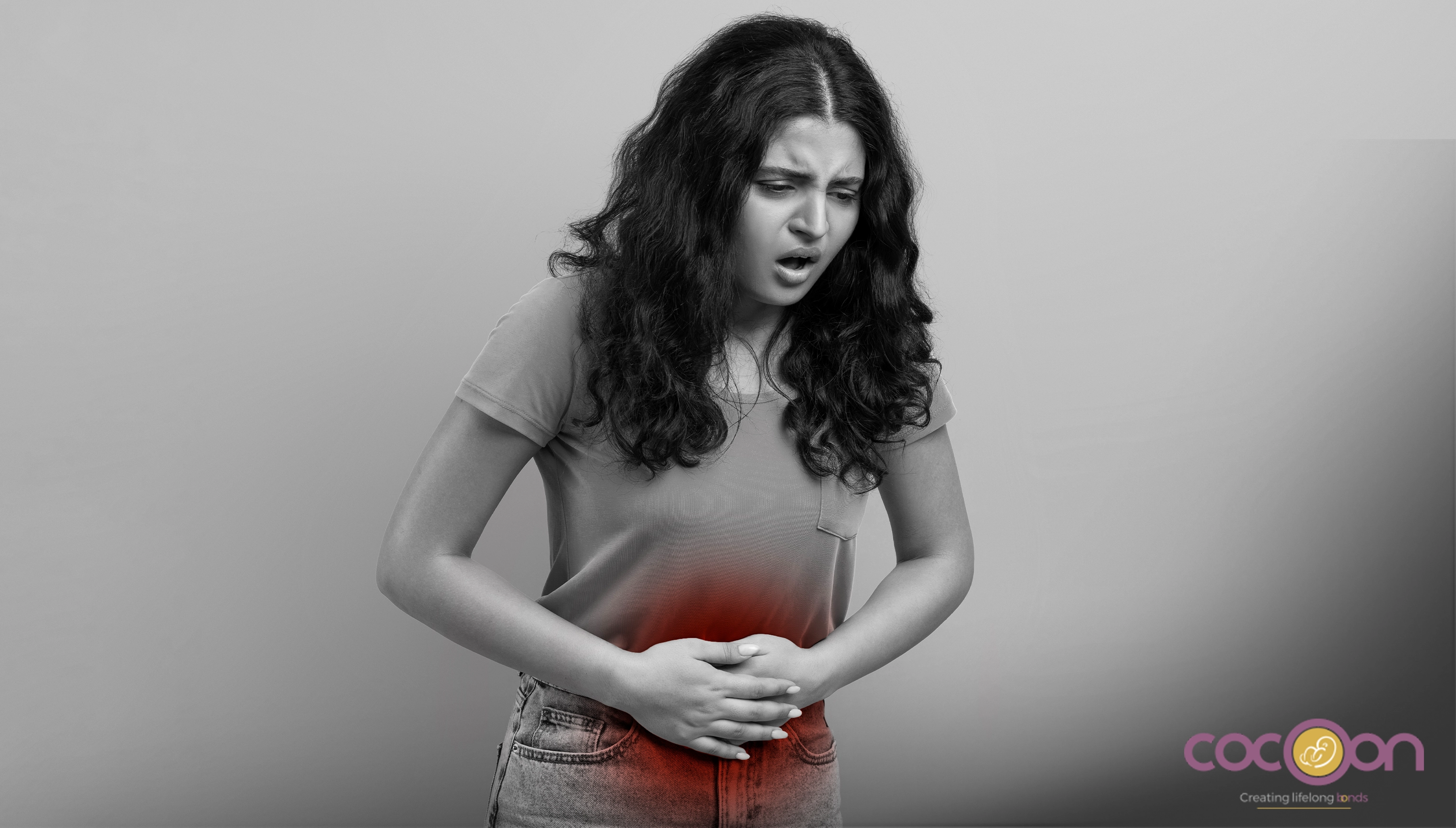
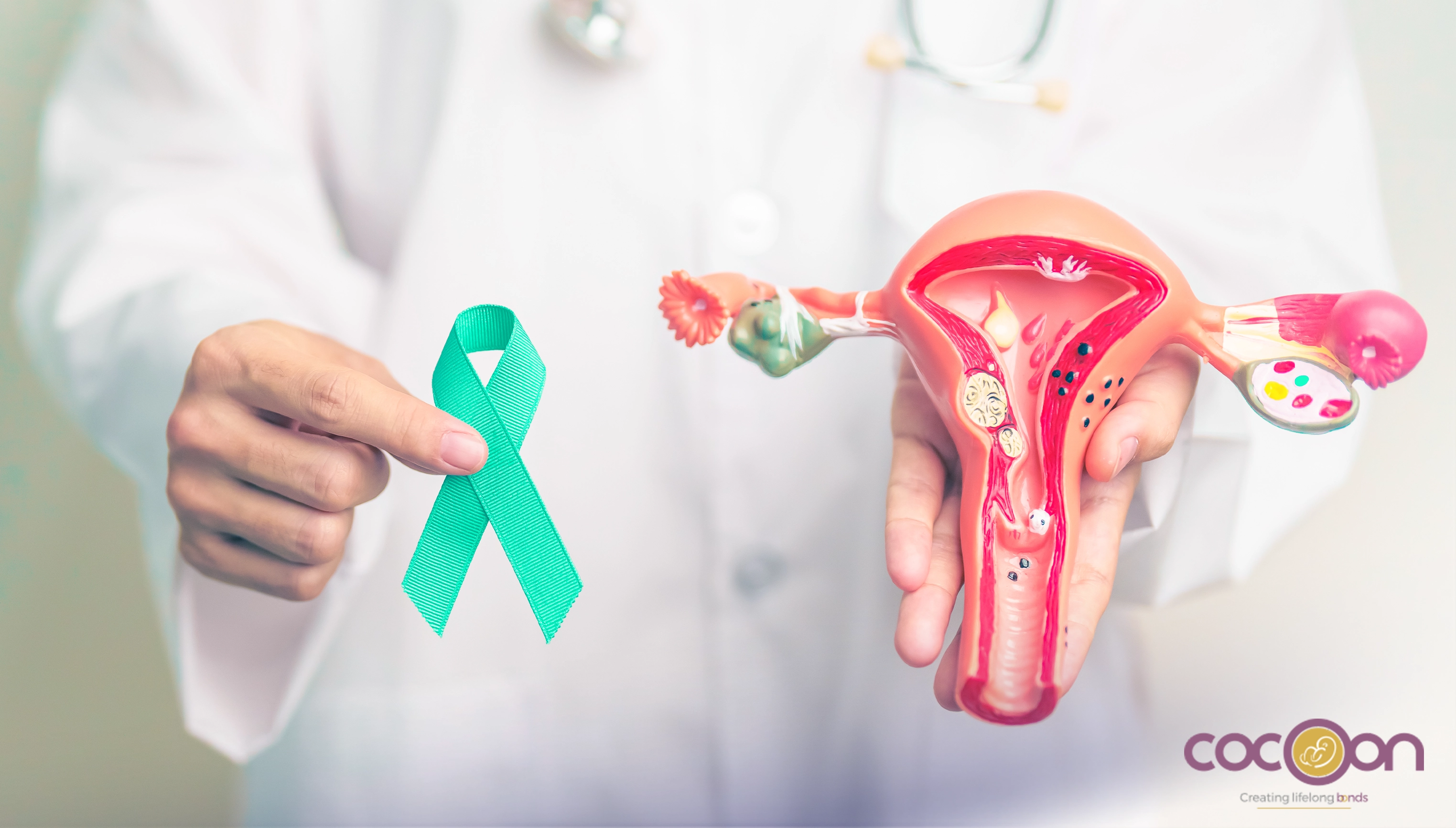
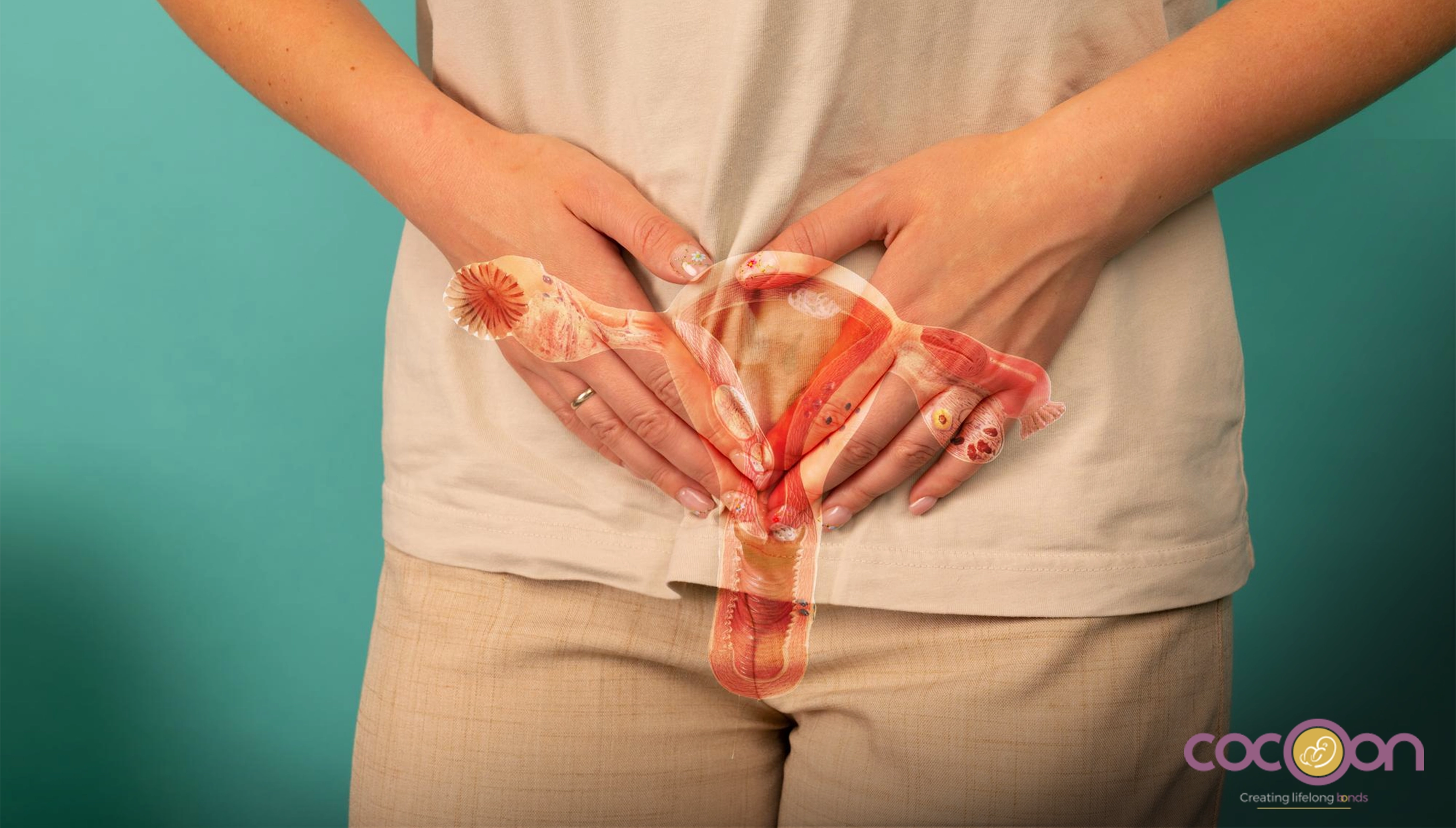
Are you or your loved ones experiencing heavy menstrual bleeding or painful periods, pelvic pain or pressure, frequent urination or trouble urinating, constipation, and lower back or leg pain? These can indicate the presence of uterine fibroids, which are common noncancerous (benign) growths of the uterus.
Small fibroids typically don't require treatment; however, larger fibroids can be treated with medications or surgery. Treatment for fibroids generally depends on your symptoms; therefore, you must consult experts at the best fibroid treatment hospital in Jaipur for the right care.
Uterine fibroid treatment at Cocoon Hospital comes with advanced technology like minimally invasive laparoscopic surgery, radiofrequency ablation (RFA), and uterine fibroid embolization, backed by high‑end imaging and 20+ years of experienced gynecologists and obstetricians. This helps ensure shorter hospital stays and quicker returns to daily activities. You can watch what our experts have to say about fibroid surgery so that you can make an informed choice.
Read Also: Uterine Fibroids: Symptoms, Causes, and Effective Solutions
Signs That You Need Uterine Fibroid Treatment
Uterine fibroids are also called leiomyomas. Many small uterine fibroids are asymptomatic and do not require treatment, allowing for a "watchful waiting" approach with periodic monitoring. Your doctor at Cocoon Hospital may consider treatment when symptoms start affecting your daily life, health, or fertility.
Watch out for these symptoms:
Painful or Heavy Periods
Including excessive bleeding, clots, or pain that can restrict daily activities.
Anemia
It can happen because of blood loss, leading to fatigue or weakness.
Urination Symptoms
Frequent urination, difficulty emptying the bladder, or a feeling of fullness or pressure in the pelvis.
Fertility Problems
If the fibroid size or location is affecting pregnancy. It can also cause recurrent miscarriage.
Rapid Growth
If monitored, fibroids are growing rapidly. This can signal a need for reassessment and a decision on treatment.
Read Also: Myomectomy Vs. Hysterectomy: Which Fibroid Treatment Is Right For You
Diagnosis at Fibroid Treatment Hospital
Whether you require treatment for leiomyomas or not will be based on a detailed diagnosis. That's why gynecologists at Cocoon Hospital order the following tests to guide you towards personalized treatment.
| Key Diagnosis Methods | What It Helps With |
| Pelvic Examination | Checks the uterus (womb) for irregular shapes or enlargement. |
| Transvaginal Ultrasound | An accurate method to view the womb and detect fibroids. |
| Abdominal Ultrasound | Visualize the pelvic organs. |
| MRI (Magnetic Resonance Imaging) | Provide high-resolution images to determine the size, number, and precise location of fibroids. |
| Hysterosonography (Saline Infusion Sonography) | Better visualization of the uterine cavity to detect submucosal fibroids. |
| Hysteroscopy | Uses a camera (which is inserted through the cervix) to view the uterine lining directly. |
| Laparoscopy | Uses a camera (which is inserted through a small abdominal incision) to view the outside of the womb. |
| Blood Tests | Check for iron-deficiency anemia. |
| CT Scan | Used for viewing large fibroids. |
Read Also: Fibroids vs. Cysts: Key Differences and When to Seek Medical Advice
Uterine Fibroid Treatment Options at Jaipur’s Best Hospital
The exact cause of noncancerous fibroid growths is unknown, but experts believe the hormones estrogen and progesterone play a role. Most small fibroids don’t cause any symptoms and don’t demand treatment other than the "watchful waiting" approach by your healthcare provider.
However, if they are large and impact the quality of daily life, fibroids may need non-surgical or surgical treatment based on the symptoms you have.
Non-surgical Treatment
- Watchful waiting for small, asymptomatic fibroids that do not impact daily life.
- Hormonal contraceptives or progestin‑releasing IUDs can help lower heavy periods and cramps.
- GnRH agonists/antagonists to temporarily shrink fibroids and reduce bleeding.
Surgical Treatment
Myomectomy (Fibroid Removal; Uterus is Preserved or Fertility-Preserving)
It can be done through 3 approaches:
- Hysteroscopic Myomectomy: Performed through the vagina and cervix. Ideal for small submucosal fibroids (inside the uterus).
- Laparoscopic or Robotic Myomectomy: Minimally invasive or keyhole surgery, using 3-4 small, 1 cm incisions. Ideal for removing moderate-sized fibroids.
- Abdominal Myomectomy (Laparotomy): A traditional open surgery with a large incision is made in the lower abdomen. It is used for large or multiple fibroids
Hysterectomy (Removal of Uterus)
It is a surgical procedure to remove a woman's uterus (womb), often including the cervix, and sometimes the fallopian tubes and ovaries. A doctor can perform it through approaches such as Laparoscopic (minimally invasive), abdominal (open), and vaginal
It is of 3 types:
- Total Hysterectomy: Removal of the entire uterus (womb) and cervix.
- Subtotal or Partial Hysterectomy: Removal of the upper uterus. It leaves the cervix intact.
- Radical Hysterectomy: Removal of the uterus, cervix, surrounding tissues, and sometimes lymph nodes, generally for cancer.
Cost of Surgical Fibroid Treatment
The cost may vary based on the size, location, and number of fibroids; the type of hospital; and the expertise of the surgeon.
Here is the general cost breakdown:
For Myomectomy (Fertility-Preserving):
| Approach | Approximate Cost Range (INR) |
| Hysteroscopic myomectomy | ₹45,000 – ₹80,000 |
| Laparoscopic or robotic myomectomy | ₹80,000 – ₹1,30,000 |
| Abdominal myomectomy (open) | ₹40,000 – ₹1,20,000 |
For Hysterectomy:
| Approach | Approximate Cost Range (INR) |
| Laparoscopic hysterectomy | ₹80,000 – ₹1,80,000 |
| Abdominal hysterectomy | ₹45,000 – ₹1,20,000 |
| Vaginal hysterectomy | ₹45,000 – ₹80,000 |
Non‑surgical Fibroid Treatment Cost:
| Treatment approach | Approximate Cost Range (INR) |
| Medications (NSAIDs, tranexamic acid, pills, IUD) | ₹500 – ₹3,000 per month |
| Hormonal injections (GnRH agonists/antagonists) | ₹5,000 – ₹15,000 per cycle |
| Uterine fibroid embolization (UFE / UAE) | ₹80,000 – ₹1,50,000 |
Best Hospital Near Me in Jaipur for Fibroid Treatment
Cocoon Hospital is the leading fibroid treatment hospital in Jaipur, combining minimally invasive cutting-edge technology with compassionate care tailored for every woman. Our multidisciplinary team blends clinical expertise with patient-centered care for the optimal clinical outcome.
Here's what sets us apart:
- Women-Centric Focus
- Experienced Surgical Team
- Modern Diagnostic Tools and Laparoscopic Equipment
- Post-Operative Support and Follow-Up Care
- We Have Performed Over 10,000+ Gynecological Surgeries
Ready for the Optimal Fibroid Care?
Speak to our team for expert guidance at 08929816349.
Our Address: Airport Plaza, Tonk Rd, Chandrakala Colony, Mata Colony, Jaipur, Rajasthan
FAQs
Q1: Can you live normally with fibroids?
A: Small fibroids often don’t require treatment; larger fibroids can be treated with medications or surgery. You can live normally after following the right treatment and instructions.
Q2: What size fibroids need surgery?
A:
- Less than 2 cm (Small): There are no symptoms and no need for treatment
- Between 2 and 5 cm (Medium): May cause mild symptoms that can be managed through lifestyle or medication
- More than 5–10 cm (Large): Can impact daily life due to symptoms, and doctors can recommend surgery (myomectomy or hysterectomy)
Q3: What is the recovery time from fibroid surgery?
A: The recovery depends mainly on the type of procedure, the severity of the condition, and overall health.
- Hysteroscopic myomectomy: a few days.
- Laparoscopic or robotic myomectomy: 2–3 months.
- Abdominal (open) myomectomy or hysterectomy: up to 6–8 weeks or longer.
- People can perform normal activities in 2–4 weeks.
Disclaimer: This content is for informational use only. For any health-related concern, listen to your doctor’s advice and follow it.