 08929816349

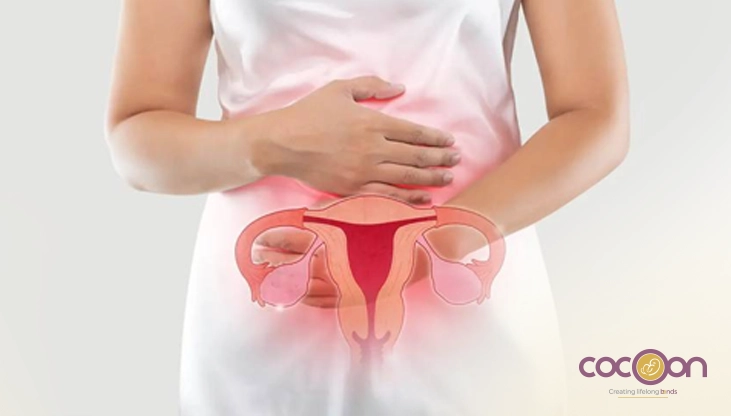
Menstrual irregularities mean any deviations from your normal pattern of menstrual cycles, which generally last between 21 and 35 days and last for 2 to 7 days. Irregular periods might not be anything to worry about because some variation in menstruation is normal.
However, if your menstrual cycle varies by more than 9 days between cycles, or if periods last longer than 7 days, or if you experience unusual symptoms like severe pain or very heavy bleeding, it is wise to consult a doctor.
Types of Menstrual Irregularities
Here are some types of irregular periods:
- Amenorrhea: No menstrual period for 3 or more months.
- Oligomenorrhea: Infrequent periods, coming more than 35 days apart.
- Polymenorrhea: Frequent periods, coming less than 21 days apart.
- Menorrhagia: Excessively heavy or prolonged bleeding. This may involve passing large clots.
- Hypomenorrhea: Very light menstrual flow.
- Dysmenorrhea: Severe pain or cramping.
- Metrorrhagia: Unexpected bleeding between menstrual periods.
- Menometrorrhagia: Unusually heavy and irregular bleeding.
Are Menstrual Irregularities Something to Worry About?
Minor fluctuations in your periods are normal; however, if the fluctuations persist, then you should consult a doctor to rule out any potential health concerns.
Persistent Abnormal Periods Can Indicate Which Condition
These may sometimes indicate the following underlying health issues; however, only your doctor will diagnose the exact issue after proper analysis.
1. Polycystic Ovary Syndrome (PCOS)
PCOS can cause hormone levels to go off track. This can lead to irregular or missed periods due to the ovaries not releasing eggs regularly.
2. Uterine Fibroids (Noncancerous Growths in the Uterus)
These non-cancerous growths enlarge the surface area of the uterine lining, causing heavy bleeding and long periods.
3. Endometrial Polyps
The small growths on the lining of the uterus can interfere with the shedding of the uterine lining. This can cause irregular, heavy, or prolonged bleeding.
4. Adenomyosis
This can occur when the lining of the uterus grows into the muscle wall, causing your uterus to enlarge, leading to heavy and painful periods.
5. Overactive or Underactive Thyroid Gland
These types of thyroid gland disorders can disrupt hormones that regulate the menstrual cycle. This leads to irregular menstrual cycles and can affect fertility.
6. Issues in Hormonal Balance
Imbalances between estrogen and progesterone can interfere with ovulation and the buildup of the uterine lining. This might cause the uterine lining to grow too much or not enough, leading to irregular bleeding.
7. Asherman’s Syndrome
Scar tissue (adhesions) inside the uterus can prevent the uterine lining (endometrium) from thickening properly and block menstrual flow. This can cause very light periods, irregular bleeding, and pelvic pain or cramping.
8. Bleeding Disorders (von Willebrand Disease)
Blood lacks a specific protein, von Willebrand factor, that helps it clot. Without this protein, blood conditions do not clot adequately, causing heavy or prolonged periods.
9. Pregnancy Complications
Miscarriage, ectopic pregnancy, or other pregnancy-related issues can cause a sudden change in hormones, leading to irregular bleeding.
10. Ongoing Medications
If you are taking some drugs, including certain birth control or blood thinners, then these may cause menstrual irregularities.
Lifestyle Factors and Irregular Periods
Here are some lifestyle factors that can also contribute to irregularities in the menstrual cycle:
- Stress
- Gaining or losing an extreme amount of weight
- Exercise routines that result in very low body fat, such as those of long-distance runners, dancers, or gymnasts
- Viruses or other illnesses
When to Consult a Doctor?
Even if the irregular periods seem harmless to know, you should consult the best doctor or gynecologist, like one in the Cocoon Hospital, to detect any health issues early and the right treatment or management.
If you are experiencing the following symptoms during or between periods, schedule a visit with a healthcare professional:
- Severe pain or cramping
- Very heavy bleeding (soaking a pad every hour for 2-3 hours)
- Periods that last for longer than 7 days
- Bleeding between periods or after intimate
- Missed periods for three or more months consecutively (if not pregnant)
- Sudden, unexplained changes in the pattern of your menstrual cycle
- Unusual vaginal discharge, particularly if it is foul-smelling
- Symptoms such as dizziness, fatigue, unexplained changes in weight, or hair loss
- Bleeding after menopause
- Difficulty conceiving
- Nausea or vomiting during the period
What Your Doctor May Ask?
Your doctor may ask:
- Medical history
- Any pre-existing or ongoing health conditions
- Lifestyle factors such as high stress, recent weight changes, or excessive exercise
To diagnose irregular periods, the healthcare professional can order certain tests, like
- Pelvic ultrasound: to check for uterine fibroids, polyps, or an ovarian cyst.
- Endometrial biopsy: to check for endometriosis, hormonal imbalances, or precancerous cells.
- Hysteroscopy: used to diagnose and treat certain causes of abnormal bleeding.
Management and Treatment for Menstrual Irregularities
After the proper diagnosis, the healthcare professional can curate a personalized treatment for you.
1. Lifestyle Adjustments
- Managing stress
- Maintaining a healthy weight
- Eating a balanced diet
- 7 to 8 hours of sleep
- Tracking the menstrual cycle or patterns
2. Medical Treatment
- Oral contraceptives, patches, rings, or hormonal IUDs
- Other medications
3. Surgical Procedure
- Endometrial ablation
- Myomectomy
- Hysterectomy
- Ovarian drilling
- Fertility treatments (If infertility is a concern)
Conclusion
An improper menstrual cycle not only affects physical and mental health but also lowers the quality of life. Hormonal imbalances associated with menstrual irregularities may lead to mood swings, anxiety, and depression. Hence, it’s important to take all the necessary preventive steps and consult a doctor early to manage and navigate these conditions effectively.
Ready to improve your menstrual health? Contact Cocoon Hospital, For the past 12 years has been the trusted destination for mothers and children in Jaipur, offering exceptional gynecological care and expertise.
Services we offer:
Wellness Program
Luxury Birthing
Neonatology
Gynae Surgery
Stem Cell Preservation
Contact us:
Phone no: 08929816349
Email: contactjpr@cocoon.co.in
Our address: Airport Plaza, Tonk Rd, Chandrakala Colony, Mata colony, Jaipur, Rajasthan