 08929816349
Have you missed your period for more than three months Or might you be year 15 still waiting for your first menstrual cycle? These are the two scenarios many women are experiencing today.
Missing a period once in a while is not always concerning, but when periods disappear for months, your body might be trying to bring you attention to something important.
'Amenorrhoea' is the medical term used for the absence of menstruation, often defined as missing one or more menstrual periods. There are two kinds of amenorrhoea: primary and secondary. Primary amenorrhoea is when an individual older than 15 has never gotten their 1st period. Secondary amenorrhoea is when an individual doesn’t get a period for more than 3 months.
Other than pregnancy, amenorrhea can occur for a variety of reasons such as hormonal imbalances, stress, excessive exercise, certain medications, medical conditions, and nutritional deficiencies.
The good news? Under the right professional guidance, amenorrhoea is treatable after identifying and addressing the root cause. Read this blog to have a comprehensive understanding of unusually missed periods.
What Is Amenorrhea?
Amenorrhea is when you don’t get your menstrual period. It is not a disease, but rather a symptom indicating that something is affecting your reproductive health or hormonal system.
There are two main types of amenorrhea:
1. Primary Amenorrhea
When a person older than 15 has never got their first period.
Common causes may include:
- Genetic conditions
- Hormonal disorders
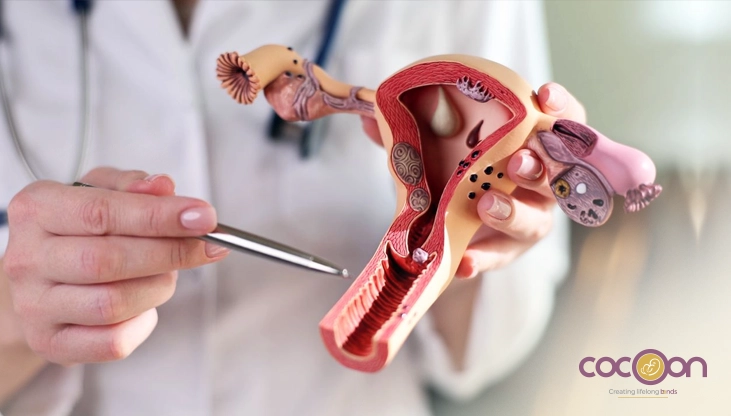
- Reproductive tract abnormalities
2. Secondary Amenorrhea
It happens when a person has not got their period for more than three months.
Common causes may include:
- Pregnancy
- PMOS (Polyendocrine Metabolic Ovarian Syndrome)
- Thyroid disorders
- Stress
- Weight changes
- Medications
How You Get Your Monthly Menstrual Cycle
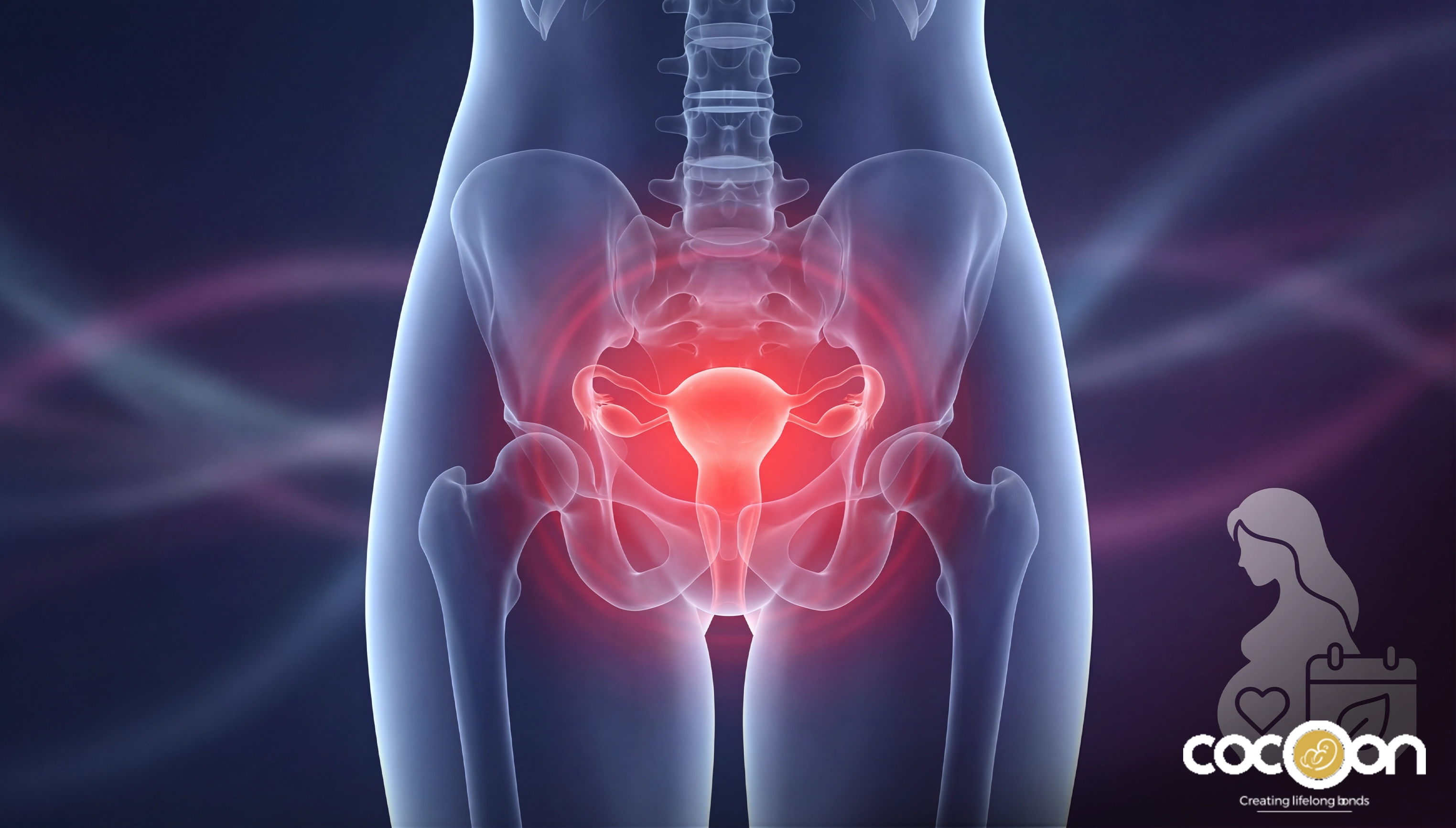
Your brain (hypothalamus and pituitary gland) gives hormonal signals to your ovaries (small glands located on either side of your uterus) to release an egg. Thereafter, ovaries make the hormones oestrogen and progesterone, which prepare the uterus for pregnancy. Each cycle, one of your ovaries releases an egg (ovulation).
If pregnancy doesn't happen, hormone levels fall, and the uterine lining sheds as your monthly period.
When any part of this system does not work properly, absent menstruation can occur.
What Causes Amenorrhea?
The causes of primary and secondary amenorrhea differ from each other.
Here are some of the common causes:
Natural Causes
These include:
- Pregnancy
- Breastfeeding
- Menopause
- Recovery after stopping certain birth control methods
Lifestyle Factors
These include:
- Low body weight
- Obesity
- Long-term emotional stress
- Poor nutrition
- Over-exercising
Hormonal Disorders
These include:
- PMOS
- Thyroid malfunction
- Pituitary tumor
- Premature menopause
Structural Problems
Examples include:
- Uterine scarring
- Lack of reproductive organs
- Structural abnormality of the vagina
Medications
Several medications may contribute to amenorrhea, including:
- Antipsychotics
- Cancer chemotherapy
- Antidepressants
- Blood pressure drugs
- Allergy medications
Quick Recap of Causes:
| Cause | Can It Be Treated? |
| Pregnancy | No treatment required |
| Breastfeeding | Usually temporary |
| PMOS | Yes |
| Thyroid disorders | Yes |
| Stress | Yes |
| Low body weight | Yes |
| Excessive exercise | Yes |
| Premature ovarian insufficiency | Managed rather than cured |
| Pituitary disorders | Often treatable |
| Structural abnormalities | Sometimes needs surgery |
What Are the First Signs of Amenorrhea?
For secondary amenorrhoea, missed periods or absent menstruation for more than three months is the most obvious sign.
Depending on the root cause, you may also notice the following symptoms:
- Hot flashes
- Nipples leaking milk
- Vaginal dryness
- Headaches
- Vision changes
- Acne
- Excess hair growth on the face and body
- Hair thinning
- Difficulty becoming pregnant
When Should You See a Gynaecologist?
Ignoring persistent missed periods is never a good idea. Consult your doctor if following is the scenario:
- You've missed 3 or more periods in a row.
- You’re older than 15 and haven’t gotten your first period
- You're not pregnant but suddenly stop having periods.
- Experiencing severe pelvic pain.
- Absent menstruation followed by vision problems or headaches.
- Milk leaks from the breasts without pregnancy.
Your doctor may recommend following tests for a complete evaluation:
- Pregnancy test
- Blood tests for hormone levels
- Thyroid function tests
- Prolactin testing
- Genetic testing (if you have primary ovarian insufficiency)
- Ultrasound of the uterus and ovaries
- MRI of the pituitary gland (if required)
- Genetic testing in selected cases
- Pelvic examination
How Is Amenorrhea Treated?
Amenorrhea is generally the sign of a treatable condition.
The best treatment for amenorrhea depends on the root cause.
Your treatment plan may include:
- Lifestyle changes
- Hormonal treatment
- Managing underlying medical conditions
- Surgery (for uterine scar tissue, blocked reproductive tract, certain tumors and structural abnormalities)
Quick Recap of Treatment Options:
| Cause | Possible Amenorrhea Treatment |
| Stress | Stress reduction, counseling |
| Low weight | Nutritional rehabilitation |
| PMOS | Lifestyle changes, hormonal medications |
| Thyroid disease | Thyroid medication |
| Pituitary tumor | Medication or surgery |
| Structural abnormalities | Surgical correction |
Frequently Asked Questions
Can I still get pregnant with amenorrhea?
Yes, you can still get pregnant even if you do not have missed periods or absent menstruation.
Is amenorrhea a serious problem?
Amenorrhea is not a disease but a symptom linked to an underlying, treatable problem. If ignored, it can increase the risk of bone loss and fertility problems. Sometimes it can be a sign of a serious issue.
Can you recover from amenorrhea?
Yes, by following your doctor’s advice, missed periods or absent menstruation is reversible.
Conclusion
Amenorrhea isn't simply about missing your periods, but also an indicator that your body needs your attention.
Therefore, if you have been experiencing persistent missed periods, consult your doctor for the timely diagnosis and appropriate amenorrhoea treatment.