 08929816349

Have your periods suddenly become unbearable? Or are you noticing unusual discharge and experiencing pelvic pain that affects your daily routine? If yes, then do not ignore these symptoms, because your body may be asking for medical attention.
Many women postpone visiting a gynecologist because they assume symptoms like bleeding between periods, debilitating cramps, unusual discharge or odor, etc. are “normal” or temporary.
But in reality, these symptoms can indicate underlying reproductive health conditions and early diagnosis can prevent them from developing into serious complications later.
Hence, if you are experiencing any of these unexplained symptoms, consult a trusted gynecologist in Jaipur without delay to protect your long-term health.
Read this guide to know:
- the top 10 warning signs you should never ignore
- when symptoms become serious
- how a women’s health specialist can help you get the right treatment before problems become complicated
Why Women Often Ignore Gynecological Symptoms
Because of the age-old conditioning.
Most women are taught to tolerate discomfort.
They get a generic reply for their real concerns:
- Heavy periods? “Normal.”
- Pelvic pain? “It happens.”
- Irregular cycles? “Stress.”
But your reproductive system works like your body’s internal warning system. Small changes may often indicate bigger hormonal, structural, or infectious issues developing silently.
Ignoring symptoms can lead to:
- Chronic pelvic pain
- Severe anemia
- Fertility complications
- Hormonal disorders
- Advanced infections
- Surgical complications later
That’s why timely consultation with a female gynecologist in Jaipur is crucial.
Top 10 Signs You Need to Visit a Gynecologist Immediately
Here are the symptoms that you need to be aware of:
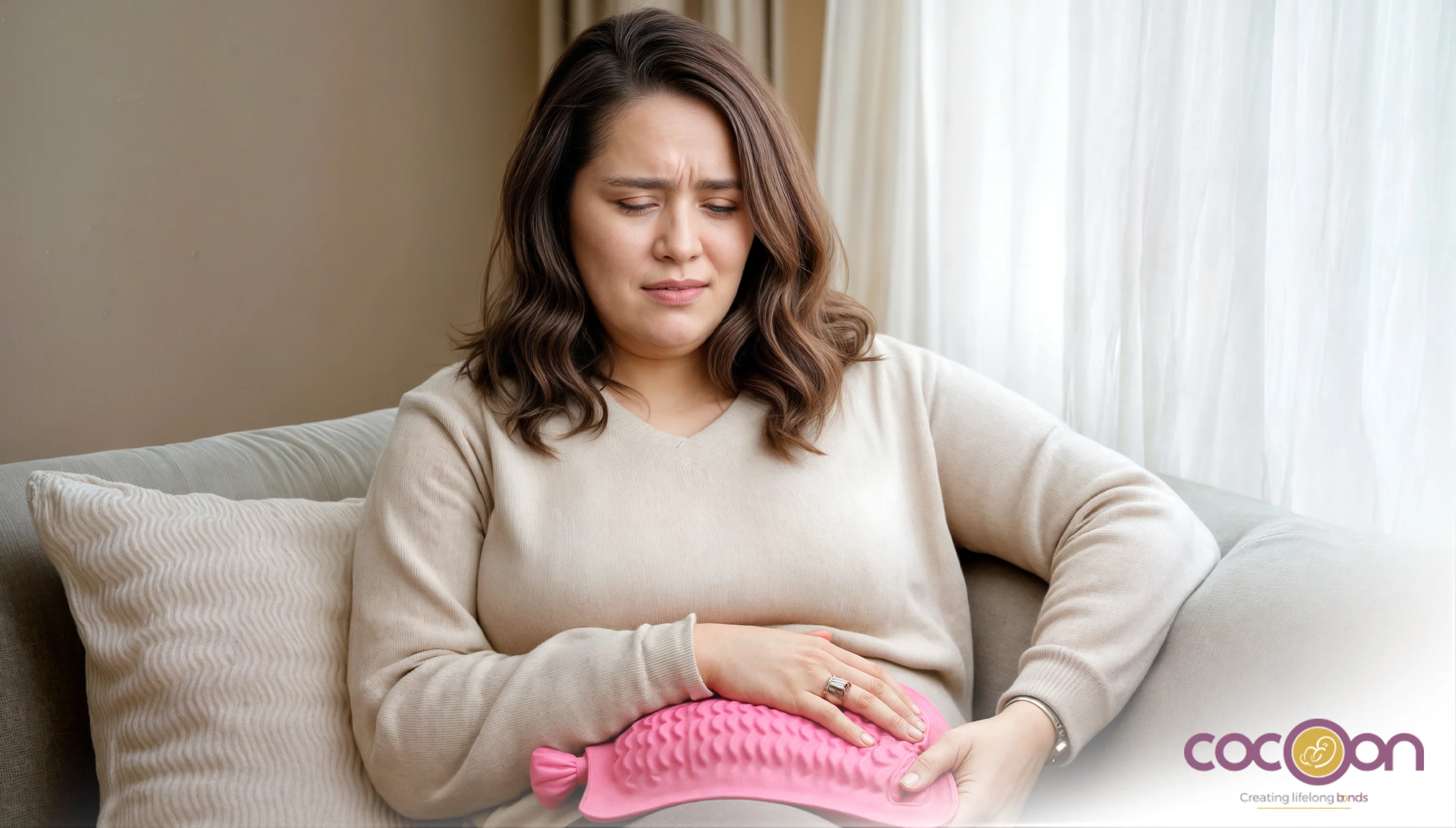
1. Extremely Painful Periods
Mild cramps are common.
But if your pain:
- Forces you to miss work or college
- Doesn’t improve with medication
- Starts before your period begins
- Continues after periods end
…it could indicate:
- Endometriosis
- Fibroids
- Adenomyosis
- Pelvic inflammatory disease
Pain is not something your body creates without reason.
A qualified obstetrician can identify the exact cause through ultrasound, hormonal testing, or laparoscopy if required.
2. Heavy Bleeding During Periods
Heavy bleeding is one of the most ignored gynecological symptoms.
If you are:
- Changing pads every 1–2 hours
- Passing large blood clots
- Bleeding longer than 7 days
- Feeling dizzy or weak during periods
you should not delay consultation.
Heavy bleeding may lead to severe iron deficiency anemia and could signal uterine fibroids, hormonal imbalance, or polyps.
Normal vs Concerning Menstrual Symptoms
| Symptom | Usually Normal | Requires Gynecologist Visit |
| Period Duration | 3–7 days | More than 7 days |
| Cramping | Mild to moderate | Severe disabling pain |
| Bleeding | Pad change every 4–6 hours | Pad soaking every 1–2 hours |
| Clots | Small occasional clots | Frequent large clots |
| Cycle Regularity | Minor monthly variation | Missing periods repeatedly |
3. Bleeding Between Periods
Spotting once due to stress or hormonal changes may not be dangerous.
But frequent bleeding between cycles can indicate:
- Hormonal imbalance
- Cervical infections
- PCOS
- Uterine polyps
- Thyroid disorders
- Early reproductive cancers
If bleeding becomes frequent, schedule an appointment with a gynecologist in Jaipur immediately.
4. Unusual Vaginal Discharge or Odor
Vaginal discharge naturally changes during ovulation and hormonal cycles.
However, discharge needs medical evaluation if it becomes:
- Yellow or green
- Thick like cottage cheese
- Foul smelling
- Accompanied by itching or burning
These symptoms often point toward:
- Yeast infection
- Bacterial vaginosis
- Sexually transmitted infections (STIs)
Note: Self-medication may temporarily suppress symptoms while the infection spreads internally. A women’s health specialist can diagnose the exact infection and provide proper treatment.
5. Persistent Pelvic Pain
Pelvic discomfort that continues for weeks should never be ignored.
Pain may feel like:
- Pressure in the lower abdomen
- Sharp one-sided pain
- Dull heaviness
- Pain during movement or exercise
Common causes include:
Ovarian cysts
- Fibroids
- Endometriosis
- Pelvic infections
- Urinary tract issues
Early diagnosis prevents long-term reproductive complications.
6. Pain During Intercourse
Pain during intimacy is not “psychological” or “normal after marriage.”
This symptom may indicate:
- Vaginal infections
- Endometriosis
- Hormonal dryness
- Pelvic inflammatory disease
- Ovarian conditions
Many women avoid discussing this issue due to embarrassment. But consulting a female gynecologist can help identify the root cause comfortably and confidentially.
7. Irregular or Missed Periods
Your menstrual cycle reflects hormonal health.
If your cycles:
- Stop suddenly
- Become highly irregular
- Occur too frequently
- Stay absent for months
you may have:
- PCOS
- Thyroid imbalance
- Excess stress hormones
- Premature ovarian insufficiency
Hormonal conditions affect fertility, metabolism, skin, mood, and long-term health if untreated.
8. Difficulty Getting Pregnant
If you have been trying to conceive for:
- 12 months (below age 35)
- 6 months (above age 35)
…it is time to consult an obstetrician or fertility specialist.
Fertility issues may involve:
- Ovulation problems
- PCOS
- Low ovarian reserve
- Endometriosis
- Blocked fallopian tubes
- Male fertility factors
Modern fertility evaluation helps identify problems early instead of wasting years waiting.
9. Frequent Urinary Infections or Vaginal Itching
Repeated UTIs are not always “just infections.”
Frequent symptoms may indicate:
- Hormonal changes
- Vaginal imbalance
- Diabetes
- Pelvic floor disorders
- Chronic infections
Symptoms That Need Immediate vs Routine Gynecological Attention
| Symptom Type | Urgency Level | Recommended Action |
| Sudden severe pelvic pain | Emergency | Immediate hospital visit |
| Bleeding after menopause | Emergency | Urgent gynecologist consultation |
| Heavy bleeding with dizziness | Urgent | Visit within 24–48 hours |
| Recurrent discharge/itching | Moderate | Book appointment soon |
| Mild PMS symptoms | Routine | Discuss during annual checkup |
| Fertility concerns | Planned consultation | Schedule specialist evaluation |
Persistent itching or burning should always be medically evaluated rather than repeatedly treated with over-the-counter creams.
10. Menopause Symptoms Affecting Daily Life
Menopause is natural, but severe symptoms deserve treatment.
Consult a gynecologist if you experience:
- Severe hot flashes
- Mood swings
- Sleep disturbances
- Vaginal dryness
- Low energy
- Irregular bleeding after age 45
A women’s health specialist can help manage symptoms through:
- Hormonal therapy
- Lifestyle guidance
- Nutritional support
- Bone health screening
Menopause management is about improving quality of life, not just “waiting it out.”
When Should You Visit a Gynecologist in Jaipur Immediately?
You should seek urgent medical care if you experience:
- Sudden unbearable pelvic pain
- Excessive uncontrolled bleeding
- Bleeding after menopause
- Fever with pelvic pain
- Severe vaginal infection symptoms
- Fainting or dizziness during periods
Early intervention often prevents surgery and protects fertility.
How to Choose the Right Gynecologist in Jaipur
Choosing the right doctor matters as much as seeking treatment itself.
Look for:
- Experience in reproductive health
- Good patient communication
- Modern diagnostic facilities
- Specialization in fertility, PCOS, or laparoscopy if needed
- Comfortable consultation environment
Many women prefer the best female gynecologist in Jaipur like those at Cocoon Hospital for discussing sensitive concerns more openly.
Why Preventive Gynecological Checkups Matter
Even without symptoms, annual visits are important.
Regular checkups help detect:
- Cervical cancer
- Breast abnormalities
- Hormonal disorders
- Ovarian cysts
- Early infections
Preventive care is always simpler and less expensive than advanced treatment later.
Conclusion
Always remember, your body rarely sends warning signs without reason.
Painful periods, abnormal bleeding, pelvic discomfort, or unusual discharge are not problems you should normalize or postpone. Most gynecological conditions become easier to treat when diagnosed early.
If you notice any of these symptoms, consult a trusted gynecologist in Jaipur as soon as possible. Early care protects not only your reproductive health but also your long-term physical and emotional well-being.
The best healthcare decisions are usually the ones made before a condition becomes severe.
Are you looking for the best gynecologist in Jaipur?
Contact Cocoon Hospital, a trusted name in women’s healthcare for the past 13+ years, to receive personalized gynecological care and expert medical support. With 10,000+ successful gynecological surgeries performed and a 4.7-star rating from 3,309 Google reviews, Cocoon Hospital has established itself as a leading center for women’s health and maternity care in Jaipur.
Call us today at 08929816349 to book your consultation with an experienced gynecologist.
Meet Our Experts:
- Dr. Himani Sharma: 25 years of experience
- Dr. Priya Gupta: Over 22 years of experience
- Dr. Mitul Gupta: 24 years of experience
- Dr. Asha Susawat: 11 years of experience
- Dr. Adarsh Bhargava: 50 years of experience
- Dr. Anupama Gangwal: Over 30 years of experience
- Dr. Fiyonika Porwal: 10 years of experience
- Dr. Nisha Mangal: Over 15 years of experience
Disclaimer: The blog is for informational use only; it is not intended to replace professional guidance.
FAQs
Q1. When should I see a gynecologist for irregular periods?
A: You should consult a gynecologist if your cycles are repeatedly irregular, absent for months, unusually heavy, or associated with severe pain.
Q2. Are painful periods always a sign of a problem?
A: Not always, but severe pain affecting daily life may indicate endometriosis, fibroids, or hormonal conditions requiring treatment.
Q3. Can vaginal discharge be normal?
A: Yes, clear or white discharge without odor or itching is usually normal. Changes in smell, color, or texture need evaluation.
Q4. How often should women visit a gynecologist?
A: Most women should schedule annual gynecological checkups even if no symptoms are present.
Q5. Can hormonal imbalance affect fertility?
A: Yes. Conditions like PCOS and thyroid disorders can disrupt ovulation and reduce fertility if left untreated.