 08929816349
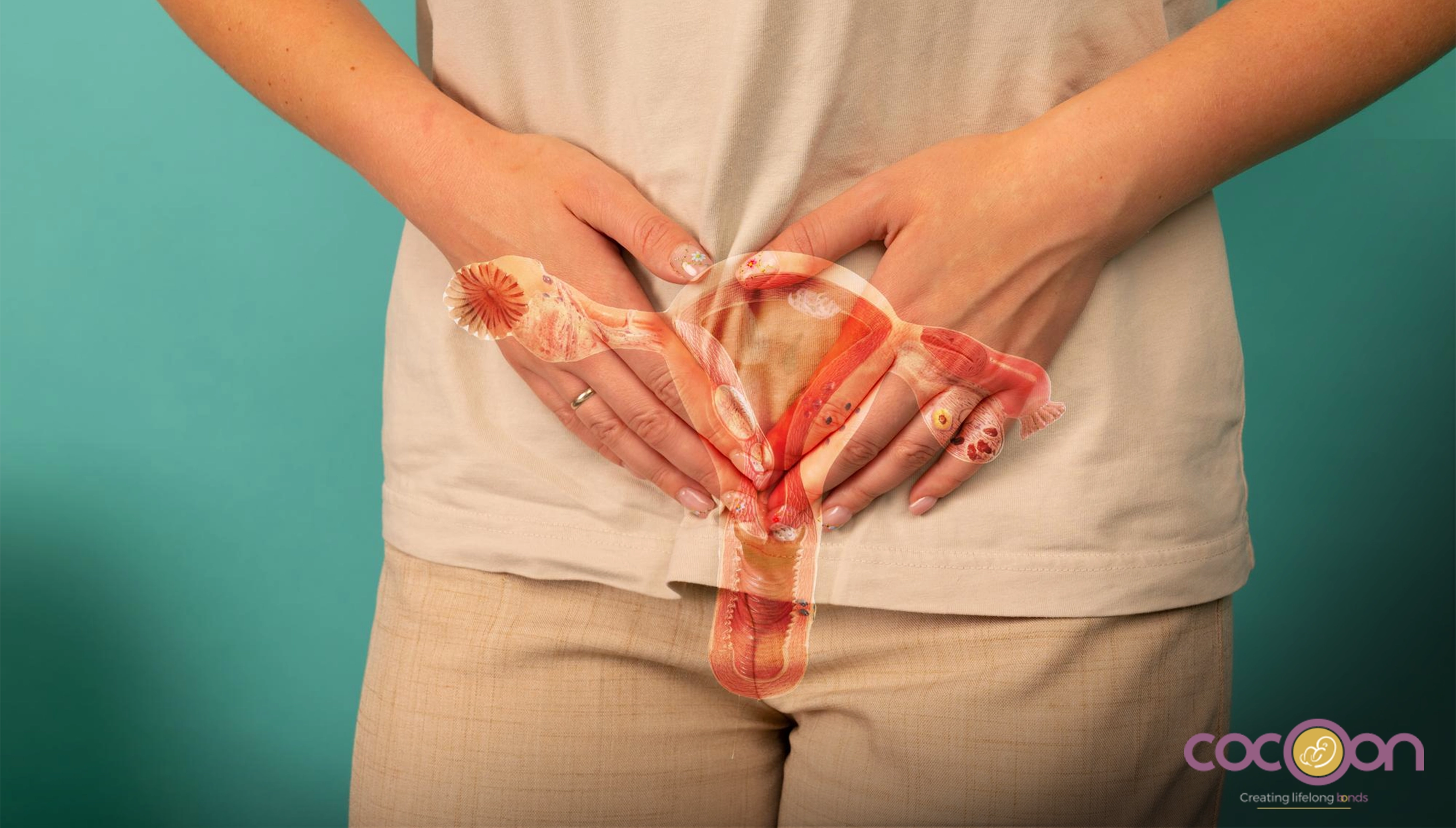
If you’ve recently searched for “what is PCOS” or noticed healthcare professionals using the term PMOS, you’re not alone. A major global medical update has officially changed the name of PCOS to PMOS, and it’s creating a lot of discussion in women’s health, such as:
- Why is PCOS now called PMOS?
- What does PMOS mean?
- Is PMOS a new disease?
And what is the real difference between PMOS and PCOS?
Let’s break it down in the simplest way possible through an example.
Imagine calling diabetes simply a “sugar problem.” While blood sugar is part of it, the condition actually affects energy, hormones, metabolism, heart health, nerves, and many other systems in the body. In the same way, PCOS was named mainly around ovaries and cysts, even though the condition impacts hormones, metabolism, weight, skin, fertility, mood, and overall health.
That’s why doctors are now using the term PMOS.
Read Also: PCOD and PCOS: Symptoms, Causes, Differences & Treatment
PMOS Meaning and Full Form
The PMOS full form is:
Polyendocrine Metabolic Ovarian Syndrome
Earlier, the condition was called PCOS, which stood for: Polycystic Ovary Syndrome
The new name better explains what the condition actually does inside the body.
Why the Name Changed
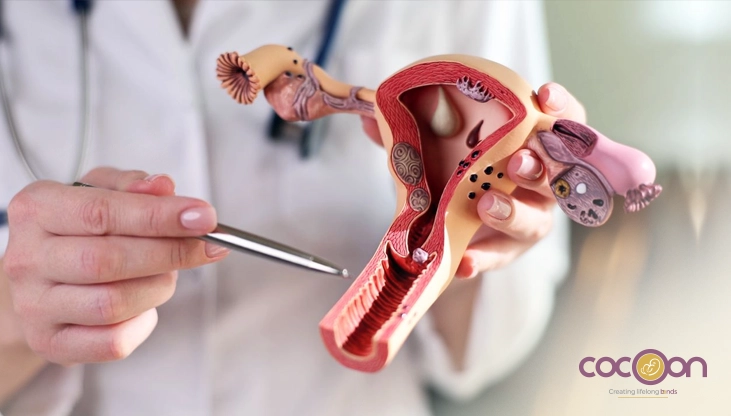
For years, many women believed PCOS only meant “cysts in the ovaries.” But doctors found that many women with PCOS don’t even have ovarian cysts. At the same time, the condition affects multiple hormone systems and metabolism.
So experts from around the world decided the old name was misleading.
The term "PCOS," renamed "PMOS," is now being adopted globally because it reflects the following:
- Hormonal imbalance
- Metabolic problems
- Ovarian dysfunction
- Insulin resistance
- Fertility challenges
In short, PMOS meaning goes beyond ovaries. This latest name now describes how it impacts your whole body.
Read Also: Ovarian Cysts: What Causes Them & How To Manage Symptoms
What is PMOS?
If you’re wondering what PMOS is, here’s the simplest explanation:
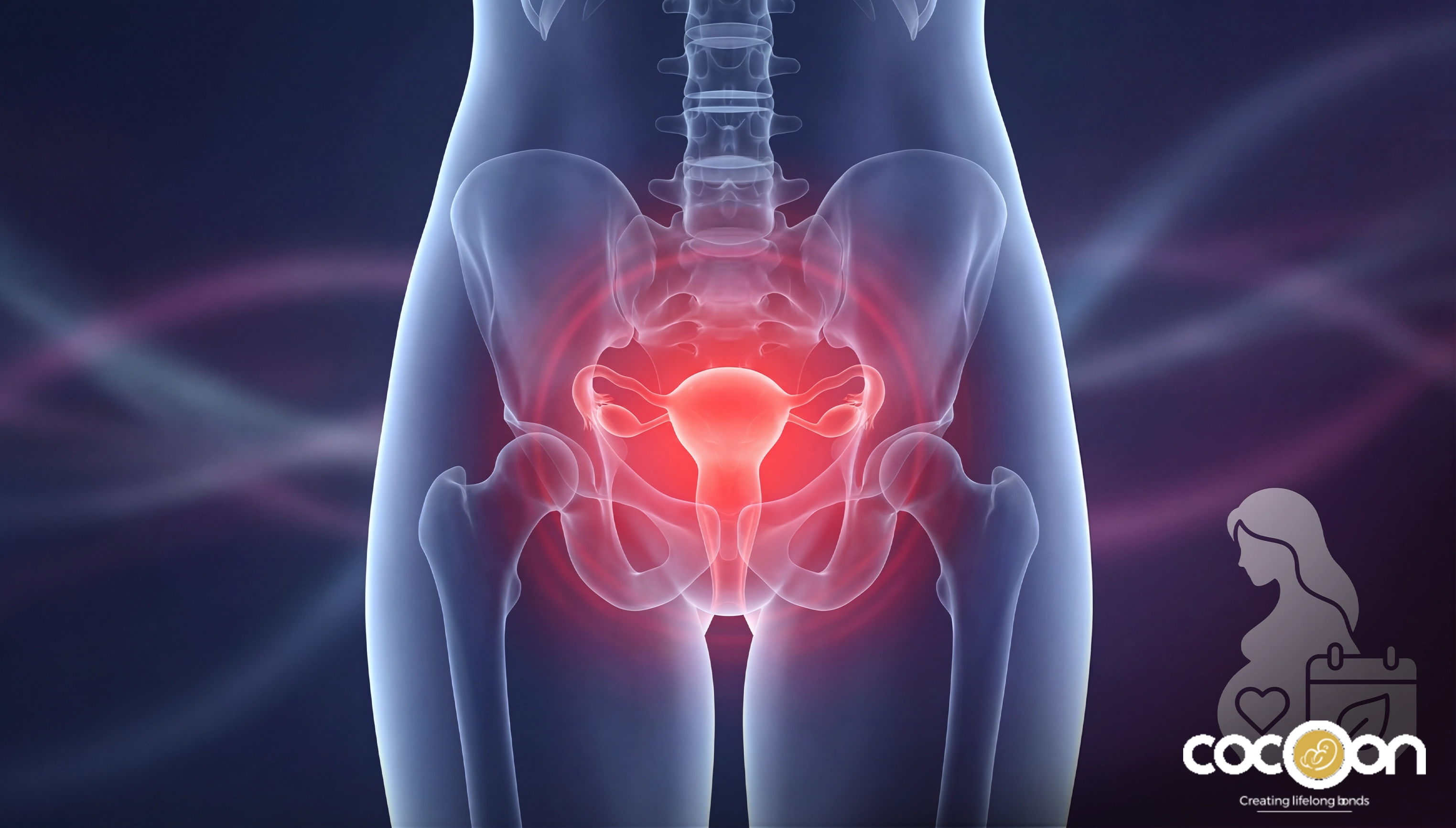
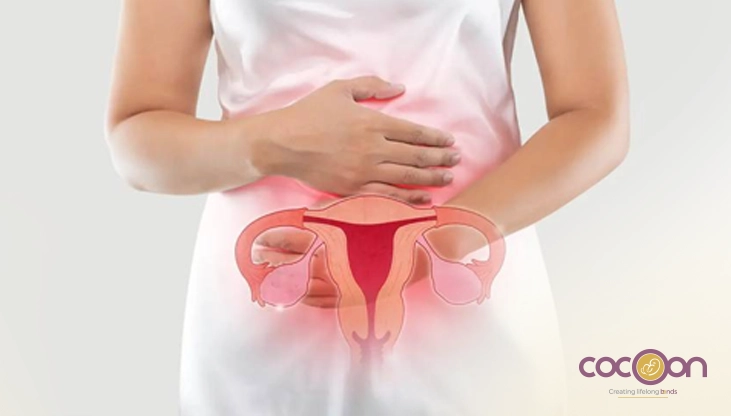
PMOS is a hormonal and metabolic disorder that affects how a woman’s body manages hormones, ovulation, insulin, and metabolism.
It can affect:
- Menstrual cycles
- Weight
- Skin and hair
- Fertility
- Mood
- Blood sugar levels
- Heart health
Doctors now describe it as a PMOS hormonal disorder because it involves several hormone systems working out of sync.
Think of your body as an orchestra. Hormones are the musicians. In PMOS, the musicians are playing different songs at the same time. The result? Chaos inside the body.
PMOS vs. PCOS: What’s the Difference?
Here’s the important thing:
PMOS and PCOS are essentially the same condition.
The difference is mainly the name and understanding.
PCOS vs PMOS Explained
Here is the main difference:
| PCOS | PMOS |
| Focused mainly on ovaries | Focuses on the whole body |
| Suggested ovarian cysts are the main issue | Explains hormonal and metabolic imbalance |
| Often misunderstood | More scientifically accurate |
| Narrow reproductive focus | Broader health focus |
So when people ask about PMOS vs. PCOS, the answer is: PMOS is the updated medical name for PCOS. This new term helps doctors explain the condition better and improve diagnosis and treatment.
PCOS Symptoms and PMOS Symptoms
The symptoms of PMOS are mostly the same as the old PCOS symptoms.
Common PMOS Symptoms
- Irregular periods
- Missed periods
- Weight gain
- Acne
- Excess facial hair
- Hair thinning
- Mood swings
- Fatigue
- Difficulty getting pregnant
- Dark skin patches
- Sugar cravings
These are also classic polycystic ovary syndrome symptoms.
Many women first notice the condition because of irregular periods or sudden unexplained weight gain.
Hormonal Imbalance Symptoms
PMOS can also cause symptoms linked to hormone imbalance, such as:
- Low energy
- Anxiety
- Depression
- Poor sleep
- Skin changes
- Increased belly fat
That’s why PMOS is now recognized as a major hormonal disorder in women.
PMOS Causes and PCOS Causes
Doctors still don’t know one exact cause, but several factors are linked to PMOS.
Common PMOS Causes
1. Insulin Resistance
One of the biggest triggers is insulin resistance in PCOS.
Think of insulin as a key that opens the body’s cells so sugar can enter. In PMOS, the lock becomes rusty. The body makes more insulin to compensate, which increases male hormones (androgens).
This leads to:
- Weight gain
- Acne
- Irregular periods
- Excess hair growth
2. Genetics
PMOS often runs in families. If your mother or sister has it, your chances increase.
3. Hormonal Imbalance
The ovaries may produce excess androgens, disrupting ovulation.
4. Inflammation
Low-grade inflammation may also worsen symptoms.
Why do I Gain Weight Because of PCOS?
Many women with PMOS struggle with stubborn weight gain.
This isn’t simply about eating too much.
The body in PMOS acts differently because hormones and insulin are disrupted.
Imagine trying to drive a car with the brakes slightly on all the time. Even if you press the accelerator, progress feels slow. That’s how metabolism can feel with PMOS.
Why Weight Gain Happens
- Insulin resistance
- Slow metabolism
- Hormonal imbalance
- Increased cravings
- Stress hormones
This is why women with PMOS often feel frustrated when regular diets don’t work.
PMOS Disease and Fertility
A major concern for many women is PCOS and infertility.
PMOS can affect ovulation, making pregnancy more difficult.
But it’s important to remember PMOS does not mean you cannot get pregnant. Many women conceive naturally or with treatment.
How Badly Does PMOS Affect Fertility?
When ovulation becomes irregular, eggs are not released consistently. This makes timing pregnancy difficult.
The good news? With proper lifestyle changes and medical support, ovulation often improves.
PMOS Treatment and PCOS Treatment
There is no single “cure,” but experts at Cocoon Hospital say with proper treatment you can manage symptoms effectively.
PMOS Treatment Options
1. Lifestyle Changes
This is usually the first step.
- Regular exercise
- Better sleep
- Stress management
- Balanced diet
Even a small weight reduction can improve symptoms significantly.
2. Diet Changes
Doctors often recommend the following:
- High-protein meals
- Fiber-rich foods
- Lower sugar intake
- Less processed food
Think of your body like a fire. Junk food throws wet wood into the fire, while balanced nutrition helps it burn steadily.
3. Medications
Depending on symptoms, doctors may prescribe the following:
- Birth control pills
- Metformin
- Ovulation medicines
- Acne treatment
4. Fertility Support
Women trying to conceive may need ovulation support or fertility treatments.
Why the PMOS Name Matters
Some people wonder why changing a name is such a big deal.
But names shape understanding.
The old name made many women think: “I only have cysts.”
In reality, the condition affects:
- Hormones
- Metabolism
- Mental health
- Fertility
- Heart health
The new name encourages earlier diagnosis and more complete care. This also help reduce stigma around infertility and reproductive health.
Should You Be Worried About PMOS?
Yes, be aware, but not panicked; PMOS signals metabolic and hormonal risks that need medical follow-up and lifestyle management.
Untreated PMOS may increase the risk of:
- Type 2 diabetes
- High cholesterol
- Heart disease
- Sleep problems
- Anxiety and depression
The earlier it’s diagnosed, the better the symptoms can be managed.
When Should You See a Gynaecologist Near You?
You should speak with a doctor if you have:
- Irregular periods
- Sudden weight gain
- Excess hair growth
- Acne that won’t improve
- Trouble getting pregnant
- Hair thinning
- Fatigue and sugar cravings
Early testing can help prevent long-term complications.
Conclusion
The shift from PCOS to PMOS is more than a simple name change. It reflects a better understanding of a condition affecting millions of women (about one in eight) worldwide.
Here is the Quick Summary for You
- PMOS full form: Polyendocrine Metabolic Ovarian Syndrome
- PMOS is the new name for PCOS
- The condition affects hormones, metabolism, fertility, and overall health
- Symptoms include irregular periods, acne, weight gain, and infertility
- Insulin resistance plays a major role
- Treatment includes lifestyle changes, medication, and fertility support
Most importantly, the new name helps women feel seen and understood beyond just “ovarian cysts.” And that’s exactly why doctors everywhere are talking about it.
Are you looking for expert PMOS management?
Contact Cocoon Hospital—a trusted destination for women’s healthcare for the past 13 years—at 08929816349 today to get personalized care and support in Jaipur.
Meet Our Experts:
- Dr. Himani Sharma: 25 years of experience
- Dr. Priya Gupta: Over 22 years of experience
- Dr. Mitul Gupta: 24 years of experience
- Dr. Asha Susawat: 11 years of experience
- Dr. Adarsh Bhargava: 50 years of experience
- Dr. Anupama Gangwal: Over 30 years of experience
- Dr. Fiyonika Porwal: 10 years of experience
- Dr. Nisha Mangal: Over 15 years of experience
Disclaimer: The blog is for informational use only; it is not intended to replace professional guidance.
FAQs
Q1: Is it PCOS or PMOS?
A: PCOS and PMOS refer to the same condition; PMOS is the newer name, highlighting hormonal and metabolic effects beyond the ovaries.
Q2: How do you treat PMOS?
A: Treatment centers on lifestyle changes, plus medicines like metformin, hormonal birth control, or anti-androgens, tailored to symptoms and pregnancy goals.
Q3: How is PMOS diagnosed?
A: Diagnosis is done through:
- Review of your symptoms and medical history.
- Perform a physical exam and pelvic exam.
- Order blood tests.
- Perform a pelvic ultrasound.