 08929816349
If your doctor has recommended a laparoscopic hysterectomy, then you might have many questions in your mind, like:
- What is a hysterectomy?
- What exactly happens during the procedure
- How painful will it be
- How long will recovery take
- What will it cost in Jaipur
This is why we have curated this guide for you to answer all your queries. Continue to read to have complete knowledge of the procedure.
Laparoscopic Hysterectomy: A Quick Overview
| Section | Overview |
| What it is | Laparoscopic hysterectomy is a keyhole surgery to remove your womb (uterus) through small cuts. |
| Common reasons for having a hysterectomy | Heavy or painful periods not controlled by other treatments. Fibroids, where the muscle of your uterus becomes overgrown. Less common reasons for having a hysterectomy are endometriosis, adenomyosis, chronic pelvic inflammatory disease, ovarian cysts, etc. |
| Main benefits of the laparoscopic technique | Less pain, smaller scars, shorter hospital stay, and faster recovery than open surgery. |
| Recovery | Most women need a few weeks for basic recovery, with full internal healing taking up to 6–8 weeks. |
| Cost in Jaipur | It may cost around ₹80,000 to ₹2,20,000 or more, depending on the hospital and case complexity. |
Read Also: Hysterectomy Guide: Types, Recovery, Side Effects & Choosing Partial Vs. Total
What is a Hysterectomy?
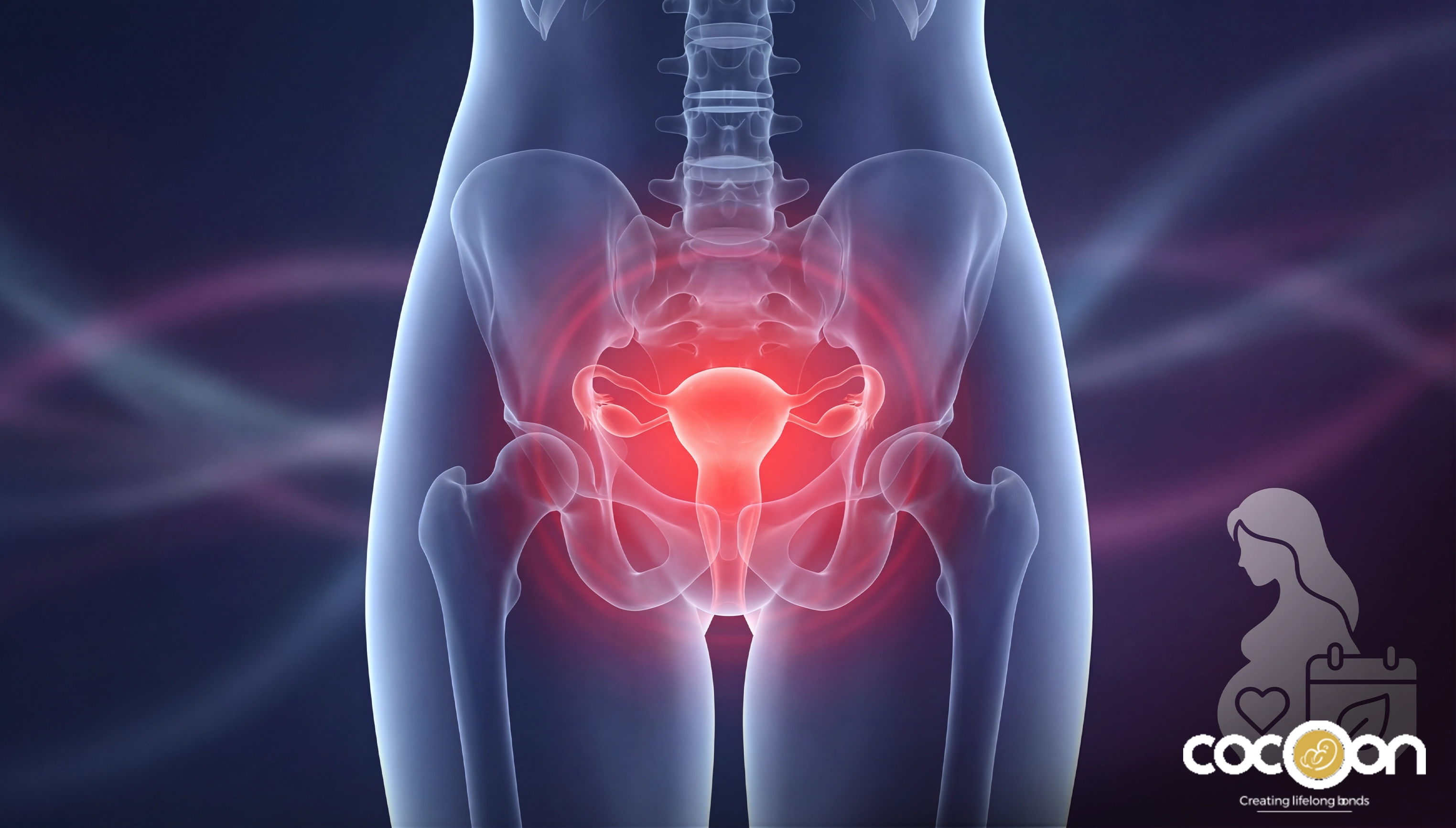
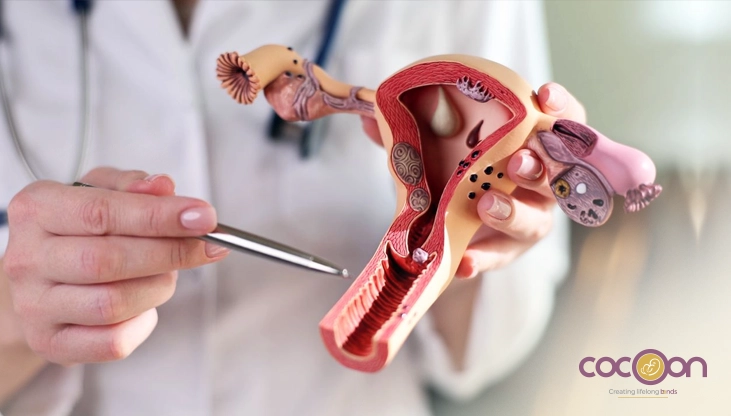
A hysterectomy is the surgical removal of your uterus and, most likely, your cervix to treat abnormal or heavy vaginal bleeding, uterine fibroids, severe endometriosis, pelvic pain, and many other gynaecological issues. Hysterectomy is commonly known as uterus removal surgery.
Depending on the medical condition, the surgery may involve:
- Removal of only the uterus
- Removal of the uterus and cervix
- Removal of the uterus along with one or both ovaries and fallopian tubes
You might have a very common question to ask: “Can I carry a baby with a hysterectomy?” You won’t be able to get pregnant, and you won’t get your menstrual period after a hysterectomy.
Read Also: The Role of Nutrition before and after Laparoscopic Hysterectomy
What is a Laparoscopic Hysterectomy
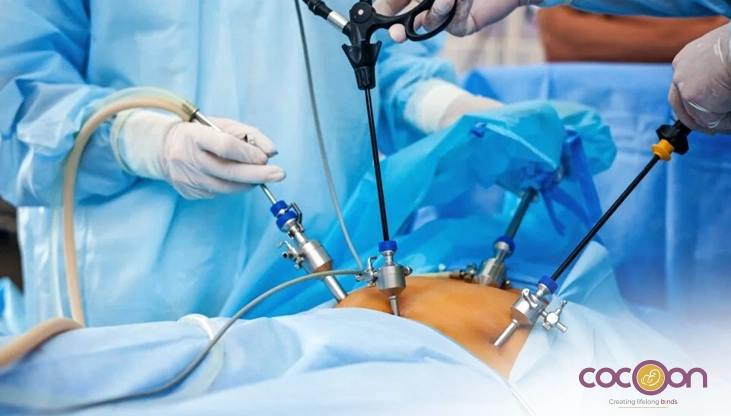
It is a minimally invasive surgery to remove the uterus via a few small cuts in the abdomen using a camera and special instruments.
Here is the breakdown for you:
- Laparoscopic: A surgical method that doctors perform through small cuts, or "keyholes," using a camera and special instruments.
- Hysterectomy: Uterus removal surgery.
- Laparoscopic Hysterectomy: Hysterectomy done through a laparoscopic technique.
Common Reasons for Hysterectomy
There are different types of hysterectomy surgeries, such as total hysterectomy, supracervical hysterectomy, total hysterectomy with bilateral salpingo-oophorectomy, and radical hysterectomy with bilateral salpingo-oophorectomy.
These procedures can be done through techniques including open traditional surgery, laparoscopic hysterectomy, vaginal hysterectomy, and robot-assisted laparoscopic hysterectomy.
Your doctor may recommend any of the methods to treat the following gynaecological conditions:
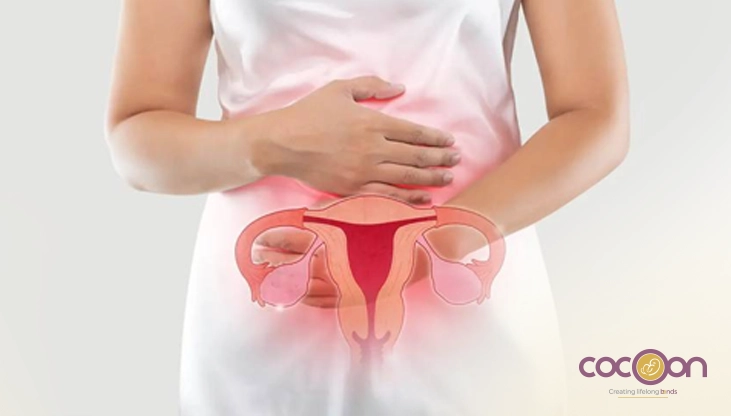
- Abnormal or heavy vaginal bleeding.
- Chronic pelvic pain linked to the uterus.
- Uterine fibroids and other noncancerous tumors.
- Severe endometriosis.
- Uterine prolapse that can lead to urinary incontinence or fecal incontinence.
- Cervical, ovarian, or uterine cancer.
- Conditions with the lining of your uterus, like hyperplasia or adenomyosis.
- Serious complications of childbirth, such as uterine rupture.
Read Also: Say Goodbye to Hysterectomy Worries as Cocoon Hospitals in Jaipur Got You Covered
Why Choose Laparoscopic Hysterectomy Instead of Open Surgery?
Because it offers the following benefits:
| Benefit | Detail |
| Smaller cuts | Laparoscopic surgery uses small incisions. This usually means less pain and minimal scarring. |
| Less blood loss | The surgeon can work with better visibility. Hence, blood loss is often lower than in open surgery. |
| Faster recovery | Most women recover more quickly. They can resume normal activities sooner. |
| Shorter hospital stay | Many individuals go home earlier, sometimes within a day. |
| Lower infection risk | Smaller wounds generally decrease the risk of infection. |
| Quicker return to routine | Walking, work, and daily tasks are often possible sooner. |
Read Also: Laparoscopic vs Traditional Surgery for Women’s Health Problems
Comparison Table: Laparoscopic vs Open Hysterectomy
| Factor | Laparoscopic Hysterectomy | Open Abdominal Hysterectomy |
| Incision size | Small keyhole cuts | Larger abdominal cut |
| Pain after surgery | Usually less | Usually more |
| Hospital stay | Often 1 day or short stay | Usually longer |
| Recovery time | Faster in many cases | Slower |
| Blood loss | Often lower | Can be higher |
| Return to work | Earlier | Later |
| Scarring | Minimal | More visible scar |
Note: Both methods have their own advantages. Your doctor will decide the best approach for you based on your condition.
Read Also: When Should You Consider Laparoscopic Surgery for Gynecological Problems
How Is the Laparoscopic Hysterectomy Done?
The procedure can generally involve the following steps:
- Small cuts or keyholes are made in the abdomen
- A camera and instruments are inserted
- Carbon dioxide gas is used to create working space inside the abdomen
- The uterus is separated from the surrounding structures
- The uterus is removed, often through the vagina or in a controlled way through a small incision
- The top of the vagina (vaginal cuff) is closed
- The instruments are removed
- The tiny cuts are closed
The exact technique can vary:
- Total laparoscopic hysterectomy (TLH)
- Laparoscopic-assisted vaginal hysterectomy (LAVH)
- Laparoscopic hysterectomy with ovary removal if required
Like any other surgical procedure, there are some risks, such as:
- Bleeding
- Infection
- Injury to the bladder, bowel, ureter, or blood vessels
- Blood clots in the legs or lungs
- Urinary issues post-surgery
- Vaginal cuff issues
- Need to switch to open surgery if laparoscopic completion is unsafe
- Rare anesthesia-related complications
The Recovery Timeline
The recovery may vary based on the type and severity of the condition; recovery after a laparoscopic hysterectomy is typically smoother than open surgery.
| Recovery period | What is common | What to do |
| Day 1–3 | Pain, gas discomfort, light bleeding, tiredness | Walk gently, hydrate, and take prescribed medicines |
| Week 1–2 | Fatigue, mild soreness, spotting | Rest, avoid lifting, keep follow-up appointments |
| Week 3–4 | Better mobility, less pain | Resume light routine gradually |
| Week 4–6 | Return to office work for many women | Follow doctor’s advice for travel, driving, activity |
| Week 6–8 | Internal healing continues | Resume exercise/sex only after clearance |
What is the Cost of Laparoscopic Hysterectomy in Jaipur
The cost may vary based on factors like
- Type of hysterectomy
- Hospital category
- Surgeon expertise
- Length of hospital stay
- Previous surgeries
- Insurance / TPA coverage
The cost in Jaipur may range roughly from ₹80,000 to ₹2,20,000 or more.
Before choosing a hysterectomy hospital in Jaipur, ask for:
- Surgeon fees
- OT and anesthesia charges
- Room charges
- Medicines and consumables
- Investigation costs
- Follow-up costs
- Estimated cost if conversion to open surgery becomes necessary
Conclusion
A laparoscopic hysterectomy is often one of the most effective and patient-friendly approaches to address abnormal vaginal bleeding, uterine fibroids, etc. However, not everyone is a suitable candidate; therefore, speak with an experienced gynecologist and get the right diagnosis to know the most suitable treatment for your long-term health.