 08929816349

You might not know this, but here is the truth: the best time to prepare for breastfeeding is before your baby arrives, not when you’re sleep-deprived, healing, and struggling to figure out why your little one wants to feed every 90 minutes.
Breastfeeding is natural, yes. But “natural” and “easy” are not necessarily the same thing. Walking is natural, too, but babies still stumble, fall, and require regular practice. Breastfeeding works in a similar way: your body is learning, and your baby is learning too; hence, the first few days could feel like both of you are trying to put together furniture without the instruction manual.
Let's talk about the basics of newborn breastfeeding on this World Breastfeeding Week 2026 (1-7 August) so that you are equipped with the right knowledge and feel less overwhelmed.
Read Also: Breastfeeding in the NICU: Tips and Support for New Mothers
Quick Answer: How to Prepare for Breastfeeding During Pregnancy?
Here is your breastfeeding preparation checklist before childbirth:
- Attend a prenatal breastfeeding class to learn how breastfeeding works and what a good latch looks like.
- Learn about the benefits of skin-to-skin contact after birth.
- Find a lactation consultant before your baby arrives.
- Familiarize yourself with how a breast pump works.
- Be aware that cluster feeding, frequent nursing, and colostrum are normal.
- Ask your lactation consultant for alternative options if breastfeeding is painful or difficult.
Read Also: Breastfeeding in the NICU: Tips and Support for New Mothers
Why Preparing for Breastfeeding Before Childbirth is Important
Because the right preparation offers the following benefits:
- Minimize the risk of sore nipples, engorgement, and infections.
- Helps establish a healthy milk supply.
- Lower postpartum anxiety.
- Help learn hand expression techniques.
- Help recognize the feeding cues.
- Help understand newborn feeding frequency.
- Teaches you why supply works on demand.
Read Also: Antenatal and Postnatal Wellness: The Key to Healthy Motherhood
12 Breastfeeding Tips for New Mothers
It's good to find out as much as you can about breastfeeding before you have your baby. This may help you feel more confident when you start breastfeeding your baby.
Here are the 12 tips worth exploring:
| Breastfeeding Tip | What It Means |
| Start breastfeeding as early as possible | Try to breastfeed within the first hour after birth if possible |
| Practice skin-to-skin contact | Skin-to-skin means holding your baby naked or dressed only in a diaper against your skin, generally under your top or under a blanket. |
| Feed on demand, not by the clock | Feed whenever your baby shows hunger signs instead of waiting for a schedule |
| Learn hunger cues early | Watch for rooting, sucking hands, lip smacking, or restlessness |
| Focus on a deep latch | A baby should take a large part of the areola, not just the nipple |
| Use a comfortable feeding position | Support your back, arms, and baby with pillows if needed |
| Don’t panic about frequent feeding | Newborns often feed 8–12 times or more in 24 hours |
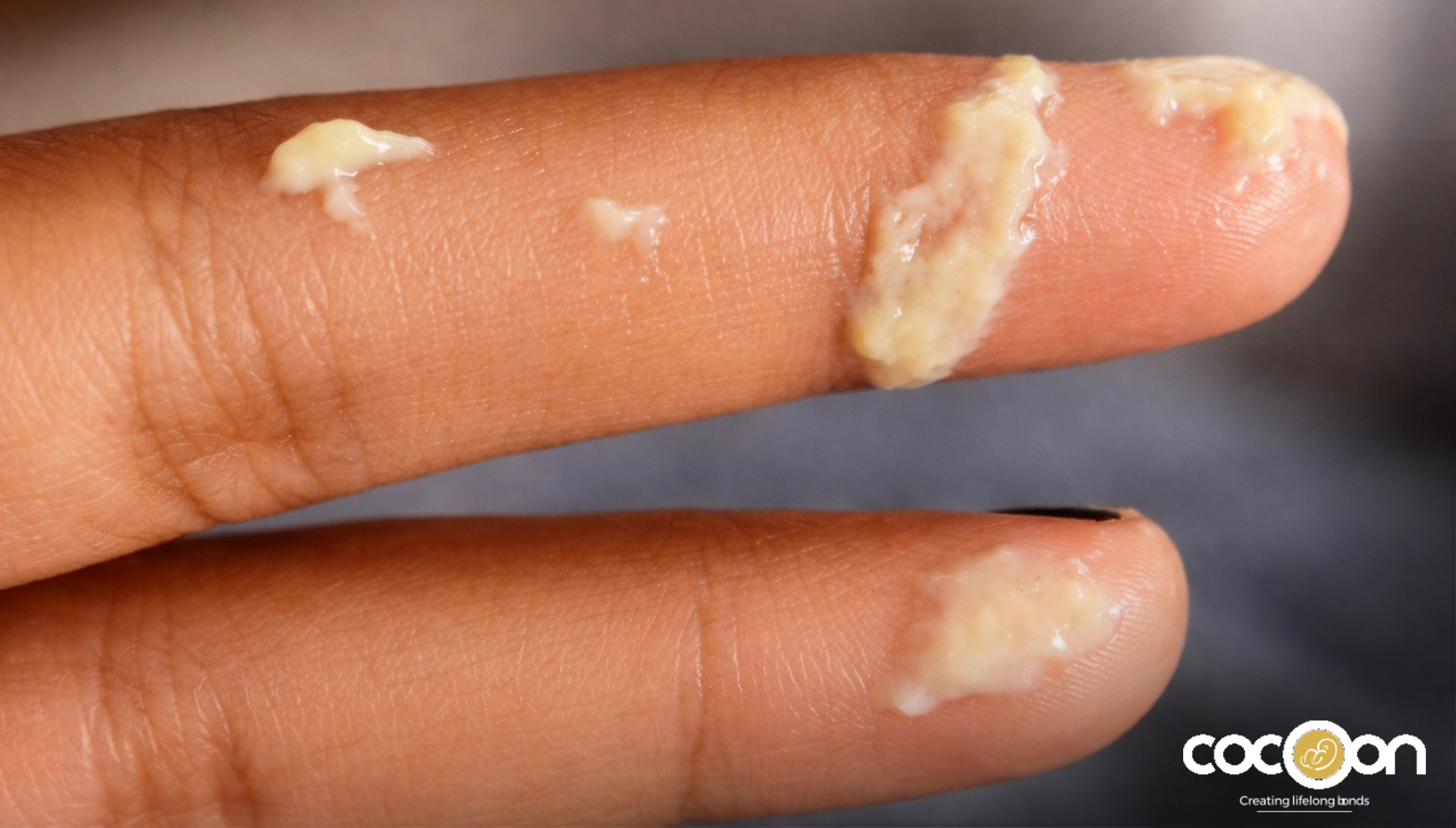
| Know that colostrum is enough at first | The fluid your breasts produce in the first few days after birth is known as colostrum. It's thick and usually a golden yellow color. It's a very concentrated food, so your baby will only require a small amount, about a teaspoonful, at each feed. |
| Stay hydrated and eat regularly | Keep water and simple snacks nearby while feeding |
| Ask for help if pain continues | Brief discomfort at latch-on can happen, but ongoing pain should be checked |
| Burp and switch sides if needed | Offer one breast fully, then the other if the baby still seems hungry |
| Get support early | Reach out to a lactation consultant, nurse, or doctor if you’re struggling |
What “Normal” Looks Like in the First Few Days
| Situation | Often normal |
| Frequent feeding | Yes, especially in the first weeks |
| Mild discomfort at latch-on | Briefly, sometimes |
| Baby is fed often at night | Yes |
| Colostrum in small amounts | Yes |
| Breasts feel fuller around day 3–5 | Yes |
Remember to get help if…
- Pain continues throughout the feed.
- Your baby is not able to latch or transfer milk.
- You are experiencing severe engorgement, fever, or worsening pain.
What are the Baby’s Hunger Cues?
When your baby is hungry, they may:
- get restless
- suck their fist or fingers
- make murmuring sounds
- turn their head and open their mouth (rooting)
What Are the 5 Benefits of Breastfeeding?
- Best source of nutrition for most babies.
- Help protect babies against some short- and long-term illnesses and diseases.
- Help babies develop a strong immune system and protect them from illnesses.
- Mothers can feed their babies on the go without being concerned about having to mix infant formula or prepare bottles.
- It can lower the mother's risk of breast and ovarian cancer, type 2 diabetes, and high blood pressure.
What is the Theme of World Breastfeeding Week 2026?
This year's theme is “Breastfeeding for a sustainable start in life: Strengthen what works." The theme highlights the need to track progress and evaluate the impact of breastfeeding on nutrition and poverty reduction.
Conclusion
If you’re pregnant and hoping to breastfeed, you do not need to have every answer right now. But learning the basics about breastfeeding before delivery can save you from confusion during the hectic days ahead. Also, when your baby arrives, you shouldn’t have to start from zero.