 08929816349

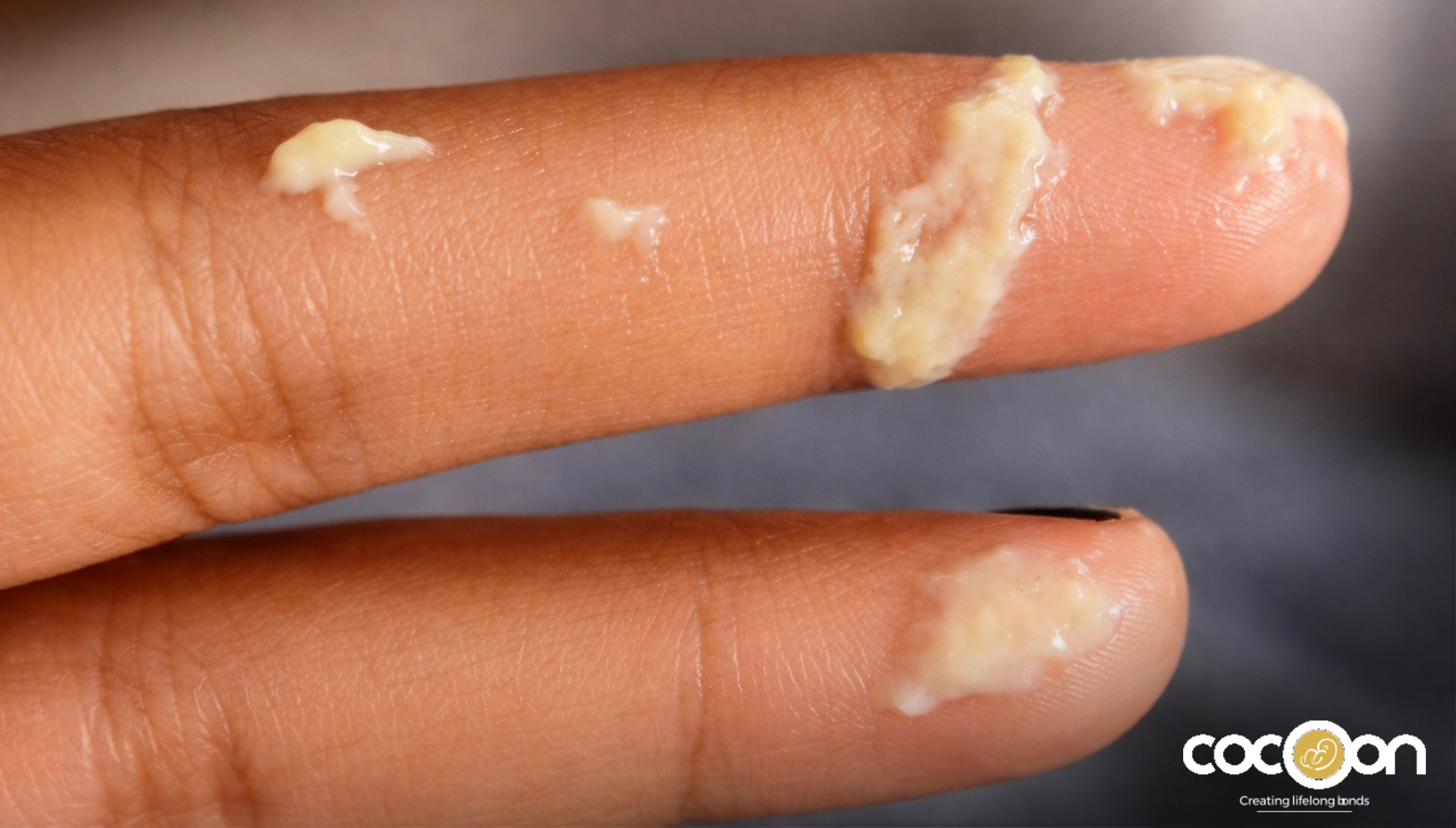
Have you noticed an off-white, grey, or greenish-coloured vaginal discharge; fishy-smelling vaginal discharge; or vaginal itching or irritation and wondered whether it's just a temporary problem or something that requires medical attention?
The answer is simple: these symptoms can signal bacterial vaginosis (BV), one of the most common vaginal infections affecting women of reproductive age. It is caused by an overgrowth of bacteria.
Though it is not considered a sexually transmitted infection (STI), it can increase your risk of developing one if it remains unaddressed. Fortunately, when diagnosed early, BV is highly treatable. For the treatment, your doctor may prescribe antibiotics, typically metronidazole or clindamycin.
It is important to always finish the antibiotic and take it according to the prescription. If stopped early, it can increase your risk of getting BV again, and the medicine can be ineffective later.
Read this blog to have a better understanding of bacterial vaginosis.
Read Also: White Discharge In Pregnancy: A Guide To What’s Normal And What’s Not
Quick Overview: Bacterial Vaginosis (BV)
Explore the given table to have a quick idea:
| Characteristic | Bacterial Vaginosis |
| Cause | Overgrowth of bacteria |
| Common Age Group | 15–44 years |
| Is it an STI? | No, but intimate activity may lead to increased risk |
| Main Symptom | Fishy-smelling vaginal discharge, especially after intercourse. |
| Treatment | Antibiotics, typically metronidazole or clindamycin prescribed by a gynecologist |
| Can it recur? | Yes, recurrence is common |
What is Bacterial Vaginosis (BV)?
BV is a vaginal infection caused by an overgrowth of bacteria leading to discomfort and pain of the vagina. It happens when natural bacteria levels are out of balance and too much of some bad bacteria grows, leading to BV.
Normally, beneficial bacteria known as Lactobacillus keep the vaginal environment slightly acidic, not allowing the harmful bacteria from multiplying. When the number of these protective bacteria decreases, anaerobic bacteria such as Gardnerella vaginalis and others grow rapidly, leading to bacterial vaginosis.
Note: BV is not caused by yeast (fungus) and generally requires prescription antibiotics instead of over-the-counter antifungal medicines. Hence, do not self-prescribe any fungal medicine.
How Do You Know If You Have a BV?
Only your doctor can confirm the diagnosis of bacterial vaginosis.
But if you experience the following symptoms, consult your doctor for the right diagnosis and appropriate treatment:
- Thin white, gray, or greenish vaginal discharge
- Foul-smelling, "fishy" vaginal odor, especially after intercourse
- Vaginal itching
- Burning during urination
To diagnose bacterial vaginosis, your doctor may:
- Ask questions about your medical history
- Perform a pelvic examination
- Take a sample of vaginal discharge to test for "clue cells"
- Test your vaginal pH
Tests for bacterial vaginosis use samples of fluid from your vagina. That sample can undergo several types of tests for BV.
The most common are:
- Wet mount
- Whiff test
- Vaginal pH
Why Did I Suddenly Start Getting BV?
You can get BV because of changes in the vaginal microbiome rather than a single bacterial infection.
The following factors can disturb this natural balance:
- Multiple intimate partners
- A new intimate partner
- Vaginal douching
- Smoking
- Recent antibiotic use
- Hormonal changes
- Intrauterine devices (IUDs) in some women
Note: You cannot catch BV from toilet seats, swimming pools, or sharing towels.
Who Has a Higher Risk of Getting BV?
The following scenarios increase the risk of getting bacterial vaginosis:
- Pregnancy
- Multiple sexual partners
- Douching
- Smoking
- Previous BV episodes
- Recent antibiotics
What Is the Best Treatment for BV?
BV is treatable and curable.
Antibiotics are the first-line treatment for BV.
To treat bacterial vaginosis, your doctor may prescribe one of the following medicines:
- Metronidazole
- Clindamycin
- Tinidazole
- Secnidazole
FAQs
Can bacterial vaginosis come back?
Yes.
Around 80% of individuals get bacterial vaginosis again in their lifetime.
Should your partner be treated for bacterial vaginosis?
Generally No.
However, new partners may require evaluation if symptoms or reinfections occur.
Can bacterial vaginosis affect pregnancy?
Yes.
If untreated, BV can cause pregnancy complications, including premature birth or having a baby that weighs less than average (low birth weight).
How do I stop being prone to BV?
You cannot completely prevent bacterial vaginosis. However, taking the following precautions could reduce your risk:
- Avoid douching
- Avoid vaginal contact with anything that has touched your anus
- Limit your number of intimate partners
- Clean the outer genital area gently
- Change tampons and pads every 4 to 8 hours
- Use latex condoms or dental dams
- Wear cotton or cotton-lined underwear
How do I tell if I have BV or a yeast infection?
Here is the difference between the two:
| Feature | Bacterial Vaginosis | Yeast Infection |
| Odor | Strong fishy smell | Usually no odor |
| Discharge | Thin, gray or white | Thick, cottage cheese-like |
| Itching | Mild or absent | Usually intense |
| Cause | Bacterial imbalance | Fungal overgrowth |
| Treatment | Antibiotics | Antifungal medication |
Conclusion
Although BV is a mild infection, it can make you vulnerable to more severe conditions. Therefore, do not delay seeing a doctor if you notice anything unusual about your vaginal discharge.
If you are diagnosed with BV, your doctor can prescribe medication, which you have to follow strictly to avoid getting reinfection.
Disclaimer: The blog is for informational use only; it is not intended to replace professional guidance.