 08929816349

Human papillomavirus (HPV) is a common virus that can affect different parts of the body. Most infections do not cause serious health problems. There are more than 100 types of HPV, including strains of HPV that cause warts on your hands, feet, and face.
Many HPV infections clear naturally within 1 to 2 years. However, certain high-risk HPV types can cause abnormal cell changes that can lead to cancers, like cervical, vulvar, and vaginal cancers. The issue is that it often causes no symptoms at all, and a person with HPV may feel completely healthy.
Therefore, early detection (with a Pap smear or HPV screening) and treatment of precancerous cells are crucial to prevent abnormal cell changes.
Read Also: Cervical Cancer Screening — How Often Should Indian Women Get Tested
Quick Overview: HPV Facts
Read the table below to get a quick idea about human papillomavirus infection.
| Question | Short answer |
| Is HPV common? | Yes, extremely common |
| Does HPV always cause symptoms? | No |
| Can HPV cause genital warts? | Yes, certain low-risk types |
| Can HPV cause cancer? | Certain high-risk types can |
| Does having HPV mean you have cancer? | No |
| Can HPV clear naturally? | Yes, most infections do |
| Is there an HPV vaccine? | Yes |
| Can HPV be treated directly? | There is no treatment that eliminates the virus itself, but its effects can be treated |
What Is a Human Papillomavirus Infection?
HPV infection is a viral infection that spreads through skin-to-skin intimate contact, including vaginal, anal, and oral contact.
There are more than 100 types of HPV, including strains of HPV that cause warts on the hands, feet, and face. About 30 HPV strains can affect your genitals (vulva, vagina, cervix, penis, scrotum, rectum, and anus).
In most people, the immune system eventually helps fight the infection. The concern arises when certain high-risk types stay around for a long time, leading to changes in cells.
How Do I Know if a Person Has HPV?
One of the tricky things about human papillomavirus infection is that it doesn’t usually cause symptoms.
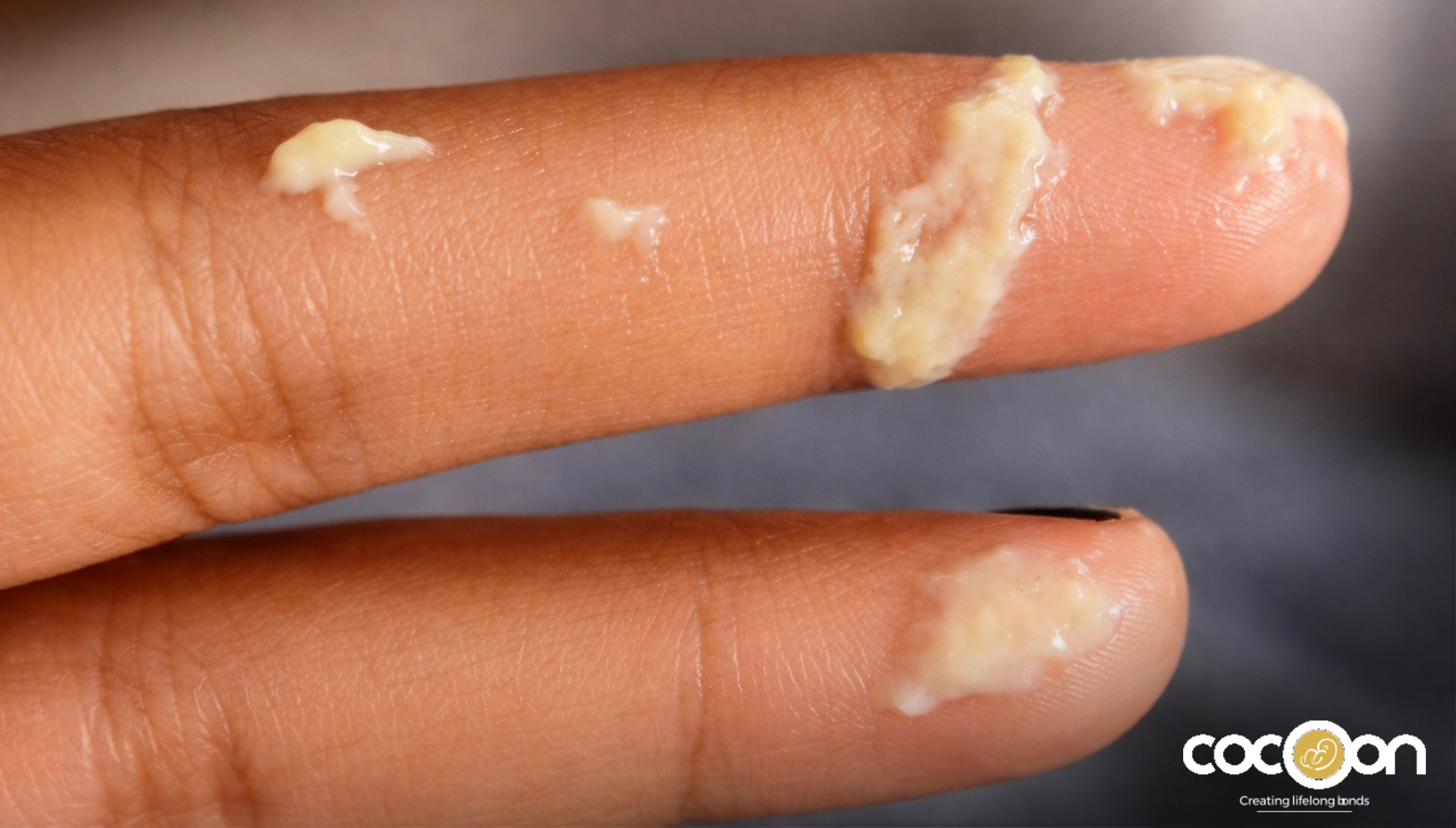
When symptoms do appear, they may include genital warts. These can appear as small bumps, skin-tag-like growths, or rough, cauliflower-shaped lumps around the genitals or anus.
Low-risk HPV types, particularly HPV 6 and 11, are commonly associated with genital warts.
Certain high-risk HPV types, particularly HPV 16 and HPV 18, can cause abnormal changes in cervical cells. If left unmanaged over many years, these changes can potentially lead to cervical cancer.
The progression is more like a slow warning system than an overnight event:
HPV infection → persistent high-risk infection → abnormal cell changes → precancer → potentially cancer
Therefore, having HPV symptoms or no symptoms at all cannot tell you whether an HPV type is high-risk. Therefore, appropriate medical evaluation is required.
HPV and Cervical Cancer Risk
Here is what can happen based on the status of HPV infection.
| HPV situation | What it generally means |
| Low-risk HPV | More commonly associated with genital warts |
| High-risk HPV | Can cause abnormal cellular changes |
| Temporary HPV infection | Often clears naturally |
| Persistent high-risk HPV | Greater concern for precancerous changes |
| Abnormal cervical cells | May require monitoring or treatment |
| Cervical cancer | A possible consequence of persistent high-risk HPV |
HPV Diagnosis
Doctors are typically able to diagnose genital warts and other bodily warts just by looking.
If genital warts do not show, one or more of the following tests can find them:
| Test/procedure | Purpose |
| HPV test | Detects certain high-risk HPV types |
| Pap test | Looks for abnormal cervical cells |
| Colposcopy | Magnifies the cervix to examine abnormal areas |
| Biopsy | Examines a tissue sample for abnormal or cancerous cells |
What Is the Treatment for HPV?
There's no cure for the virus.
Warts often go away without treatment, especially in children. But they can come back to the same place or other places.
The following treatments can remove any visible warts on your genitals or other body parts and abnormal cells in your cervix.
- Cryosurgery
- Loop electrosurgical excision procedure (LEEP)
- Electrocautery
- Laser therapy
- Cold knife cone biopsy
- Prescription cream
- Medicines (trichloroacetic acid, salicylic acid, imiquimod, podofilox)
How Can I Reduce My Risk of Getting HPV?
You can reduce your risk if you:
- Get vaccinated against HPV.
- Get screened and tested regularly.
- Use condoms or dental dams consistently.
- Go for regular medical follow-up.
Note: Condoms and dental dams can lower the risk, but they cannot provide complete protection because HPV can infect skin that isn't covered.
FAQs
Can you have HPV with no genital warts?
Yes.
Most people who have HPV have no symptoms at all.
How long until HPV turns into cervical cancer?
Research has found that it can take 5 to 10 years for HPV-infected cervical cells to develop into precancers. It takes about 20 years to develop into cancer.
Is There a Cure for HPV?
No.
There isn’t a cure for HPV.
Conclusion
HPV is very common, and almost everyone has had or will have HPV infection at some point in their life. Most infections due to HPV clear up on their own because your immune system fights the virus.
However, consider speaking with a doctor if you notice genital warts, unusual growths, or an abnormal Pap/cervical screening result. Regular cervical screening and appropriate follow-up can make a major difference to ensure long-term health benefits.
Disclaimer: The blog is for informational use only. For accurate information about HPV infection, talk to your doctor.