 08929816349

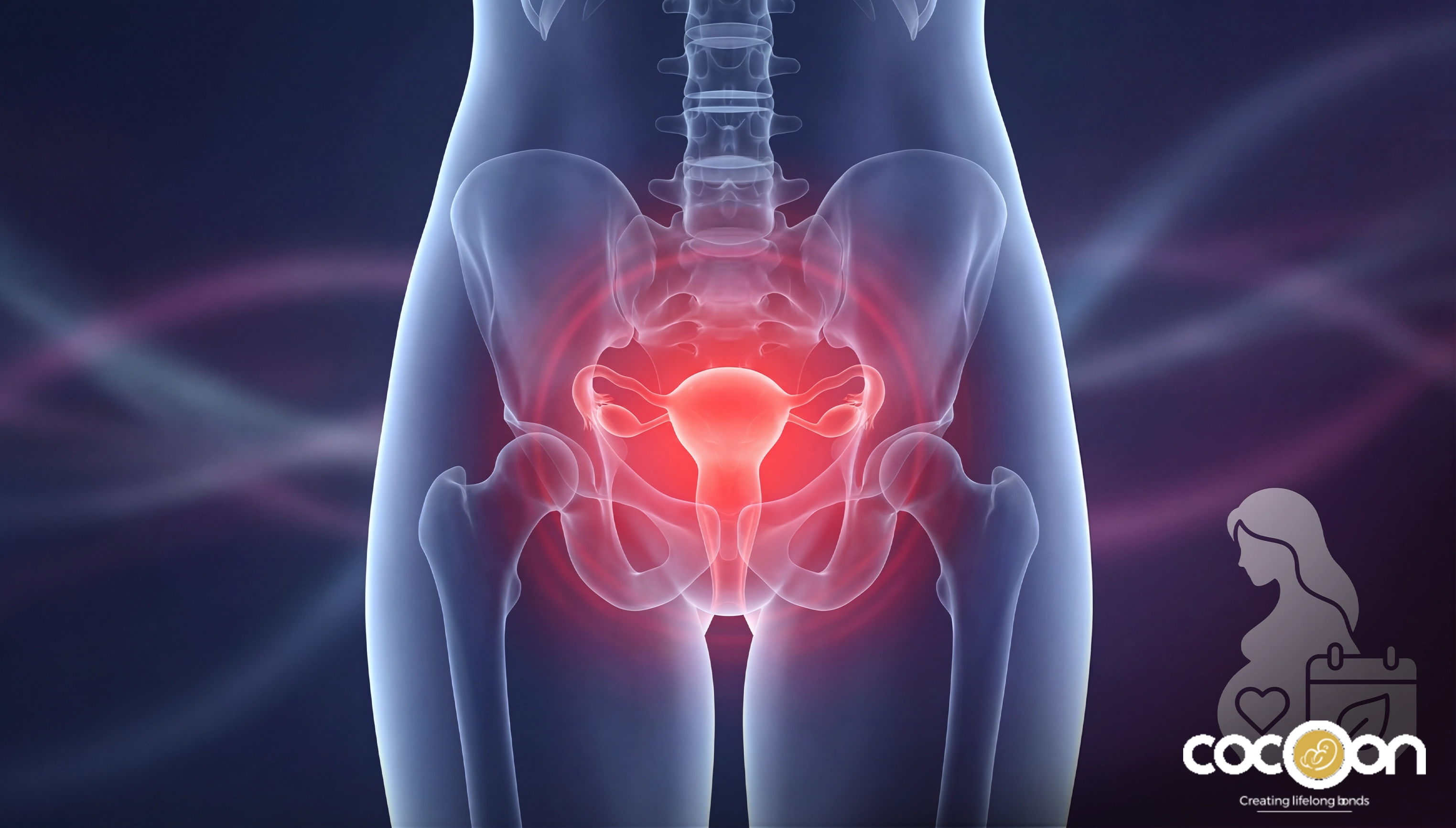
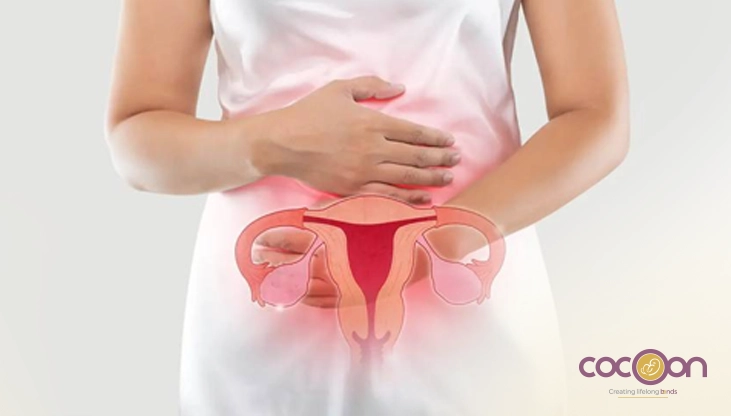
Are your periods becoming heavier, longer, irregular or are you experiencing bleeding between periods? If yes, then it's important to not ignore these symptoms. Because these can signal abnormal uterine bleeding (AUB) also known as (menometrorrhagia).
Menometrorrhagia is not a disease itself, it is a symptom that can signal change in hormonal levels, uterine conditions such as fibroids or polyps, pregnancy-related issues, or, sometimes, precancerous or cancerous conditions.
Fortunately, many causes of abnormal uterine bleeding are treatable. Therefore, consult a gynaecologist for detailed evaluation to identify the underlying root cause. This ensures prevention of complications such as anemia or delayed diagnosis of serious conditions.
Many women might dismiss heavier, longer, irregular periods and unusual bleeding as “it's just a stress," or "My hormones must be changing." Sometimes that's true. But, it's worth finding out the reason in a timely manner rather than simply waiting for the symptoms to settle.
Read Also: Laparoscopic Hysterectomy in Jaipur – Recovery & Cost
What is Abnormal Uterine Bleeding?
Abnormal uterine bleeding (AUB) in medical terms known as menometrorrhagia. It refers to any bleeding from the uterus that differs from your normal menstrual cycle in terms of:
- Frequency
- Duration
- Regularity
- Amount of blood loss
In simple terms, if bleeding during your periods doesn't follow your usual pattern or happens outside pregnancy, it can be considered abnormal menstrual bleeding.
Read Also: What Is Menorrhagia? Heavy Menstrual Bleeding Explained
A Quick Overview: Normal Menstrual Cycle Vs. Abnormal Uterine Bleeding
Explore the below given table:
| Feature | Normal Menstrual Cycle | Abnormal Uterine Bleeding (AUB) |
| Cycle frequency | Every 21–35 days | Less than 21 or more than 35 days apart |
| Duration of bleeding | Lasts up to 7 days | Lasts longer than 7 days |
| Pattern | Predictable pattern | Irregular or unpredictable bleeding |
| Blood loss | Moderate blood loss | Very heavy or unusually light bleeding |
| Bleeding between periods | No bleeding between periods | Bleeding or spotting between periods |
How Do You Know if You Have Abnormal Uterine Bleeding?
By noticing the following symptoms:
Common Signs Include:
Heavy menstrual bleeding requiring frequent pad changes
- Unusually long periods (periods lasting longer than 7 days)
- Bleeding or spotting anytime between menstrual periods (Or bleeding anytime you’re not on your period)
- Bleeding after intercourse
- Not having a period for longer than 3 months
- Menstrual cycles are shorter than 21 days
- Cycles longer than 35 days
- Missing periods for several months (when not pregnant)
- Bleeding after menopause
- Passing large blood clots
- Fatigue, dizziness, or weakness from excessive blood loss
When Is Bleeding Considered an Emergency?
Consult your doctor when:
- You're soaking one pad or tampon every hour for 2 consecutive hours
- You feel faint, dizzy
- You develop chest pain
- You experience severe abdominal pain with heavy bleeding
- Heavy bleeding occurs during pregnancy
Who is More at Risk
AUB can happen in women of any reproductive age, but it is more common in:
- Adolescents during the 1st few years after menstruation starts
- Women aged 40–55 years (perimenopause)
- Women with PMOS (previously known as Polycystic Ovary Syndrome (PCOS))
- Women with obesity
- Those with thyroid disorders
- Taking anticoagulants or hormonal medications
- Women with bleeding disorders
- Women transitioning to menopause
Diagnosis of Abnormal Uterine Bleeding in Reproductive-Aged Women
Your gynaecologist may ask questions such as:
- How long do you bleed?
- How heavy is the bleeding?
- How often do you bleed?
- Is it occurring between periods?
- Are your cycles regular?
- Are you trying to conceive?
- What medications are you taking?
Investigations may include:
- Pregnancy test
- Complete Blood Count (CBC)
- Iron studies
- Thyroid function tests
- Hormonal evaluation (when indicated)
- Screening for bleeding disorders
- Pelvic examination
- Pap smear (if due)
Imaging and specialized tests include:
- Pelvic Ultrasound
- Transvaginal Ultrasound
- Sonohysterography
- Hysteroscopy
- Endometrial Biopsy
- MRI
What Is the Treatment for Abnormal Uterine Bleeding?
Your treatment is based on what’s causing your bleeding, your age, family planning, severity of bleeding, and overall health.
Common medications include:
- Combined oral contraceptive pills
- Progestin therapy
- Hormonal intrauterine device (LNG-IUD)
- Tranexamic acid
- NSAIDs like ibuprofen or naproxen
- Iron supplements for anemia
- Antibiotics if infection is present
- GnRH agonists for fibroid-related bleeding
When Is Surgery Recommended for Menometrorrhagia?
Surgery may be considered if:
- Traditional methods and medications fail
- Symptoms are severe
- Structural abnormalities are there
| Procedure | Used for |
| Polypectomy | Removal of uterine polyps |
| Myomectomy | Removal of fibroids while preserving the uterus |
| Endometrial Ablation | Reduces heavy bleeding in women not planning pregnancy |
| Uterine Artery Embolization | Shrinks fibroids |
| Dilation & Curettage (D&C) | Diagnostic and therapeutic procedure |
| Hysterectomy | Definitive treatment when appropriate |
What Happens if Menorrhagia Goes Untreated?
It can lead to following possible complications:
- Iron-deficiency anemia
- Lowered quality of life
- Infertility in some conditions
- Endometrial hyperplasia
- Delayed diagnosis of uterine cancer
- Severe blood loss requiring hospitalization
When Should You See a Gynecologist?
Consult your doctor if you experience:
- Heavy periods every month
- Bleeding lasting longer than seven days
- Bleeding between periods
- Bleeding after menopause
- Very irregular menstrual cycles
- Severe menstrual pain with heavy bleeding
- Symptoms of anemia
- Bleeding during pregnancy
Conclusion
You can’t prevent many causes of abnormal uterine bleeding. However you can lower your risk of certain conditions that lead to abnormal bleeding by maintaining a healthy weight and practicing safer intercourse practices (like wearing a condom).
Menometrorrhagia is abnormal, unpredictable or irregular uterine bleeding that happens at any time, not just during the menstrual cycle. Getting to the underlying cause of your irregular bleeding is key to your prognosis. Therefore, if your bleeding pattern has changed over the months, don't wait hoping it will resolve on its own consult your doctor so that you can receive a personalized treatment.
Quick Recap:
| What You Should Remember | Why It Matters |
| Abnormal uterine bleeding is a symptom, not a disease | The underlying cause must be identified |
| Heavy, prolonged, or irregular bleeding should never be ignored | Early diagnosis prevents complications |
| Many causes are treatable with medication | Surgery is not always necessary |
| Women over 45 years often need endometrial evaluation | Helps rule out precancerous conditions |
| Early consultation improves outcomes | Prevents anemia and delayed diagnosis |
Disclaimer: This blog is for educational purposes only. For accurate information about abnormal uterine bleeding (menometrorrhagia) consult your doctor.