 08929816349
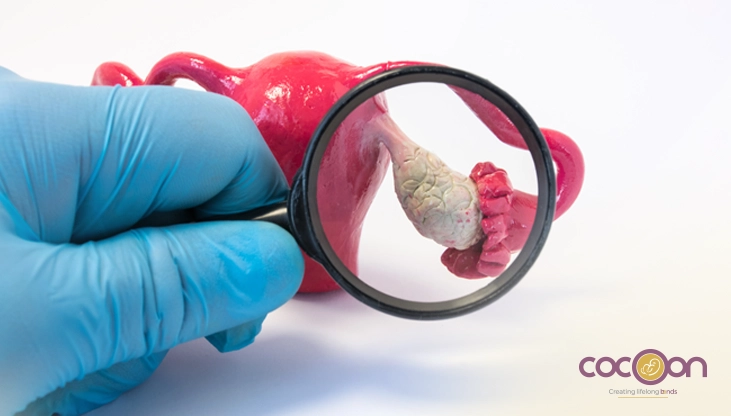
Vulvar cancer is a rare gynaecological cancer of the vulva that affects postmenopausal women. The vulva is the area of skin that surrounds the urethra and vagina. It includes the clitoris and labia.
Many women mistake early vulvar cancer symptoms (i.e., persistent itching, skin colour changes, unusual lumps, non-healing sores, or unexplained bleeding) for common skin infections or irritation. This may seem harmless today, but if left unaddressed, it can become a much bigger problem. Therefore, early diagnosis becomes crucial to make treatment less invasive and recovery much easier.
What Is Vulvar Cancer?
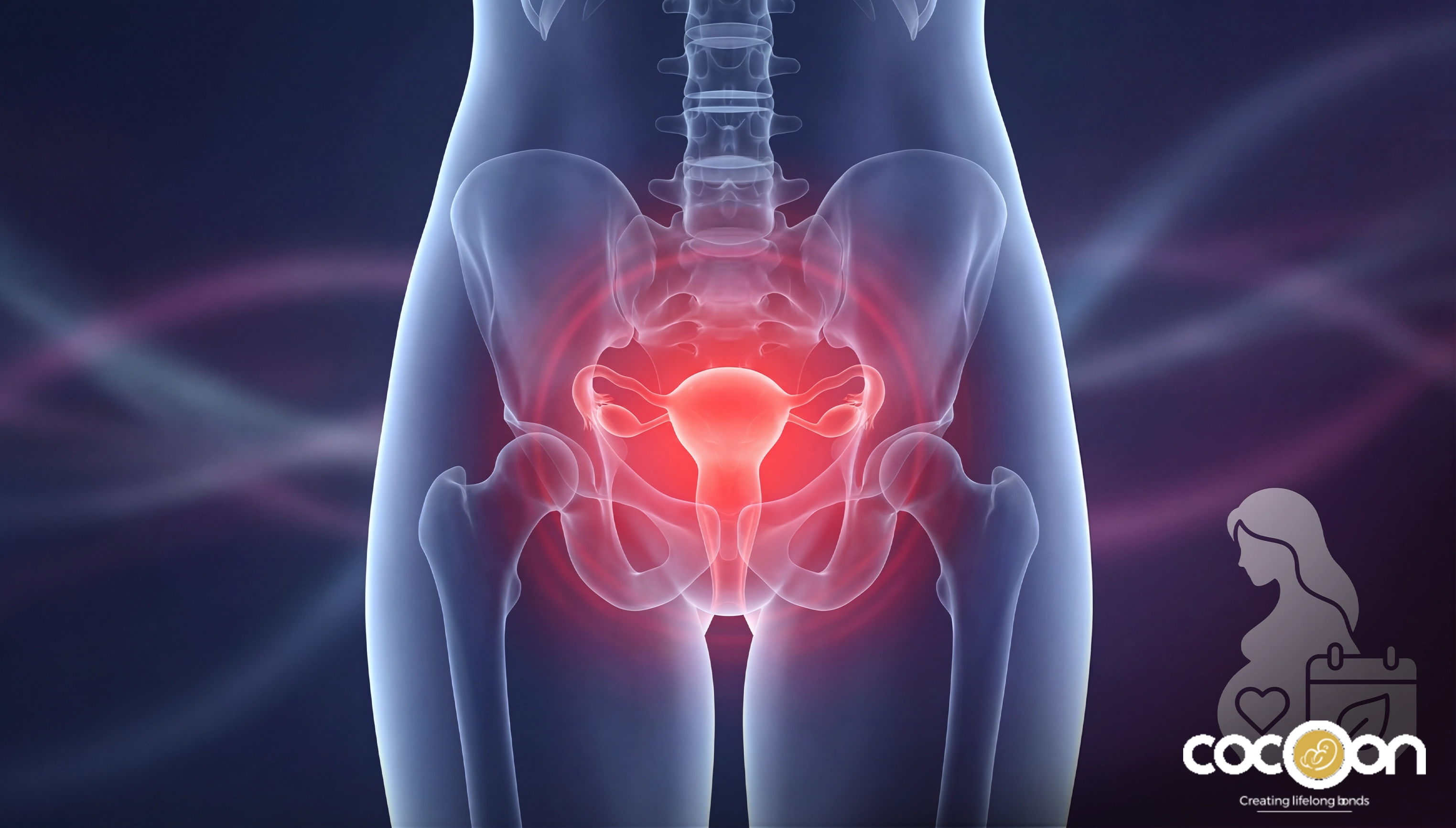
Vulvar cancer occurs when abnormal cells grow in the vulvar tissues. These tissues are part of the vulva, which includes several parts of female genitalia:
- Opening of the vagina
- Labia minora (inner lips)
- Labia majora (outer lips)
- The outer part of the clitoris
- Mons pubis
- Opening of the urethra
- Perineum
Most vulvar cancers develop slowly. Before cancer forms, many women develop precancerous changes known as vulvar intraepithelial neoplasia (VIN). Therefore, detecting and treating these changes early becomes important to prevent invasive cancer.
Risk of Developing Vulvar Cancer
Risk factors for vulvar cancer include:
- Age
- Exposure to HPV
- Skin conditions involving your vulvar
- Vulvar intraepithelial neoplasia (VIN)
- Human immunodeficiency virus (HIV) infection
- Smoking
Anyone with a vulva can develop vulvar cancer; however, these above-mentioned factors can increase the chance of it.
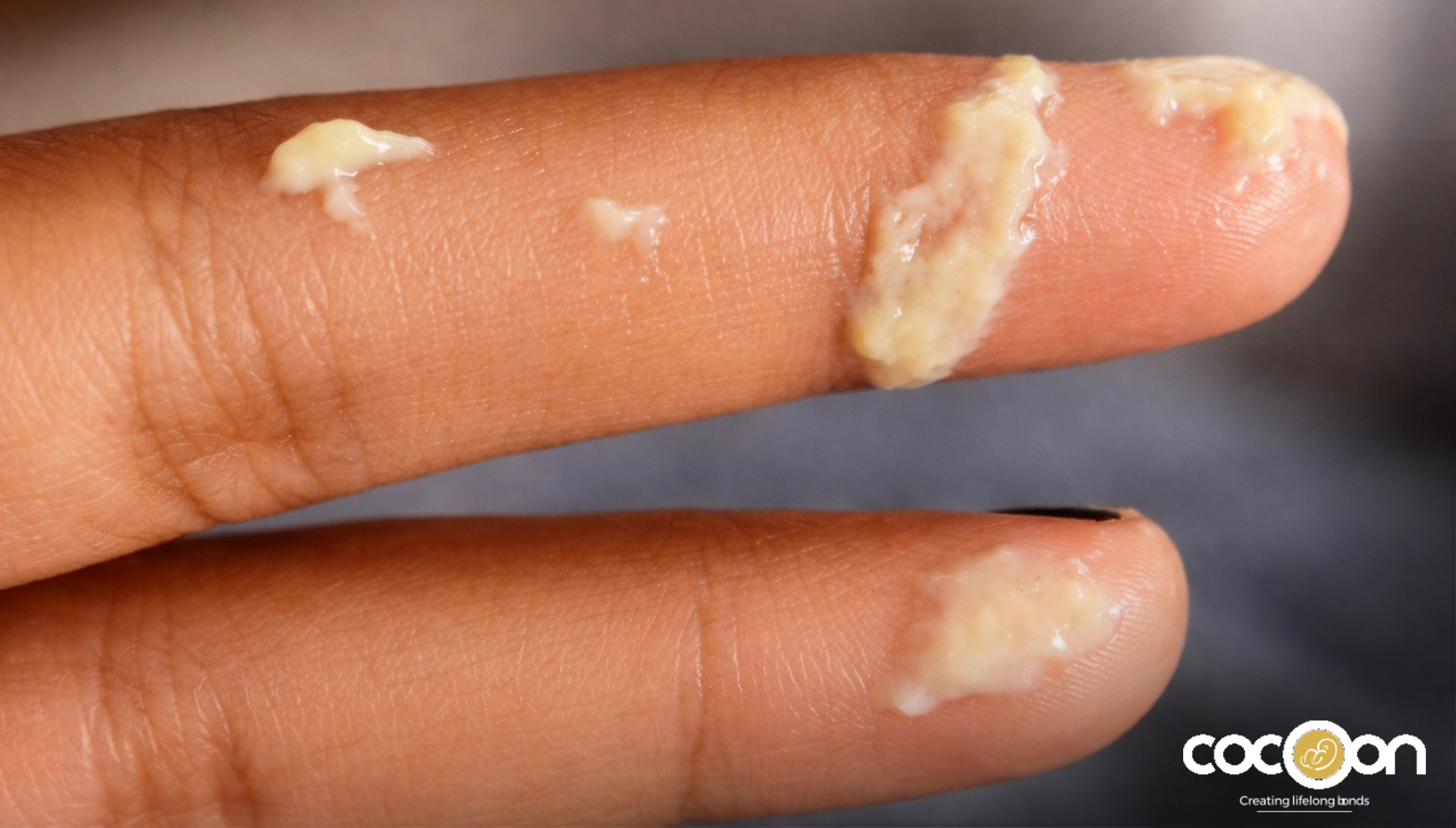
What Does Vulvar Cancer Look Like
It does not have a single, distinct appearance.
Vulvar cancer can look like a lump or warty growth on the genitalia, which can easily be mistaken for harmless skin conditions.
Causes Vulvar Cancer
It's not always clear what causes vulvar cancer. But experts believe that due to combination the cells begin multiplying out of control.
What Are the Early Symptoms of Vulvar Cancer?
As discussed above the major challenge with vulvar cancer is that its early symptoms often are similar to skin conditions such as fungal infections, eczema, or allergies.
Therefore, do not delay appointment with your doctor if you experience following symptoms:
- Changes in vulvar skin color, which varies from person to person
- White patches
- Red areas
- Dark brown or black discoloration
- Thickened skin
- Rough or leathery texture
- Thickened or rough skin patches.
- Growths such as lumps, wart-like bumps or ulcers that don’t heal.
- Itching or burning that doesn’t improve.
- Bleeding that is not related to menstruation (periods).
- Tenderness and pain, potentially during intercourse or when peeing.
How Do I Check Myself for Vulvar Cancer?
Only doctors can confirm the diagnosis of vulvar cancer, therefore if you experience any unusual symptoms consult your doctor for early diagnosis and less invasive treatment.
The diagnosis usually follows these steps:
| Test | Purpose |
| Pelvic examination | Checks for visible skin changes or lumps. |
| Colposcopy | Magnifies suspicious areas for closer examination. |
| Vulvar biopsy | Removes a small tissue sample to confirm cancer. |
| CT, MRI, or PET scan | Determines whether cancer has spread. |
| Sentinel lymph node biopsy | Evaluates nearby lymph nodes when needed. |
A biopsy should not be delayed when cancer is suspected. Imaging does not replace tissue diagnosis. Regular gynaecological care is important, but a new or persistent vulvar symptom should be assessed promptly rather than waiting for a routine check-up.
Stages of Vulvar Cancer
Here are the four main stages:
1. Stage I
Early-stage vulvar cancer is limited to vulva or perineum.
2. Stage II
The tumor has spread into the lower part of the urethra, the lower part of the vagina or anus.
3. Stage III
Cancer has spread to one or more nearby lymph nodes.
4. Stage IV
Cancer has spread into the upper part of the urethra, vagina or other body parts.
Treatment Options for Vulvar Cancer
The treatment depends on the:
- cancer stage,
- tumor size,
- overall health,
- and whether the cancer has spread.
Following are the treatment options:
- Surgery (laser surgery, local excision, vulvectomy, pelvic exenteration)
- Radiation therapy
- Chemotherapy
- Targeted therapy
- Immunotherapy
Is Vulvar Cancer Serious?
Yes, if remain untreated.
Cancer that’s spread to the lymph nodes or other parts of the body is much more difficult to treat than cancer diagnosed early.
Conclusion
There is no prevention method that is 100% effective, but several measures significantly lower the risk, such as:
- Get HPV vaccine if eligible.
- Avoid smoking.
- Attend regular gynecological check-ups.
- Monitor your vulvar skin for new changes.
- Manage chronic vulvar conditions, for example, lichen sclerosus under specialist care.
Vulvar cancer is often treatable, particularly when detected early. Timely examination and, when necessary, biopsy are the most important steps toward an accurate diagnosis and appropriate treatment.
For women searching for vulvar cancer treatment in Jaipur, consulting an experienced gynecologic oncology team at Cocoon Hospital can ensure accurate diagnosis, personalized care, and comprehensive support throughout your treatment journey.
Call us today at 08929816349 to book your consultation with an experienced gynaecologist.
Meet Our Experts:
- Dr. Himani Sharma: 25 years of experience
- Dr. Priya Gupta: Over 22 years of experience
- Dr. Mitul Gupta: 24 years of experience
- Dr. Asha Susawat: 11 years of experience
- Dr. Adarsh Bhargava: 50 years of experience
- Dr. Anupama Gangwal: Over 30 years of experience
- Dr. Fiyonika Porwal: 10 years of experience
- Dr. Nisha Mangal: Over 15 years of experience
Disclaimer: The blog is for informational use only; it is not intended to replace professional guidance.