 08929816349
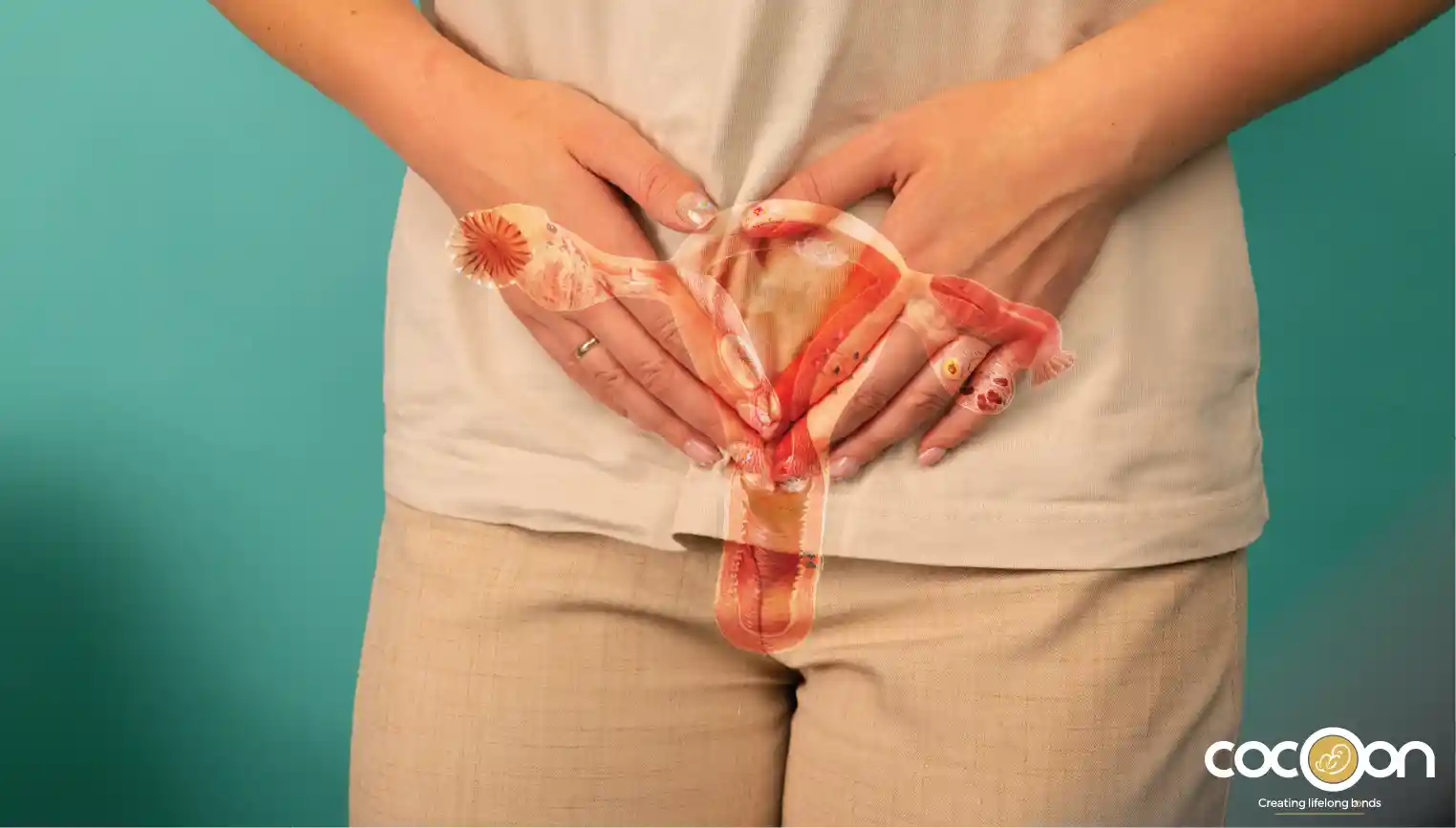
Are you feeling a bulge, fullness, or pressure in your vagina, or pressure or pain during intercourse? If yes, then you need to consult your doctor to evaluate your symptoms, because these can indicate pelvic organ prolapse (POP), where pelvic organs (vagina, uterus, bladder, and rectum) drop from their typical positions.
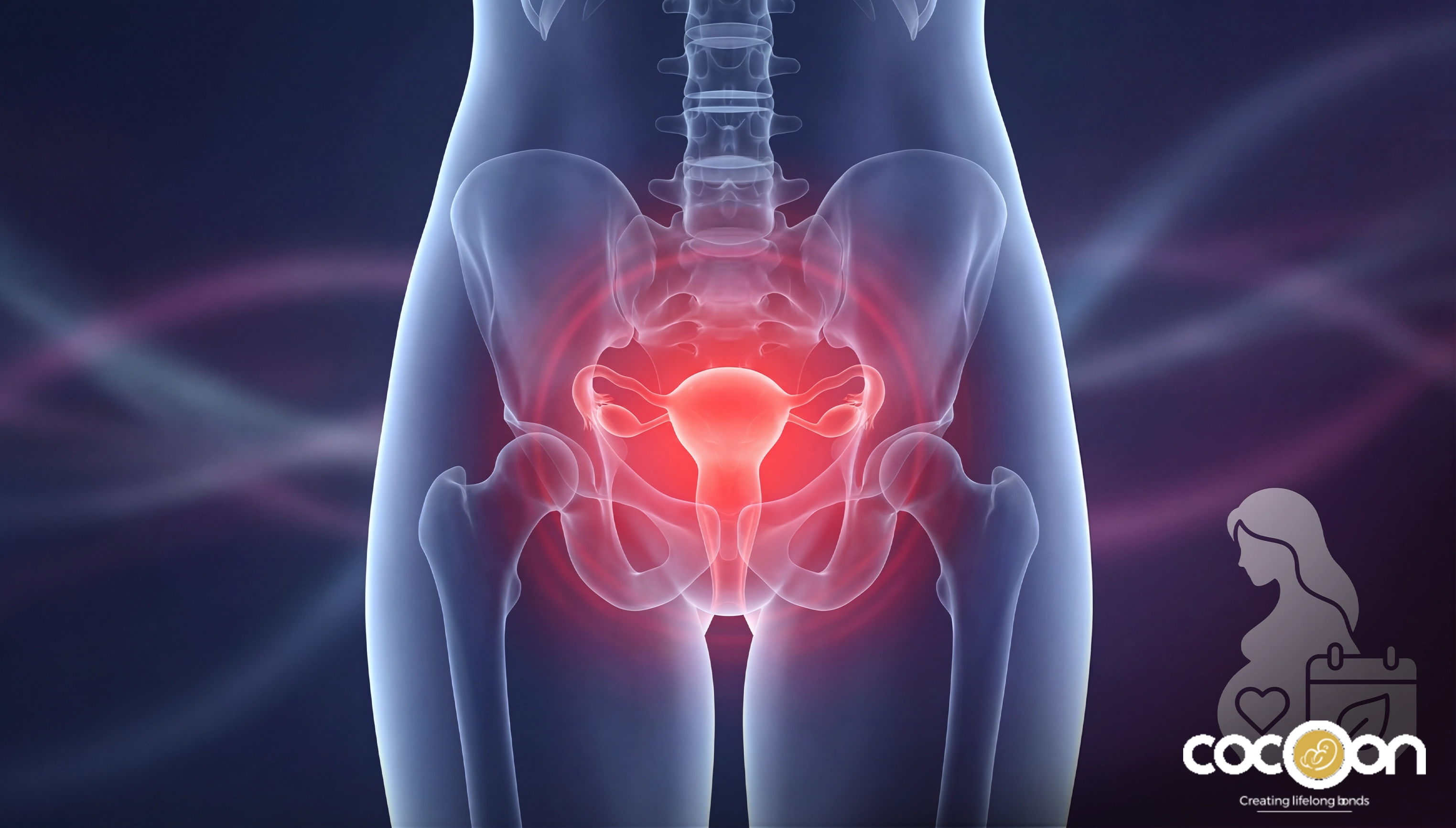
POP happens when the muscles, ligaments, and connective tissues that normally support the pelvic organs become weak. This allows the bladder, uterus, rectum, or other pelvic structures to drop from their usual position.
It is a treatable condition; your doctor can recommend nonsurgical and surgical options based on your situation. If unaddressed, POP can be uncomfortable and affect your quality of life; therefore, contact your doctor to protect long-term health.
Read Also: Common Gynecological Surgeries & Procedures Explained
What Is Pelvic Organ Prolapse?
Pelvic organ prolapse is when one or more pelvic organs (e.g., bladder, uterus, rectum, or other pelvic structures) drop from their position. This makes a bulge in the vagina, known as prolapse.
Pelvic organ prolapse can be treated. Often, nonsurgical treatment like pelvic floor exercises and a vaginal pessary helps. Sometimes, surgery might be required to put the pelvic organs back in place.
Different Types of Pelvic Organ Prolapse
The type of prolapse depends on where the weaknesses are in your pelvic floor and what organs the weakness affects.
| Type of prolapse | What happens |
| Bladder prolapse (cystocele) | The bladder bulges into the front wall of the vagina |
| Uterine prolapse (dropped uterus) | The uterus drops downward into the vaginal canal |
| Rectocele | The rectum bulges into the back wall of the vagina |
| Enterocele | The small intestine pushes into the vaginal area |
| Vaginal vault prolapse | The top of the vagina drops, usually after a hysterectomy |
Read Also: Preparing for Gynae Surgery: Before, During & After Care
What Is the Most Common Symptom of Pelvic Organ Prolapse?
The most common symptom is feeling a bulge in the vagina, as if something were falling out of it.
Other symptoms can include:
- Pelvic pressure, heaviness, or fullness
- Feeling that something is falling out of the vagina
- Lower back discomfort
- Urinary leakage
- Frequent or urgent urination
- Changes to how you pee or poop
- Weak urine stream
- Constipation
- Difficulty emptying the bowel
- Not being able to keep in a tampon
- Needing to press inside or around the vagina to pass stool
- Pressure or pain during coitus (dyspareunia)
- Difficulty keeping a tampon in place
Read Also: C-Section Vs. Vaginal Birth: Pros, Cons & Choosing What’s Right For You
Causes Pelvic Organ Prolapse
The basic cause is weakening or stretching of the tissues that support the pelvic organs.
Pregnancy and vaginal childbirth are among the most important risk factors.
Any of the following factors make you more at risk for pelvic organ prolapse:
Aging
- Menopause-related tissue changes
- Higher body weight
- Previous pelvic surgery or hysterectomy
- Chronic constipation and straining
- Long-term coughing
- Frequent heavy lifting
- Family history of prolapse
- Certain connective tissue disorders
Note: POP usually develops from a combination of factors rather than one single event.
How Is Pelvic Organ Prolapse Diagnosed?
Your doctor will review your symptoms and perform a pelvic examination. They may ask you to cough so that they can note the full extent of your prolapse when you’re straining and when you’re relaxed.
Doctors can order additional tests:
- Pelvic floor function tests
- Bladder function tests
- A pelvic floor ultrasound or MRI
During examination, your doctor may ask about:
- The sensation of vaginal pressure or bulging
- Urinary leakage or difficulty urinating
- Constipation or bowel problems
- Sexual discomfort
- Previous pregnancies and deliveries
- Previous pelvic surgery
- How symptoms affect your daily activities
The Pelvic Organ Prolapse Quantification (POP-Q) system is commonly used to describe the severity of prolapse.
| POP-Q stage | General meaning |
| Stage 0 | No prolapse |
| Stage 1 | Mild descent, still well above the hymen |
| Stage 2 | Prolapse is close to the hymen |
| Stage 3 | Prolapse extends beyond the hymen but is not completely outside |
| Stage 4 | Complete or near-complete vaginal eversion |
What Is the Most Effective Treatment for Pelvic Prolapse?
There is no single "most effective" treatment plan; it will depend on how severe the prolapse is, where it is, and how much your symptoms affect you.
Here are the possible treatment options:
- Watchful waiting
- Pelvic floor exercises
- Vaginal pessary
- Surgery (for example, colpocleisis, sacrocolpopexy, sacrohysteropexy, colporrhaphy, uterosacral or sacrospinous ligament fixation)
How to Avoid Pelvic Organ Prolapse?
You cannot always prevent POP completely, especially when factors such as childbirth, aging, or genetics are involved.
But you can put healthy habits into place to reduce your risk.
- Do pelvic floor exercises daily
- Maintain a healthy weight
- Prevent constipation
- Don’t smoke
- Avoid excessive straining during bowel movements
Conclusion
Pelvic organ prolapse is the result of weakened pelvic floor tissues that cause a bulge. Pregnancy and vaginal childbirth are among the most important risk factors.
There are things you can do to help stop weakness in these pelvic floor tissues, such as maintaining a healthy weight, performing pelvic floor exercises, treating chronic coughing, etc.
But contact your healthcare provider if you notice signs of pelvic floor prolapse, such as feelings of pressure or fullness in the pelvis, discomfort during intercourse, or feeling like something is falling out of the vagina, leaking pee, or feeling like you always have to pee, etc.
Treatment options can range from simple observation and pelvic floor exercises to pessary use and reconstructive surgery. The best choice isn't necessarily the most aggressive treatment; it's the one that matches your symptoms, anatomy, health, and personal goals. Hence, always follow your doctor's advice.
Disclaimer: This blog is for informational use. Contact a healthcare provider for accurate information about pelvic organ prolapse.