 08929816349
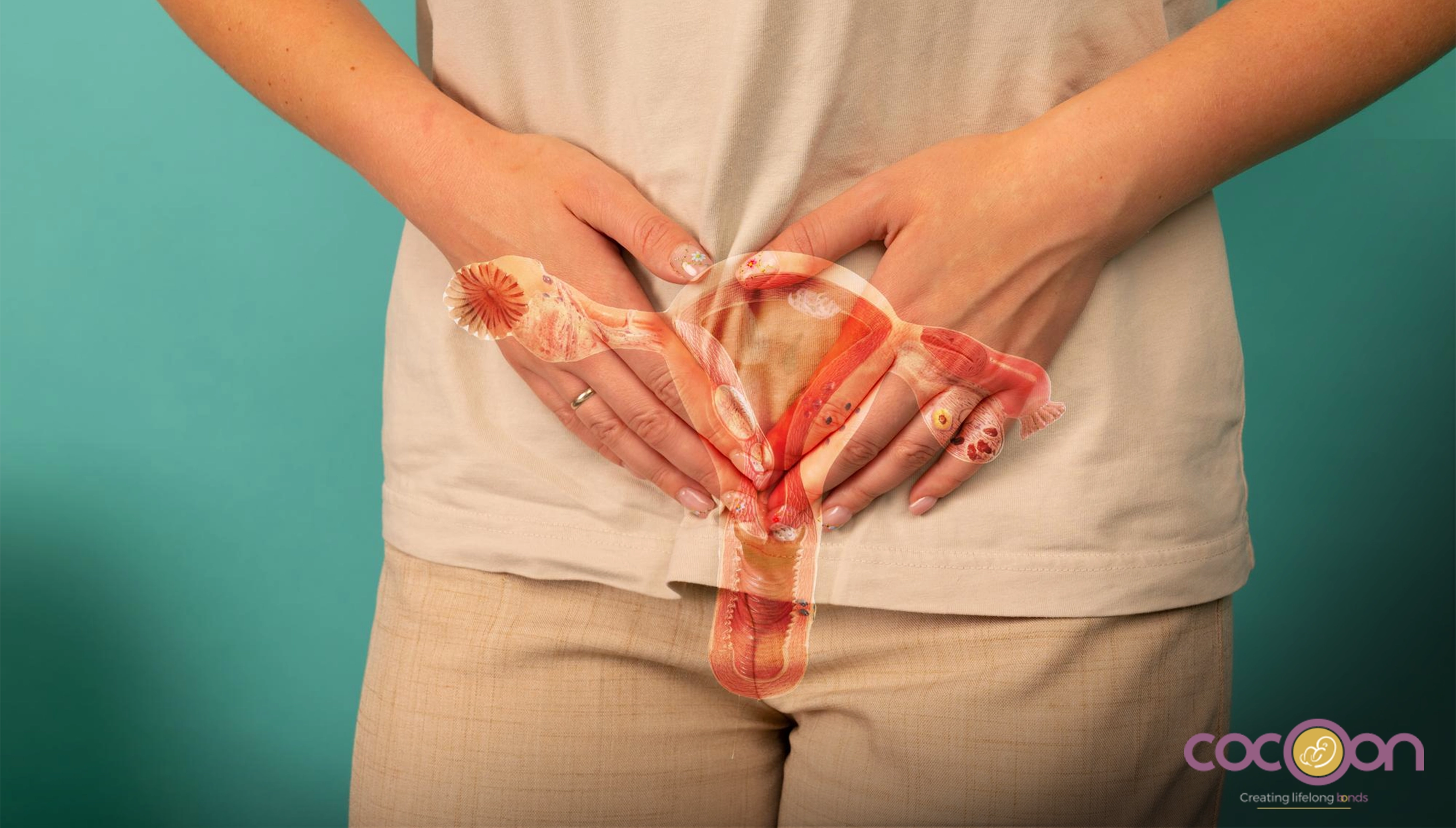
If you are experiencing vaginal dryness and burning, pain with intercourse, reduced arousal or difficulty achieving orgasm, or urgency, frequency, or burning with urination, these symptoms may not be separate problems.
They can be part of a condition called genitourinary syndrome of menopause (GSM). GSM is an updated term for the condition previously known as vulvovaginal atrophy, atrophic vaginitis, or urogenital atrophy. It encompasses a range of symptoms and conditions tied to menopause-related changes in the genitals and urinary tract.
GSM happens mainly because falling oestrogen levels during and after menopause affect the vagina, vulva and lower urinary tract. It is very common, affecting more than half of postmenopausal women, yet it is usually underdiagnosed, as many women feel uncomfortable discussing symptoms.
A Gynecologist in Jaipur says that GSM can be diagnosed and treated, and you do not have to accept these changes as a normal part of ageing. Treatment options include hyaluronic acid creams, local ultra-low-dose oestrogen, hormonal treatments, etc. Therefore, consult your doctor in a timely manner to address your symptoms and live a discomfort-free life.
What Is Genitourinary Syndrome of Menopause (GSM)?
GSM is a condition where the lining of the vagina becomes drier and thinner, resulting in itching, burning and pain during coitus, among other symptoms. The condition also includes urinary tract problems such as urinary tract infections (UTIs) and urinary incontinence.
Vaginal atrophy has been replaced with the newer term, genitourinary syndrome of menopause (GSM). This new term helps describe not just the vaginal but also the urinary symptoms linked to low oestrogen levels.
Causes of GSM
Less oestrogen during menopause is the primary cause.
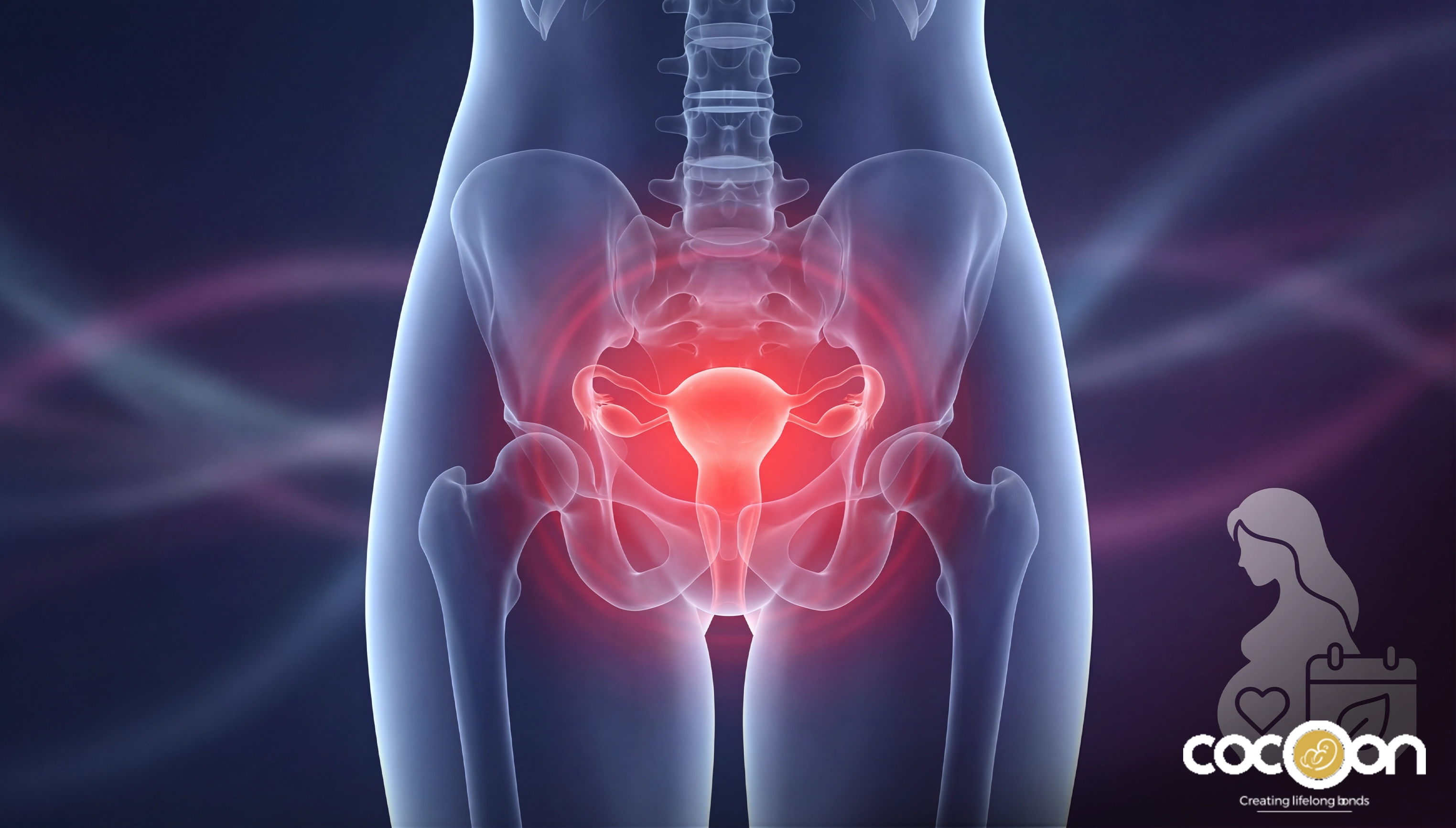
When oestrogen levels decline, tissues around the vagina, vulva, urethra and bladder get thinner, less elastic and less well lubricated. Additionally, the flow of blood and natural moisture can decrease. This results in some women noticing symptoms that affect not only their comfort but also their intimate health and quality of life.
Unlike some temporary menopause symptoms, the genitourinary syndrome of menopause can be chronic and progressive. Symptoms may become more noticeable over time if they are not managed.
What Are the Genitourinary Syndrome of Menopause Symptoms?
The symptoms of GSM can vary from woman to woman.
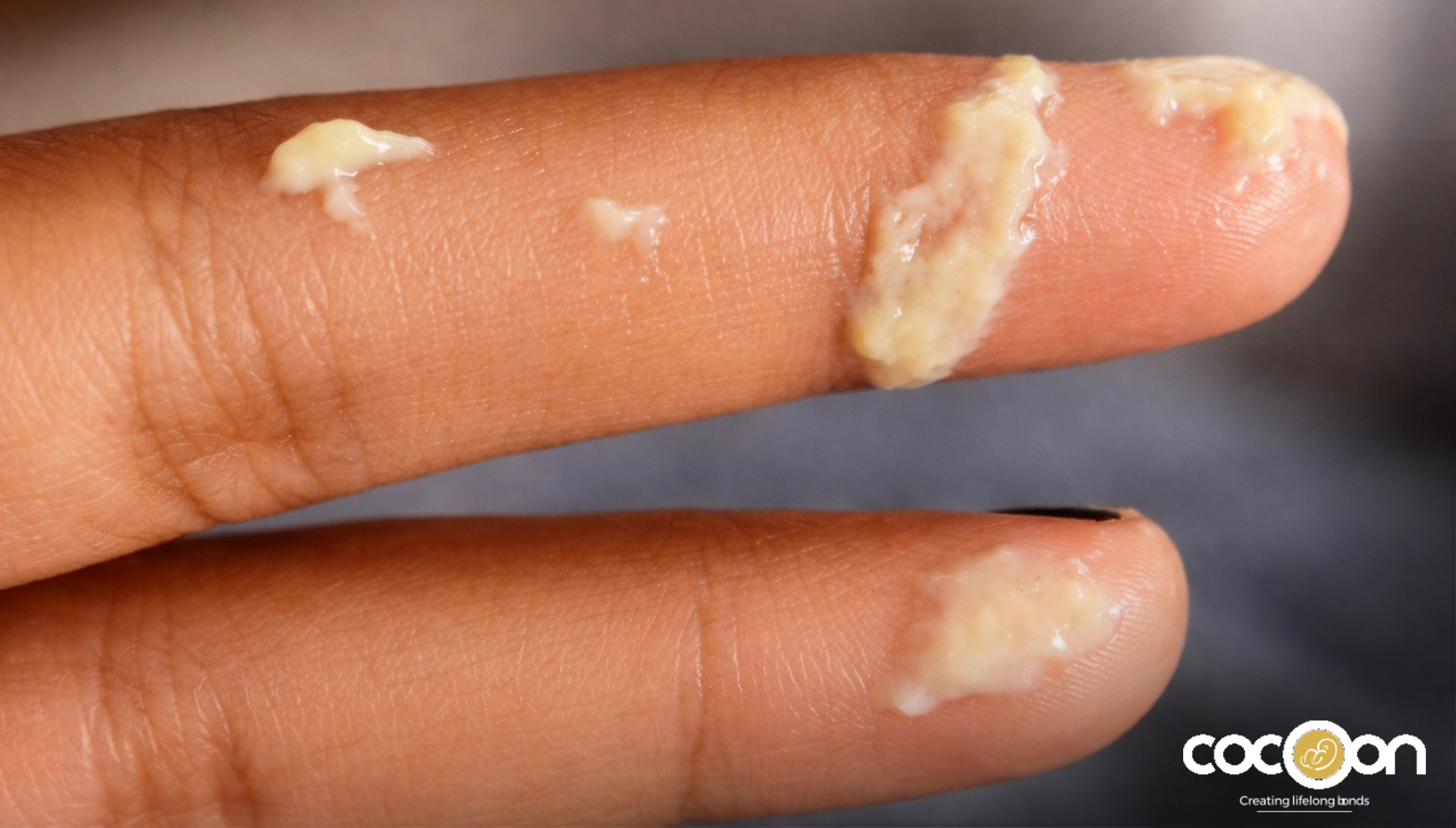
Vaginal dryness is one of the most commonly recognised symptoms. You might notice discomfort, irritation or a feeling of dryness during everyday activities or intercourse.
Other symptoms of the genitourinary syndrome of menopause include:
Vaginal Symptoms
Dryness, burning, itching, irritation, thinning of tissues or discharge.
Sexual Symptoms
Pain with intercourse, decreased lubrication, lowered arousal or trouble achieving orgasm.
Urinary Symptoms
Urgency, frequency, burning with urination, incontinence or recurrent urinary tract infections.
How Is Vaginal Atrophy (GSM) Diagnosed?
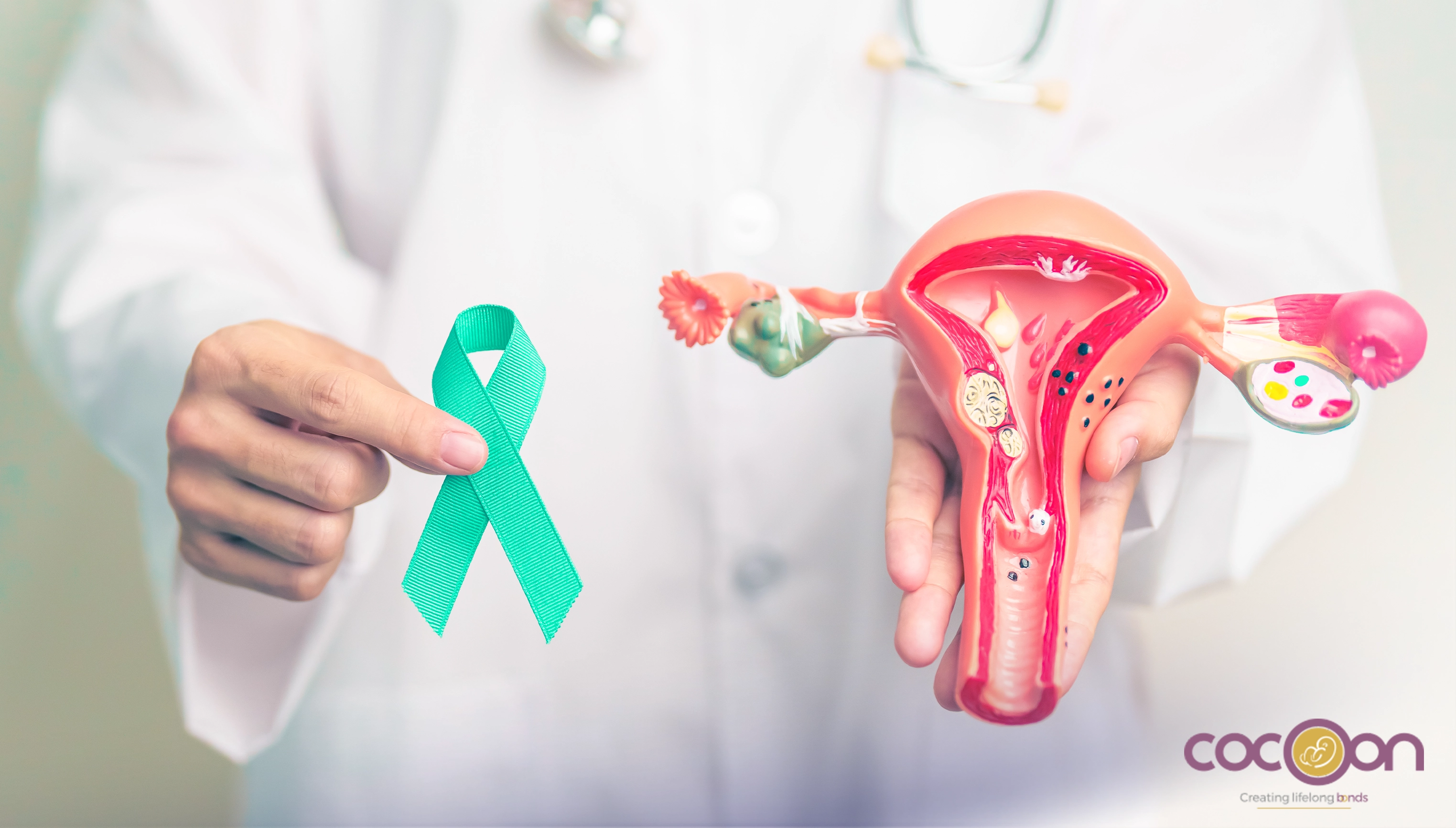
A gynaecologist in Jaipur can diagnose genitourinary syndrome of menopause based on your symptoms and a pelvic examination to look at your vagina and cervix.
Classic signs of atrophy during a pelvic exam include:
- A narrowed vagina.
- Dryness, redness and swelling.
- Loss of stretchiness.
- Whitish discolouration of the vagina.
- Vulvar skin conditions, vulvar lesions and/or vulvar patch redness.
- Minor cuts (lacerations) in the vicinity of the vaginal opening.
- Decrease in the size of the labia.
In many cases, laboratory testing is not required to identify GSM. But your doctor may recommend additional tests when your symptoms suggest another condition.
Gynecologist in Jaipur may do the following tests to rule out other conditions:
- Pap test.
- Urine sample.
- Ultrasound.
- Vaginal pH (acid test).
- Vaginal infection testing.
The untreated GSM symptoms can affect intimacy, activity, confidence and overall quality of life. Other concerns that may arise if GSM is left untreated are:
- Vaginal tissues can become increasingly fragile.
- The vaginal opening may become narrower.
- Recurrent urinary infections can become an ongoing concern.
Remember, there is an important difference between saying, “This can happen during menopause,” and saying, “You have to suffer through it.”
Therefore, timely treatment is necessary to improve the quality of your life during or after menopause.
Genitourinary Syndrome of Menopause Treatment Options
Treatment is decided based on your symptoms, their severity, your medical history and your personal preferences.
The first emphasis for many women with mild symptoms is a non-hormonal approach. For persistent or moderate-to-severe symptoms, doctors can recommend local hormonal treatment.
Below are the treatment options for GSM:
1. Vaginal moisturisers & lubricants (considered first-line approaches)
Non-hormonal vaginal moisturisers adhere to the vaginal tissue to help the cells maintain moisture.
Vaginal lubricants should be used during intercourse to lower friction and pain during intercourse. They’re water-, silicone-, or oil-based.
2. Local vaginal oestrogen (gold-standard treatment for persistent GSM)
If non-hormonal measures fail to alleviate the symptoms, local vaginal oestrogen can be an important treatment option. It directly addresses the effects of reduced oestrogen on vaginal tissues.
It may be available in forms such as vaginal oestrogen cream, vaginal ring or vaginal tablet.
3. DHEA and other treatment options
Vaginal DHEA is another prescription option that may be considered for some women.
A selective oestrogen receptor modulator, or SERM, such as ospemifene, may also be an option in appropriate cases. These treatments work differently, so your doctor can help determine which approach best fits your symptoms and medical history.
Research has also explored vaginal laser treatments. However, these therapies still require more evidence, and routine use is not recommended by some professional organisations.
Quick Overview of GSM Treatment Options
| Treatment option | What it may help with |
| Vaginal moisturisers | Ongoing vaginal dryness and comfort |
| Personal lubricants | Reducing friction during intimate activity |
| Local vaginal oestrogen | Persistent GSM symptoms, including vaginal and urinary symptoms |
| Vaginal DHEA | Certain symptoms associated with GSM |
| Ospemifene/SERM | An oral non-oestrogen option for some women |
Conclusion
If you ask, can vaginal atrophy (GSM) be reversed? No. It can’t be cured; GSM can be progressive, so symptoms may continue or become more noticeable rather than simply disappearing. But you don’t have to live with the discomfort; with proper diagnosis and treatment, the symptoms can be managed.
When to go to a gynecologist in Jaipur
Consider speaking with a doctor or gynaecologist at Cocoon Hospitals, Jaipur, if during or after menopause you have persistent vaginal dryness, burning, painful intercourse (dyspareunia), unusual bleeding, urinary symptoms or recurrent UTIs.
Disclaimer: This blog is for informational use. Contact a healthcare provider for accurate information about the genitourinary syndrome of menopause symptoms & treatment.