 08929816349

Trichomoniasis (trich) is a common but curable sexually transmitted infection (STI). It is caused by the parasite Trichomonas vaginalis.
Most people who have trich don’t have symptoms; this means they can unknowingly transmit the infection to their intimate partner.
When symptoms do occur, they may include:
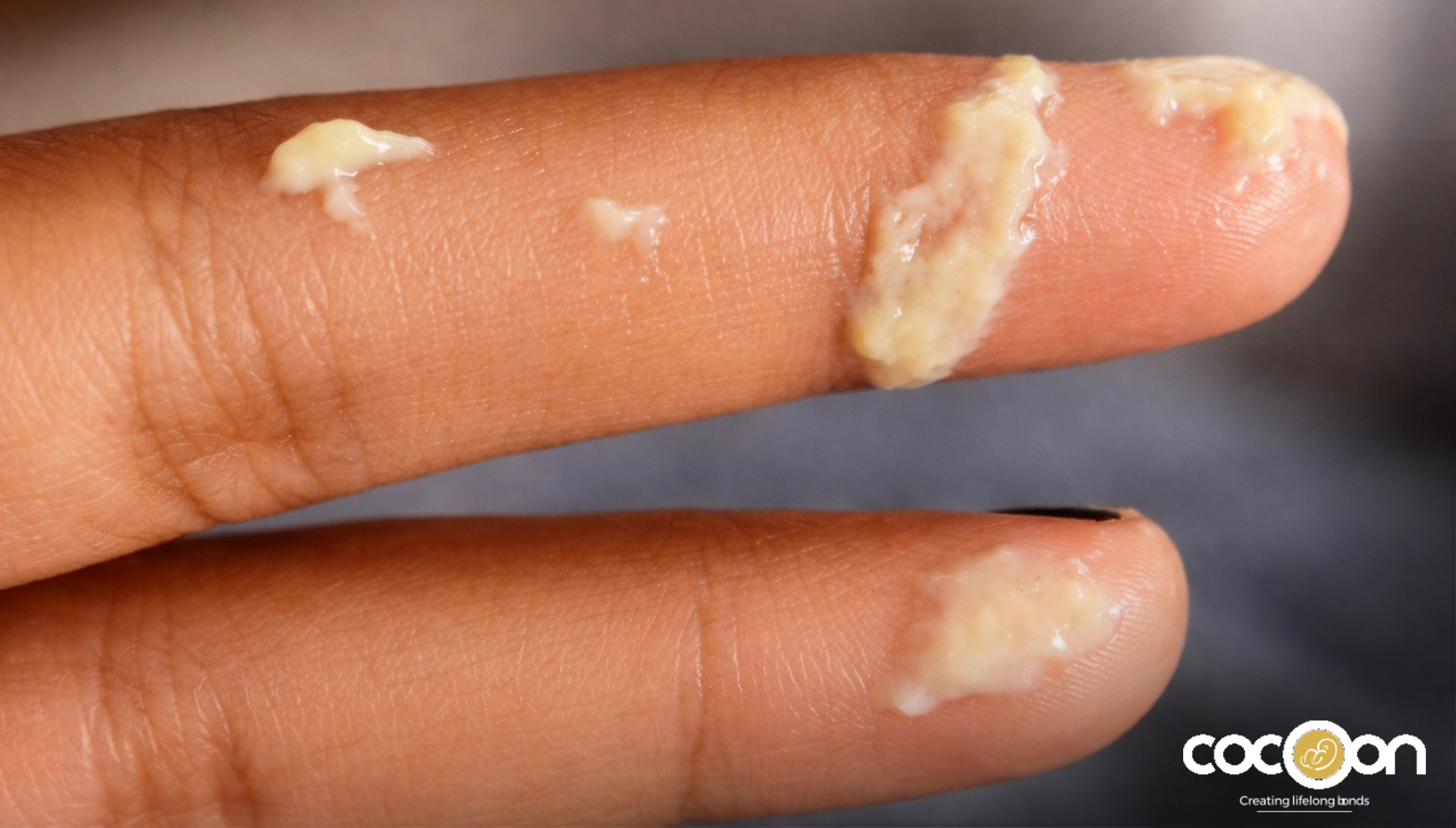
- In females: Thin white, yellow, or greenish vaginal discharge followed by bad odor, irritation around the opening of the vagina, and pain or discomfort during intercourse or when peeing.
- In males: Froth-like discharge from the penis, burning after ejaculation, painful urination, or irritation or itching inside the penis.
The good news is that trichomoniasis is treatable with prescription oral medication. Doctors may usually recommend a 5-nitroimidazole such as metronidazole or tinidazole.
There are chances of reinfection; hence, intimate partners also need treatment. Intercourse must be avoided until the course of treatment has been completed and symptoms have resolved.
Read Also: White Discharge In Pregnancy: A Guide To What’s Normal And What’s Not
Quick Overview: Trichomoniasis
Read the table below to have a comprehensive understanding of trichomoniasis:
| Question | Short answer |
| What causes trichomoniasis? | Trichomonas vaginalis, a protozoan parasite |
| Is it an STI? | Yes |
| Can men and women get it? | Yes |
| Does it always cause symptoms? | No |
| Is it curable? | Yes |
| How is it treated? | Prescription oral medication |
| Can it come back? | Yes, especially through reinfection |
| Can condoms reduce risk? | Yes, when used correctly and consistently |
What Is Trichomoniasis?
Trichomoniasis is also known as “trich.”
It is a sexually transmitted infection caused by the single-celled parasite Trichomonas vaginalis, which primarily affects the urogenital tract. It can occur in both women and men.
Trich is considered the most common nonviral STI worldwide.
According to the WHO, there were about 156 million new T. vaginalis infections among people aged 15–49 in 2020.
Trich is known to spread so easily because the infection is frequently asymptomatic, and the infected person may not realize if anything is wrong.
Symptoms of Trichomoniasis
Many people don't have symptoms. But when they happen, trich symptoms are different for men and women.
| In Women | In Men |
| Thin (or sometimes foamy) white, yellow, or greenish vaginal discharge that has a bad odor. | Froth-like discharge from the penis. |
| Irritation around the opening of the vagina. | Burning or pain during urination. |
| Vaginal redness or soreness around the opening of the vagina. | Urethral irritation. |
| Pain during intimate activity. | Discomfort after coitus. |
| Pain or burning when peeing. | Occasionally prostatitis (inflammation or infection in the prostate) or epididymitis (inflammation in the sperm-carrying tube at the back of the testicle). |
Women tend to have more noticeable symptoms than men.
What Causes the Trich?
Trich is caused by a small parasite called Trichomonas vaginalis.
The infected person can give trich to someone else through:
- Vaginal-penile or vaginal-vaginal intercourse.
- Anal sex.
- Oral sex.
- Genital touching (skin-to-skin contact without ejaculation).
Note: Trich can’t spread trich by sharing food and drinks, kissing, holding hands or through other nonsexual forms of contact.
Risk Factors
Trich can affect anyone. Women are more likely to get trich.
Risk can be higher with factors such as:
- Intimacy without barrier protection.
- Multiple sexual partners.
- History of STI.
- Sexual contact with an infected partner.
- Limited access to STI testing and treatment.
How Doctor Diagnose Trichomoniasis?
Your doctor may perform the following tests to diagnose trich:
- Physical examination of the symptoms.
- Lab test to examine a sample of the vaginal or penile discharge under a microscope to check for signs of infection.
- Rapid antigen testing
- NAAT (Nucleic acid amplification testing) is highly sensitive and can detect the genetic material of the parasite with much greater sensitivity than wet-mount microscopy.
Can You Get Rid of Trichomonas Naturally?
No.
Trich doesn't go away on its own. You require an antibiotic to treat the infection.
Trichomoniasis Treatment
Trichomoniasis is a curable infection.
Treatment of trichomoniasis involves taking an antibiotic.
Doctors recommend oral medicines from the 5-nitroimidazole class. Commonly used medicines include metronidazole and tinidazole.
The exact regimen is based on factors such as:
- gender,
- treatment history,
- pregnancy status,
- drug interactions,
- allergies,
- and whether the infection has returned.
For Women
Doctors commonly recommend oral metronidazole 500 mg twice daily for 7 days.
For Men
Doctors commonly recommend oral metronidazole 2 g as a single dose. Tinidazole may be used as an alternative in appropriate patients.
FAQs
Can trichomoniasis be prevented?
Yes.
Trichomoniasis is a preventable condition.
Take these steps to protect yourself against getting or spreading trich and other STIs:
- Use condoms correctly and consistently.
- Get tested routinely for trich and other STIs.
- Get treated if you have trich or other STIs.
- Make sure partners receive appropriate treatment.
- Engage in a monogamous relationship with one sexual partner.
- Limit your number of sexual partners.
How does trichomoniasis (trich) affect pregnancy?
Trichomoniasis during pregnancy can increase the risk of complications such as early rupture of membranes and premature birth. Fortunately, the infection is easily cured with safe prescription antibiotics like metronidazole.
Why partner treatment matters?
Treating only one person can create a frustrating cycle: one partner gets treated, intimate contact resumes, and the re-infection happens. Therefore, sexual partners should be evaluated and treated when appropriate.
Avoid having intimacy for one week after finishing the medication. This gives the drug time to kill off the infection and for symptoms to clear up. Having coitus too soon can lead to reinfection.
Trichomoniasis vs. Other Vaginal Infections
Not every case of unusual discharge is trichomoniasis.
The discharge can be due to other vaginal infections.
| Condition | Typical cause | Common features |
| Trichomoniasis | T. vaginalis parasite | Discharge, irritation, odor, pain with urination or sex |
| Bacterial vaginosis | Imbalance of vaginal bacteria | Thin discharge and characteristic odor |
| Candidiasis | Overgrowth of Candida yeast | Itching, irritation, thick discharge |
| Chlamydia | Bacterium | Often asymptomatic; may cause discharge or urinary symptoms |
| Gonorrhea | Bacterium | Often asymptomatic; may cause discharge or urinary symptoms |
Because symptoms overlap, your doctor conducts appropriate tests for an accurate diagnosis.
Conclusion
If left untreated trich can increase your risk of becoming infected with the human immunodeficiency virus (HIV) if you’re exposed to the virus.
During pregnancy or breastfeeding, untreated trich can increase your risk of:
- Premature labor (childbirth before the 37th week of pregnancy).
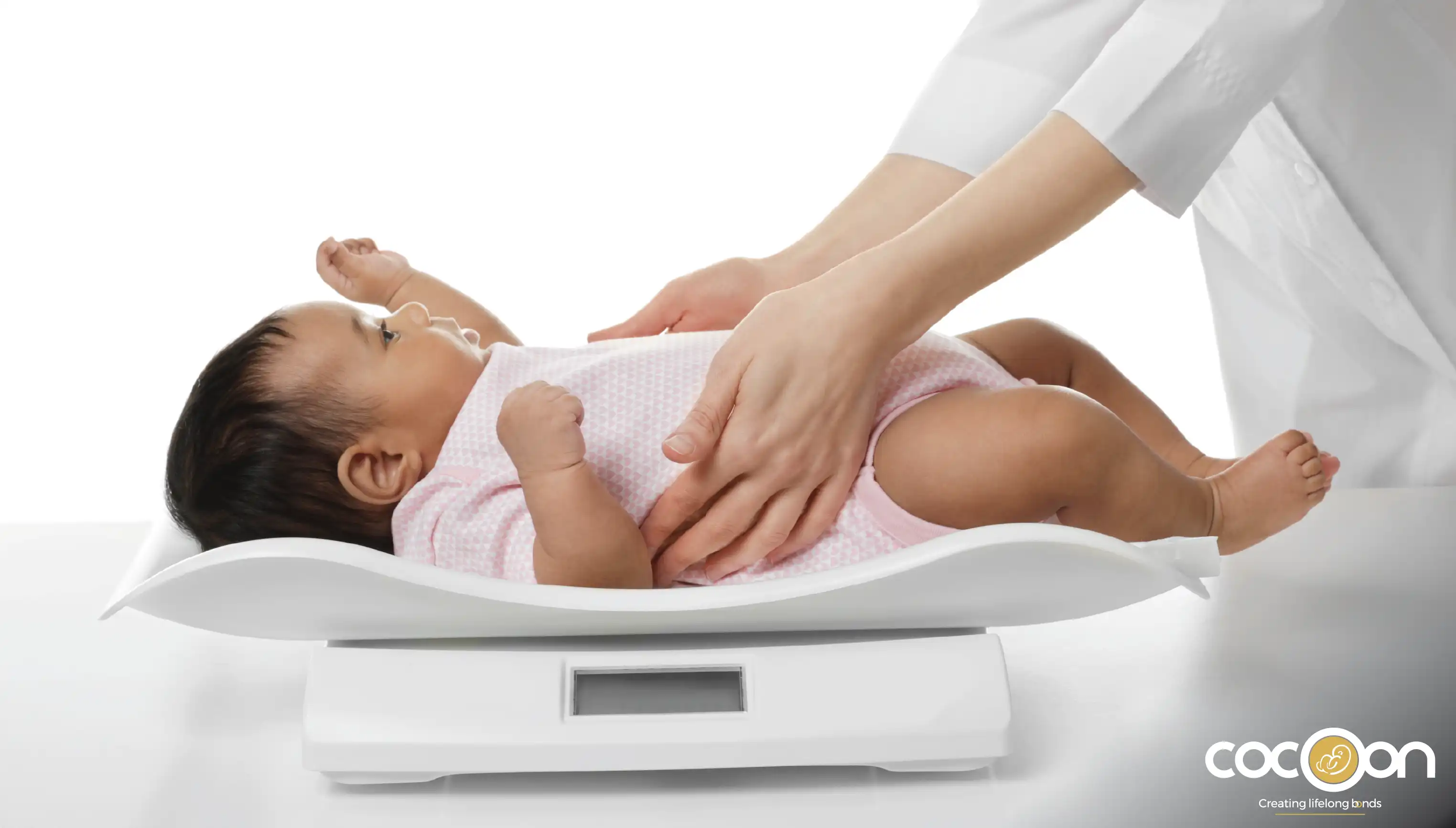
- Low birth weight (<2500 grams (5.5 pounds).
Therefore, contact your doctor promptly if you experience symptoms such as:
- Unusual vaginal or penile discharge.
- Foul-smelling discharge.
- Genital irritation or itching.
- Vaginal redness, soreness, or swelling.
- Painful intercourse.
Timely diagnosis and personalized antibiotic treatment can lower the risk of complications and prevent transmission to sexual partners.
Disclaimer: The blog is for informational use only. For accurate information about trichomoniasis, talk to your doctor.