 08929816349
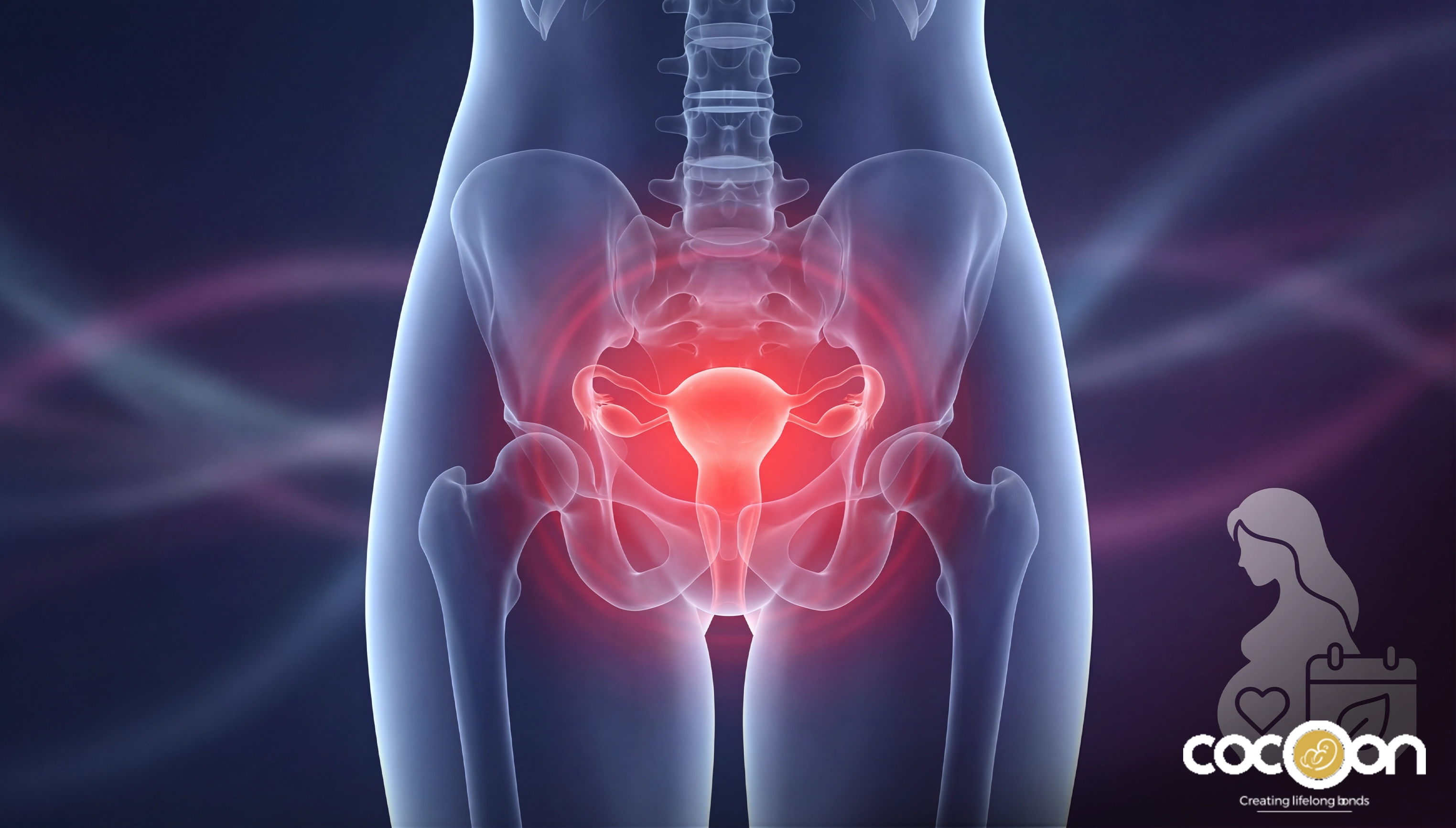
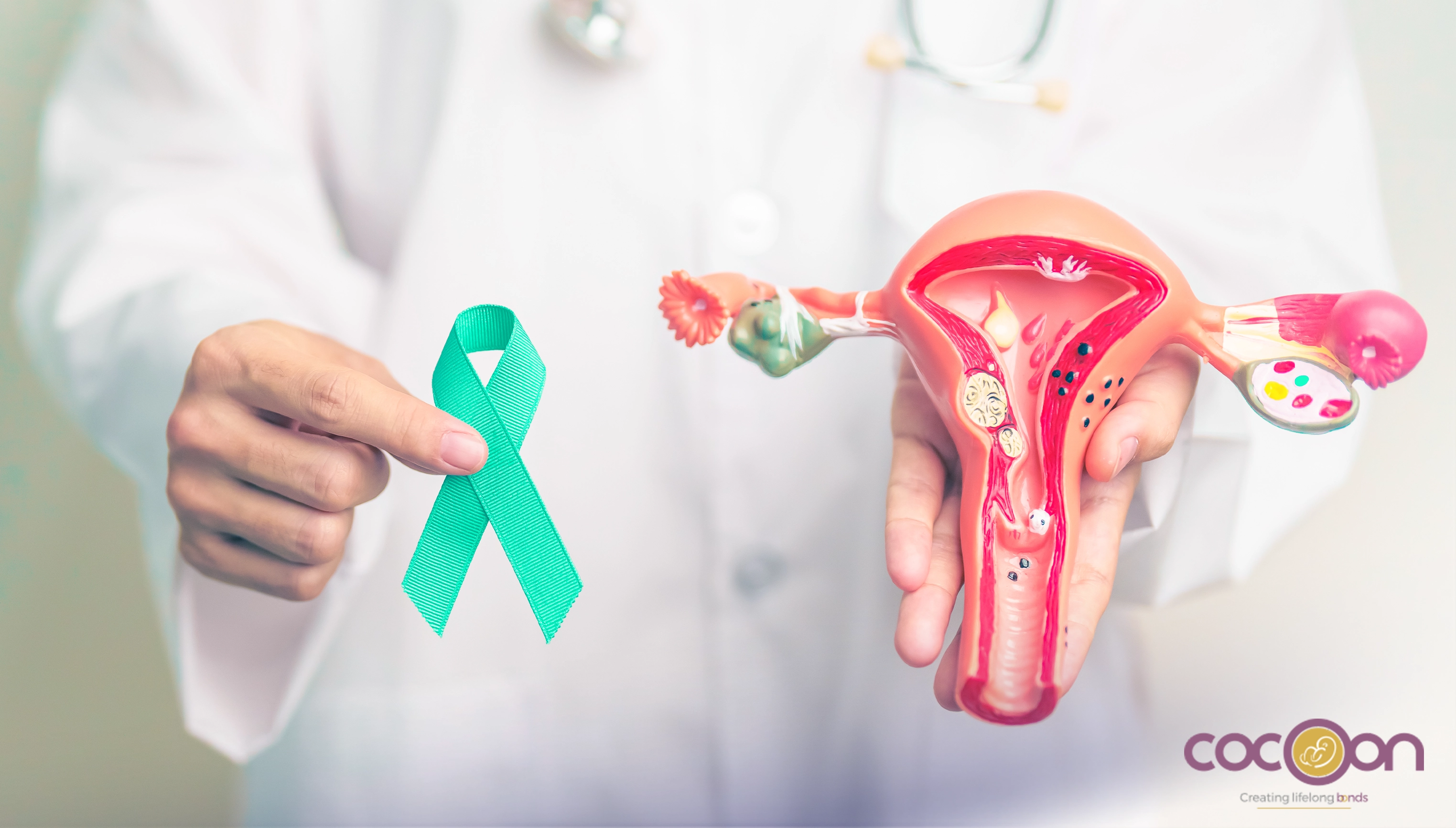
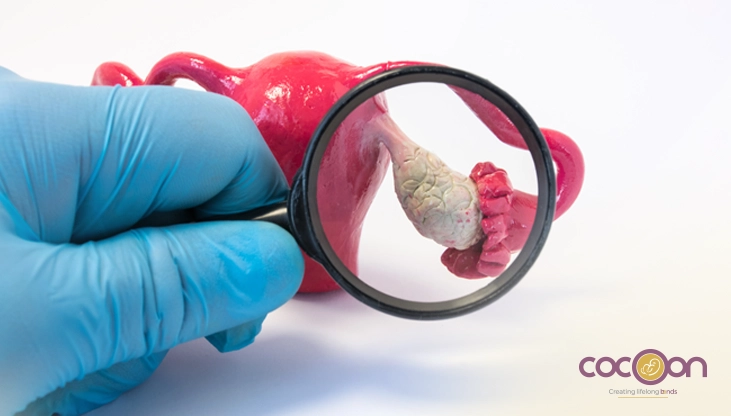
If you are experiencing vaginal and vulvar irritation, itching, burning, and pain during intercourse, you need to consult your doctor, as these symptoms can indicate vulvovaginal candidiasis (VVC).
VVC is a common fungal infection that occurs in reproductive-aged women, mostly caused by yeasts of the Candida species. A yeast infection can’t go away on its own; hence, you need to consult a healthcare professional. They can prescribe you medicine to kill the fungus. Make sure you complete the course of medicine as directed, and don’t stop taking it too soon, as the infection may come back.
Read Also: Vaginal Discharge: What’s Normal & When to Be Concerned
Quick Overview: Vulvovaginal Candidiasis
Read the table below to have a quick idea about VVC:
| Fact | Details |
| Medical name | Vulvovaginal candidiasis (VVC) |
| Common name | Vaginal yeast infection |
| Main cause | Overgrowth of fungus called Candida, usually Candida albicans |
| Is it an STI? | It isn’t a sexually transmitted infection (STI). However, intimate activity may sometimes contribute to irritation or transmission of yeast between partners. |
| Most common symptoms | Itching or burning in or around the vagina, thick, white discharge that looks like cottage cheese, redness and swelling around the vulva and vagina, small cuts or tiny cracks in the skin of your vulva, burning when peeing, and pain during coitus |
| Who gets it? | Mostly women of reproductive age |
| Lifetime occurrence | Around 75% of women experience at least one infection |
| Recurrent infection | About 5–8% develop recurring infections |
| Standard treatment | Oral or vaginal antifungal medications |
Read Also: C-Section Vs. Vaginal Birth: Pros, Cons & Choosing What’s Right For You
What Is Vulvovaginal Candidiasis?
Vulvovaginal candidiasis is a vaginal yeast infection that occurs when a fungus called Candida grows too much.
VVC is also known as:
- Vaginal yeast infection
- Vaginal candidiasis
- Vaginal thrush
How it Happens
Under healthy conditions, beneficial bacteria such as Lactobacillus help maintain an acidic environment in the vagina. This acidic pH naturally does not allow yeast growth.
But once this balance gets disturbed due to several factors, it allows yeast (Candida) to multiply rapidly and trigger symptoms such as vaginal itching, burning, thick white discharge, redness, etc.
The most common organism responsible for vaginal yeast infection is:
- Candida albicans (accounts for the majority of infections)
Less commonly, infections are caused by:
- Candida glabrata
- Candida tropicalis
- Candida krusei
- Other non-albicans Candida species
Read Also: Normal Delivery Tips from Doctors — What Actually Works
What Is the Root Cause of Candida Overgrowth?
As discussed above, overgrowth of Candida happens due to an imbalance in the body's natural microflora or a breakdown in immune defenses.
This imbalance is generally triggered by several factors, such as:
Antibiotics
Antibiotic use kills both harmful bacteria and beneficial vaginal bacteria. Without these protective vaginal organisms, yeast grows more easily.
Pregnancy
Changes in hormone levels during pregnancy increase glycogen levels inside vaginal tissues. This provides extra nutrients supporting yeast growth.
Diabetes
Unmanaged diabetes raises sugar levels in body tissues. This creates an environment where yeast can flourish without any resistance.
Hormonal Changes
Birth control pills, hormone replacement therapy, and menstrual cycle changes can disturb the vaginal ecosystem.
Weak Immune System
Conditions including HIV infection, cancer treatment, organ transplantation, or long-term corticosteroid use decrease the body's ability to keep a check on yeast growth.
How Do You Know if You Have a Yeast Infection Down There?
Only your doctor can confirm the diagnosis of vaginal yeast infection; therefore, if you experience the following symptoms, consult your doctor.
Common symptoms include:
- Intense vaginal itching
- Burning sensation around the vulva
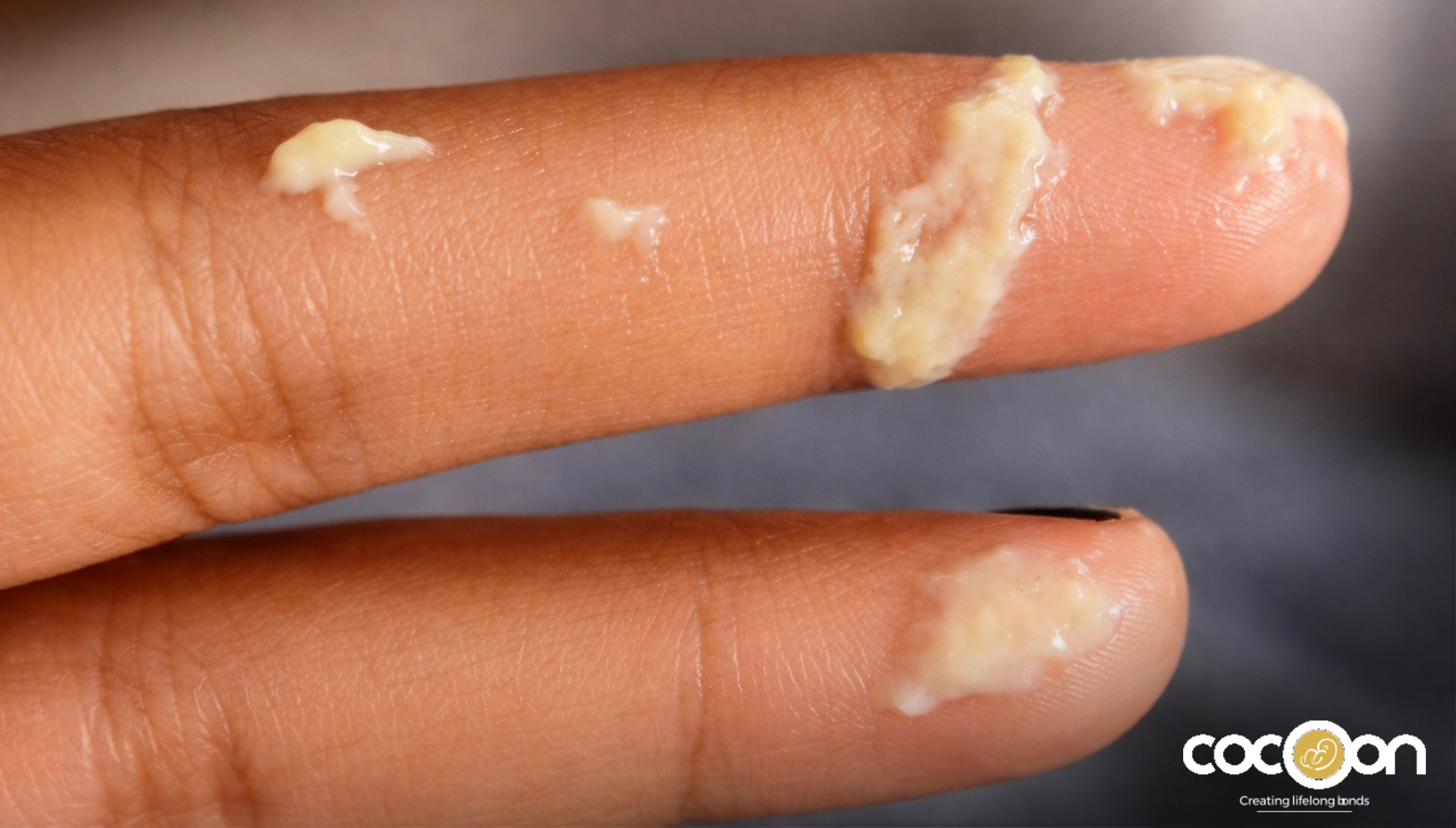
- Thick, white discharge that looks like cottage cheese
- Redness and swelling of the vulva
- Pain or burning during urination
- Pain during sexual intercourse
- Small cracks or soreness around the vaginal opening
- General vaginal discomfort
Vaginal Yeast Infection Treatment
Antifungal medications treat most vaginal yeast infections. These medicines work by fighting yeast overgrowth in your body.
Treatment depends on:
- Severity of symptoms
- Whether it's your 1st infection
- Pregnancy status
- Underlying medical issues
- Whether the infection is recurrent or caused by a non-albicans Candida species
Common Treatment Options
| Treatment | Typical Duration | Best For |
| Oral Fluconazole | Single 150 mg dose | Most uncomplicated infections (not during pregnancy) |
| Clotrimazole vaginal cream | 3–14 days | Mild to moderate infections |
| Miconazole cream/suppositories | 1–7 days | Over-the-counter treatment |
| Terconazole cream | 3–7 days | Prescription treatment |
| Butoconazole | Single application | Selected uncomplicated infections |
FAQs
Which test confirms a vaginal yeast infection?
Lab tests of vaginal fluid (a wet mount (wet prep) microscopic examination) can look for yeast or find the type of fungus causing the yeast infection.
What happens if the vaginal yeast infection keeps coming back?
If a vaginal yeast infection keeps coming back (4 or more times in a year), it is known as recurrent vulvovaginal candidiasis. Possible contributing factors include: Diabetes, frequent antibiotic use, pregnancy, immune disorders, corticosteroid therapy, infection with resistant Candida species, etc. Treatment is prescribed according to these factors.
Can a yeast infection go away on its own?
No, a yeast infection can’t go away on its own. Only a medication can kill the fungus to treat a vaginal yeast infection.
How can you prevent future yeast infections?
You can't prevent every infection, but following healthy habits can lower your risk.
- Wear cotton underwear
- Not douching (douching can kill bacteria that control fungus)
- Not use scented tampons or pads
- Change out of wet swimsuits quickly
- Keep diabetes well controlled
- Take antibiotics only when necessary
- Wash with water or gentle cleansers
- Wear loose-fitting clothing
- Practice good vulvar hygiene
Conclusion
Yeast infections are a very common fungal infection that most women will have in their lifetime. However, it is also highly treatable with medication. Therefore, if you notice symptoms such as vaginal itching, burning, redness, and thick white discharge, seek early medical advice to avoid unnecessary discomfort.
Are you looking for expert vaginal yeast infection (vulvovaginal candidiasis) treatment?
Contact Cocoon Hospital, a trusted destination for women’s healthcare for the past 13 years, at 08929816349 today to get personalised care and holistic support in Jaipur.
Meet Our Experts:
- Dr. Himani Sharma: 25 years of experience
- Dr. Priya Gupta: Over 22 years of experience
- Dr. Mitul Gupta: 24 years of experience
- Dr. Asha Susawat: 11 years of experience
- Dr. Adarsh Bhargava: 50 years of experience
- Dr. Anupama Gangwal: Over 30 years of experience
- Dr. Fiyonika Porwal: 10 years of experience
- Dr. Nisha Mangal: Over 15 years of experience
Disclaimer: The blog is for informational use only. For accurate information about vaginal yeast infection, talk to your doctor.