 08929816349

Breast pain or tenderness during pregnancy is a very common early symptom of pregnancy because of rapidly increasing progesterone and estrogen levels. While the discomfort may feel concerning at times, it is usually a normal sign that your body is adapting to support and nourish your growing baby.
Explore this guide to understand its causes and relief methods in more detail.
Read Also: Pregnancy & Maternity Care in Jaipur: From Preconception to Delivery
Is Breast Pain During Pregnancy Normal?
Yes, breast pain, tenderness, and sensitivity are very common and normal during pregnancy, especially in the first and third trimesters.
Caused by:
- rapid hormonal changes
- increased blood flow
- tissue growth to prepare for breastfeeding
Trimester-Specific Insights
| Trimester | Common Symptoms | Typical Duration | Relief Focus |
| First | Intense tenderness, swelling, tingling | Weeks 4-12 | Prioritize bras and compresses |
| Second | Reduced soreness, possible growth aches | Eases mid-pregnancy | Continued support as size increases |
| Third | Mild fullness, colostrum leakage | Variable | Prepare for breastfeeding: moisturize nipples |
Key Symptoms of Pregnancy-Related Breast Pain
This discomfort can feel like:
- Intense tenderness and sensitivity
- Swelling and heaviness
- Dull aches or sharp pains
- Nipple sensitivity and tingling
- Veins may appear more visible (bluish/green)
Read Also: Pregnancy Tips For First-Time Moms
What Causes Breast Pain During Pregnancy?
Several physical and hormonal changes contribute to breast discomfort during pregnancy. Let's explore each of them in a detailed manner:
1. Hormonal Changes
Pregnancy hormones rise dramatically during the first trimester. Estrogen helps the milk ducts grow, while progesterone supports the development of milk-producing glands.
This rapid growth can make breasts feel
- Swollen
- Sensitive
- Heavy
- Painful to touch
Hormonal breast pain is typically felt in both breasts and may come and go throughout pregnancy.
2. Increased Blood Flow
During pregnancy, your blood volume increases significantly to support the developing baby. Extra circulation to the breasts can cause warmth, fullness, and tenderness.
You may also notice:
- More visible veins
- A tingling sensation
- Increased sensitivity around the nipples
3. Breast Enlargement
As breast tissue expands, the skin and supporting ligaments stretch. This natural enlargement can create pressure and soreness.
Many women increase by one or two cup sizes during pregnancy, especially by the third trimester.
4. Nipple and Areola Changes
The nipples and areolas become more sensitive during pregnancy because the body is preparing for breastfeeding.
Common changes include:
- Darker areolas
- Enlarged nipples
- Tingling sensations
- Increased tenderness
Even light friction from clothing may feel uncomfortable.
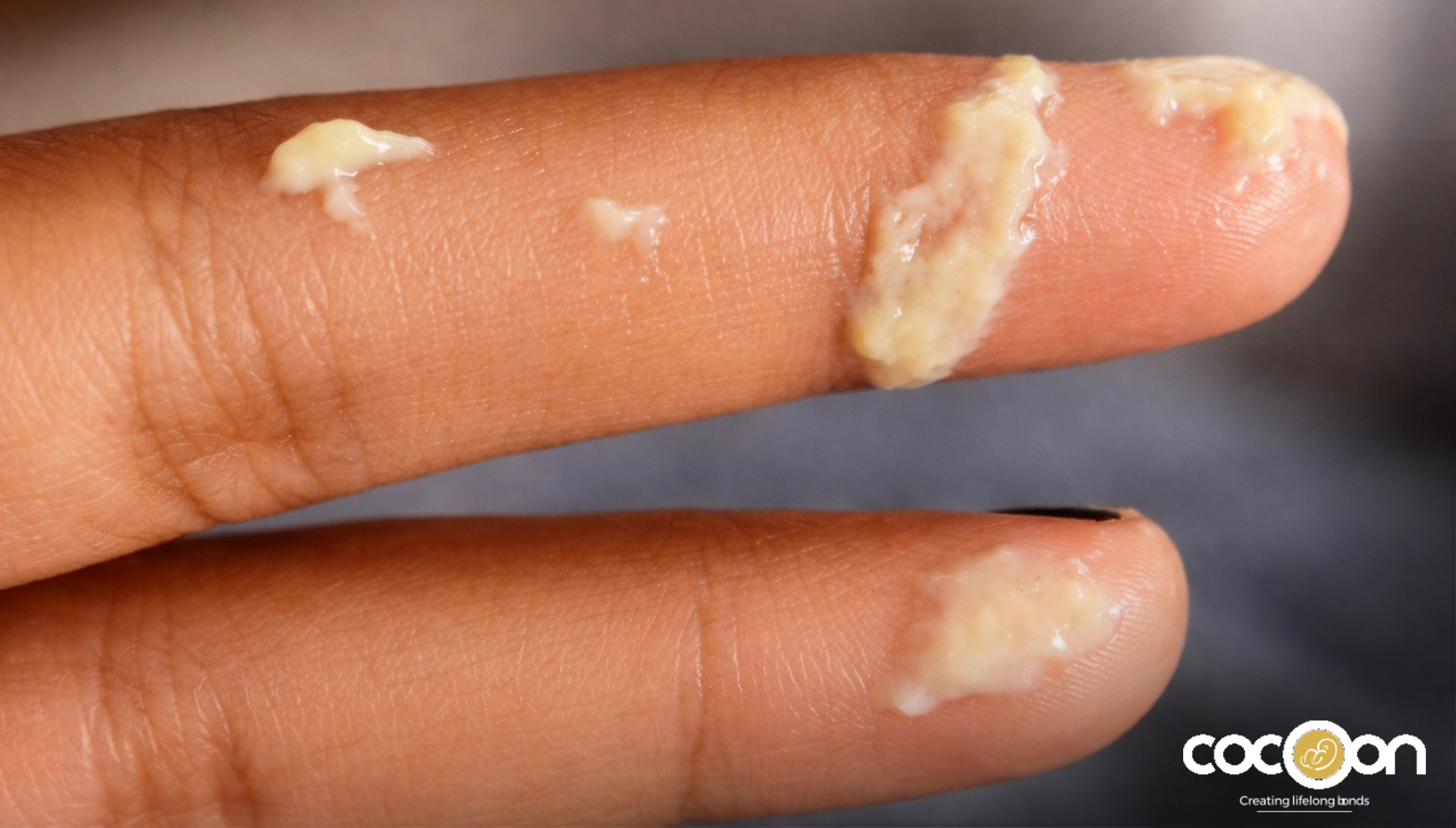
5. Colostrum Production
By the second trimester, the body may begin producing colostrum — the first nutrient-rich milk for the baby.
This early milk production can create additional pressure and discomfort in the breasts. Some women may also notice occasional leakage from the nipples.
What is Colostrum?
Colostrum is the first nutrient-rich milk produced during pregnancy. It supports your baby’s immune system and provides essential antibodies and nutrients before mature breast milk begins flowing after childbirth.
Read Also: Tips to Handle a High-Risk Pregnancy
Breast Pain During Each Trimester
Breast discomfort can change throughout pregnancy.
First Trimester
The first trimester is often when breast soreness feels strongest because hormone levels rise rapidly.
Symptoms may include:
- Intense tenderness
- Swelling
- Tingling
- Heavy feeling
Many women compare the sensation to PMS breast pain, only stronger and more persistent.
Second Trimester
For some women, breast pain eases during the second trimester as the body adjusts to hormonal changes.
However, you may still notice:
- Mild tenderness
- Nipple sensitivity
- Occasional sharp pains
- Continued breast growth
Third Trimester
In late pregnancy, breasts become fuller and heavier as the body prepares for breastfeeding.
Common symptoms include:
- Stretching discomfort
- Itchy skin
- Breast heaviness
- Back or shoulder strain
Leaking colostrum is also more common during this stage.
Read Also: First Trimester of Pregnancy: Symptoms, Changes, and What to Expect
When Should You Worry About Breast Pain?
Although breast pain during pregnancy is usually harmless, gynaecologists at Cocoon Hospital, Jaipur, say certain symptoms should not be ignored.
Contact your healthcare provider if you experience:
- Severe pain in one breast only
- Redness or warmth
- Fever
- A hard or painful lump
- Bloody nipple discharge
- Sudden swelling
- Persistent burning pain
These symptoms could indicate:
- Infection
- Mastitis
- Breast cysts
- Blocked milk ducts
- Rarely, breast cancer
Note: Persistent pain beyond the first trimester or unrelated to typical changes might need evaluation. Always discuss with your obstetrician to rule out non-pregnancy causes.
Read Also: Anemia During Pregnancy: Symptoms, Risks & Prevention
How to Relieve Breast Pain During Pregnancy: 7 Tips
Fortunately, there are several safe and effective ways to reduce breast discomfort.
1. Wear a Supportive Bra
A good maternity bra can bring huge relief.
Choose bras that are:
- Soft and breathable
- Wire-free
- Full coverage
- Properly fitted
- Supportive without being tight
Many women also benefit from wearing a sleep bra for nighttime support.
2. Apply Warm or Cold Compresses
Warm compresses can relax breast tissue, while cold packs help reduce swelling and numb soreness.
Tips for safe use:
- Apply for 10–15 minutes
- Avoid extreme temperatures
- Wrap ice packs in a towel
You can use whichever temperature feels more soothing.
3. Proper Clothing: “Avoid Tight Clothing”
Tight tops and restrictive bras can worsen breast sensitivity. Use loose, breathable fabrics such as cotton to help reduce friction and irritation.
4. Stay Hydrated
Drinking enough water helps reduce fluid retention and supports healthy circulation during pregnancy. Proper hydration may also help decrease swelling and discomfort.
5. Improve Your Posture
As breasts grow heavier, poor posture can increase chest, shoulder, and back pain.
Try to:
- Sit upright
- Relax your shoulders
- Use supportive pillows
- Sleep on your side
Gentle prenatal stretching may also help ease tension.
6. Moisturize the Skin
Stretching skin can become itchy and irritated. Ask your doctor for pregnancy-safe moisturizers to help soothe dryness and improve comfort.
Popular options include:
- Coconut oil
- Shea butter
- Cocoa butter
- Fragrance-free lotions
7. Sleep Comfortably
Side sleeping, especially on the left side with a pregnancy pillow, can reduce pressure on the breasts and improve sleep quality. As pregnancy progresses, avoid sleeping flat on your stomach.
Read Also: Trimester-by-Trimester Pregnancy Health Checklist
Can Breast Pain Be an Early Pregnancy Symptom?
Yes. Breast tenderness is often one of the earliest signs of pregnancy and can begin within one to two weeks after conception.
Early pregnancy breast pain is commonly described as the following:
- Fuller breasts
- Tingling nipples
- Increased sensitivity
- Heavier feeling than normal PMS symptoms
However, breast pain alone cannot confirm pregnancy. A pregnancy test is still necessary.
Does Breast Pain Mean the Pregnancy Is Healthy?
No, breast pain is a common early pregnancy symptom from hormonal changes, affecting most of the women, but it doesn't confirm a healthy pregnancy. Its absence or presence alone isn't diagnostic. Your doctor may conduct ultrasounds and prenatal checks to assess viability.
Conclusion
Breast pain during pregnancy is a normal and common experience caused by hormonal and physical changes preparing your body for breastfeeding. While mild discomfort is expected, supportive care and healthy habits can help ease symptoms. If the pain becomes severe, persistent, or unusual, consult your healthcare provider for proper guidance and reassurance.
FAQs
Q1: What part of the breast hurts in early pregnancy?
A: In early pregnancy, the entire breast often feels sore and heavy, with heightened tenderness in the nipples, areolas, and sometimes the outer upper quadrant near the armpit.
Q2: What kind of breast pain indicates pregnancy?
A: Tender, swollen, or tingling breasts, more persistent and intense than PMS, signal pregnancy, often starting 1-2 weeks post-conception due to hormonal surges.
Q3: Is nipple pain a sign of pregnancy?
A: Yes, nipple soreness, sensitivity, or tingling is a common early pregnancy sign from rising estrogen and progesterone, beginning as early as 1-2 weeks after conception.
Q4: Pain below breast during pregnancy. What does this indicate?
A: Pain below the breasts during pregnancy is usually caused by body stretching, growing breasts, or pressure from the expanding uterus. However, severe or sudden pain should be checked by a doctor immediately.