 08929816349


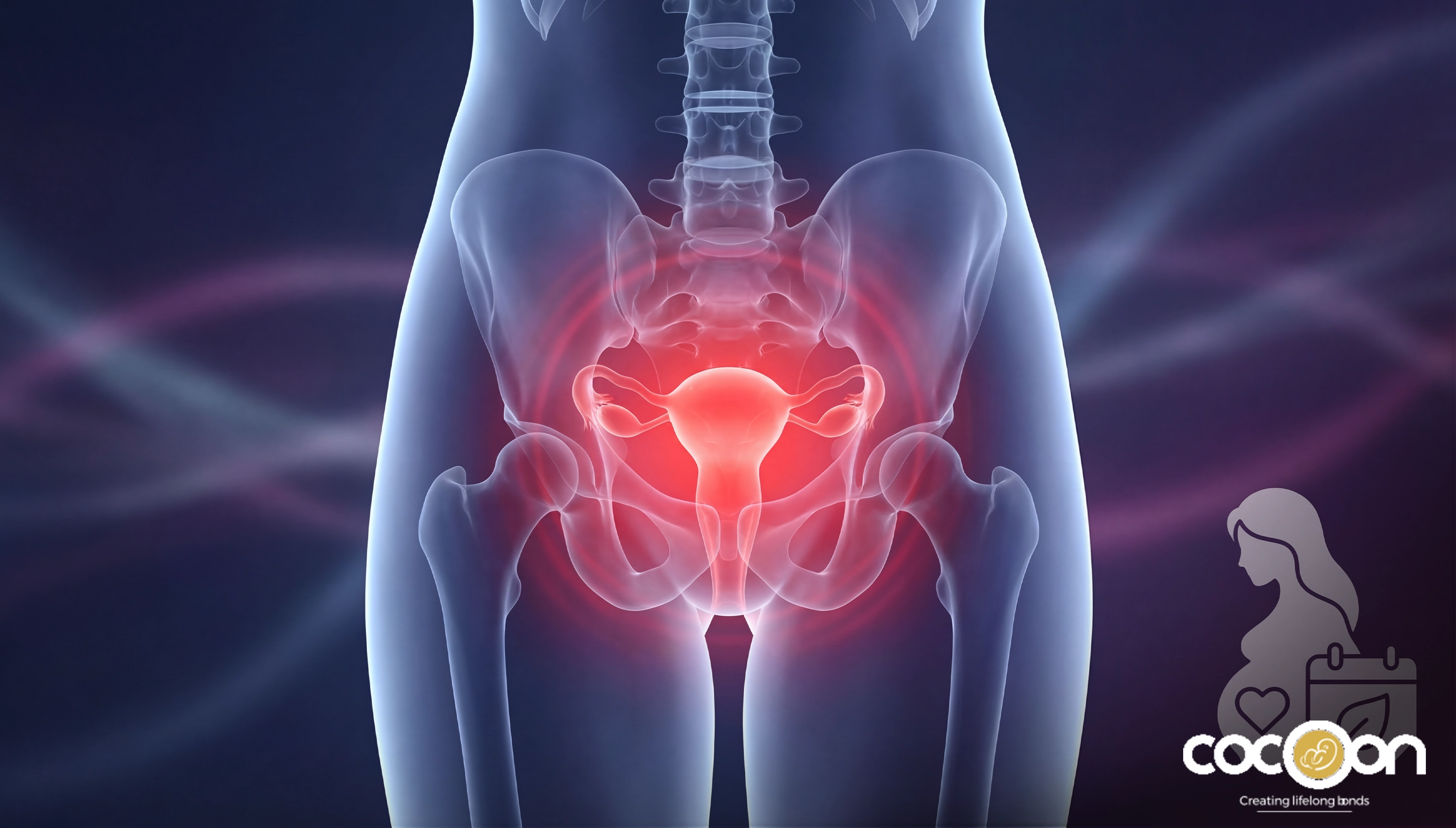
Abnormal uterine bleeding (AUB) means bleeding from the uterus that is atypical in its timing, duration, frequency, or amount. AUB may include vaginal bleeding that is heavier, longer, or more irregular than usual. While occasional changes in your menstrual cycle may not always signal a serious problem, repeated or unexplained abnormal bleeding should be evaluated by your gynecologist in Jaipur.
Imagine your menstrual cycle as a monthly schedule. It does not have to follow the exact same timetable every month; however, if the schedule suddenly becomes unpredictable, lasts much longer, or the flow becomes unusually heavy, it is worth finding out why.
The good news is that abnormal uterine bleeding is often treatable once the underlying cause is accurately diagnosed. Your doctor can recommend tests such as a pelvic ultrasound, a blood test, and a complete blood count (CBC) to identify the underlying cause.
After an accurate diagnosis, treatment can be personalised, ranging from medicines and hormonal therapy to minimally invasive procedures or surgery, depending on the cause, severity, age, and fertility plans.
What Is Abnormal Uterine Bleeding (AUB)?
AUB, also known as menometrorrhagia, is bleeding from the uterine lining that differs from your usual period pattern. It can involve changes in regularity, frequency, duration, or amount of bleeding.
AUB can happen at different stages of reproductive life and is particularly common during adolescence and the years approaching menopause.
Causes of Abnormal Uterine Bleeding
There is no single cause of AUB.
Here are the possible causes:
- Fibroids
- Polyps
- Adenomyosis
- Endometrial problems
- Ovulation problems
- Polyendocrine Metabolic Ovarian Syndrome (PMOS), formerly known as polycystic ovary syndrome (PCOS)
- Bleeding disorders
- Hormonal medicines or birth control
- Endometrial hyperplasia or cancer
- Weight changes and certain endocrine conditions
Your menstrual cycle depends on a carefully coordinated conversation between hormones, the ovaries, the uterine lining, blood vessels, and the immune system. If one part of this process is disrupted, bleeding may become abnormal.
What Are the Symptoms of AUB?
The signs and symptoms of abnormal uterine bleeding vary depending on the cause. The most obvious symptom is a change in your normal menstrual pattern.
Other common symptoms may include:
- Periods that last longer than 7 days.
- Very heavy menstrual bleeding.
- Soaking through a pad or tampon every hour for several hours.
- Passing unusually large blood clots.
- Spotting between periods.
- Bleeding after sexual intercourse.
- Periods occurring less than about 21 days apart or becoming very irregular.
- Bleeding after menopause.
- Fatigue, weakness, or breathlessness due to blood loss and anaemia.
How Is Abnormal Uterine Bleeding Diagnosed?
There is no single test that diagnoses every case of menometrorrhagia.
Your doctor generally starts by understanding your menstrual history, symptoms, medical history, medications, pregnancy possibility, and fertility plans.
Depending on your symptoms, tests may include:
- Pregnancy test (to rule out pregnancy-related bleeding)
- CBC
- Thyroid tests
- Hormone tests
- Clotting tests
- Transvaginal ultrasound
- Saline infusion sonohysterography
- Hysteroscopy
- Endometrial biopsy
Your healthcare provider will also perform a physical exam, including:
- Pelvic examination
- Pap smear (depending on when your last one was)
How Is Abnormal Uterine Bleeding Treated?
The treatment of AUB depends on what’s causing your bleeding, how severe it is, your age, overall health, and whether you want to become pregnant.
Treatment options range from medicines and hormonal therapy to minimally invasive procedures and surgery.
Medicines
Depending on the cause, your doctor may recommend: NSAIDs, tranexamic acid, hormonal contraceptives, levonorgestrel-releasing IUDs, iron supplements, GnRH agonists or antagonists. etc.
Note: The right medicine depends on your diagnosis and individual health needs.
When Is Surgery Needed for AUB?
Surgery may be considered when medicines do not work, are not tolerated, or are unsuitable, or when a structural problem needs to be treated.
For example:
- Hysteroscopic removal may be used for uterine polyps or selected submucosal fibroids.
- Myomectomy is a procedure to remove fibroids from your uterus. It may be considered when future pregnancy is important.
- Uterine artery embolization (UAE) is a minimally invasive procedure most commonly used to treat vaginal bleeding caused by uterine fibroids (noncancerous tumours inside your uterus). However, fertility plans need to be discussed carefully.
- Hysterectomy is a surgical procedure that removes the uterus. It is a definitive treatment but is not appropriate for everyone, especially those who want future pregnancies.
Whenever possible, treatment should be tailored around both the medical condition and the woman's reproductive goals.
When Should You See a Doctor?
You should consult a gynecologist if your periods suddenly become much heavier, last longer than usual, occur at unusual times, or repeatedly interfere with your daily life.
Need for Prompt Medical Attention
Consult your doctor immediately if heavy bleeding is accompanied by dizziness, severe weakness, fainting, or symptoms suggesting significant blood loss.
FAQs About Abnormal Uterine Bleeding
Is abnormal uterine bleeding serious?
Not always.
Abnormal uterine bleeding isn’t life-threatening, but AUB can sometimes be linked to anaemia, hormonal disorders, fibroids, endometrial problems, or, less commonly, cancer.
Can stress cause abnormal periods?
Yes.
Based on how your body tolerates stress, cortisol (a stress hormone) may lead to delayed or light periods or no period at all, which is called amenorrhoea.
Can fibroids cause heavy menstrual bleeding?
Yes.
Not all fibroids cause symptoms, but when they do, they can include heavy menstrual bleeding. Their effect can vary depending on their size and location.
How long is too long for a period?
Bleeding that continues for more than 7 days is generally considered prolonged and may need evaluation, especially if the flow is heavy or this pattern keeps happening.
Conclusion
Abnormal uterine bleeding is common; however, it should not be something you simply have to live with. The right approach is to know the underlying cause first and then follow the personalised treatment accordingly.
Heavy menstrual bleeding, irregular periods, prolonged bleeding, or bleeding between periods can have several causes, from hormonal changes and ovulation problems to fibroids, polyps, adenomyosis, or other uterine conditions.
So, if your menstrual pattern has changed or bleeding is affecting your everyday life, speak with a gynecologist in Jaipur so that you can understand what is happening and what treatment options are available.
Disclaimer: This blog is for educational purposes only and should not be mistaken for medical advice. Consult a qualified professional for the right information about abnormal uterine bleeding.
References
- https://my.clevelandclinic.org/health/diseases/menometrorrhagia-abnormal-uterine-bleeding
- https://www.sciencedirect.com/science/article/pii/S2949838424000136
- https://www.acog.org/womens-health/faqs/abnormal-uterine-bleeding
- https://medlineplus.gov/ency/article/000903.htm