 08929816349

Pregnancy is an exciting time, full of wonder and anticipation. . One common question many expecting parents have is, “How is my baby growing?” Tracking your baby’s weight during pregnancy is one of the ways to track their development. By following a fetal weight chart, you can see your baby’s progress week by week. Whether you’re curious how to support your baby’s weight or just curious about what’s normal, this guide will provide all the answers you need.
Week-by-Week Fetal Weight Chart (In Kg & Grams)
To help you track your baby's development in the womb, our obstetricians have compiled a standardized week-by-week and month-by-month chart. This lists the average healthy estimated fetal weight (EFW) in both grams and kilograms.
| Pregnancy Stage | Gestational Week | Average Fetal Weight (Grams) | Average Fetal Weight (KG) |
| 4 Months | Week 16 | ~100g | 0.10 kg |
| 5 Months | Week 20 | ~300g – 400g | 0.30 – 0.40 kg |
| 6 Months | Week 24 | ~600g – 700g | 0.60 – 0.70 kg |
| 7 Months | Week 28 | ~1000g | ~1.00 kg |
| 8 Months | Week 32 | ~1700g – 1800g | 1.70 – 1.80 kg |
| 9 Months | Week 36 | ~2600g – 2700g | 2.60 – 2.70 kg |
A Quick Overview
- A fetal weight chart shows the average baby weight at each week of pregnancy.
- Most babies at 40 weeks weigh 2.5–3.5 kg.
- Your baby’s weight can vary due to genetics, diet, health conditions, and gestational age.
- Regular ultrasounds and doctor visits are key to monitoring growth.
| Aspect | What It Means for You |
| What is a foetal weight chart? | A growth map showing average baby weight by week |
| Why it matters | Helps doctors detect growth issues early |
| Normal range at 40 weeks | 2.5–3.5 kg (5.5–7.7 lbs) |
| How it’s measured | Via ultrasound biometry (EFW) |
| Who uses it | Doctors, midwives, and expecting parents |
What is a Fetal Weight Chart?
A fetal weight chart is like a growth map for your baby. It shows the average weight of a baby during each week of pregnancy. For example, at 20 weeks, a baby typically weighs around 300 grams (about the size of a small mango). By 30 weeks, the weight increases to around 1.4 kilograms (like a small watermelon). These numbers help your doctor ensure that your baby is growing well.
It’s important to remember that every baby is different . While the weight chart gives a general idea, your baby might weigh slightly more or less, and that’s perfectly okay.
Also Read: Fetal Size Guide: Weekly Weight and Height
How Does Your Baby Grow Each Trimester?
Your baby’s growth follows a specific pattern during the three trimesters of pregnancy.
First Trimester (Weeks 1–12)
During the first three months, your baby is tiny. By the end of the first trimester, they weigh about 14 grams (as small as a lime).This stage is primarily focused on forming essential body parts like the brain, heart, and limbs.
Second Trimester (Weeks 13–26)
This is the phase where your baby starts growing faster. At around 20 weeks, the baby weighs about 300 grams and measures about 25 centimeters long. By the end of this trimester, the baby’s weight reaches between 900 grams to 1 kilogram (roughly the size of a small pumpkin).
Third Trimester (Weeks 27–40)
In the final months, your baby gains most of their weight. By 30 weeks, they weigh about 1.4 kilograms, and by full term (around 40 weeks), most babies weigh between 2.5 and 3.5 kilograms. This is the time when the baby’s body prepares for life outside the womb.
The Summary
| Trimester | Typical Weight Range | What’s Happening Inside |
| First (1–12) | 14–20 g | Organ formation and heartbeat starts |
| Second (13–26) | 100 g → 900 g–1 kg | Growth spurt, movement, hearing develops |
| Third (27–40) | 1.4 kg → 2.5–3.5 kg | Major weight gain, lung & brain maturation |
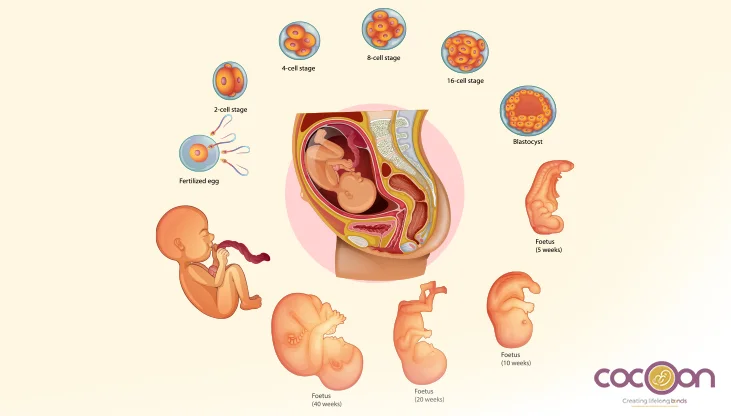
Fetal Weight Chart
Here’s a simple fetal weight chart to help you understand how much your baby might weigh as they grow:
| Weeks of Pregnancy | Average Baby Weight |
| 12 weeks | 14–20 grams (as light as a lime) |
| 16 weeks | 100–120 grams |
| 20 weeks | 280–300 grams |
| 24 weeks | 600–700 grams |
| 28 weeks | 1,000–1,200 grams |
| 32 weeks | 1,800–2,000 grams |
| 36 weeks | 2,500–2,800 grams |
| 40 weeks | 3,000–3,500 grams |
This chart gives you a general idea, but remember, slight differences are perfectly normal.
What Affects Baby’s Weight During Pregnancy?
Several factors impact your baby’s weight as they grow:
- What You Eat: Your diet plays a big role. A balanced diet with plenty of protein, vegetables, fruits, and whole grains supports your baby’s growth.
- Family Traits: Genetics play a role too. If you or your partner were smaller or bigger babies, your baby’s size could follow a similar pattern.
- How Far Along You Are: The longer your pregnancy, the bigger your baby will be. Babies born prematurely usually weigh less.
- Health Issues: Conditions like diabetes or high blood pressure during pregnancy can affect your baby’s weight.
- Lifestyle Choices: Habits like smoking, drinking, or not getting enough rest can slow your baby’s growth.
The Quick Summary
| Factor | How It Affects Baby’s Weight |
| Your diet | A balanced diet with protein, vegetables, fruits, and whole grains supports healthy growth |
| Genetics (family traits) | If you or your partner were smaller/bigger babies, your baby may follow a similar pattern |
| Gestational age | The longer the pregnancy, the bigger the baby; premature babies usually weigh less |
| Health conditions | Diabetes, high blood pressure, or infections can affect growth |
| Lifestyle choices | Smoking, alcohol, or insufficient rest can slow fetal growth |
| Multiple pregnancy | Twins/triplets are usually smaller than singletons |
| Placental function | Poor placental blood flow can restrict growth |
Understanding these factors helps you and your doctor identify if extra nutrition, monitoring, or medical care is needed.
| Risk Factor | Possible Impact | What You Can Do |
| Poor nutrition | Low birth weight | Eat balanced, frequent meals |
| Gestational diabetes | High birth weight | Monitor sugar, follow doctor’s plan |
| Smoking/alcohol | Growth restriction | Quit completely, seek support |
| High blood pressure | Restricted growth | Regular BP monitoring, medication if needed |
| Late preterm/early term | Lower weight at birth | Early delivery only if medically needed |
How to Help Your Baby Gain Weight
If your doctor says your baby’s weight is on the lower side, don’t worry—there are ways to support their growth.
- Eat More Protein-Rich Foods: Include eggs, chicken, lentils, and dairy products like milk and cheese in your diet. Protein helps build your baby’s muscles and tissues.
- Include Healthy Fats: Foods like nuts, seeds, avocado, and ghee provide the good fats necessary for your baby’s growth.
- Choose Whole Grains: Add brown rice, oats, and whole wheat to your meals. They give you energy and support your baby’s development.
- Stay Hydrated: Drink plenty of water, fresh fruit juices, and coconut water. Fluids help nutrients reach your baby more easily.
- Take Supplements if Needed: Your doctor might recommend vitamins or iron tablets to ensure you’re getting enough nutrients.
- Eat More Often: Instead of three large meals, try having five or six smaller meals throughout the day to keep your baby nourished.
| Tip | Why It Helps |
| More protein | Builds baby’s muscles and tissues |
| Healthy fats | Supports brain development |
| Whole grains | Provides steady energy |
| Hydration | Improves nutrient delivery |
| Supplements | Fills nutrition gaps (if prescribed) |
| Frequent meals | Maintains stable blood sugar and nutrient supply |

Also Read: Is Pregnancy Possible After Myomectomy
What If Your Baby’s Weight is Too High?
Sometimes, babies weigh more than expected. If your doctor is concerned, here are some tips to keep your baby’s growth balanced:
- Cut Back on Sugar: Reduce sweets, sugary drinks, and desserts.
- Choose Healthy Snacks: Opt for fruits, nuts, or yogurt instead of chips and cookies.
- Watch Your Carbs: Avoid white rice, white bread, and other refined carbs. Choose whole-grain options instead.
| Action | Benefit |
| Reduce sugar | Prevents excessive fetal growth |
| Healthy snacks | Stabilizes blood sugar |
| Whole grains | Slower sugar absorption |
| Diabetes management | Lowers risk of complications |
Always consult your doctor before making any dietary changes. They will provide personalized guidance based on your health and baby’s growth pattern.
Also Read: Impact of Pregnancy on Sleep: Tips for Better Sleep
Why Tracking Baby Weight is Important?
Understanding your baby’s weight is important for ensuring they are growing as expected. If your baby’s weight is too low, it might signal a need for more nutrition or medical attention . On the other hand, if the weight is too high, it could indicate potential complications like gestational diabetes. Regular doctor visits and ultrasounds are key to monitoring these changes and ensuring your baby's health.
| Reason to Track | What It Helps Prevent/Detect |
| Early detection of growth restriction | Low birth weight, preterm complications |
| Monitoring excessive growth | Macrosomia, birth injuries, C-section |
| Managing diabetes/BP | Gestational diabetes, preeclampsia |
| Planning delivery | Timing and mode of delivery (vaginal vs. C-section) |
| Reassurance | Confirming normal, healthy development |
Best Mother and Child Care Hospital in Jaipur – Cocoon Hospital
If you’re searching for the “best mother and child care hospital in Jaipur,” Cocoon Hospital has been the trusted destination for mothers and children in Jaipur for the past 13 years, offering exceptional care with top obstetrician–gynaecologists, pediatric experts, and complete maternity–neonatal services.
Cocoon is recognized as a leading luxury pregnancy care center and mother–child specialty hospital in Jaipur, combining world-class clinical expertise with a warm, family-focused, and hospital-at-home experience.
- Proximity: Easy access to our private maternity hospital from Airport Plaza, Tonk Rd, Chandrakala Colony, Mata colony, Jaipur, Rajasthan.
- 24/7 Emergency: Access to Level III NICU for any immediate neonatal needs.
- WE have achieved the milestone of 19000+ successful deliveries.
- Patient-Centric Amenities: Lactation rooms, baby spa, and castle-inspired birthing suites in our luxury birthing package.
- Positive Patient Experience: You can watch the memorable experience of Mrs. Harvinder Kaur welcoming her baby boy at Cocoon Hospital.
- We are proud to be rated 4.7 stars on Google, based on 3,297 patient reviews, illustrating our commitment to exceptional maternal and child care in Jaipur.
| Next Step | How to Do It |
| Book a free consultation | Email: contactjpr@cocoon.co.in |
| Call now | Phone: 08929816349 |
| Visit the hospital | Near Airport Plaza, Tonk Rd, Chandrakala Colony, Mata Colony, Jaipur, Rajasthan |
Cocoon offers end-to-end care from preconception to postpartum and newborn to child health:
| Care Stage | Services Offered |
| Preconception & Early Pregnancy | Pre-pregnancy counseling, early ultrasounds, risk assessment, nutrition guidance |
| Prenatal Care | Regular checkups, fetal growth monitoring, anomaly scans, fetal weight chart tracking, high-risk pregnancy care |
| Labor & Delivery | Normal delivery, painless (epidural) delivery, C-section, water birth options, luxury birthing packages |
| Postpartum Care | Mother recovery care, postnatal checkups, mental health support, lactation counseling |
| Newborn Care | Immediate newborn examination, NICU (Level III), jaundice management, vaccination, feeding support |
| Pediatric Care | Routine baby checkups, growth monitoring, immunization, pediatric illnesses, child development screening |
| Gynecology | Menstrual disorders, PCOS/PCOD, infertility evaluation, family planning, laparoscopic surgery |
| Specialized Support | Lactation rooms, baby spa, physiotherapy, nutrition counseling, psychology support |
Conclusion
Pregnancy is a unique and wonderful experience. While it’s natural to be curious about your baby’s weight and growth, remember that each baby is different. Focus on eating well, staying active, and following your doctor’s advice.
Understanding the fetal weight chart and knowing how to support your baby’s development can make this journey even more special. Celebrate every step, trust your body, and look forward to the day you’ll finally hold your baby in your arms.
Disclaimer: The content on this blog—including the foetal weight chart, trimester growth patterns, diet tips, and general pregnancy guidance—is provided for informational and educational purposes only. It is not a substitute for professional medical advice, diagnosis, or treatment from a qualified obstetrician, gynaecologist, or healthcare provider.
FAQs
Q1: What is a fetal weight chart, and how is it used?
A: Fetal weight chart is a tool that shows the average weight of a baby during each week of pregnancy. It helps doctors and parents monitor the baby’s growth and development to ensure it aligns with expected milestones.
Q2: What is the normal weight of a baby during pregnancy?
A: Baby weight varies during pregnancy. By 12 weeks, a baby typically weighs around 14–20 grams, while at full term (40 weeks), most babies weigh between 2.5 and 3.5 kilograms.
Q3: What can I do if my baby’s weight is below average?
A: If your baby’s weight is low, focus on eating a healthy diet rich in protein, healthy fats, and whole grains. Stay hydrated, take any supplements your doctor recommends, and attend regular prenatal checkups to monitor progress.
Q4: How can I prevent my baby from gaining too much weight?
A: To avoid excessive weight gain, limit sugar intake, choose whole grains over refined carbs, and eat healthy snacks like fruits and nuts. Follow your doctor’s advice to maintain a balanced diet.
Q5: How accurate are ultrasounds in measuring fetal weight?
A: Ultrasound measurements provide an estimate of fetal weight and can sometimes vary by 10–15%. Regular scans and checkups help track trends in growth over time.
Q6: Can genetics influence my baby’s weight?
A: Yes, genetics play a significant role in determining your baby’s size. If you or your partner were larger or smaller babies, your child’s weight might reflect those traits.
Q7: How often should I track my baby’s weight during pregnancy?
A:Your doctor will typically monitor your baby’s weight during routine prenatal checkups. This is usually done through ultrasounds at key points during your pregnancy.
Q8: What are the risks if my baby’s weight is too high or too low?
A: Low birth weight may require special medical care, while high birth weight can increase the risk of complications during delivery. Regular checkups help identify and manage these risks early.
Q9: Can lifestyle choices affect my baby’s growth?
A: Yes, choices like smoking, drinking, and inadequate rest can slow your baby’s growth. Maintaining a healthy lifestyle is essential for your baby’s development.
Q10: Why choose Cocoon Hospital for pregnancy care?
A: At Cocoon Hospital, we offer expert prenatal care, advanced monitoring, and personalized advice to ensure your baby’s healthy growth. Our compassionate team is here to support you throughout your pregnancy journey.