 08929816349
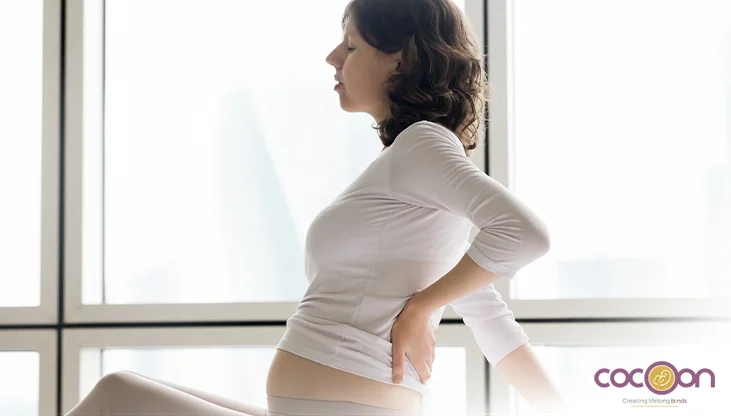
Back pain is a common discomfort during pregnancy, affecting around 40% of all expecting mothers at some point. Pain in your back can affect any point during pregnancy, but it’s more common in the second and third trimesters because of hormonal changes, weight gain, and a shifting center of gravity.
Lower back pain during pregnancy is usually not a cause for concern, but you should let your gynecologist know that your back hurts. While it can be hard to prevent pregnancy-related back pain, there are steps you can take under a doctor’s guidance to reduce your discomfort.
Read Also: Pregnancy Tips For First-Time Moms
Why Back Pain Happens During Pregnancy
It happens because your body undergoes major hormonal, physical, and emotional changes to support the growing fetus.
| Reasons | How They Contribute to Pregnancy-related Back Pain |
| Weight Gain | Women naturally gain weight during pregnancy to support the developing baby. This extra weight puts extra pressure on the spine and lower back muscles, thus causing discomfort and stiffness. |
| Hormonal Changes | Pregnancy hormones, especially relaxin, loosen ligaments and joints in the pelvis to prepare your body for childbirth. While this process is crucial, it can lower spinal stability, contributing to lower back pain. |
| Shift in Posture | As the fetus develops, the center of gravity shifts forward. Thus, most pregnant women unconsciously lean backward so that they can maintain balance. This places extra strain on the lower back and hips. |
| Abdominal Muscle Separation | The rectus abdominis muscles (six-pack ab muscles) may stretch and separate during pregnancy, a condition known as diastasis recti. When abdominal support weakens, the extra stress falls on your lower back. |
| Stress, Anxiety, and Fatigue | Emotional stress contributes to muscle tightness, especially in the lower back and shoulders. Anxiety and fatigue during pregnancy may worsen existing aches. |
Read Also: Tips to Handle a High-Risk Pregnancy
What Type of Back Pain Is Normal in Early Pregnancy?
Here are the types of pregnancy-related back pain based on the area affected:
- Lumbar Pain (Lower Back)
- Posterior Pelvic Pain (Pelvic Girdle Pain - PGP)- Deeper Pain Located in the Buttock, Hip, or Thigh Area
- Sciatic Nerve Pain- Shooting Pain That Radiates Down One Leg
- Upper Back Pain
Contact your doctor if the pain in the back is accompanied by fever, burning urination, or vaginal bleeding, or unusual cramping, particularly before 36 weeks.
Read Also: Maternity Packages in Jaipur | Cocoon Pregnancy Care
What Does Normal Pregnancy Back Pain Feel Like?
It typically feels like a dull, persistent ache in the lower back, often centered or occurring on one side.
Read Also: First Trimester of Pregnancy: Symptoms, Changes, and What to Expect
What Helps With Back Pain During Pregnancy?
While back pain during pregnancy is hard to prevent, the good news is that by following these 11 tips, you can manage the discomfort and pain.
1. Maintain Good Posture
Proper posture lowers strain on your spine.
Here is what you can do:
- Stand upright with shoulders relaxed
- Avoid locking the knees
- Keep weight evenly distributed on both feet
- Use a small pillow behind the lower back while sitting
- Choose chairs with good lumbar support
- Try not to stay in one position for too long, and shift if you’re starting to feel discomfort
Read Also: Painless Delivery Hospital in Jaipur – Cost & Care
2. Get Regular Exercise if Advised Otherwise
Exercise can help with aches and pains by strengthening your muscles, which supports the spine during pregnancy.
Here are some pregnancy-safe exercises that you can include in your routine, with professional guidance:
- Walking
- Prenatal yoga
- Swimming
- Pelvic tilts
- Stretching exercises
Read Also: Anemia During Pregnancy: Symptoms, Risks & Prevention
3. Wear Comfortable Shoes
Wear comfortable, supportive shoes with low heels or good arch support, which is generally recommended during pregnancy.
Read Also: Trimester-by-Trimester Pregnancy Health Checklist
4. Use Heat or Cold Therapy
You can relax tight, painful muscles by using hot water bottles and heating pads on your lower back. While cold packs can lower inflammation and numb sore areas.
Note: Do not use excessive heat during pregnancy and avoid placing heating pads directly on the abdomen.
5. Lift Objects Carefully
Improper lifting can worsen your back pain. Hence, follow these safe tips:
- Bend at the knees, not the waist
- Keep the back straight
- Hold objects close to the body
- Avoid lifting heavy items whenever possible
6. Sleep in the Right Position
Sleeping on your side, especially the left side, is often recommended as it improves blood circulation to the baby and lowers pressure on major blood vessels.
You can take the pregnancy pillow support:
- Pillow between knees
- Pillow under the abdomen
- Firm mattress support
7. Get a Prenatal Massage
Pregnancy is a good time to treat yourself to a massage, helping you get relaxed and relieve tight muscles.
Note: Always choose a certified, trained professional or prenatal massage therapist who is familiar with pregnancy safety guidelines.
8. See a Physical Therapist or a Chiropractor
You can contact a physical therapist to learn specific exercises to help with back pain and discomfort.
9. Stay Physically Active but Avoid Overexertion
Too much bed rest can worsen the back pain and stiffness. Hence, focus on light movement throughout the day to support better back health.
Avoid the following activities:
- Heavy lifting
- High-impact workouts
- Sudden twisting movements
- Prolonged standing
10. Maintain Good Nutrition and Hydration
Adequate nutrition and hydration ensure optimal muscle and spinal discs health.
Hence, make sure you eat food that is rich in the following nutrients:
- Calcium
- Magnesium
- Vitamin D
- Protein
11. Consider Maternity Support Belts
You can consider wearing maternity support belts, such as the Motherly and Tyno. This helps distribute abdominal weight more evenly and lowers pressure on the lower back and pelvis.
Conclusion
Back pain is common during pregnancy, but it does not mean that you should allow the pain to take over daily life. Therefore, understand the cause and follow tips like maintaining proper posture, exercising safely, and using supportive pillows to lower the discomfort.
However, contact your provider if back pain is accompanied by a fever, pain when you pee or vaginal bleeding, as these may indicate a urinary tract infection (UTI). With proper attention and care, you can enjoy a healthy, active pregnancy journey.
FAQs
Q1: Why does right-side back pain happen during pregnancy?
A: It happens due to the growing uterus, weight gain, pregnancy hormones, and the separation of the abdominal muscles.
Q2: When does back pain start in pregnancy?
A: Pain in your back can strike at any point in pregnancy, but it's more common in the second trimester (5-7 months) and third trimester ( 7, 8, and 9 months).
Q3: Lower back pain in early pregnancy, 2 weeks. Why does it happen?
A: It is usually caused by early hormonal changes (progesterone and relaxin) loosening ligaments and initiating the uterus expansion.