 08929816349
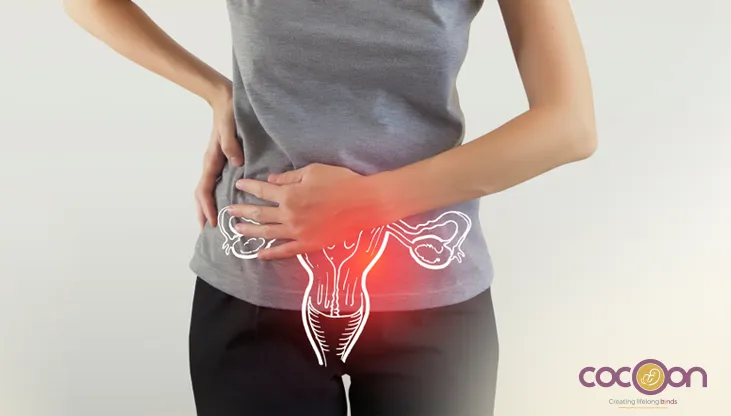
An intrauterine device (IUD) or Intrauterine Contraceptive Device (IUCD) is a type of birth control that your doctor inserts into your uterus (womb). IUCDs are the most commonly used type of long-acting reversible contraception (LARC). Once it’s inserted, an IUD can prevent pregnancy for up to 10 years or more, based on the specific type.
Many people have questions like “Are IUDs safer than birth control?” The simple answer is that modern IUDs are safe for almost all women and more effective than birth control pills, based on your individual factors.
However, like any medical device, an intrauterine contraceptive device comes with risks. For example, Copper T complications include irregular bleeding and spotting between periods. One of the main concerns is a retained IUCD, which may lead to urinary problems (which happen only in rare cases) and pelvic infections. However, by following the doctor’s advice, early detection, and timely treatment, you can prevent these complications and safeguard long-term reproductive health.
Read Also: Uterine Fibroids: Symptoms, Causes, and Effective Solutions
What are Intrauterine Contraceptive Devices (IUCDs)?
Intrauterine contraceptive devices (IUCD), also known as intrauterine devices (IUD), and colloquially commonly as the coil. These are one of the most frequently used methods of contraception throughout the world.
They prevent conception by:
- thinning the endometrial lining
- preventing sperm motility
- preventing implantation
There are 2 main types of intrauterine contraceptive devices: copper-bearing IUDs (non-hormonal) and levonorgestrel-releasing IUDs (hormonal).
Both non-hormonal and hormonal types are highly effective, with fewer than 1 pregnancy per 100 women in the first year of use. Copper IUDs can prevent pregnancy for up to 10–12 years, depending on the product. Hormonal IUDs last for 3–8 years, depending on the type. If done under professional advice, these methods are safe, but an often-overlooked complication is a retained IUCD.
Read Also: Say Goodbye to Hysterectomy Worries as Cocoon Hospitals in Jaipur Got You Covered
What is a Retained IUCD?
If you are wondering about “What does a retained IUD mean?", it is a situation where a contraceptive device remains in the uterus beyond its recommended lifespan.
In this situation, the doctor cannot remove the device through standard, non-surgical methods because it is missing, broken, or embedded/migrated into the uterine wall or surrounding tissue. Sometimes it might be left in place during pregnancy.
A retained IUCD is also known as the following:
- Missing string IUD
- Forgotten IUD
- Embedded IUD
Read Also: Tips to Handle a High-Risk Pregnancy
Causes of Retained IUCD
Here are some of the common reasons why an IUCD may become retained.
- Failure to attend follow-up appointments after insertion.
- Forgotten IUCD because of a lack of awareness.
- IUCD strings are not visible or broken, making removal difficult.
- Partially or fully embedded in the myometrium (uterine wall).
- Uterine perforation allows migration into adjacent organs.
- Improper insertion technique.
- Lack of visible retrieval strings.
When an IUCD migrates or remains undetected, it can lead to rare complications such as uterine perforation, pelvic inflammatory disease (PID), bladder and urinary issues, etc. Timely consultation can help avoid these risks.
Read Also: Trimester-by-Trimester Pregnancy Health Checklist
Does a Retained IUCD Cause Urinary Problems?
Yes, which is a rare case.
When the device migrates out of the uterus and into the urinary bladder, it can cause the following urinary symptoms:
- Recurrent UTIs.
- Painful or burning sensation while passing urine.
- Blood in the urine.
- Lower abdominal discomfort.
Read Also: Recovery Tips After Gynecological Surgery: Do’s and Don’ts
Does a Retained IUCD Cause Pelvic Infection?
Yes, a retained IUCD can cause pelvic infection, particularly pelvic inflammatory disease (PID); however, the risk depends on many factors.
The infection can develop because of the following reasons:
- The IUCD acts as a foreign object.
- Bacteria manage to travel from the vagina or cervix into the uterus.
- Infection migrates to the fallopian tubes and ovaries.
Here are the common symptoms of urinary infection:
- Pain in the lower belly and pelvis.
- Abnormal vaginal discharge.
- Bleeding from the vagina between periods.
- Pain during intercourse.
- Fever, sometimes with chills.
- Urinating often. It may cause a burning feeling.
If left unaddressed, PID can contribute to infertility, chronic pelvic pain, or ectopic pregnancy.
Diagnosis of Retained IUCD
Experts at the best maternal care centre, like Cocoon Hospital, perform comprehensive tests for accurate diagnosis.
Here are the methods:
- Review of medical history.
- Pelvic examination.
- Transvaginal ultrasound (TVUS).
- Computed Tomography (CT) or MRI.
- Hysteroscopy.
- Cystoscopy.
Retained IUCD Treatment Options
The treatment generally depends on its location (inside the uterus, partially perforated, or migrated to another organ) or whether the person shows symptoms or not.
The treatment focuses on preventing complications such as infection, perforation, or organ damage.
Here are the options your doctor can consider:
- IUCD removal
- Antibiotic medicine if there is a urinary tract infection or pelvic inflammatory disease detected.
- Surgery.
Conclusion
Modern intrauterine devices are safe and effective, but complications like a retained IUCD should not be ignored. If you have inserted any type of IUCD, follow your doctor’s advice and go for regular follow-up. Early intervention can avoid possible complications and ensure safe reproductive health.
FAQs
Q1: What are the prevention tips to avoid IUCD complications?
A: Here are the prevention tips that you can follow:
- Strictly follow your gynaecologist's advice.
- Go for regular checkups.
- Confirm you are not pregnant before insertion.
- Maintain good personal hygiene.
- Avoid heavy lifting, intercourse tampon use, and menstrual cup use immediately after insertion.
- Keep track of insertion time and replacement timeline.
Q2: When to see your doctor after IUCD insertion?
A: If you experience the following symptoms, consult your doctor immediately:
- Severe abdominal pain
- Fever/chills
- Foul-smelling discharge and other unusual urinary symptoms
- If you suspect pregnancy
- Heavier than your usual period