 08929816349
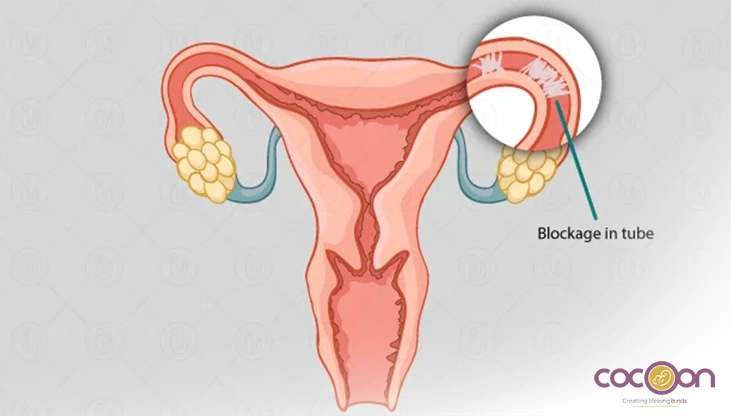
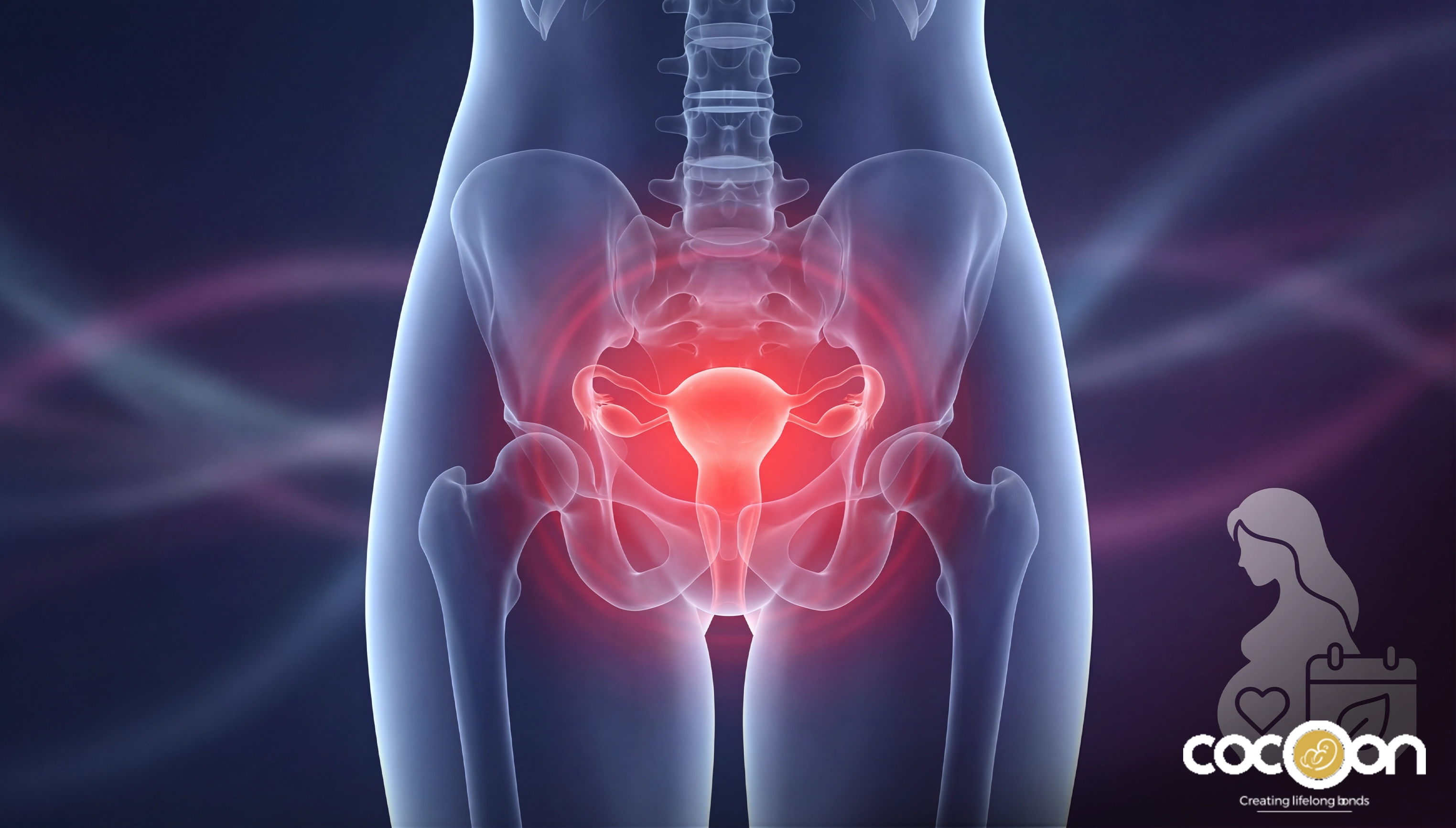
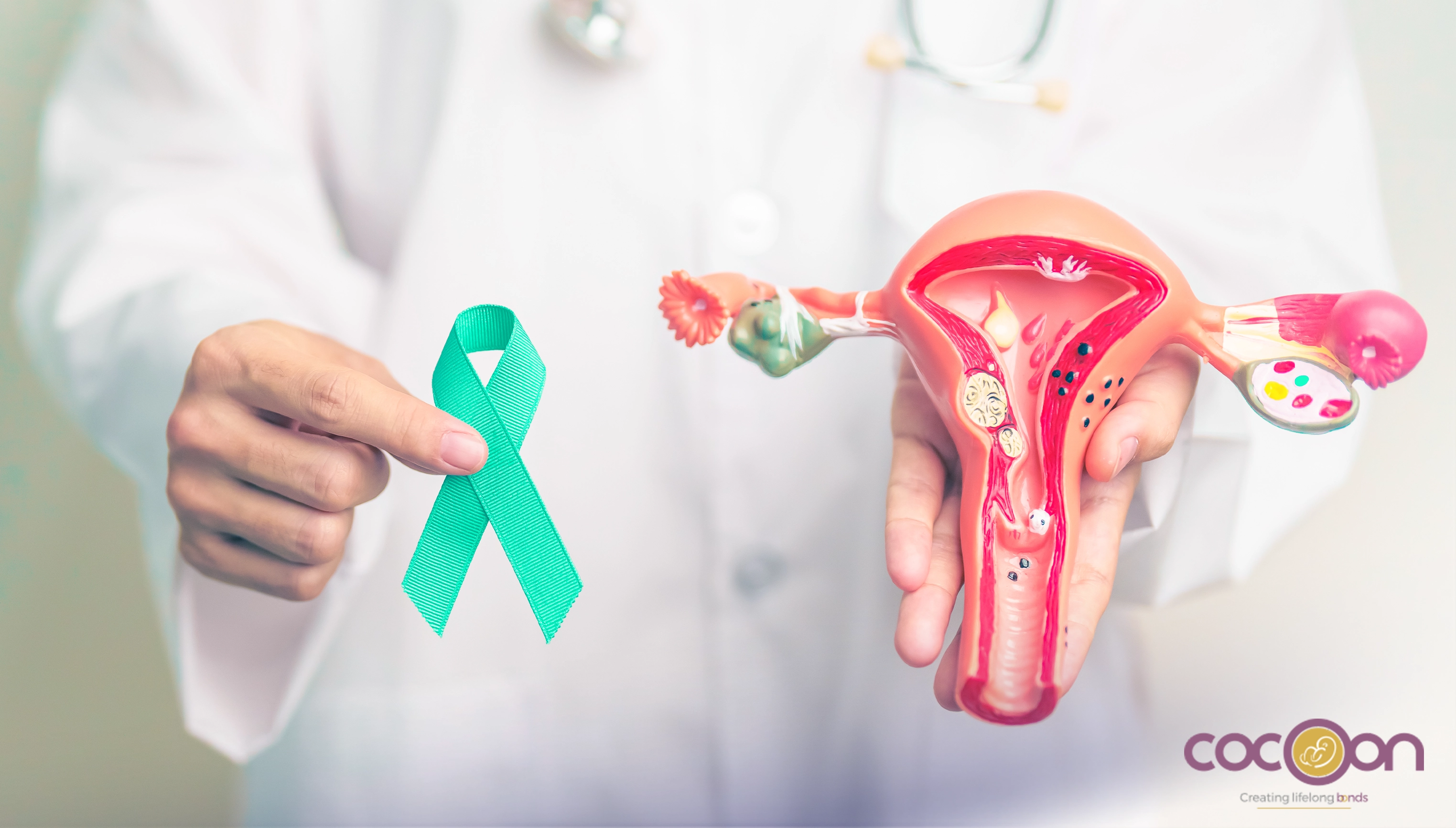
Fallopian tubes are a pair of hollow, muscular ducts located between your ovaries and your womb (uterus). These tubes play a critical role in natural conception because this is where fertilisation (the process of sperm and egg fusion to form a single-celled zygote) happens.
You can think of fallopian tubes as the following:
- A holding place for your egg.
- A place where egg and sperm finally meet.
- An active passageway that moves a fertilised egg to your womb.
But what happens when these fallopian tubes get blocked? The answer is simple: it can significantly affect your reproductive health and often cause female infertility.
Blocked or damaged conditions, like hydrosalpinx, increase the risk of ectopic pregnancy and reduce IVF success. Understanding these conditions can help you seek timely help and treatment.
Read Also: Tips to Handle a High-Risk Pregnancy
What is Hydrosalpinx
It is a medical condition where fluid builds up in one or both fallopian tubes, creating a blockage. Around 20% to 30% of infertility cases involve issues related to the fallopian tubes (tubal factor infertility) and hydrosalpinx is present in 10% to 20% of these cases.
Hydrosalpinx can be referred to as a fluid-filled, blocked fallopian tube. If untreated, a fluid-filled, blocked fallopian tube can make it difficult to become pregnant because.
- The egg and sperm cannot meet.
- Fertilised cannot reach the uterus.
- It increases the risk of an ectopic (tubal) pregnancy.
- Lowers the chances of becoming pregnant through in vitro fertilisation (IVF)
This blockage is primarily due to infections, inflammation, and damage to the tubes from the following conditions, such as:
- Pelvic inflammatory disease (PID).
- Untreated sexually transmitted infections (STIs) like chlamydia and gonorrhoea.
- Scar tissue left over from previous pelvic surgery.
- Endometriosis.
- Some tumours.
Read Also: How Wellness Programs Help Mothers During Pregnancy
The Signs and Symptoms May Include
Most women do not have any symptoms other than fertility problems. However, when symptoms appear, they include the following:
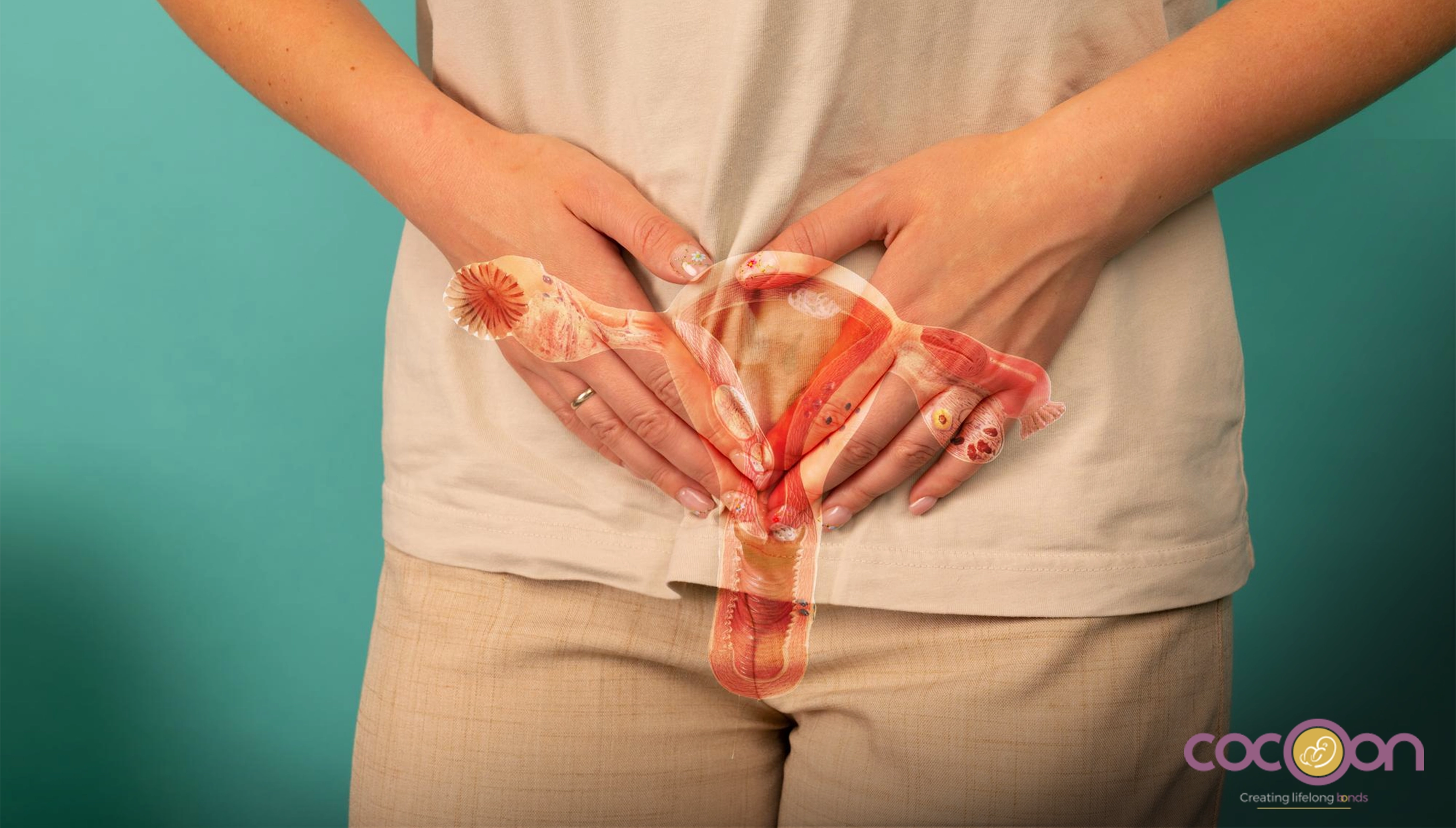
- Pelvic pain that can worsen during or right away following your period.
- Vaginal discharge, which may look discoloured and/or sticky.
If you are experiencing these symptoms, contact your gynaecologist immediately for the right diagnosis and timely treatment.
To check your fallopian tubes for a blockage, your doctor may order the following tests:
- Ultrasound
- Hysterosalpingogram (HSG) is an X-ray dye test
- Laparoscopy (it is a minimally invasive surgery allowing doctor to see inside the abdominal cavity.) It can be used to confirm the results of an HSG.
Read Also: First Trimester of Pregnancy: Symptoms, Changes, and What to Expect
How Hydrosalpinx Increases the Risk of Ectopic Pregnancy
An ectopic pregnancy is a pregnancy that takes place outside of your womb, meaning the fertilised egg gets implanted in a location that can’t support its growth.
An ectopic pregnancy most often happens in your fallopian tube and this type of pregnancy can’t continue because only your uterus is meant to carry a healthy pregnancy. Ectopic pregnancies may develop into life-threatening ones, especially if the fallopian tube ruptures.
Symptoms of ectopic pregnancies include the following:
- Vaginal bleeding.
- Pain in the lower abdomen, pelvis and lower back.
- Dizziness or weakness.
- If a fallopian tube ruptures, the symptoms include fainting, low blood pressure, shoulder pain, rectal pressure or bowel problems.
Hydrosalpinx can cause ectopic pregnancy because the tube is damaged, distorted, and partially blocked, so an embryo may implant in the tube instead of safely reaching the uterus.
Read Also: Anemia During Pregnancy: Symptoms, Risks & Prevention
Management & Treatment of Hydrosalpinx
Timely treatment of hydrosalpinx can increase your chances of conceiving. The treatment will depend on factors such as the severity of your blockage, your age and family planning.
| Key Aspects | Treatment Options | What it Involves | Primary Goal |
| Initial management | Antibiotics | Treats active pelvic infection or PID if present | Control infection and prevent further tubal damage |
| Initial management | Pain and symptom control | Analgesics, anti‑inflammatory drugs, observation | Alleviate pain and discomfort |
| Surgical (tube removal) | Salpingectomy | Laparoscopic removal of one or both fallopian tubes (bilateral salpingectomy). | Improve fertility outcomes, remove source of toxic fluid |
| Surgical (tube repair) | Salpingostomy / salpingoneostomy | Repairs the blockage in your tubes. It is usually performed using laparoscopy. | Attempt to restore tubal patency and allow natural conception |
| Surgical (blocking tube) | Proximal tubal occlusion | Clipping/occluding the tube near the uterus (laparoscopic or hysteroscopic) | Avoids hydrosalpinx fluid from reaching the uterine cavity before IVF |
| IVF‑oriented | IVF after tubal surgery | Egg retrieval, fertilization in lab, embryo transfer to uterus | Bypass damaged tubes to achieve pregnancy |
| Minimally invasive adjunct | Aspiration ± sclerotherapy | Ultrasound‑guided drainage of hydrosalpinx fluid, sometimes with sclerosing agent | Temporarily decreases hydrosalpinx impact on IVF |
| Supportive care | Lifestyle and risk reduction | STI prevention, smoking cessation, weight and general health optimization | Support overall reproductive health |
| Decision‑making | Individualized treatment plan | Considering age, symptoms, unilateral/bilateral disease, fertility goals | Choose safest and most effective strategy |
Read Also: Trimester-by-Trimester Pregnancy Health Checklist
Conclusion
An untreated hydrosalpinx lowers the odds of conceiving a healthy child and additionally increases the risk of miscarriage and complications like ectopic pregnancy.
Hence, contact your doctor in a timely manner if you have been trying to conceive for over a year or have experienced multiple failed IVF attempts. Receiving treatment greatly improves your chance of a healthy pregnancy.
For tubal blocks, treatments aren’t natural remedies for hydrosalpinx but treatment often involves laparoscopic surgery to remove (salpingectomy) or repair the tube or IVF based on the severity of your condition.
FAQs
Q1: What are causes of ectopic pregnancy?
A: Here are the possible causes:
- Sexually transmitted infection (STI).
- Irregularly-shaped fallopian tube.
- Hydrosalpinx (a fluid-filled, blocked fallopian tube).
- Scar tissue, adhesions or inflammation from a prior pelvic surgery.
Q2: Can blocked fallopian tubes cause infertility?
A: Yes, blocked fallopian tubes are a common cause of infertility.
Q3: Hydrosalpinx and IVF success. What is the link?
A: Here is the link:
- Lower IVF success rate.
- Interfere with the implantation of the embryo to the uterine lining.
- Increase the risk of pregnancy loss.
- The inflamed environment in the fallopian tube can increase the risk of ectopic pregnancy.