 08929816349

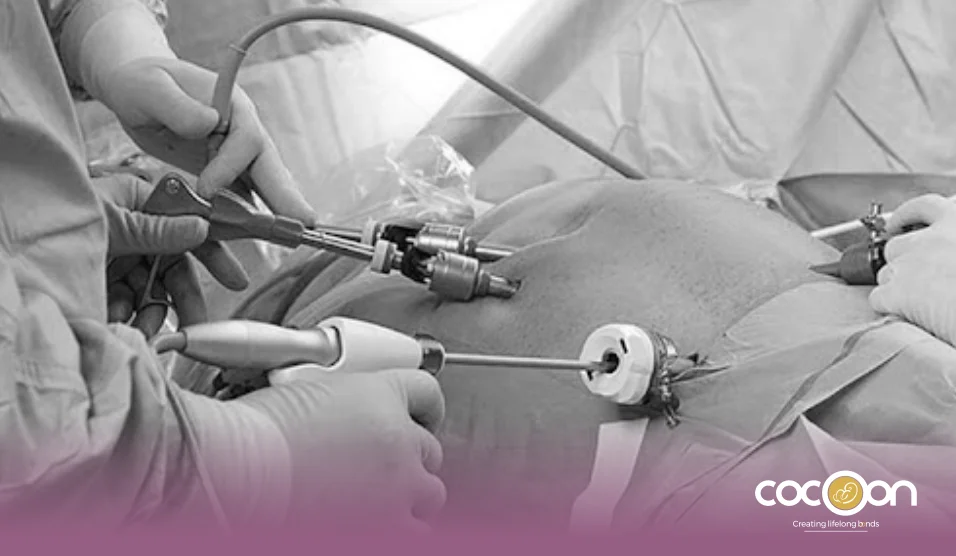
Hysteroscopy is a minimally invasive gynaecological procedure used to examine the inside of the uterus and diagnose or treat certain uterine conditions. It involves a thin instrument called a hysteroscope, which has a light and camera to provide images of the uterine cavity.
A gynaecologist may recommend hysteroscopy for women experiencing abnormal menstrual bleeding, difficulty conceiving, recurrent pregnancy loss or suspected uterine abnormalities. Women seeking hysteroscopy in Jaipur can consult a qualified gynaecologist to understand the procedure, its benefits, risks and suitability.
What Is Hysteroscopy?
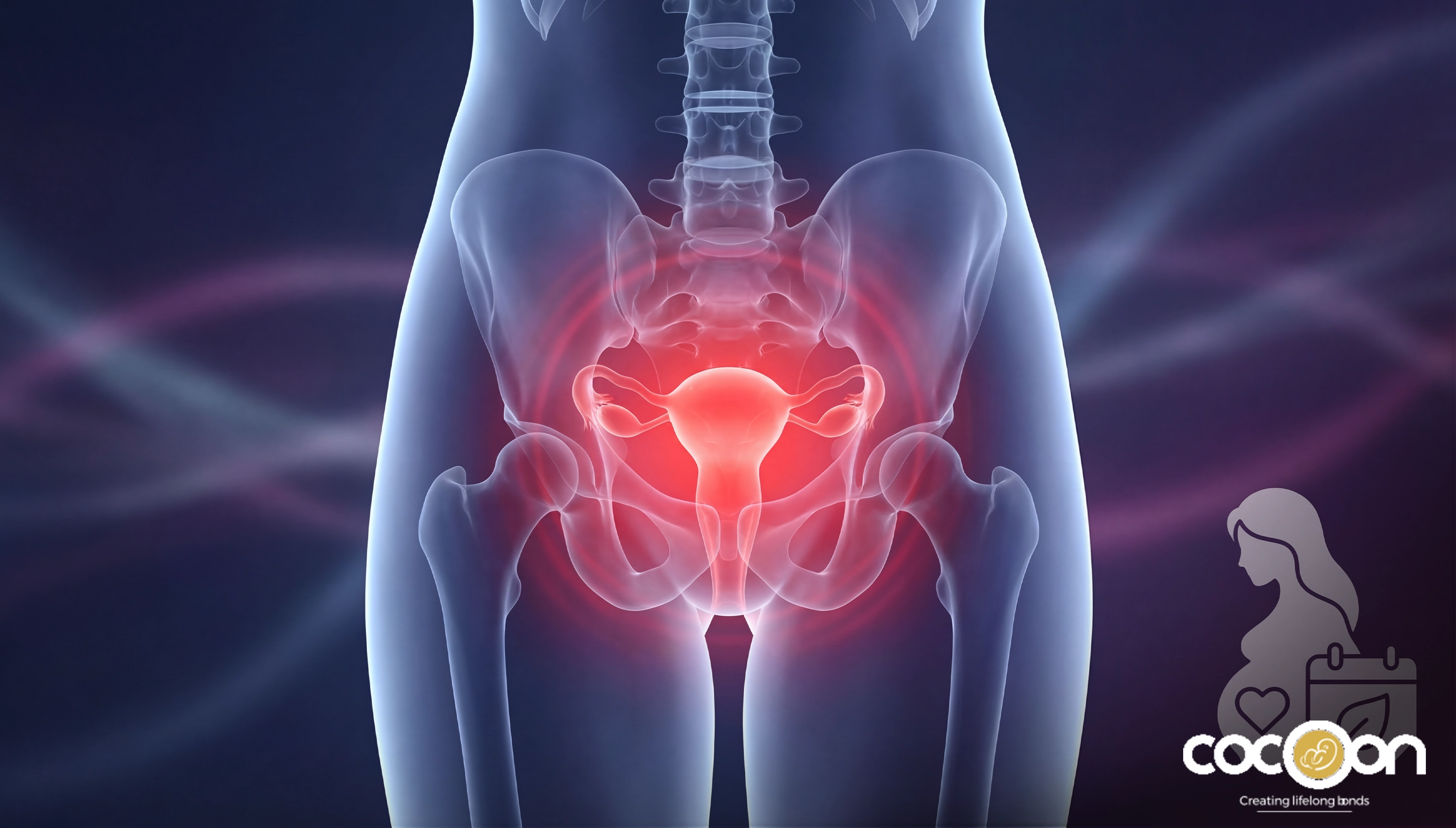
Hysteroscopy is a procedure that allows a doctor to examine the uterine cavity without making an abdominal incision. The hysteroscope is gently inserted through the vagina and cervix into the uterus. A suitable fluid, usually saline, is introduced to expand the uterine cavity and improve visibility.
It helps identify conditions such as:
- Uterine polyps
- Submucosal fibroids
- Intrauterine adhesions (scar tissue)
- Uterine septum
- Abnormalities of the uterine lining
Depending on the findings, the doctor may also perform treatment during the same procedure.
Why Is Hysteroscopy Recommended?
A gynaecologist may recommend hysteroscopy to investigate symptoms or examine abnormalities detected during other tests.
Common reasons include:
1. Abnormal Uterine Bleeding: Heavy periods, irregular bleeding or bleeding after menopause may require examination of the uterine cavity.
2. Uterine Polyps: These are growths in the uterine lining that may cause irregular bleeding. Selected polyps can be removed through hysteroscopy.
3. Uterine Fibroids: Submucosal fibroids develop close to or within the uterine cavity. Hysteroscopy can help examine and remove suitable fibroids.
4. Fertility Evaluation: Uterine abnormalities, including adhesions and polyps, may sometimes affect reproductive health. Hysteroscopy can help identify these conditions.
5. Recurrent Pregnancy Loss: Examination of the uterine cavity may be considered to investigate certain structural abnormalities.
What Are the Types of Hysteroscopy?
There are two main types:
Diagnostic Hysteroscopy: This procedure examines the uterine cavity to identify abnormalities. A tissue sample may also be collected for laboratory testing when required.
Operative Hysteroscopy: This procedure is used to treat selected conditions, including uterine polyps, submucosal fibroids and intrauterine adhesions. Small surgical instruments are passed through the hysteroscope to perform the treatment.
How Is the Hysteroscopy Procedure Performed?
The procedure generally involves the following steps:
Medical Evaluation: The gynaecologist reviews the patient's symptoms, medical history and investigation reports.
Preparation: The patient receives instructions about medication, fasting and pain management, depending on the planned procedure.
Insertion: The hysteroscope is gently passed through the vagina and cervix into the uterus.
Examination: Saline is introduced to expand the uterine cavity, allowing the doctor to examine its lining.
Treatment: If required, suitable instruments are used to remove polyps, selected fibroids or adhesions.
Monitoring: The patient is monitored after the procedure and receives recovery and follow-up instructions.
The procedure may be performed with different pain-management options depending on the patient's needs and clinical circumstances.
What Are the Benefits and Risks of Hysteroscopy?
Hysteroscopy allows direct examination of the uterine cavity and can help diagnose certain conditions more accurately. Selected abnormalities can also be treated without an abdominal incision.
However, possible complications include bleeding, infection, injury to the cervix or uterine perforation. Fluid-related complications may also occur during certain operative procedures. Patients should discuss individual risks and available alternatives with their gynaecologist.
What Is the Recovery Time After Hysteroscopy?
Recovery depends on whether diagnostic or operative hysteroscopy was performed. Some women experience mild period-like cramps and light vaginal bleeding or spotting for a few days.
Many patients can resume normal activities relatively quickly after diagnostic hysteroscopy. Recovery may take longer after operative procedures.
Follow your doctor's instructions regarding medication, exercise and sexual activity. Seek medical attention if you experience heavy bleeding, fever, worsening abdominal pain or foul-smelling vaginal discharge.
Hysteroscopy Care at Cocoon Hospital, Jaipur
Women considering hysteroscopy in Jaipur can consult the gynaecology team at Cocoon Hospital for an assessment of their symptoms and uterine health. The treating doctor can review investigation reports, explain available diagnostic options and discuss an appropriate treatment plan based on individual medical requirements.
Contact Cocoon Hospital, Jaipur, to schedule a gynaecological consultation and learn more about hysteroscopy.
Frequently Asked Questions
1. Is hysteroscopy painful?
Some women experience cramping or discomfort during the procedure. Pain-management options depend on the procedure and individual circumstances.
2. How long does hysteroscopy take?
The duration varies depending on whether it is diagnostic or operative and whether additional treatment is required.
3. Can hysteroscopy help with fertility problems?
It can identify certain uterine abnormalities that may be associated with fertility problems. The effect of treatment on fertility depends on individual medical factors.
4. Is hospitalisation required after hysteroscopy?
Many diagnostic procedures are performed as day-care procedures. Hospitalisation depends on the procedure, anaesthesia and patient's condition.
5. What is the cost of hysteroscopy in Jaipur?
The cost varies depending on the type of procedure, treatment requirements, anaesthesia and hospital facilities. Contact the hospital for an individual estimate.