 08929816349
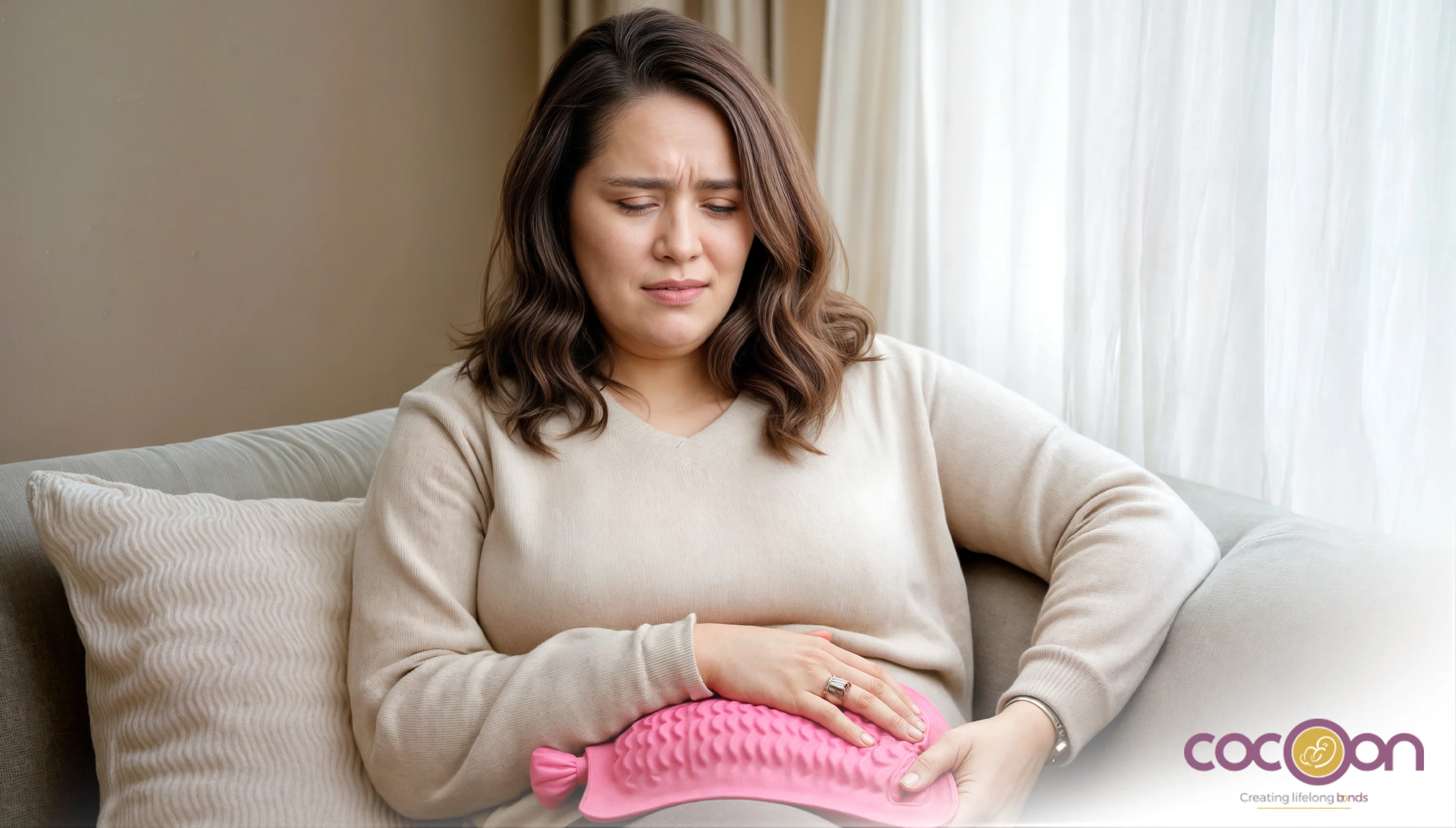
If your menstrual cycle comes with extreme painful cramps every month interfering with your work, school, or daily activities, you should consult your doctor for the right evaluation. Because this can indicate dysmenorrhea, the medical term for painful menstrual periods.
Mild cramps during periods are common, but intense or persistent pain is not something you sweep under the carpet. With effective period pain treatment options, which range from simple lifestyle modification to medications and treatment for the root cause, dysmenorrhea can be treated. This helps alleviate the symptoms and improve the quality of life.
Many women simply accept that painful periods are just "part of being a woman," but it’s not the truth. Yes, some discomfort during menstruation is normal; however, pain that confines you to bed, makes you skip work, or requires heavy dependence on painkillers is worthy of medical attention. Knowing what is causing your pain helps you take the right steps toward long-term relief.
Quick Overview: Understanding Dysmenorrhea
There are two types of dysmenorrhea: primary and secondary.
Let’s understand them in a quick glance:
| Key Aspects | Primary Dysmenorrhea | Secondary Dysmenorrhea |
| Cause | No underlying disease | Caused by a medical condition |
| Common age | Teenagers and young adults | Generally after age 25 |
| Pain starts | Pain usually begins 1 or 2 days before you get your period or when the bleeding actually starts | Often days before periods |
| Pain duration | Subsides within 2 or 3 days | Can last throughout menstruation |
| Common causes | High prostaglandin levels (which make your uterus contract (tighten up)) | Endometriosis, fibroids, adenomyosis, PID |
| Treatment | NSAIDs, heat therapy, exercise, hormonal birth control | Addressing the underlying condition and pain management |
What Is Dysmenorrhea?
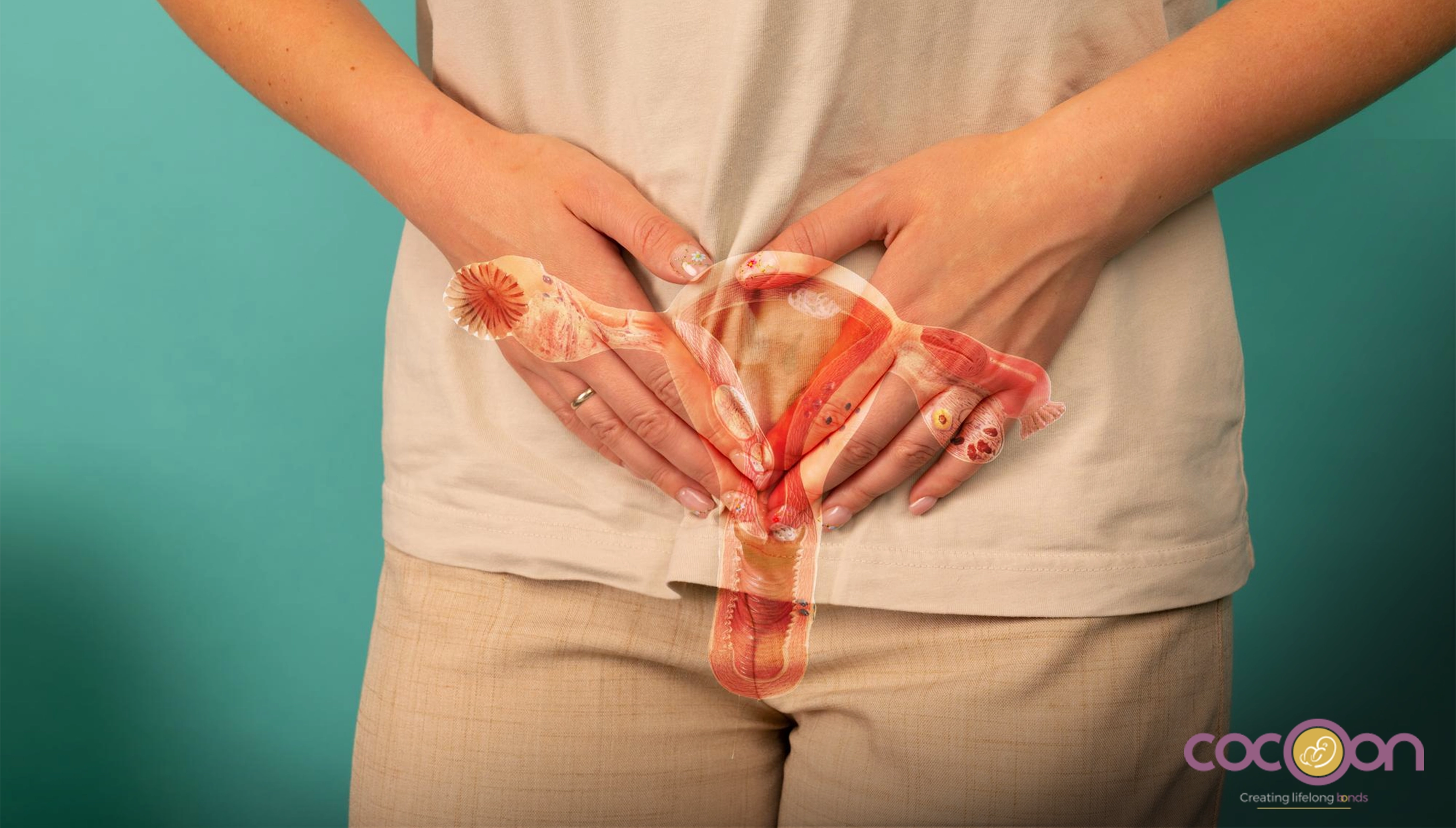
Menstrual cramps (dysmenorrhea) are throbbing or cramping pains in the lower portion of the abdomen. No two women experience periods in the same manner. For some women, the discomfort is merely annoying, while for others, the cramps can be severe enough to interfere with daily activities for a few days every month.
What Is the Main Cause of Painful Menstrual Periods?
The pain occurs as the uterus (womb) contracts to shed its lining during menstruation. These contractions are triggered by hormone-like chemicals known as prostaglandins.
Experts aren’t completely sure why some people experience more painful periods, but they think it may be due to higher levels of prostaglandins. There also may not be a clear explanation other than that everyone’s body is different.
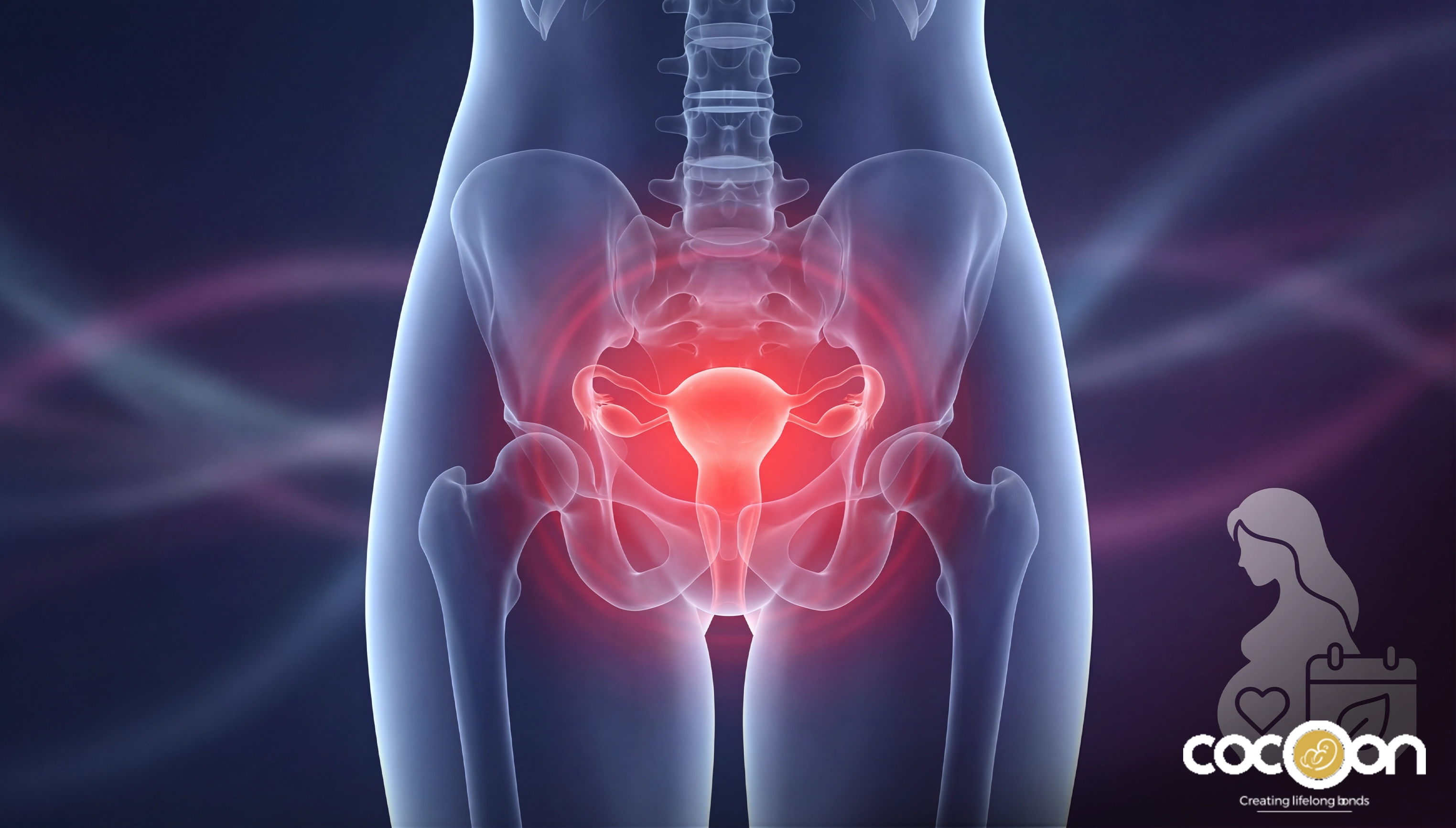
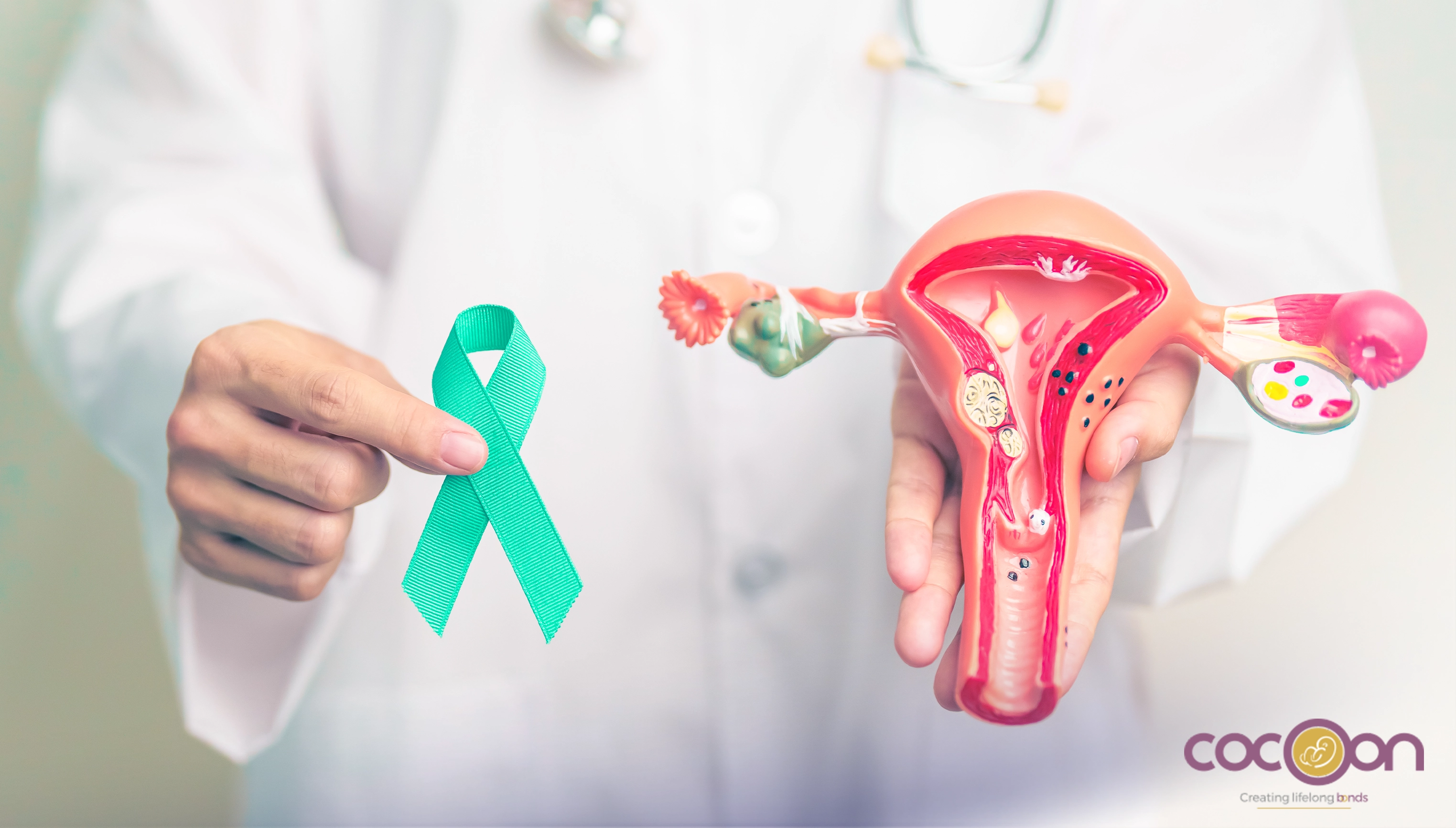
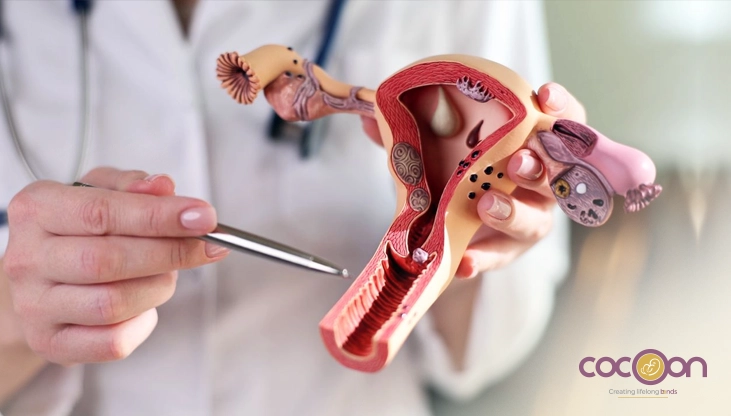
However, menstrual pain from secondary dysmenorrhoea is a result of a condition affecting the reproductive organs (such as ovaries, fallopian tubes, and uterus).
Conditions That Can Cause Secondary Dysmenorrhea Include:
- Endometriosis (a tissue similar to your uterine lining is inside your pelvis or abdomen)
- Adenomyosis (tissue from the lining of your uterus grows into your uterine wall)
- Fibroids (benign tumors)
- Pelvic inflammatory disease (PID)
- Cervical stenosis
- Congenital conditions
What Are the Symptoms of Dysmenorrhea?
The symptoms may vary person to person.
Here are some common symptoms:
- Aching, throbbing pain in the abdomen.
- Feeling of pressure in the abdomen.
- Pain in your hips, lower back and inner thighs.
- Nausea.
- Vomiting.
- Diarrhea.
- Fatigue.
- Headache.
- Dizziness.
- Bloating .
Women with secondary dysmenorrhea can also experience:
- Heavy bleeding during menstrual cycle
- Bleeding between periods
- Pain during intercourse
- Infertility
- Irregular menstrual cycles
Does Every Girl Have Dysmenorrhea?
No. About 60% of individuals with a uterus experience mild cramps during their period. About 5% to 15% of individual report period pain that’s so severe that it affects their everyday activities.
You may be more likely to have painful periods if:
- You got your 1st menstrual period before age 12.
- You are below 20 years of age.
- Your periods are heavy or last longer than 7 days.
- You are a smoker.
- You have a family history of dysmenorrhea.
What Is the Most Effective Cramp Treatment for Dysmenorrhea?
The most effective period pain treatment is based on the cause and severity of symptoms. These available options won't cure dysmenorrhea but may lower the severity of the symptom.
| Treatment category | How it helps | Examples |
| NSAID pain relievers (First-line Treatment) | Lower the prostaglandin production, decreasing uterine contractions and pain | Ibuprofen, naproxen, mefenamic acid |
| Hormonal Medications | Thins uterine lining and suppresses ovulation, reducing menstrual pain and bleeding | Options includes:
|
| Heat Therapy | Relaxes uterine muscles and improves local blood flow to relieve pain | Heating pad, hot water bottle, heat patches |
| Regular Exercise | Exercise helps by: Improving blood circulation
|
Aerobic exercise, walking, light stretching, yoga |
| Lifestyle Modification | May lower overall pain intensity and frequency by improving general health | Lifestyle changes include:
|
FAQs
How to stop period cramp pain fast?
There is no particular way to stop period pain. However, the following tips can alleviate symptoms:
- Take an NSAID
- Apply heat therapy
- Gentle abdominal massage
- Drink warm, herbal liquids
- Try gentle yoga poses
- Eat balanced diet
Can you have a painful period and be pregnant?
Yes, you can experience cramping in early pregnancy. Take a pregnancy test for confirmation and consult your doctor.
How do doctors check for dysmenorrhea?
Your doctor may ask about:
- A detailed medical history
- When the pain starts
- How severe it is
- Menstrual cycle length
- Bleeding pattern
- Family history
- Sexual history
If secondary dysmenorrhoea is suspected, they may order additional investigations:
- Pelvic Examination: Checks reproductive organs
- Ultrasound: Detects fibroids, cysts, adenomyosis
- MRI: Evaluates deep endometriosis or structural abnormalities
- Laparoscopy: Confirms endometriosis when necessary
- Vaginal/Cervical Swabs: Detects infections like PID
Conclusion
If you are wondering, “Is there a way to prevent dysmenorrhea?” No, you can’t prevent it. However, eating a balanced diet and doing regular exercise may help stop cramps from being as intense.
Do not accept extreme, painful menstrual cramps as the normal part of the monthly cycle. Contact your doctor to empower yourself with the ways to help manage pain and live a quality life.
When Should You See a Doctor For Painful Menstrual Cramps?
Consult a healthcare provider if:
- Pain stops you from going to school or work.
- Pain persists for more than 3 days.
- Over-the-counter medicines are not effective.
- Your cramps suddenly become much worse.
- You feel pain between periods.
- You have painful intercourse.
- Heavy bleeding followed by severe pain.
Early diagnosis and the right period pain treatment plan can help you manage symptoms, perform your normal routine and offer long-term health benefits.
Disclaimer: This blog is for educational use only. For accurate information about dysmenorrhea, consult your doctor.