 08929816349
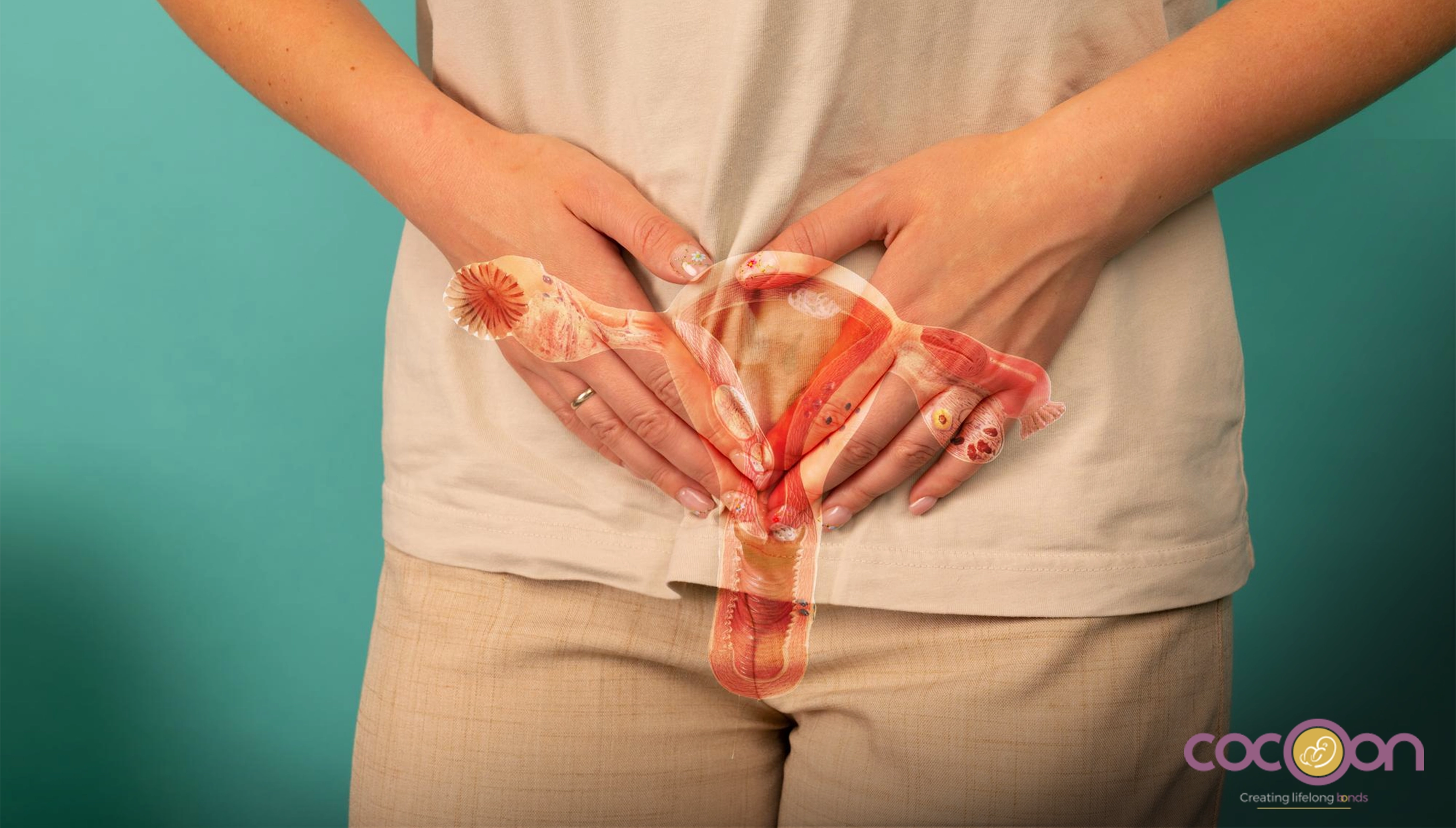
Many people have the misconception that premature ovarian insufficiency (POI) automatically means they have reached menopause or that pregnancy is impossible. However, it is a false narrative.
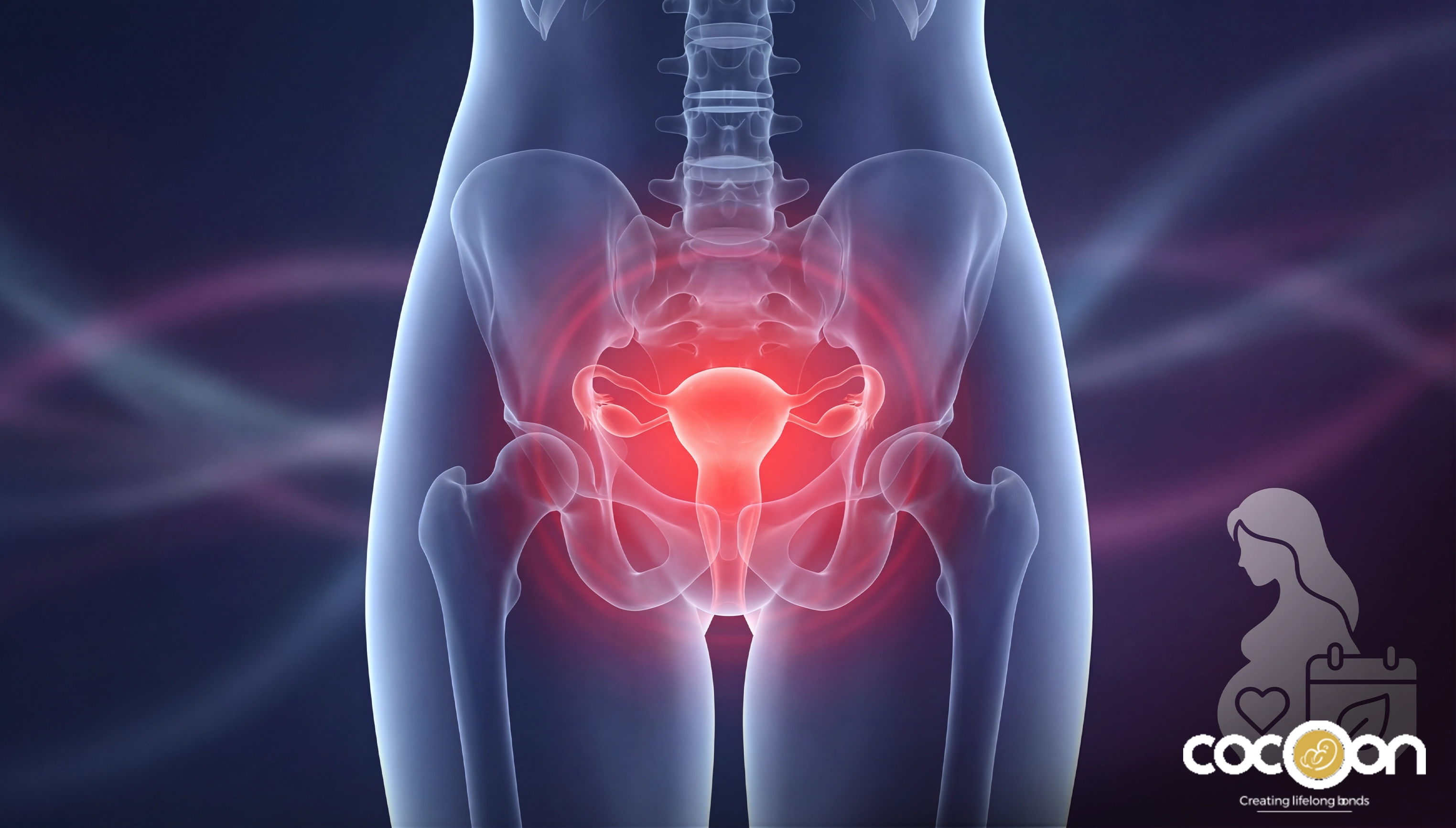
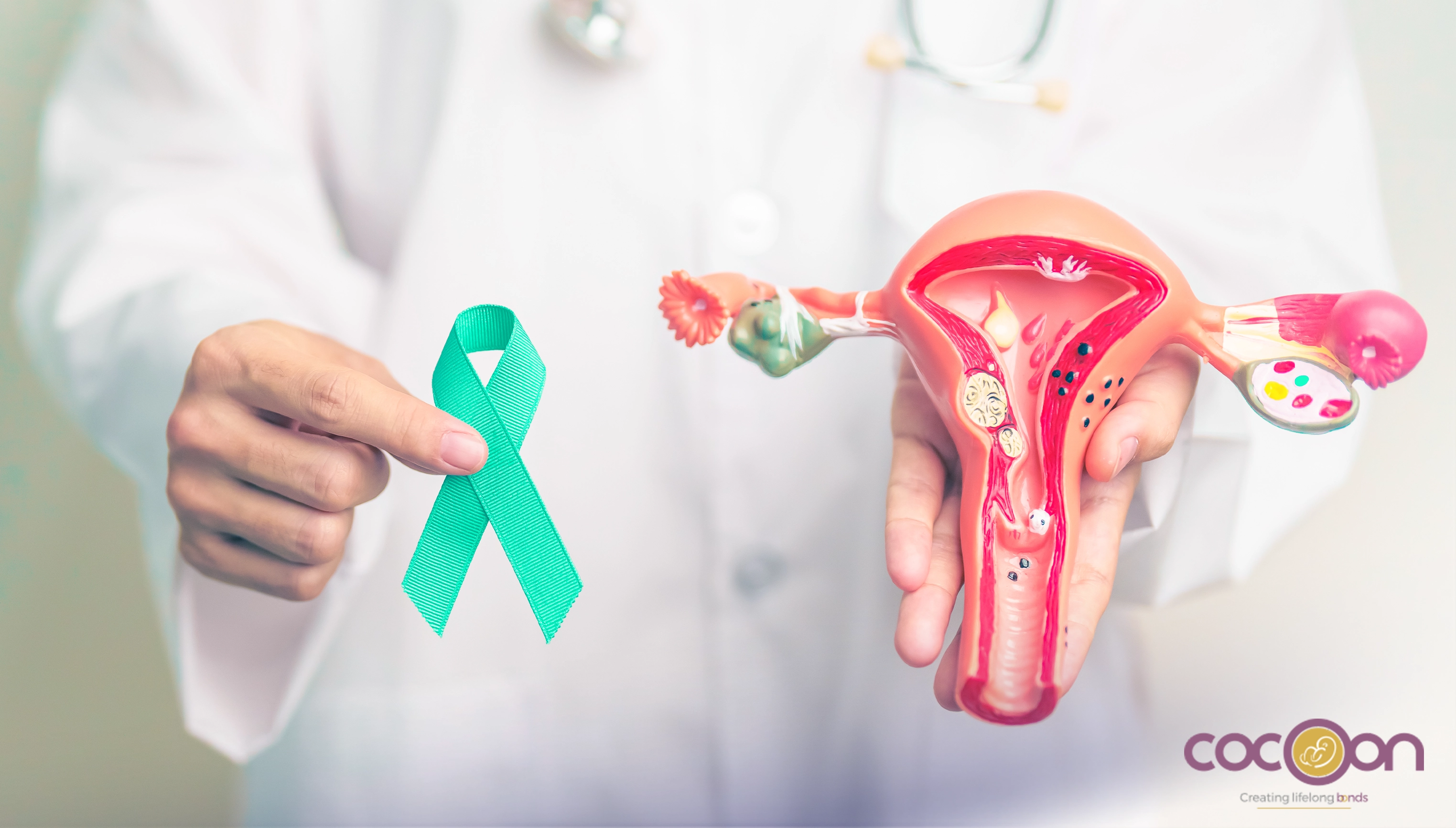
Premature ovarian insufficiency (previously known as premature ovarian failure) is a rare condition where the ovaries stop working before age 40, leading to irregular menstrual periods, lowered estrogen production, and fertility difficulties.
But unlike early menopause, ovarian function can return intermittently, and some women may still conceive naturally.
With early diagnosis, hormone replacement therapy (HRT), fertility preservation strategies, and assisted reproductive technologies, experts ensure symptoms are managed. This helps safeguard long-term health and improve reproductive options.
Read Also: PCOD and PCOS: Symptoms, Causes, Differences & Treatment
What Is Premature Ovarian Insufficiency (POI)?
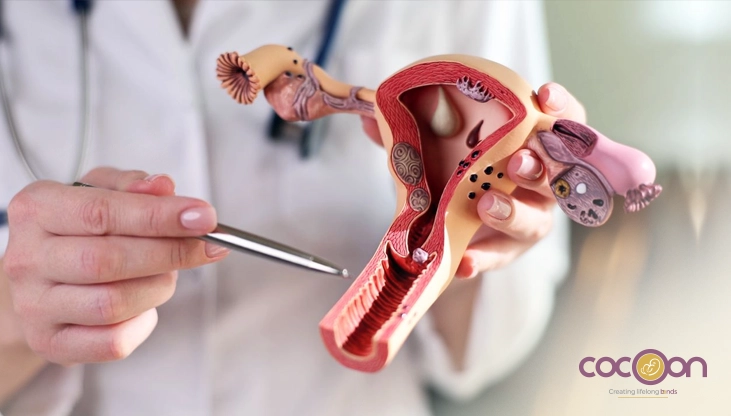
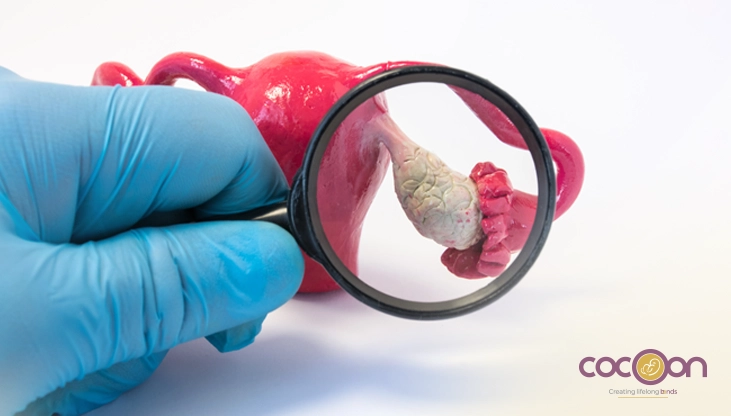
POI happens when the ovaries stop working as they should before age 40. When this occurs, the ovaries do not make the typical amounts of the hormone estrogen or release eggs regularly, often leading to infertility.
POI is different from premature menopause. With premature menopause, your menstrual cycle stops before age 40 and you can no longer get pregnant. The cause of premature menopause can be natural, or it can be a disease, surgery, chemotherapy, or radiation.
With POI, some women still have occasional/intermittent periods. They can even get pregnant. In the majority of cases, doctors don’t know what causes primary ovarian insufficiency (idiopathic POI).
Let’s understand with an example:
Imagine your ovary is a fruit tree.
A healthy tree blooms every season, producing fruit regularly. In premature ovarian insufficiency, the tree does not completely die; it just stops producing fruit regularly much earlier than expected. There are seasons when it may bloom, while in other seasons it may remain in a dormant state.
With POI:
- Ovulation becomes irregular.
- Estrogen production decreases.
- Periods are unpredictable.
- Pregnancy is still possible, although less likely.
POI is rare, generally affecting about 1% of women between ages 15 to 44. It can affect both those who’ve had children and those who haven’t ever had children. It’s more common in individuals who are older than 30 (1 in 1,000 women).
Read Also: Anemia During Pregnancy: Symptoms, Risks & Prevention
What is the Difference Between Premature Ovarian Insufficiency & Early Menopause
Here is the quick difference:
| Feature | Premature Ovarian Insufficiency (POI) | Early Menopause |
| Age | Before 40 | Before 45 (premature menopause: before 40) |
| Periods | Irregular or occasional | Completely stopped |
| Ovulation | May occur occasionally | Stops permanently |
| Natural pregnancy | Possible but uncommon | Extremely unlikely |
| Hormone production | Fluctuates | Permanently low |
| Treatment | Hormone therapy until average natural menopause age | Menopause management |
Read Also: Common Gynecological Surgeries & Procedures Explained
What Is the Main Cause of Premature Ovarian Insufficiency?
In around 90% of cases, the exact cause of POI is unknown (idiopathic POI).
Research shows that POI is related to problems with the follicles:
- Ovarian follicles either disappear too early
- Ovarian follicles stop functioning properly.
Some known POI causes are the following:
1. Genetic conditions
Such as:
- Fragile X syndrome (FMR1 mutation)
- Turner syndrome
- Mosaic Turner syndrome
- Other chromosome abnormalities
2. Autoimmune diseases
Such as:
- Hashimoto's thyroiditis
- Addison's disease
- Lupus
- Type 1 diabetes
3. Chemotherapy and pelvic radiation
The risk depends on:
- Age at treatment
- Type of chemotherapy
- Radiation dose
- Treatment duration
4. Surgery involving the ovaries
5. Environmental toxins
For example:
- Cigarette smoke
- Industrial chemicals
- Pesticides
- Other environmental toxins
Read Also: How to Get Periods Fast: Natural Tips, Exercises, and Papaya Benefits
What Are the Symptoms of Premature Ovarian Insufficiency?
The 1st sign of POI is usually irregular or missed periods.
Some women with POI don’t have any noticeable symptoms.
Other symptoms can include:
- Difficulty getting pregnant
- Hot flashes
- Night sweats
- Vaginal dryness
- Low libido
- Pain during intercourse
- Mood swings
- Anxiety
- Depression
- Poor concentration
- Memory problems
- Sleep disturbances
Many people ask, 'Who is at higher risk?' The following factors can increase the risk of developing premature ovarian insufficiency.
- Age between 35–40 years
- Family history
- Autoimmune disorders
- Chromosomal abnormalities
- Previous chemotherapy
- Radiation therapy
- Ovarian surgery
It is uncommon, but POI can also happen during adolescence (between 10 and 19 years old).
What Is the Best Treatment for Premature Ovarian Insufficiency?
Currently, there is no best treatment that restores normal ovarian function.
Experts personalise the treatment which aims to:
- Replace missing hormones
- Protect bone health
- Lower cardiovascular risk
- Improve quality of life
- Address fertility goals
1. Hormone Replacement Therapy (HRT)
HRT remains the cornerstone of treatment.
Hormone therapy provides your body the hormones that your ovaries aren’t making. HRT may involve taking just estrogen or taking estrogen and progesterone.
If you start HRT, you’ll continue treatment up until the age when natural menopause generally starts (age 51 to 52).
2. Calcium & Vitamin D
Doctors often recommend:
- Calcium-rich foods
- Vitamin D supplementation
- Weight-bearing exercise
- Bone density monitoring
3. Lifestyle Modifications
These include:
- Regular exercise
- Maintaining a healthy weight
- Avoiding smoking
- Limiting alcohol
- Eating a balanced diet
- Managing stress
- Regular medical follow-up
FAQs
Which test confirms premature ovarian insufficiency?
Diagnosis is not based on a single test alone.
Doctors combine your symptoms, menstrual history, examination and various laboratory tests such as:
- Pregnancy test
- Follicle Stimulating Hormone (FSH)
- Estradiol
- Anti-Müllerian Hormone (AMH)
- Prolactin
- Thyroid function tests
- Karyotype analysis
- Screening for Fragile X syndrome
- Pelvic ultrasound
- Bone density scan
What are the long term effects of premature ovarian insufficiency?
Women with POI have lower levels of estrogen. Low estrogen can put you at risk for other health conditions such as:
- Osteoporosis
- Bone fractures
- Heart disease
- Stroke
- Infertility
- Depression
- Anxiety
- Vaginal atrophy
- Dry eye syndrome
- Sexual dysfunction
- Cognitive decline (in some women)
Can you still get pregnant with premature ovarian insufficiency?
Yes, but fertility becomes unpredictable.
What are the fertility options for women with POI?
Reproductive medicine offers the following options based on individual factors:
- Natural conception
- IVF with donor eggs
- Embryo cryopreservation
- Oocyte (egg) freezing
- Ovarian tissue cryopreservation
Can premature ovarian insufficiency be reversed?
Currently, there is no proven treatment that restores normal ovarian function in spontaneous POI.
Management focuses on:
- hormone replacement
- symptom control
- fertility planning
Conclusion
Primary ovarian insufficiency isn’t reversible. However, doctors can treat symptoms, side effects and associated conditions to improve the quality of life.
Contact your doctor if you miss your menstrual period for 3 months. Your period might stop for many reasons, including pregnancy, stress or hormonal changes. Your provider can help to determine the root cause of your missed periods and provide the most effective treatment option.