 08929816349

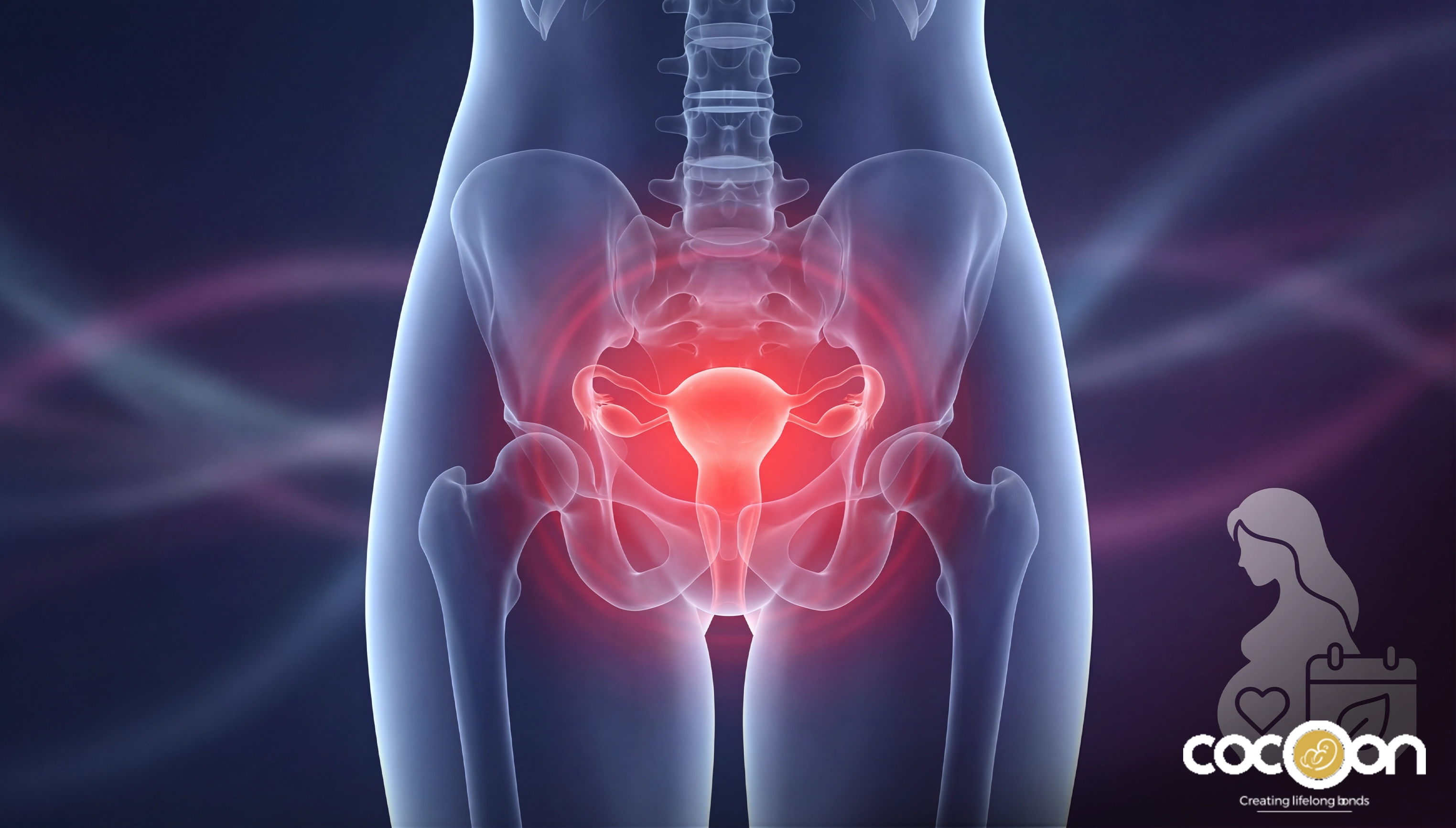
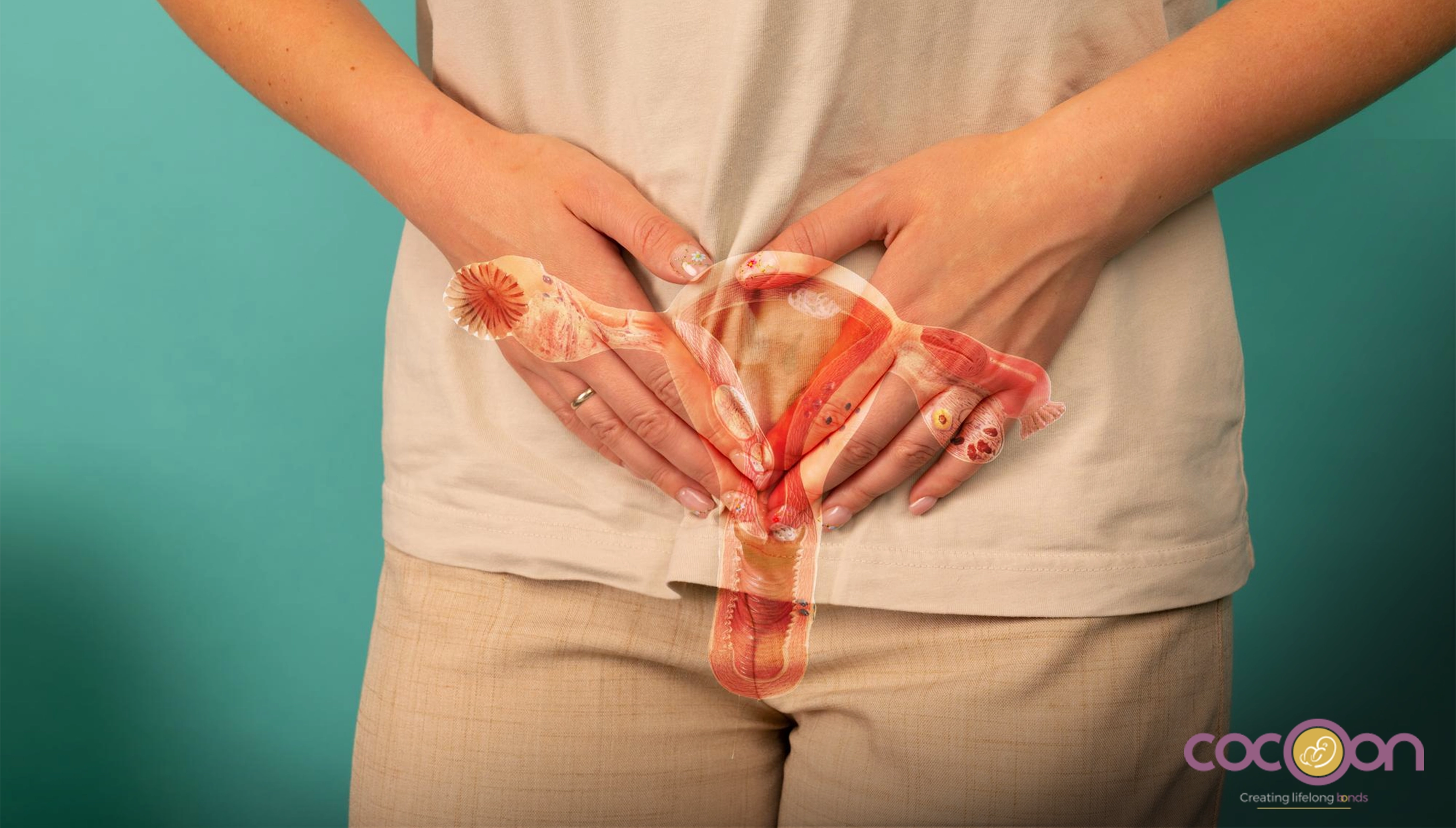
If you are constantly soaking through pads or tampons every hour, passing blood clots that are the size of a quarter or bigger more than once or twice, or having periods lasting longer than seven days, these are not considered normal.
They may be signs of menorrhagia (heavy menstrual bleeding), which can affect your daily life, energy levels, and overall health. Therefore, consult your doctor in a timely manner for a comprehensive medical evaluation to identify the root cause and receive the most effective treatment.
Quick Overview: Menorrhagia
Here is a quick overview:
| Fact | Details |
| Medical term | Menorrhagia |
| Also known as | Heavy menstrual bleeding or losing more blood than is typical during menstruation |
| Normal period duration | 4–7 days |
| Heavy bleeding | Periods lasting longer than 7 days |
| Common symptoms | Soaking pads hourly, passing large clots, fatigue |
| Possible complication | Iron-deficiency anemia |
| Treatable? | Yes, in most cases |
What Is Menorrhagia?
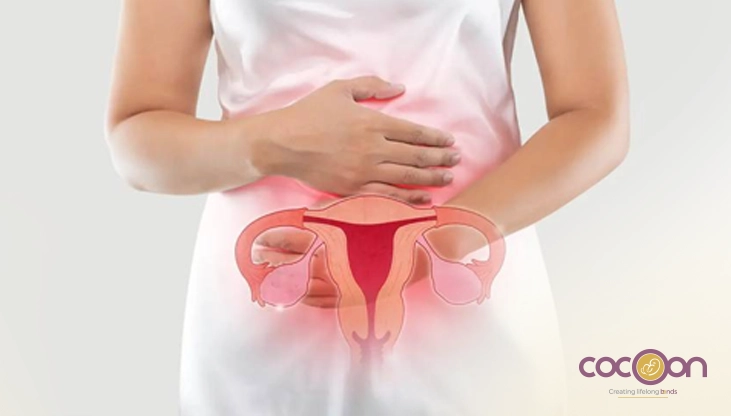
Menorrhagia is more severe or prolonged menstrual bleeding than normal. With heavy menstrual bleeding, blood flow and cramping make it difficult to perform your usual activities.
Doctors generally consider menstrual bleeding heavy when you:
- Bleed for more than 7 days.
- Need to change a pad or tampon every hour for two or more consecutive hours.
- Pass blood clots the size of a quarter or larger several times per day.
- Bleed so much you have to change your pad or tampon every hour for several hours back-to-back.
- Can’t do your normal activities (work, school, or social activities) when you have your period.
How Do I Know If My Period Is Too Heavy?
Most individuals don’t enjoy getting their menstrual period. But if you have menorrhagia, getting your period is probably downright miserable.
Do not assume that periods are supposed to be inconvenient and uncomfortable.
Ask yourself these questions:
- Are your periods lasting longer than seven days?
- Are you constantly worried about leaking through your clothes?
- Are your periods disrupting your life?
- Are you passing blood clots that are the size of a quarter or bigger more than once or twice
- Are you layering up on tampons or pads to protect against leakage?
- Do you carry extra sanitary products everywhere?
- Do you need to change a pad or tampon in the middle of the night when you should be sleeping?
- Do you avoid traveling or attending events during your period?
- Do you feel unusually exhausted every month?
If you answered YES to several of these above-mentioned questions, your bleeding may be heavier than normal. Consult your doctor for the right diagnosis.
What Are the Red Flags of Menorrhagia?
| Symptom | What It Means |
| Bleeding longer than 7 days | Prolonged periods |
| Soaking one pad or tampon every hour | Excessive blood loss |
| Passing large clots | Heavy uterine bleeding |
| Severe cramps | May indicate underlying conditions |
| Fatigue/weakness | Possible anemia |
| Shortness of breath | Significant blood loss |
| Need for double protection | Heavy menstrual flow |
During your period, you should be able to:
- Wear a standard pad or tampon for 3 to 4 hours without changing it
- Wear a single menstrual product with no need of wearing two pads or two tampons at the same time at any point
- Wear a single overnight pad during a good night's sleep
- Leave your home without having to pack extra bags of pads or clothing changes
- Live your life like other days, without missing work, avoiding going out in public or avoiding activities you enjoy
What Is the Root Cause of Menorrhagia?
There is not one single cause of heavy menstrual bleeding lasting longer than seven days and involves bleeding more than is typical during menstruation.
Sometimes it's related to hormones, and other times it signals an underlying medical condition.
- Hormonal imbalance may occur due to:
- Polyendocrine Metabolic Ovarian Syndrome (PMOS)
- Thyroid disorders
- Obesity
- Irregular ovulation
- Perimenopause
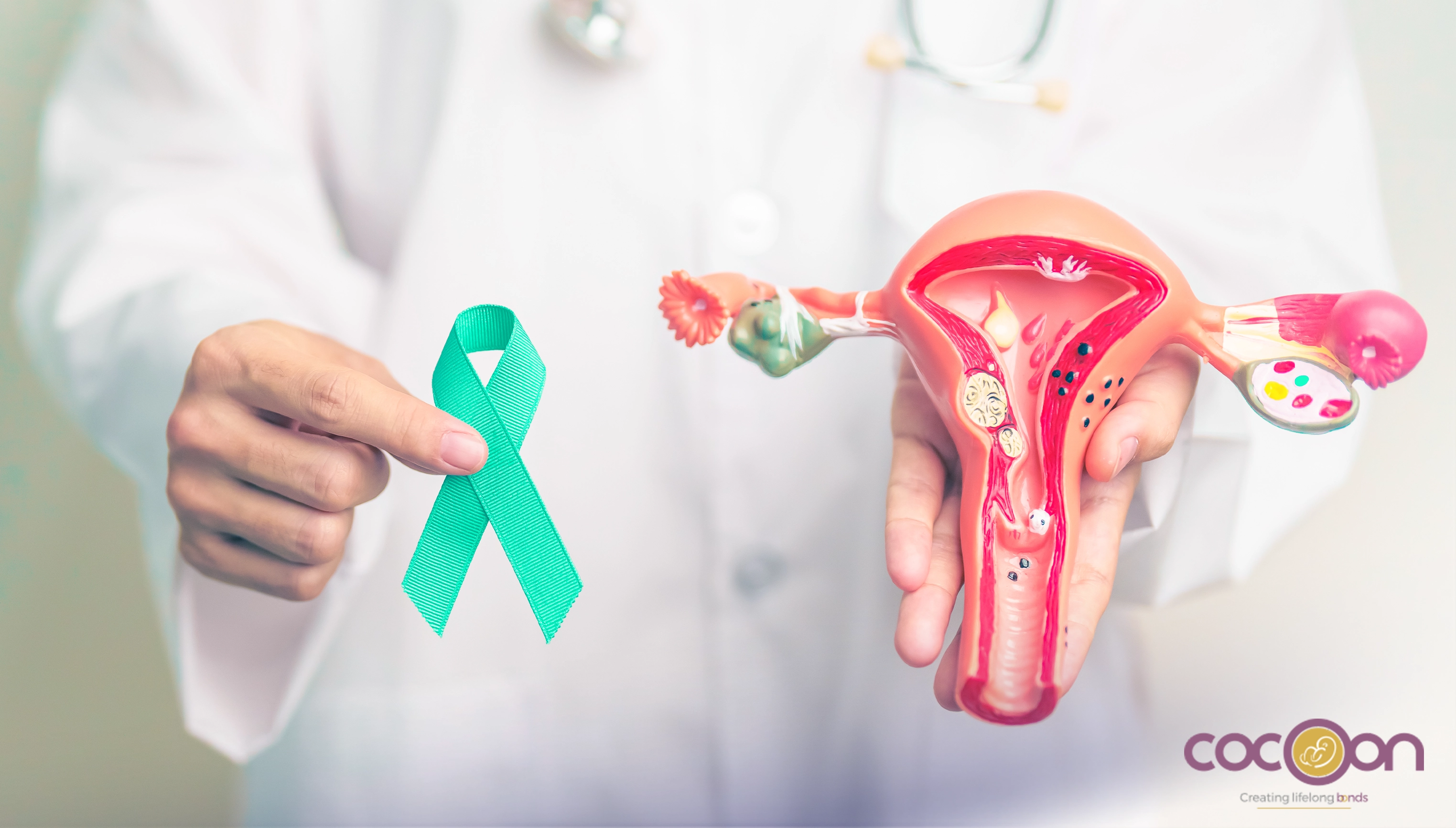
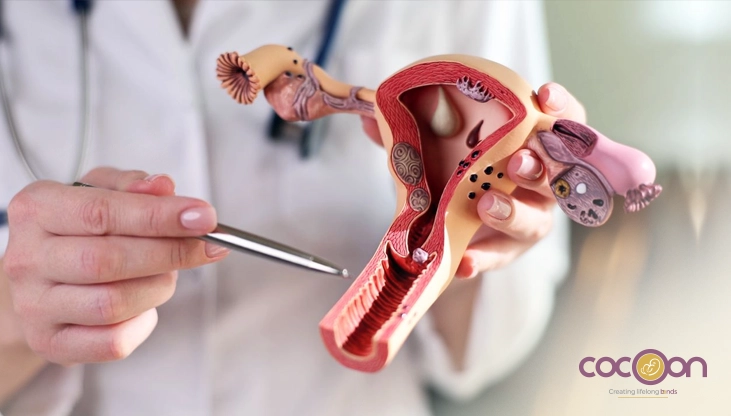
- Uterine fibroids (non-cancerous growths inside the uterus (womb))
- Uterine polyps (small tissue growths attached to the lining of the uterus)
- Adenomyosis (uterine lining grows into the muscular wall of the uterus)
- Bleeding disorders
- Pregnancy-related problems (miscarriage, ectopic pregnancy, and placental abnormalities)
- Certain medications (blood thinners, aspirin, hormonal medications and copper intrauterine devices (IUDs))
- Less common cancers (endometrial cancer, cervical cancer and endometrial hyperplasia)
Who Is More Likely to Develop Menorrhagia?
Heavy menstrual bleeding can occur at any reproductive age, but there can be increased risk among women who have:
- PMOS
- Thyroid disorders
- Obesity
- Fibroids
- Bleeding disorders
- Perimenopause
- Family history
What Is the Diagnostic Criteria for Menorrhagia?
Doctors generally start with the review of your medical history and menstrual cycle.
Your provider may ask about:
- Your age when you got your first period
- How often you change pads or tampons
- The number of days your period is heavy
- Whether you pass blood clots
- If heavy bleeding affects daily activities
Depending on your symptoms, additional tests may include:
- Blood tests
- Pelvic ultrasound
- Magnetic resonance imaging (MRI)
- Pap smear
- Endometrial biopsy
- Hysteroscopy
- Sonohysterography
- MRI (in selected cases)
The goal of the diagnosis is not just to confirm menorrhagia, but also to know why the excessive and prolonged bleeding is happening.
Which One Is the Best Treatment For Heavy Menstrual Bleeding?
There is no single best treatment.
Treatment depends on:
- Your age
- The underlying cause
- Whether you plan to have children
- The severity of bleeding
- Your overall health
Medications
Doctors often recommend medication before surgery.
Common options include:
| Symptom | What It Means |
| Bleeding longer than 7 days | Prolonged periods |
| Soaking one pad or tampon every hour | Excessive blood loss |
| Passing large clots | Heavy uterine bleeding |
| Severe cramps | May indicate underlying conditions |
| Fatigue/weakness | Possible anemia |
| Shortness of breath | Significant blood loss |
| Need for double protection | Heavy menstrual flow |
Surgical Options
If medications and conventional methods fail, surgery may be recommended based on your diagnosis and future pregnancy plans..
Options include:
- Hysteroscopy
- Dilation and Curettage (D&C)
- Myomectomy
- Uterine artery embolization
- Endometrial ablation
- Hysterectomy (for severe cases)
FAQs
Q1: Is menorrhagia the same as a heavy period?
A: Not always.
A single heavy period can happen occasionally, but menorrhagia refers to consistently losing more blood than is typical during menstruation or prolonged menstrual bleeding that affects your ability to perform daily tasks like going to school or work.
Q2: How many pads per day is considered heavy bleeding?
A: Menorrhagia is not defined strictly by the number of pads changed daily.
Bleeding so much that you need to change your pad or tampon every hour for several hours back-to-back is considered abnormally heavy and should be evaluated.
Q3: What can menorrhagia lead to?
A: It can lead to several health complications such as:
- Iron-deficiency anemia
- Chronic fatigue and weakness
- Shortness of breath
- Dizziness or fainting
- Severe menstrual pain (dysmenorrhea)
- Reduced quality of life
- Difficulty performing daily activities
- Missed work, school, or social events
- Delayed diagnosis of underlying conditions
Conclusion
If you ask: “can menorrhagia be prevented?” No.
You can't prevent all causes of heavy period bleeding.
However, timely evaluation can help determine underlying conditions before they become complicated.
Here are 5 helpful habits:
- Track your menstrual cycle
- Record pad or tampon use
- Attend regular gynecological checkups
- Manage chronic conditions such as thyroid disease or PMOS
- Seeking medical advice instead of accepting heavy periods are normal
When Should You See a Gynaecologist?
You should go for medical evaluation if you:
- Bleed longer than 7 days
- Soak through one pad or tampon per hour for 2 hours or more
- Regularly pass large blood clots
- Having severe fatigue or dizziness
- Have bleeding between periods
- Bleed after menopause
- Menstrual bleeding is interfering with normal life
Disclaimer: This blog is for educational use only. For detailed information about menorrhagia or heavy menstrual bleeding, consult healthcare professionals only.