 08929816349
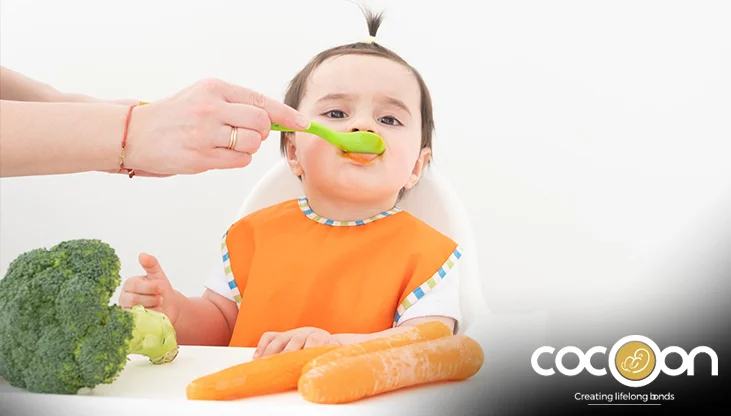
If your baby isn’t gaining weight as fast as you expected, it can be worrying, but in many cases, simple nutrition tweaks can make a big difference. By offering age‑appropriate, nutrient‑dense baby weight gain foods and following your pediatrician’s advice, you can support safe, steady growth.
Healthy baby weight gain is best supported by calorie‑dense, nutrient‑rich foods such as breast milk or formula, avocado, banana, sweet potato, full‑fat dairy, eggs, oats, ghee, lean meats, and dry fruit powder (age‑appropriate). Always introduce new foods gradually, watch for allergies, and consult your pediatrician before making major changes to your baby’s diet.
Quick Reference: Baby Weight Gain Foods & Age Guide
| Food Item | Recommended Age | Key Benefits & Nutrients | How to Serve / Prepare |
| Breast Milk / Formula | 0+ Months | Essential fats, calories, and core nutrition | Frequent demand feeding or doctor-recommended formula amounts. |
| Avocados | 6+ Months | Healthy monounsaturated fats for brain development | Mash or blend into a smooth puree; can mix into infant cereal. |
The Importance of Healthy Weight Gain for Babies
First and foremost, weight gain is a key sign of your baby’s growth, energy levels, and overall health. Babies usually gain weight rapidly during their first year, and their weight by month will reflect their developmental progress. By ensuring they are getting the right nutrients, you can help them gain weight appropriately.
Read Also: National Nutrition Week: Nutrition Tips for Expecting & New Moms
10 Healthy Baby Weight Gain Foods (With Age Guide)
Let’s take a look at the foods that can help your baby gain weight quickly while providing the essential nutrients for healthy development. These nutrient-rich options will support your little one growing strong, healthy, and happy.
1. Breast Milk or Formula (0+ Months)
Breastfeeding is the gold standard for your baby’s nutrition during the first six months. If breastfeeding isn't possible, formula milk is a great alternative. Both options are packed with essential fats and calories, ensuring healthy and steady weight gain.
For breastfed babies, ensure frequent feeding sessions to promote weight gain. If using formula, consult with your pediatrician for the right amount based on your baby’s age and weight.
2. Avocados (6+ Months)
Avocados are packed with nutrients and healthy fats that are essential for promoting weight gain in babies. These healthy fats support brain development and provide your baby with vital energy. Also, they are easy to digest and can be introduced as early as six months.
You can mash or blend avocados into a puree for easy consumption. You can also add them to cereals or smoothies for an extra calorie boost.
Read Also: Weekly Pregnancy Diet Chart by Experts
3. Sweet Potatoes (6+ Months)
Sweet potatoes are rich in carbohydrates and vitamins, making them a great source of energy for healthy weight gain. They are an excellent source of vitamin A, which supports your baby’s immune system. Sweet potatoes can easily be mashed into a smooth, nutritious puree.
Bake, steam, or boil sweet potatoes and mash them for a wholesome meal. Mix them with other vegetables to create a well-balanced dish.
Read Also: Fetal Weight Chart: Understanding Baby's Growth During Pregnancy
4. Bananas (6+ Months)
Bananas are soft, easy to digest, and packed with natural sugars and carbohydrates, making them a calorie-rich food perfect for weight gain. Bananas can be a great addition to your baby’s diet for extra energy.
Serve mashed bananas as part of your baby’s meals. They can also be mixed with other fruits or cereals for a nutritious snack.
5. Ghee (Clarified Butter) (7+ Months)
Ghee is a traditional Indian favorite that adds healthy fats to a baby’s diet. It is calorie-rich and helps support energy needs. However, it should be used in moderation to avoid potential digestive issues.
Add a small amount of ghee to khichdi, dal, or chapati. Be mindful of the quantity to ensure your baby’s tummy doesn’t get upset.
6. Full-Fat Dairy (Yogurt, Paneer) (8+ Months)
Full-fat dairy products such as yogurt and paneer are rich in calcium and healthy fats, essential for weight gain and bone development. These can be introduced after 8 months.
Start with plain, unsweetened yogurt and mix it with mashed fruits for added flavor and calories. Paneer can be grated, mashed, or blended into dishes like khichdi.
7. Eggs (8+ Months)
Eggs are packed with protein and healthy fats that support muscle growth and healthy weight gain. They also provide essential vitamins.
Scramble eggs or serve them boiled. You can also mix eggs into vegetable purees or make an omelet for a nutritious meal. Introduce eggs gradually and monitor for any allergic reactions.
8. Oats (6+ Months)
Oats are a great source of complex carbohydrates that provide lasting energy and are rich in fiber, which aids digestion. They can be made into a smooth porridge that’s easy for your baby to consume.
Prepare oatmeal with full-fat milk, and add mashed fruits or nut butter to boost calorie intake.
9. Chicken and Lean Meats (8+ Months)
As your baby reaches the appropriate age for solid foods, introducing lean meats such as chicken or turkey can support healthy weight gain. These meats are rich in protein and essential nutrients needed for muscle development.
Puree or mash cooked chicken and mix it with vegetables or grains to make a nutritious meal. Start introducing solid meats gradually as part of a balanced diet.
10. Dry Fruits Powder (10+ Months)
Dry fruits like almonds and cashews provide essential nutrients and energy. They should be introduced as powders after 10 months.
Mix dry fruit powder into porridge, kheer, or milk for added calories and flavor.
Read Also: Neonatal Care Tips for New Parents: What to Expect in the NICU?
Tips to Help Your Baby Gain Healthy Weight
To support your baby’s healthy weight gain, here are some tips that can make a difference in their growth journey:
Feed Frequently: Offer smaller, more frequent meals throughout the day to keep your baby full and provide them with steady calorie intake.
Offer a Variety of Foods: Incorporating a variety of nutrient-rich foods helps ensure that your baby is getting the right balance of vitamins, minerals, and healthy fats.
Monitor Growth: Track your baby’s growth regularly to ensure they are meeting baby weight by month milestones. If you notice any issues, consult with a pediatrician.
Read Also: Breastfeeding in the NICU: Tips and Support for New Mothers
Simple Meal Ideas Using These Foods
Here are a few easy, age‑appropriate combinations that support healthy weight gain:
- 6–8 months:
- Mashed sweet potato with a few drops of ghee
- Oats porridge with mashed banana
- Mashed avocado with breast milk or formula
- 8–10 months:
- Khichdi with ghee and grated paneer
- Scrambled egg mixed with soft, mashed vegetables
- Curd with mashed banana or mango
- 10+ months:
- Soft rice, dal, ghee, and dry fruit powder
- Chicken and vegetable khichdi
- Oats kheer with dry fruit powder (very fine)
Always adjust texture (smooth puree, mashed, or soft lumps) according to your baby’s age and chewing ability.
Importance of Baby Weight in the First Year
The 9-month baby weight and subsequent growth milestones are key indicators of your baby’s development. The first year of life is when babies typically double their birth weight by 5 months and triple it by their first birthday. The right nutrition helps your baby achieve these goals safely and effectively.
When to Seek Help from a Pediatrician
You should consult a pediatrician if:
- Your baby’s weight gain slows down significantly or drops off their usual growth curve.
- Your baby seems very lethargic, has poor feeding, frequent vomiting, or persistent diarrhea.
- You are unsure about how much or what type of food to offer at each stage.
A pediatrician can assess your baby’s growth pattern, rule out underlying causes, and help you plan a personalised feeding approach.
Conclusion
With the right foods, such as baby weight gain food options like avocados, sweet potatoes, and eggs, you can support your baby’s growth and help them gain healthy weight. By following the tips mentioned and keeping an eye on your baby’s growth, you can ensure that they are on track for healthy development. If you’re concerned about your baby’s weight or nutritional intake, don't hesitate to reach out to Cocoon Hospital for expert guidance and personalized care.
Concerned about your baby’s weight? Visit Cocoon Hospital for expert pediatric care and personalized advice on how to support your baby’s healthy weight gain. Book an appointment today!
Disclaimer: This article is for general information only and is not a substitute for medical advice. Always talk to your pediatrician if you’re concerned about your baby’s weight, feeding, or growth.
FAQs
Q1: Which foods help babies gain weight fast but healthily?
A: Breast milk or formula is primary for weight gain. After 6 months, add avocado, banana, sweet potato, full‑fat curd/paneer, well‑cooked eggs, oats, little ghee, soft lean meats, and fine dry‑fruit powder (with your paediatrician's approval).
Q2: How can I increase my 9‑month‑old baby’s weight naturally at home?
A: Give frequent breastfeeds/formula plus 2–3 meals and 1–2 snacks. Offer soft khichdi with ghee, curd with banana, paneer, eggs, soft chicken/fish, and avoid juices, biscuits, and sugary snacks.
Q3: Is banana good for baby weight gain, and how often can I give it?
A: Yes, a banana is soft and calorie‑dense. Most babies on solids can have a small serving once a day, unless your paediatrician advises otherwise or your baby gets constipated.
Q4: When can I start giving eggs to my baby for weight gain?
A: Usually around 6–8 months, as advised by your paediatrician. Start with a small amount of well‑cooked egg, watch for allergy signs, then slowly increase if tolerated.
Q5: Is ghee safe for babies, and how much ghee should I add to baby food?
A: Ghee is usually safe from about 6–7 months in tiny amounts. Start with a few drops up to about half a teaspoon in a meal once or twice daily, adjusting per digestion and doctor’s advice.
Q6: What are some high‑calorie baby food recipes for healthy weight gain?
A: Try sweet‑potato mash with ghee, oats or suji porridge with mashed banana, curd with mashed fruit, vegetable khichdi with paneer and ghee, and rice‑dal with very fine dry‑fruit powder (one nut at a time, age‑appropriate).
Q7: When should I worry about my baby not gaining enough weight and see a pediatrician?
A: See your pediatrician if growth‑chart percentiles drop, there’s little or no weight gain for weeks, clothes don’t change size for months, or if your baby feeds poorly, seems very sleepy, or falls sick often.