 08929816349
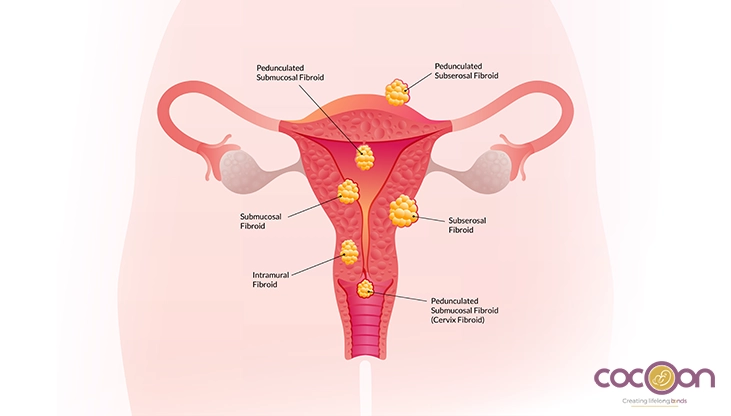
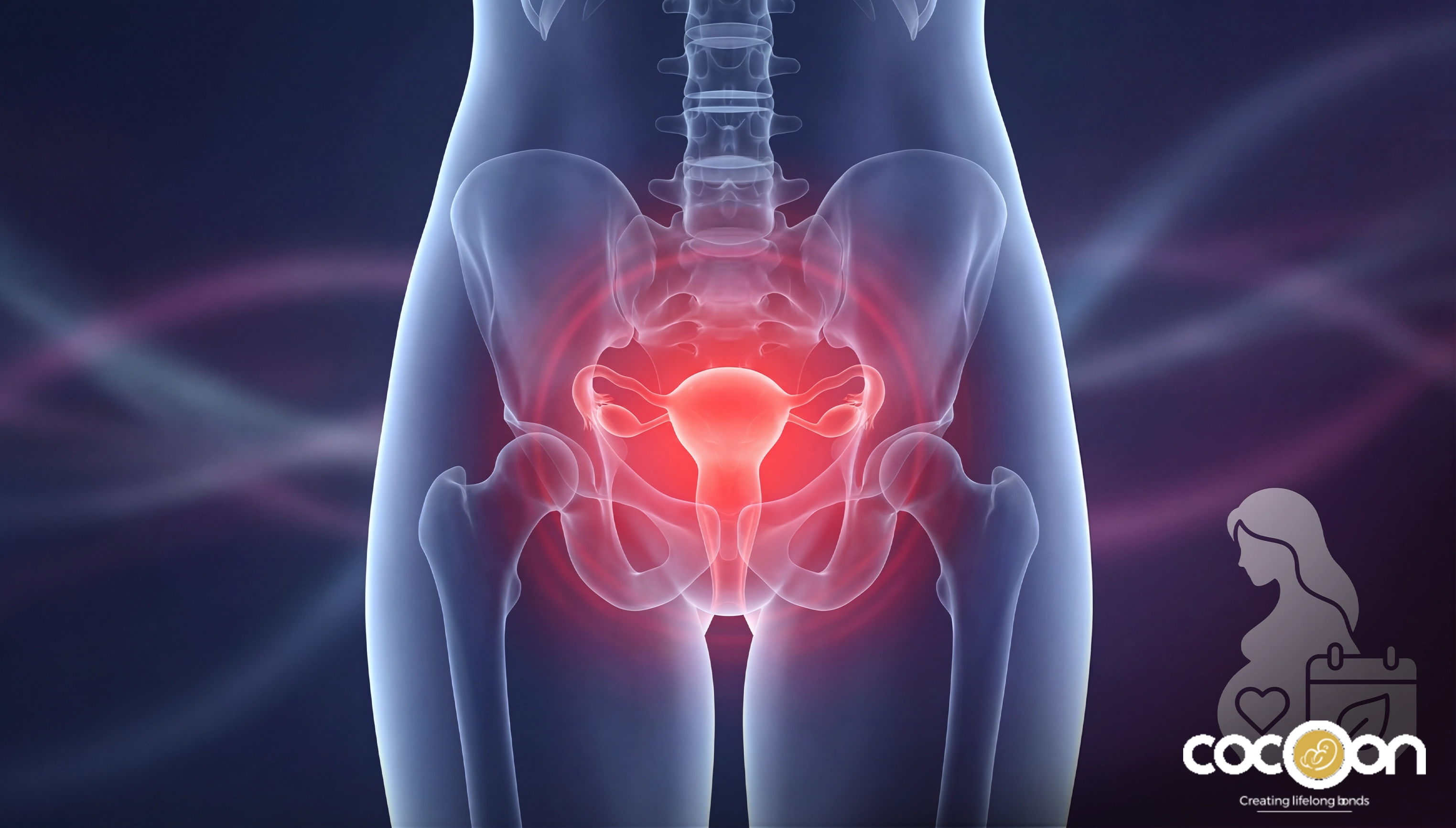
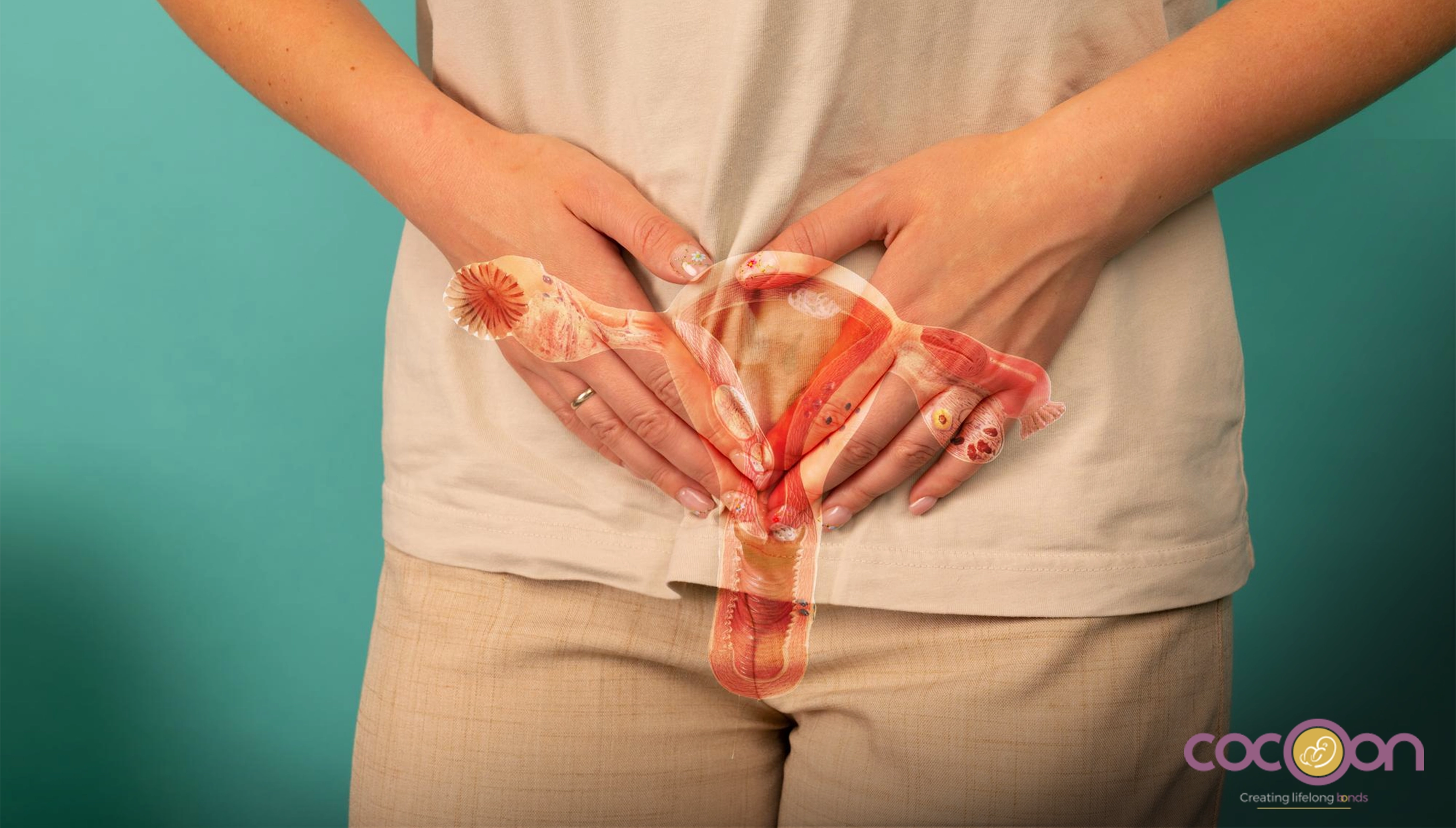
Think of your uterus (womb) as a small, well-organized home where your menstrual cycle follows a steady, predictable rhythm. When fibroids or polyps begin to develop, it’s almost like unexpected guests quietly moving in.
At first, their presence may be subtle, but over time, they can shift things around, changing the routine, creating discomfort, and leaving you wondering “why something suddenly feels different, even though nothing seems obviously wrong on the surface”.
Fibroids and uterine polyps are non-cancerous growths that form inside or around the uterus. While they are generally not dangerous, they can disrupt your menstrual cycle, cause pelvic pressure, and gradually affect the quality of your life if they go unnoticed.
Recognizing early signs of fibroids and uterine polyps is similar to noticing small changes in your home before they turn into bigger problems.
Read Also: Uterine Fibroids: Symptoms, Causes, and Effective Solutions
What Early Warning Signs of Fibroids & Uterine Polyps Mean
These early signs aren’t necessarily something bad; in fact, they’re simply your body’s way of asking for attention.
Think of them as helpful signals reminding you to check in on your health. Visiting the best gynaecologist near you can help you get the right diagnosis and guidance. When these conditions are detected early, they are often much easier to manage.
| Feature | Fibroids | Uterine Polyps |
| Main symptom pattern | Heavy, prolonged periods; large clots | Irregular spotting between periods |
| Pain | Often more cramping, pelvic/back pain | Often milder, mainly cycle‑related |
| Pressure / bloating | Common, can enlarge abdomen | Less common unless large/multiple |
| Relation to periods | Bleeding during or after periods | Frequent intermenstrual spotting |
Read Also: Fibroid Treatment Hospital in Jaipur – Surgery & Cost
What Are Fibroids and Uterine Polyps?
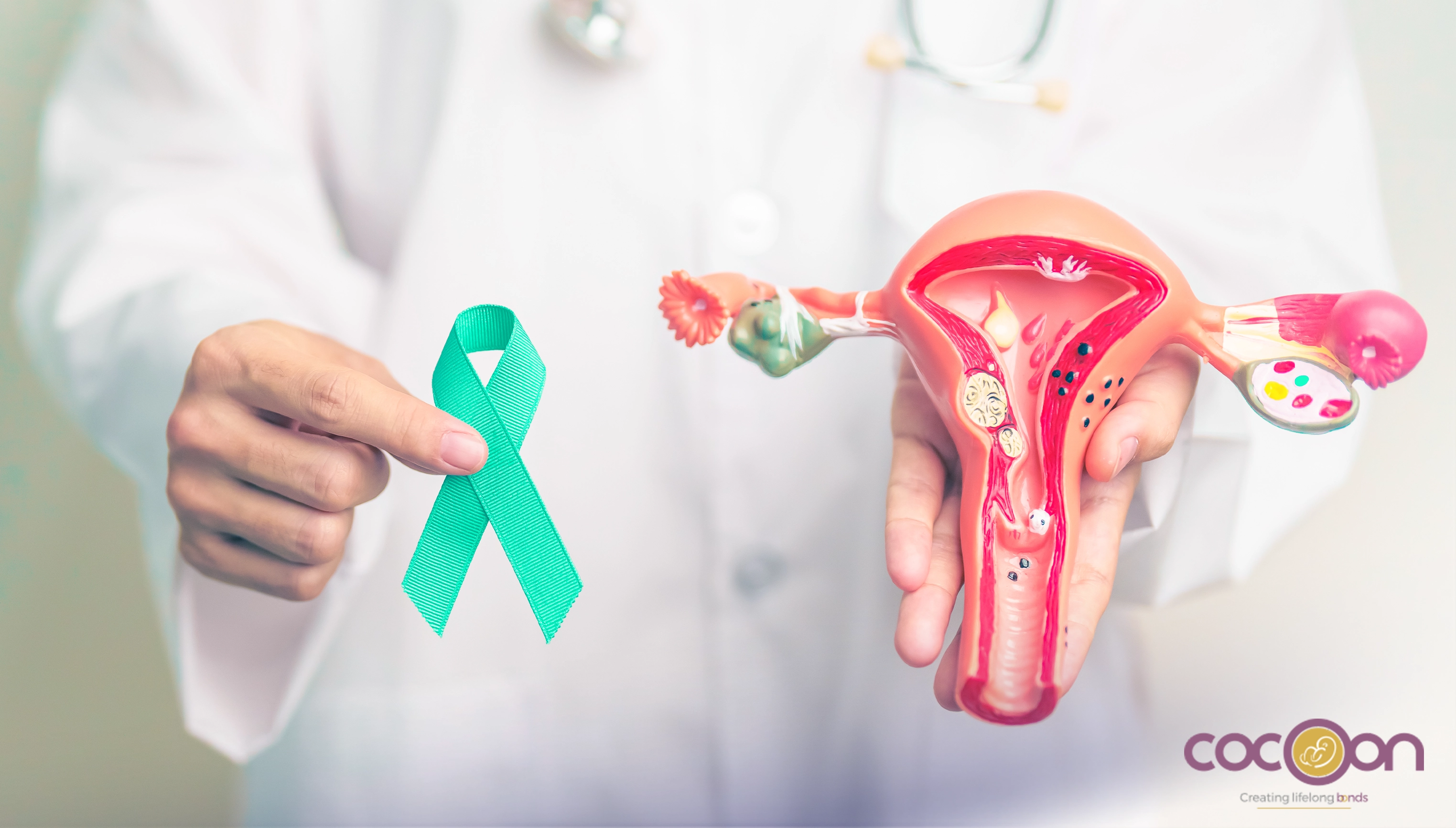
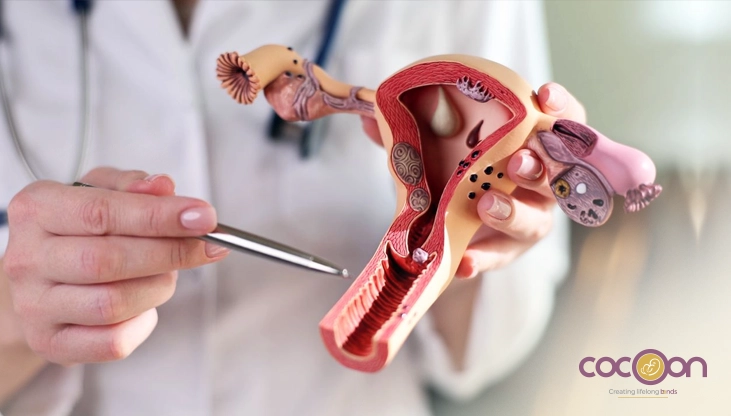
Uterine fibroids are non-cancerous growths made of muscle tissue that develop in the wall of the uterus. Fibroids are commonly known as leiomyomas, myomas, or uterine myomas. They can be very small or grow large enough to cause swelling in the lower abdomen. Fibroids are often influenced by hormones like estrogen and progesterone.
Uterine polyps, also called endometrial polyps, are soft growths that form in the inner lining of the uterus (the endometrium). Most polyps are benign, but in some cases, especially after menopause, they may become precancerous or cancerous.
Read Also: Preparing for Gynae Surgery: Before, During & After Care
Early Warning Signs of Fibroids
Many women live with fibroids for years without realizing it. However, following early symptoms may indicate their presence.
1. Heavy Menstrual Bleeding
One of the most common early symptoms of fibroids is unusually heavy periods.
Women may notice:
- Soaking through pads or tampons every hour
- Passing large blood clots
- Periods lasting longer than 7 days
Heavy bleeding occurs because fibroids increase the surface area of the uterine lining.
2. Pelvic Pressure or Pain
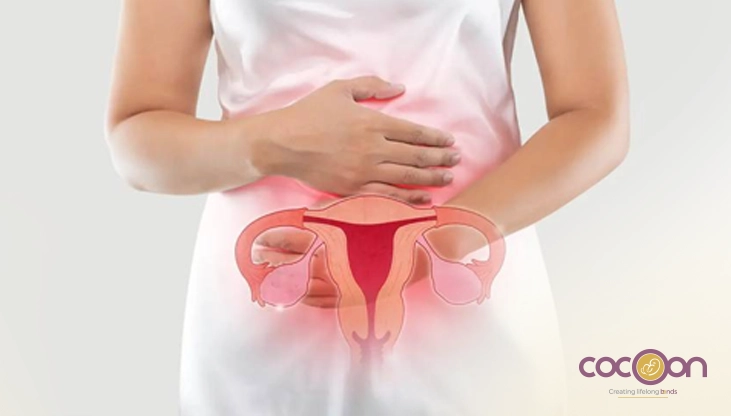
As fibroids grow, they may cause pressure in the lower abdomen or pelvis.
Some women describe it as:
- A feeling of fullness in the lower stomach
- Mild to moderate pelvic discomfort
- Lower back pain
Large fibroids can press against nearby organs such as the bladder or intestines.
3. Frequent Urination
Fibroids located near the bladder may press against it, causing:
- Frequent need to urinate
- Difficulty emptying the bladder completely
- Increased nighttime urination
This symptom is often mistaken for a urinary tract issue.
4. Pain During Intercourse
Some women experience pain during sexual intercourse (dyspareunia), particularly when fibroids grow near the cervix or inside the uterus.
This can affect intimacy and overall quality of life.
5. Abdominal Bloating or Enlargement
Large fibroids can cause the abdomen to appear swollen or enlarged, similar to early pregnancy.
Women may notice:
- Tightness in clothing
- Visible lower belly swelling
- Increased abdominal firmness
Read Also: Recovery Tips After Gynecological Surgery: Do’s and Don’ts
Early Warning Signs of Uterine Polyps
While polyps are often small, they can still produce noticeable symptoms. Many women are asymptomatic, with polyps found incidentally during fertility checks or imaging.
1. Irregular Menstrual Cycles
One of the earliest indicators of uterine polyps is irregular menstruation.
This may include:
- Unpredictable periods
- Bleeding between cycles
- Changes in cycle length
2. Spotting Between Periods
Unexplained spotting or light bleeding between periods can signal the presence of polyps in the uterine lining.
This type of bleeding may occur:
- After intercourse
- Between menstrual cycles
- During ovulation
3. Very Heavy or Prolonged Periods
Similar to fibroids, uterine polyps can also cause excessive menstrual bleeding.
Women may experience:
- Longer periods
- Heavier blood flow
4. Infertility or Difficulty Conceiving
Polyps may interfere with fertility by:
- Blocking sperm movement
- Preventing embryo implantation
- Affecting uterine lining quality
Some women discover polyps only during fertility investigations.
5. Bleeding After Menopause
Postmenopausal bleeding should always be evaluated by a doctor.
Even though most polyps are benign, bleeding after menopause can indicate abnormal growths that require medical examination.
Read Also: Heavy Periods & Pelvic Pain: Could It Be Fibroids, Adenomyosis or Endometriosis
Can Uterine Polyps Cause Infertility
Yes, polyps in the uterus can cause infertility.
They distort the uterine cavity, block sperm, impair implantation, and cause inflammation, reducing pregnancy rates. Removal often restores fertility.
Causes and Risk Factors
Although the exact cause is not always clear, several factors increase the risk of developing fibroids and uterine polyps.
| Risk Factor | Uterine Fibroids | Uterine Polyps | Shared Risks |
| Primary Cause | Smooth muscle overgrowth; estrogen/progesterone-driven (shrink post-menopause). | Endometrial lining overgrowth; estrogen fluctuations. | - |
| Hormones | High estrogen/progesterone. | Estrogen thickens lining. | Estrogen |
| Genetics | Gene mutations in muscle cells. | Lynch syndrome. | Family history |
| Age | Reproductive years. | 40s-50s, perimenopause. | - |
| Race/Ethnicity | Higher in African American women. | - | - |
| Reproductive | Early menarche; nulliparity. | - | - |
| Obesity | Boosts hormone production. | Increases estrogen conversion. | Obesity/high-fat diet |
| Hypertension | Associated. | Significant risk. | High BP |
| Lifestyle | Vitamin D deficiency; alcohol; additives. | - | - |
| Medications | - | Tamoxifen. | - |
| Other | - | Uterine inflammation. | - |
| Environmental | Air pollution (PM). | - | - |
Conclusion
Fibroids and uterine polyps are common conditions that affect many women during their reproductive years. Hence, if you experience any unusual symptoms linked to your menstrual cycle, contact your doctor in a timely manner. Early diagnosis and treatment can make a significant difference in protecting your reproductive health and overall well-being.
When Should You See a Doctor?
Many symptoms of fibroids and polyps overlap with other gynaecological conditions. You should consult a doctor if you experience:
- Heavy or prolonged menstrual bleeding
- Severe pelvic pain
- Bleeding between periods
- Difficulty conceiving
- Postmenopausal bleeding
Hysteroscopy for Uterine Polyps Is Recommended:
When symptoms like abnormal uterine bleeding (heavy periods, postmenopausal spotting), infertility, or recurrent miscarriages occur, or imaging (ultrasound) suspects polyps >1-2 cm needing removal/biopsy.
FAQs
Q1: How are fibroids and polyps diagnosed?
A: Ultrasound (transvaginal preferred) detects both; hysteroscopy/saline infusion sonography is for polyps; MRI is for fibroids; a biopsy rules out cancer. Endometrial sampling for abnormal bleeding.
Q2: What are the tips for maintaining uterine health?
A: Here are the tips that you can follow:
- Maintain healthy BMI
- Eat vitamin D-rich foods
- Limit alcohol
- Exercise regularly
- Track cycles
- Get regular gyno checkups
- Avoid smoking