 08929816349
Chronic pelvic pain in women that lasts for six months or longer should never be dismissed as “normal pain” because this can indicate the presence of underlying conditions such as:
If you are experiencing constant pelvic pain accompanied by other symptoms or signs such as irregular vaginal discharge, low back pain, pain in your groin, etc., consult the best gynaecologist near you. Understanding these conditions is the first step toward effective treatment and better quality of life.
What is Chronic Pelvic Pain
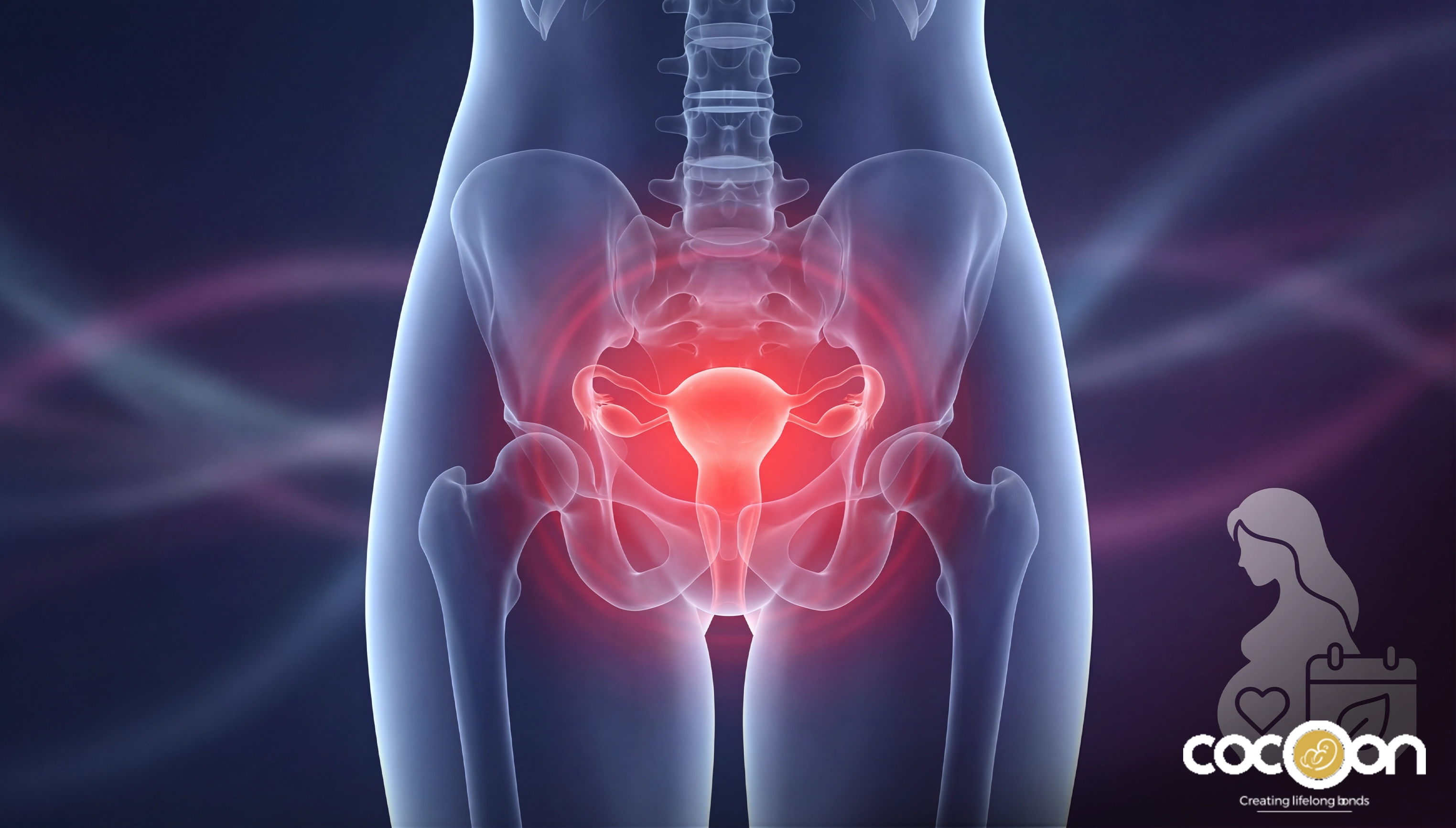
It can be described as the persistent pain in the lower abdomen or pelvic region lasting six months or longer. Your pelvis consists of muscles, nerves, and organs like your bladder and intestines. Problems in any of these regions can cause pain.
When Can the Pain Happen
- You can experience the pain:
- During menstruation
- During or after intimate act
- While urinating or passing stool
- During ovulation
- Even when no obvious trigger is present
Many people have one common query: is chronic pelvic pain serious?
Yes, it can be considered serious because it can affect your:
- Quality of life
- Daily functioning
- Can be a symptom of an underlying condition, endometriosis, PID, adenomyosis or nerve damage
Causes of Pelvic Pain in Females
It can stem from gynaecological issues such as:
- Endometriosis
- Fibroids
- Pelvic inflammatory disease
- Ovarian cysts
There can be other non-gynaecological causes, including gastrointestinal issues (IBS, appendicitis) or urinary tract infections (UTIs).
With the right diagnostics, only your doctor can determine the real cause. Hence, follow their advice only.
PID & Chronic Pelvic Pain: The Link
Pelvic inflammatory disease is a serious infection in the uterus (womb), fallopian tubes and/or ovaries that develops when certain bacteria spread from the vagina to the reproductive organs.
Bacteria (gonorrhoea and chlamydia) from untreated sexually transmitted infections (STIs) are the most common cause of PID.
Symptoms of PID
Here are the common symptoms:
- Lower abdominal or pelvic pain.
- Pain during intercourse (dyspareunia).
- Foul-smelling vaginal discharge.
- Fever and chills.
- Painful or frequent urination.
How PID Contributes to Chronic Pelvic Pain
Here are the possible reasons:
- Infection damages tissue
- Inflammation of the fallopian tube
- Pus-filled abscesses in the ovaries or tubes
Your doctor can order the following tests for an accurate diagnosis:
- Review of medical history
- A pelvic examination
- A vaginal culture
- Urine test to rule out a urinary tract infection
- Blood test
- In some cases, endometrial biopsy and laparoscopy
Treatment may generally involve antibiotics, typically for 14 days.
Endometriosis & Chronic Pelvic Pain: The Link
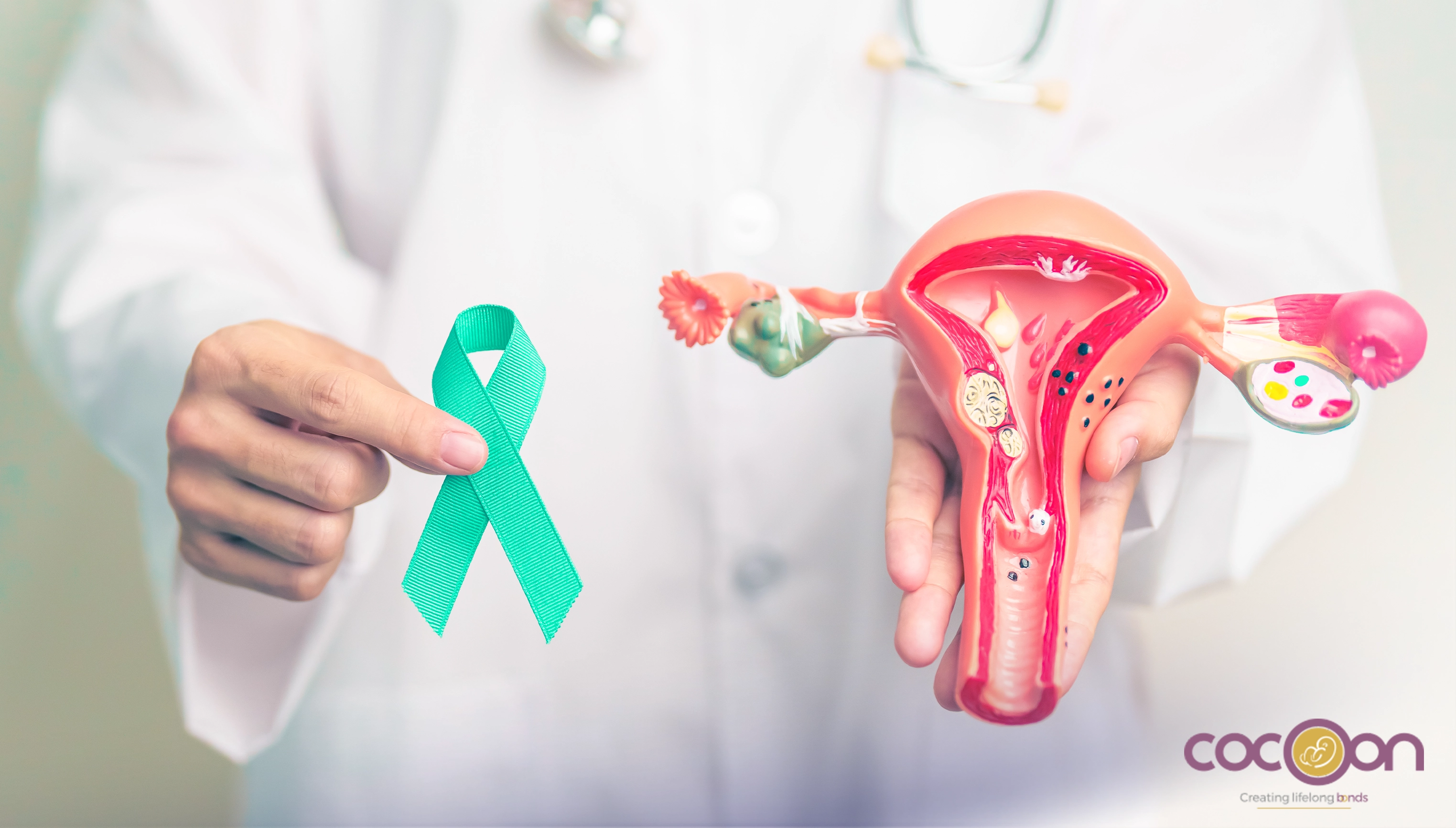
Endometriosis is a chronic oestrogen-dependent chronic condition where tissue similar to the lining of the womb grows outside of the womb. It is a common condition that affects about 1 in 10 females worldwide.
Symptoms of Endometriosis
Here are the common symptoms:
- Severe painful menstrual cramps.
- Pain during intimate acts.
- Pain when pooping or peeing.
- Infertility.
How Endometriosis Contributes to Chronic Pelvic Pain
It can cause chronic pelvic pain primarily through:
- Chronic inflammation.
- Nerve irritation/growth.
- Adhesion formation.
Your doctor can order the following tests for an accurate diagnosis:
- Review of medical history.
- A pelvic examination.
- Imaging tests like an ultrasound or MRI.
- Laparoscopy is the definitive way to diagnose endometriosis.
Treatment may generally involve medications (such as Gonadotropin-releasing hormone (GnRH) antagonists or agonists and birth control, etc.) and surgery (in severe cases).
Adenomyosis & Chronic Pelvic Pain: The Link
It is a gynaecologic condition characterised by the lining of the uterus growing into the uterine wall. Adenomyosis causes the uterus to thicken and enlarge – sometimes up to double or triple its normal size.
Symptoms of Adenomyosis
Here are the common symptoms:
- Dysmenorrhoea.
- Menorrhagia.
- Pelvic pain with or without severe cramping.
- Painful intercourse.
- Enlarged uterus.
How Adenomyosis Contributes to Chronic Pelvic Pain
Adenomyosis leads to endometrial-like tissue growing within and invading the muscular uterine wall.
This abnormal growth causes pain through the following mechanisms:
- Chronic inflammation
- Uterine enlargement
- Chronic pelvic congestion
- Bloating
- Severe, debilitating cramping
Your doctor can order the following tests for an accurate diagnosis:
- Pelvic examination.
- A transvaginal ultrasound.
- Magnetic resonance imaging (MRI) scans.
- A biopsy, to rule out more serious conditions.
Treatment may generally involve pain medications, hormonal medications, tranexamic acid or surgery.
Conclusion
Do not let constant chronic pain define your life. Consult the best gynaecologist near you to take the first step towards relief and recovery. With the proper diagnosis and timely treatment under guidance, you can improve your reproductive health and regain control over your daily life.
When to Consult Your Doctor
If you are experiencing the following symptoms, make a timely appointment:
- Pelvic pain lasting more than a few months
- Severe menstrual cramps affecting daily activities
- Pain during sex
- Unusually heavy periods
- Difficulty getting pregnant
FAQs
Q1: How to live with chronic pelvic pain?
A: You need to follow a comprehensive approach such as:
- Pelvic floor physical therapy
- Stress management (yoga, meditation)
- Prescribed pain-relieving medication
- Heat therapy
- Diet modification
- Psychological support
Q2: How long does chronic pelvic pain last?
A: Pain in the lower abdomen or pelvis that lasts for more than 6 months. Consult your doctor timely.
Q3: What is the best treatment for chronic pelvic pain?
A: There is no single “best” treatment for chronic pelvic pain. Your doctor can prescribe a comprehensive approach such as medicines, hormonal therapy, pelvic floor physiotherapy, psychological support and sometimes surgery.