 08929816349
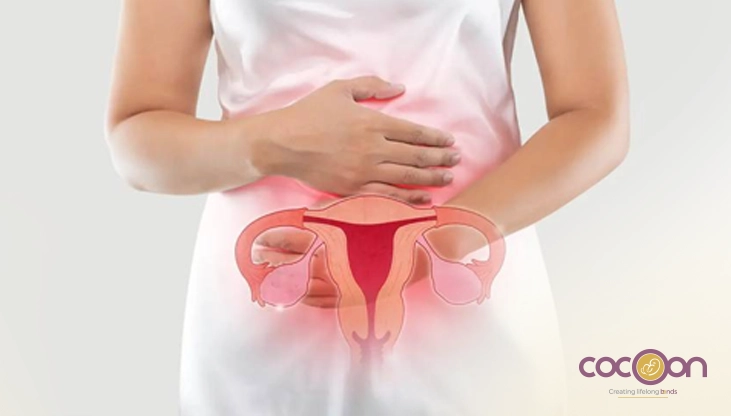
Hysterectomy is a last resort treatment for any gynaecological issues, such as abnormal or heavy vaginal bleeding, uterine fibroids, adenomyosis, etc.
Doctors usually recommend this definitive surgery only when medications, less invasive procedures, or lifestyle changes fail to show improvement.
Let’s explore in detail.
What is Hysterectomy
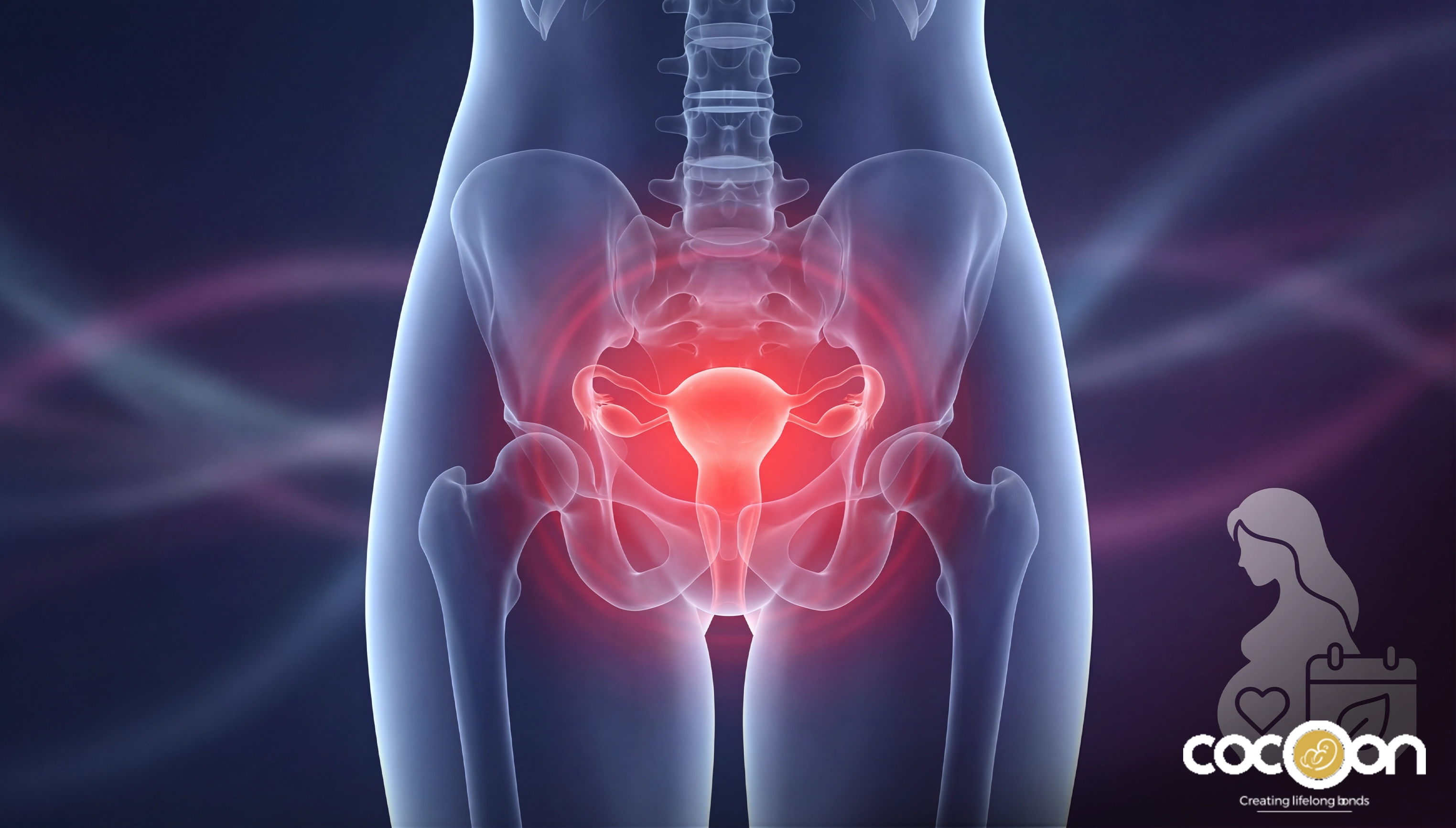
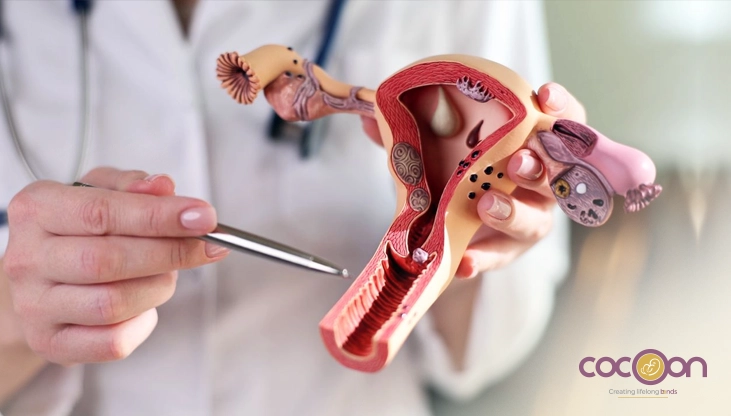
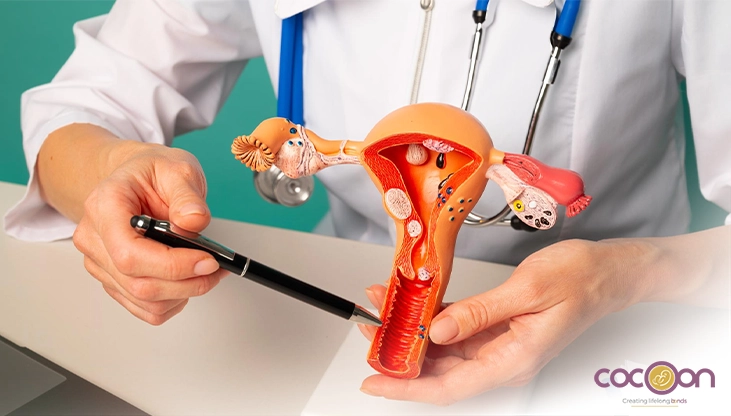
A hysterectomy is the surgical removal of the uterus (womb) and, most likely, the cervix (a lower, narrow end of the uterus (womb) that connects the uterus to the vagina (birth canal)).
The term "hysterectomy" is derived from two Greek roots:
- "Hystera, meaning "uterus" or "womb,"
- "ectomy," meaning "surgical removal" or "excision."
In layman's language, it is known as "uterus removal surgery."
Many people ask, "Will I be able to get pregnant and have a menstrual period after a hysterectomy?" The answer is NO.
Read Also: Hysterectomy Guide: Types, Recovery, Side Effects & Choosing Partial Vs. Total
Types of Hysterectomy Surgeries
Your doctor will discuss which type of hysterectomy you need, based on your condition. This will determine if they’ll also need to remove the fallopian tubes and/or ovaries.
| Type | What’s Removed | Key Points |
| Total Hysterectomy | Uterus and cervix (ovaries kept) | Ovaries stay; hence, no instant menopause. |
| Supracervical Hysterectomy | Upper uterus only (cervix kept) | The cervix remains. Because you still have your cervix, you’ll still need Pap smears. Fallopian tubes/ovaries may also be removed. |
| Total Hysterectomy with Bilateral Salpingo-Oophorectomy | Uterus, cervix, fallopian tubes, ovaries Removing fallopian tubes is known as a salpingectomy. Removing the ovaries is known as oophorectomy. When both structures are removed, it is known as salpingo-oophorectomy. |
Ovaries removed trigger immediate menopause (if not already). |
| Radical Hysterectomy with Bilateral Salpingo-Oophorectomy | Uterus, cervix, tubes, ovaries, upper vagina, nearby tissues, lymph nodes | Used for cancer, no ovaries means menopause starts right away. |
When Hysterectomy is Indicated
Surgeons perform hysterectomies to treat:
Abnormal or Heavy Vaginal Bleeding
Heavy vaginal bleeding, known as menorrhagia.
Here are the signs of menorrhagia:
- Excessively heavy or prolonged menstrual bleeding.
- Soaking through one or more pads or tampons every hour for many hours continuously.
- Periods lasting longer than 7 days.
Here are the key reasons for recommending a hysterectomy for heavy bleeding:
- Bleeding persists after trying pills, IUDs, or other surgeries.
- Medications, hormone therapy, or uterine ablation fail to stop the bleeding.
- Intense blood loss leading to anaemia and severe fatigue.
- Patient no longer desires fertility or periods.
- Impact on daily life, work, or social activities.
Read Also: Say Goodbye to Hysterectomy Worries as Cocoon Hospitals in Jaipur Got You Covered
Uterine Fibroids
Uterine fibroids are non-cancerous growths that grow in or around the uterus. They do not always require treatment, especially when asymptomatic.
Not all fibroids cause symptoms, but when they do, symptoms can include:
- Heavy menstrual bleeding
- Back pain
- Frequent urination
- Pain during intercourse
- Long-term (chronic) vaginal discharge
Here are the key reasons for recommending a hysterectomy:
- Birth control, medications, Uterine Artery Embolization (UAE), or myomectomy (fibroid removal) are no longer effective.
- Fibroids greater than 10-12 cm in size.
- Symptoms are severe.
- If there is suspicion of cancer (which is rare).
Read Also: Preparing for Gynae Surgery: Before, During & After Care
Adenomyosis
Adenomyosis is a common gynaecological condition that occurs when the tissue that normally lines the uterus (the endometrium) starts to grow into the muscular wall of the uterus.
It does not always require treatment if symptoms are mild or close to menopause.
About 1 in 3 women with adenomyosis don’t have signs or symptoms. However, some people may experience the following:
- Painful menstrual cramps.
- Heavy menstrual bleeding.
- Abnormal periods.
- Pelvic pain with or without severe cramping.
- Pain during intercourse.
- Infertility.
- Enlarged uterus.
- Bloating or fullness in the belly (adenomyosis belly).
Here are the key reasons for recommending a hysterectomy:
- Constant heavy menstrual bleeding (menorrhagia) and chronic pain.
- If non-surgical options such as anti-inflammatory drugs (NSAIDs), hormone therapy (e.g., intrauterine system), or uterine artery embolization fail to show relief.
- If the person has no future family planning.
- Symptoms impacting the quality of life.
Read Also: Fibroid Treatment Hospital in Jaipur – Surgery & Cost
Other Indications of Hysterectomy Include
It is used to treat these conditions as well:
- Uterine prolapse
- Cervical cancer or precancer
- Ovarian or uterine cancer
- Severe endometriosis
- Conditions with the lining of the uterus (such as hyperplasia) and serious complications of childbirth, such as uterine rupture.
Hysterectomy Surgery Techniques
If recommended, the doctor will use any of the following techniques to perform the surgeries. Discuss which one is best for you and make an informed choice.
| Technique | Access Method to Reach Uterus | Best For | Recovery Time |
| Abdominal | Large abdominal cut | Large fibroids, cancer | 4-6 weeks |
| Vaginal | Through vagina | Prolapse, bleeding | 3-4 weeks |
| Laparoscopic hysterectomy | Small abdominal ports | Most benign cases | 1-2 weeks |
| Robotic-Assisted | Small ports w/ robot | Complex, obese patients | 1-2 weeks |
Conclusion
Hysterectomy surgeries are one of the major surgical procedures that can be a life-changing treatment for females dealing with symptoms of fibroids, adenomyosis, and heavy bleeding.
Hence, if you are experiencing constant menstrual problems, severe pelvic pain, or unexplained heavy bleeding, consult the best gynaecologists near you. This ensures accurate diagnosis and determines the best treatment (nonsurgical or surgical) options for you.
FAQs
Q1: What is the hysterectomy recovery time?
A: The recovery time varies based on procedure type, technique used, and the patient's individual factors. Abdominal hysterectomy: full recovery may take 6-8 weeks. Vaginal or Laparoscopic may take 2-4 weeks.
Q2: What are the hysterectomy side effects?
A: Side effects may vary based on the procedure type and whether ovaries are removed. It is a safe procedure when done under professional advice; however, it can cause the following risks and side effects:
- You can go into menopause or experience symptoms of menopause immediately after the procedure.
- You also won’t be able to become pregnant in the future after any type of hysterectomy.
- Short-term pain, bleeding, and fatigue that typically resolve within a week.
- Rare complications include infection, blood clots, organ injury (bladder, bowel), or anesthesia reactions.
Q3: What is the hysterectomy cost in India?
A: Cost may vary based on:
- Type of procedure
- Type of technique used
- Location
- Other logistic factors
| Type | Min Cost (₹) | Avg Cost (₹) | Max Cost (₹) |
| Vaginal | 45000 | 50,000-55,000 | 60000 |
| Abdominal | 42000 | 52,000-55,000 | 65000 |
| Laparoscopic | 55000 | 65,000-72,000 | 75000 |