 08929816349
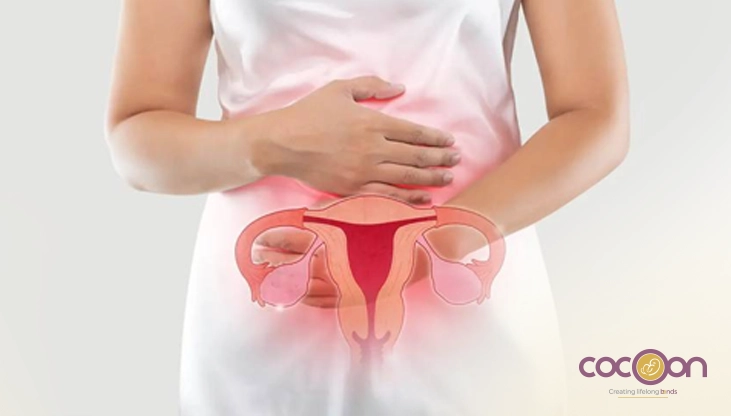
Gynaecological problems such as ovarian cysts, fibroids, or endometriosis do not always require treatment, especially if they are asymptomatic or if the symptoms are very mild.
However, a doctor may recommend treatment when the cysts are large and if uterine fibroids and endometriosis are causing heavy bleeding, anemia, pain, or infertility.
Surgical options are often considered when other treatments fail or are less effective. Earlier, doctors had to rely on open surgery (laparotomy) with large incisions and long recovery times.
Thankfully, now, laparoscopic surgery (also known as minimally invasive or keyhole surgery) has transformed the way gynecologists diagnose and treat many reproductive health issues.
Read this blog to understand when this keyhole surgery can be recommended for your gynecological problems.
Read Also: Laparoscopy Surgery: Benefits, Recovery & How It Helps With Endometriosis
What is Laparoscopic Surgery?
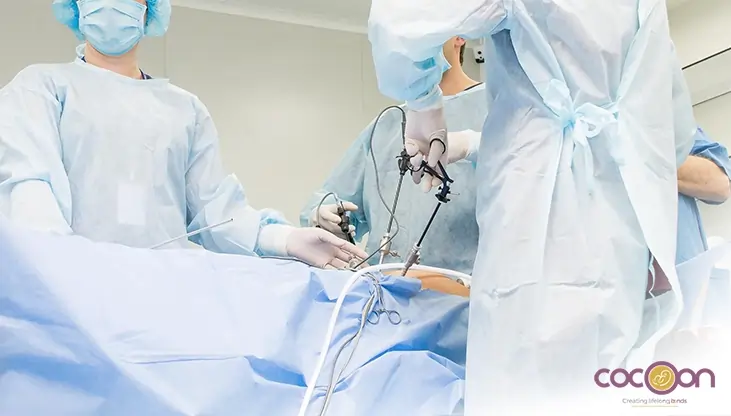
It is a minimally invasive technique used to operate within the abdomen or pelvis via small incisions (0.5–1.5 cm) instead of a large opening.
What Happens During a Laparoscopic Surgery
Explore this table to know the general steps:
| Step | Description |
| Preparation | Patient receives general anesthesia to sleep through the procedure. The abdomen is cleaned with an antiseptic. Vital signs are monitored continuously. |
| Initial Incision | Surgeon makes a small cut (0.5–1.5 cm) near the belly button and inserts a needle to inflate the abdomen with carbon dioxide gas for clear organ visibility. |
| Laparoscope Insertion | A thin tube with a light and a camera (known as a laparoscope) is inserted. This laparoscope sends live video to a monitor, guiding the surgery. |
| Completion | Instruments and gas are removed. Incisions are closed with stitches or staples. Dressings are applied; the patient often goes home the same day. |
Read Also: Laparoscopy Surgery: Benefits, Recovery & How It Helps With Endometriosis
What Is Laparoscopic Surgery Used For?
It is used for the following purpose:
- Diagnosing unexplained abdominal or pelvic pain.
- Biopsies to collect tissue samples.
- Treating endometriosis.
- Removing cysts or fibroids.
- Employed in general surgeries such as gallbladder removal, appendectomy, hernia repair, and bowel surgery.
Read Also: Laparoscopic Hysterectomy in Jaipur – Recovery & Cost
Is Laparoscopy a Major Surgery?
Based on the complexity of the procedure, anesthesia type, recovery time, and hospitalization needs, it can fall between minor and major surgery.
| Factor | Minor Surgery Traits | Major Surgery Traits |
| Complexity | Simple, low-risk | Complex, higher risk |
| Anesthesia | Local/sedation | General |
| Recovery | Quick, outpatient | Longer, inpatient |
| Hospital Stay | None or short | Days/weeks |
Read Also: Laparoscopic vs Traditional Surgery for Women’s Health Problems
When the Doctor Recommends Laparoscopic Surgery for Endometriosis
Endometriosis means that tissue similar to the lining of your uterus (womb) grows on other parts of your body, such as the space behind your uterus, the myometrium (a layer of your uterine wall), ovaries, peritoneum, or fallopian tubes.
Many people have a common query: “Does endometriosis always require treatment?” It does not always require treatment, especially if it is asymptomatic.
Treatment becomes necessary when symptoms, such as severe pelvic pain, painful periods, or pain during intercourse, interfere with daily activities.
Read Also: Laparoscopic Cholecystectomy Surgery In Jaipur – Safe & Effective
When is laparoscopy needed?
- Failed Conservative Treatment: Pain continues despite medication, lifestyle changes, or hormone therapy.
- Infertility: Trouble conceiving; surgery may remove fertility-affecting adhesions.
- Confirming Diagnosis: Strong symptoms but not visible on ultrasound/MRI (often superficial).
- Severe Symptoms: Pain significantly disrupts daily life, work, or sleep.
- Complications: Ovarian endometriomas (chocolate cysts) or spread to organs like the bladder or bowel.
Read Also: Laparoscopy In Gynecology: A Safer & Faster Approach To Surgery
When the Doctor Recommends Laparoscopic Surgery for an Ovarian Cyst
An ovarian cyst is usually a harmless fluid-filled sac on an ovary, often forming during ovulation (functional cysts) and disappearing on its own within a few months.
Many people have a common query: “Does an ovarian cyst always require treatment?” These cysts in the ovaries do not always require treatment.
Treatment is generally only needed if the cyst causes pain, is very large, or shows signs of being cancerous.
When is laparoscopy needed?
It is commonly recommended to remove cysts that are large (>5 cm), persistent, or painful or to address concerns regarding potential malignancy.
When the Doctor Recommends Laparoscopic Surgery for Fibroids
Uterine fibroids are common, benign (non-cancerous) muscle tumors that grow in or on the uterus during reproductive years.
Many people have a common query: “Do uterine fibroids always need to be removed?” These fibroids do not always need to be removed, especially if they are asymptomatic.
Removal is generally only recommended if they cause significant issues like heavy bleeding, pain, or fertility problems
When is laparoscopy needed?
- Severe Symptoms: Pain, pelvic pressure, or heavy bleeding not relieved by medication.
- Fertility Preservation: Removing fibroids while keeping the uterus for future pregnancy.
- Size & Location: Best for subserosal or intramural fibroids that are small/moderate (usually ≤4–5 fibroids).
- Infertility Issues: When fibroids cause infertility or repeated miscarriages.
- Minimally Invasive Option: Smaller cuts, shorter hospital stay, faster recovery.
Note: Laparoscopic and traditional surgery have their own benefits, and your doctor will choose which one is best for you.
Read Also: Common Gynecological Surgeries & Procedures Explained
Are There Any Risks?
Although laparoscopic surgery is generally safe, like any surgical procedure, it carries some risks.
Possible complications include:
- Injury to nearby organs, such as the bowel or bladder
- Bleeding or infection
- Reactions to anesthesia
- Blood vessel injuries during instrument insertion
However, these complications are relatively uncommon when an experienced gynecologic surgeon performs the surgery.
How Long Does It Take to Recover From Laparoscopic Surgery?
Recovery from laparoscopic surgery is generally faster than traditional surgery.
Most patients experience:
- Mild pain or discomfort for a few days
- Small scars at the incision sites
- A gradual return to normal activities within 1–2 weeks
Doctors typically recommend avoiding heavy lifting and strenuous exercise for a few weeks after surgery.
Conclusion
Laparoscopic surgery has transformed how many gynaecological conditions are treated. Because it uses small incisions, most women experience less pain, faster recovery, and minimal scarring.
However, surgery isn’t always the first step; doctors usually recommend it when symptoms continue or treatments don’t work.
Also, keep in mind that traditional open surgery also has its benefits, and your doctor will guide you on the best option.
If you’re facing ongoing gynaecological problems, consulting a specialist can help you decide the right treatment.
FAQs
Q1: When should you talk to a doctor for common gynaecological disorders?
A: If you are experiencing persistent gynecological symptoms such as pelvic pain, abnormal bleeding, or fertility issues, it’s important to consult a qualified gynaecologist.
Experts at Cocoon Hospital may recommend imaging tests like ultrasound or MRI first. If these tests do not provide clear answers, laparoscopic surgery may be suggested for accurate diagnosis and treatment.
Q2: Is laparoscopic surgery painful?
A: It causes less pain than open procedures due to tiny incisions. Patients often feel mild discomfort at incision sites or shoulder pain from residual gas, managed with over-the-counter painkillers. Full recovery brings minimal lingering soreness.
Q3: How long does recovery take after laparoscopic gynaecological surgery?
A: Individual healing varies by procedure complexity and individual factors. Recovery typically spans 1-2 weeks for most activities, with many returning to work in 3-7 days. Light exercise resumes after 2 weeks, while strenuous tasks wait 4-6 weeks.