 08929816349
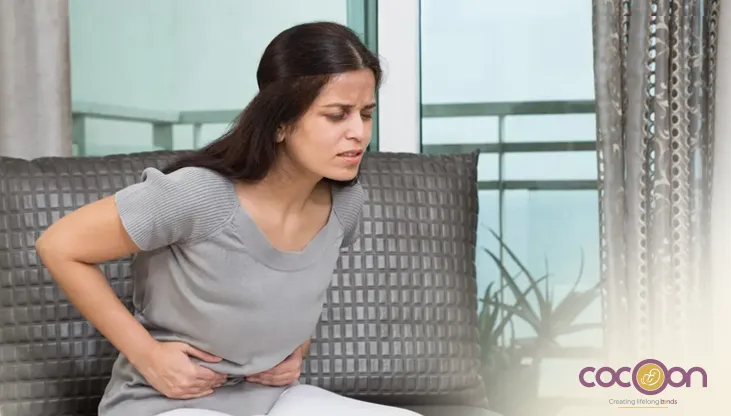
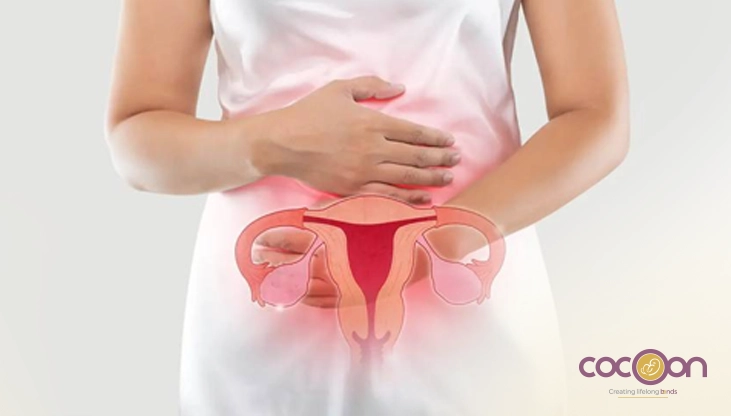
Persistent heavy periods and pelvic pain should never be brushed off as a “normal” part of the menstrual cycle. If they remain unaddressed, they can interfere with your daily life; hence, a timely consultation with the best gynaecologists is crucial to know the underlying cause, which can be fibroids, adenomyosis, or endometriosis.
Let's understand these causes in a detailed manner for effective management and to improve the quality of your life.
Read Also: Understanding Fertility Awareness Methods: Track Your Cycle Naturally
What Does It Mean by Heavy Periods?
Heavy menstrual bleeding, medically known as menorrhagia.
You may have menorrhagia if you are experiencing the following symptoms:
- Soak through one or more sanitary pads or tampons every hour for several hours in a sequence.
- Using double-layer sanitary protection to manage your menstrual flow.
- Waking up at night just to change sanitary pads.
- Bleeding for longer than one week.
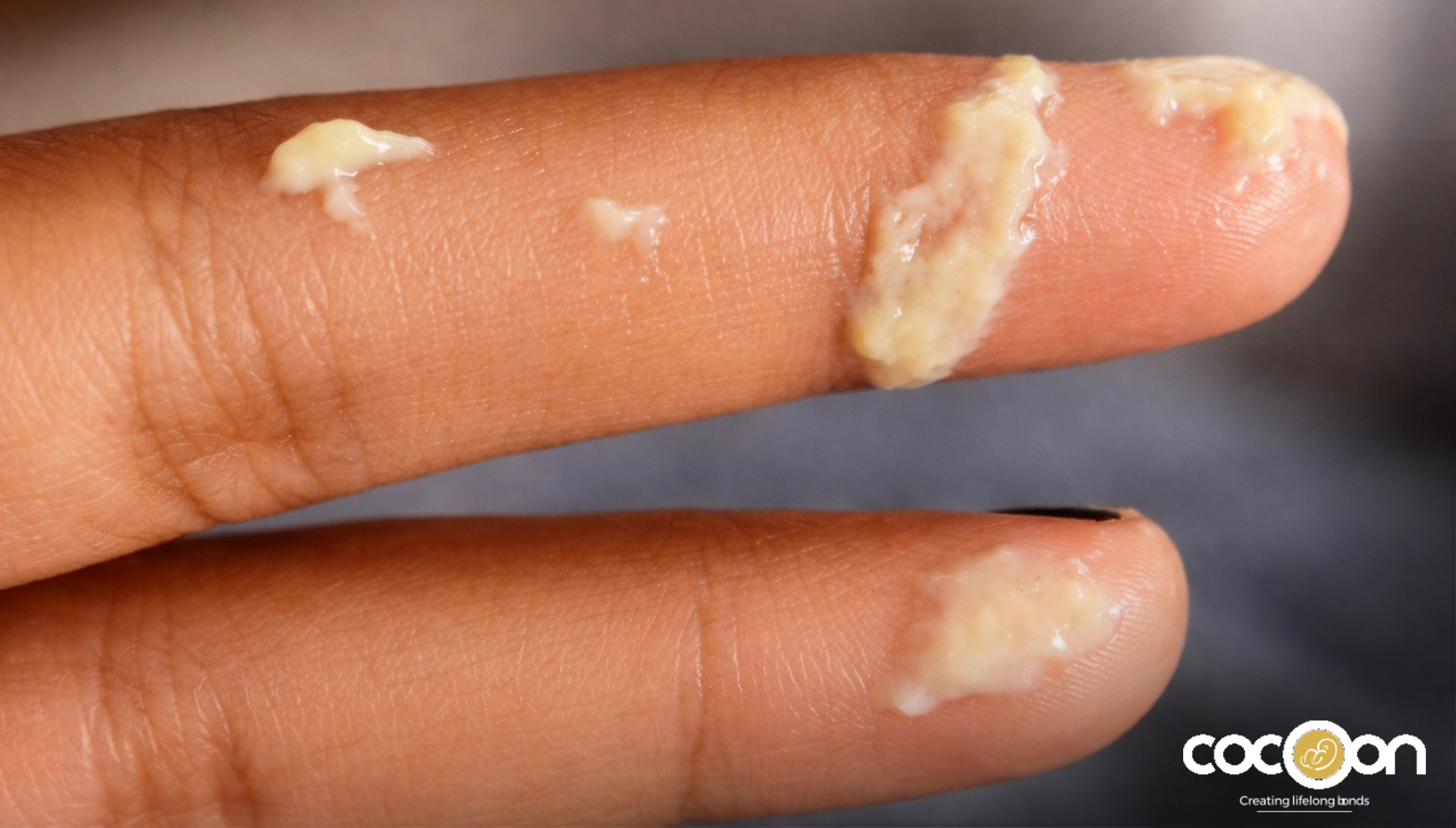
- Passing blood clots (may appear red, pink, brown, or even rust-like) that are the size of a quarter or bigger, more than once or twice.
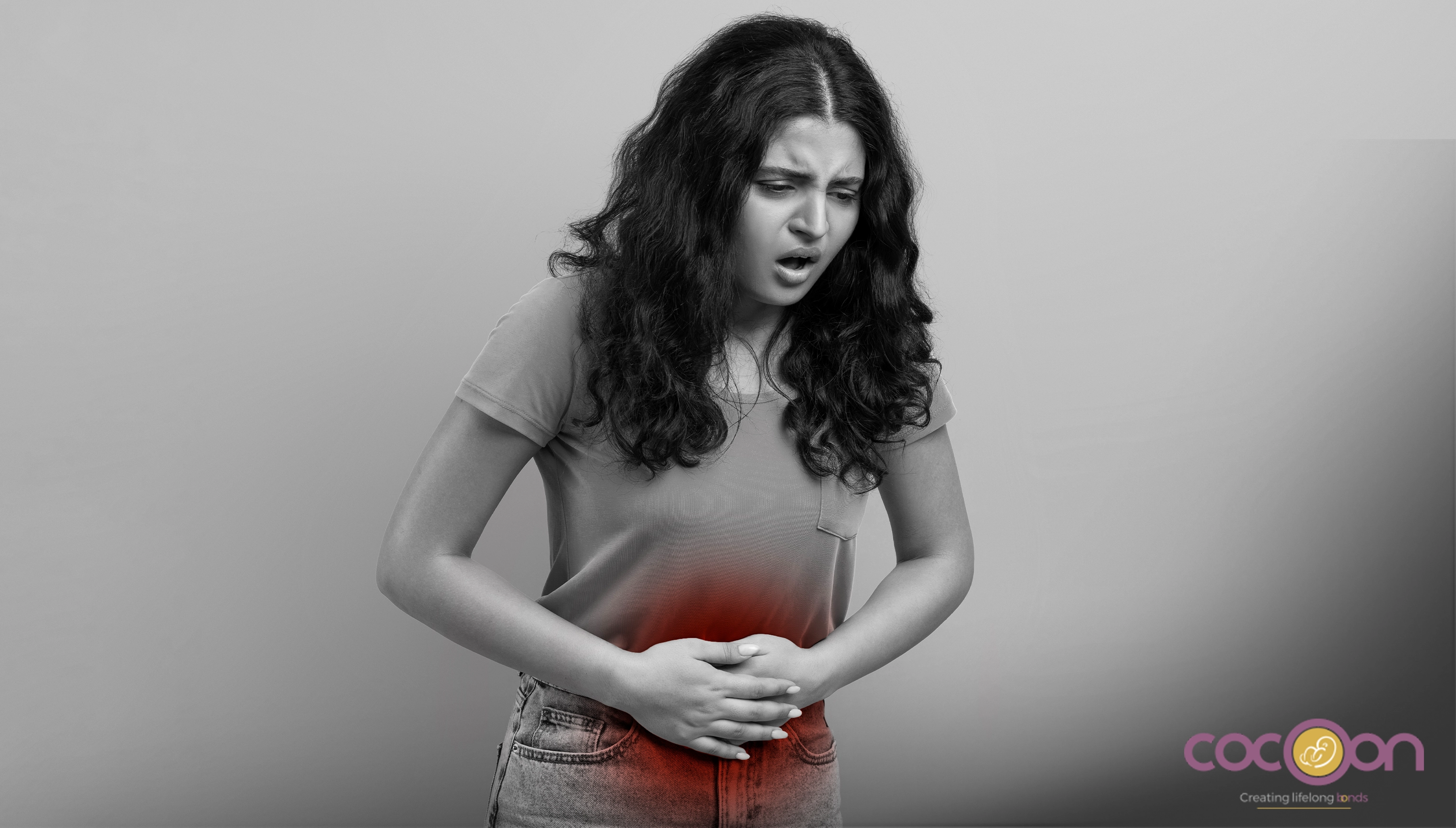
- Abdominal (belly) pain or severe period cramps.
- Unable to perform daily activities due to heavy menstrual flow.
- Feeling tired, worn out, or short of breath as a result of blood loss.
When you consult your doctor, they can often check for fibroids, adenomyosis, or endometriosis and personalize your treatment accordingly.
Read Also: How Does PCOD and PCOS Differ? How Does Each Condition Affect Our Body
How Fibroids, Adenomyosis, or Endometriosis Cause Heavy Menstrual Bleeding & Pelvic Pain
Let's explore one by one.
1. Fibroids
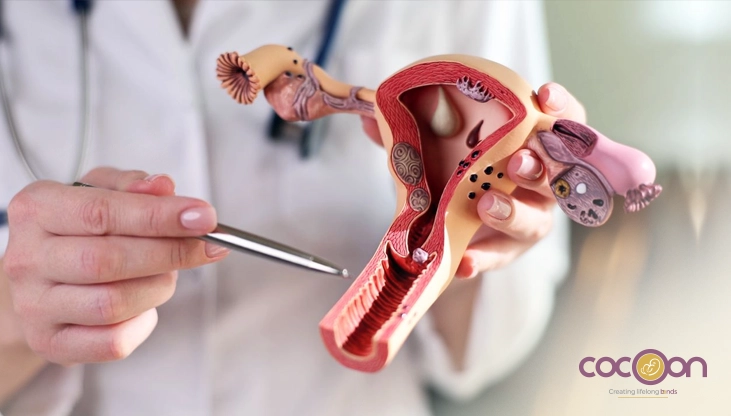
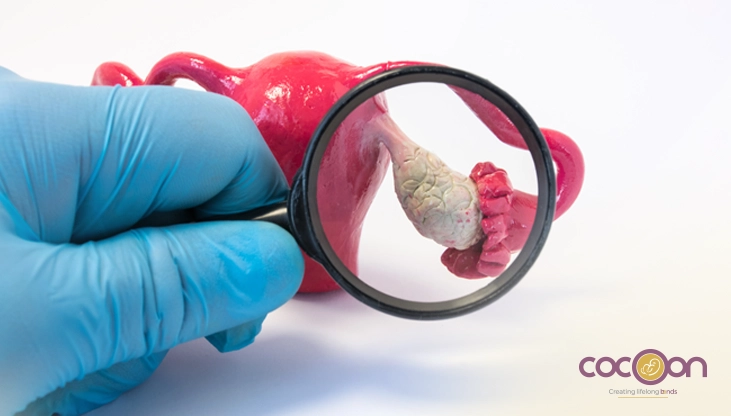
Uterine fibroids (also called leiomyomas) are noncancerous tumors that can grow in and on your uterus (womb). These fibroids are made of muscle and tissue that often do not cause any symptoms, but when they do, symptoms may include heavy menstrual bleeding, back pain, frequent urination, and pain during intercourse.
Fibroids can lead to heavy bleeding during periods by:
- Expanding the endometrial lining of the uterus means there is more tissue to shed during each menstrual cycle.
- Creating an abnormal network of blood vessels that are fragile and susceptible to rupture.
- Changing the way your body responds to estrogen and progesterone.
- Disturbing the ability of your uterus to contract and stop bleeding properly.
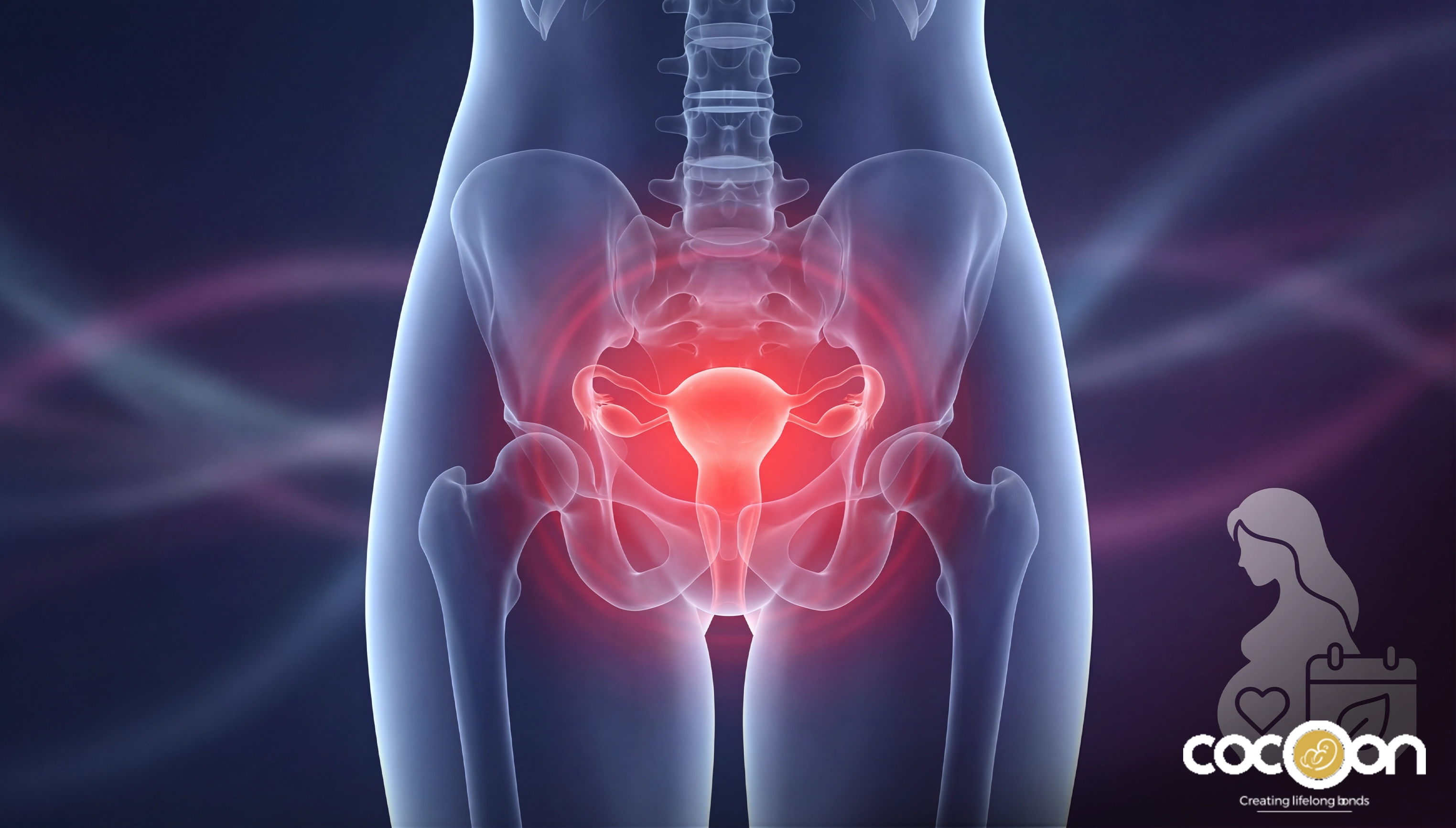
How Fibroids Cause Pelvic Pain: As the fibroids grow in size, they press on pelvic organs, nerves, and nearby structures such as the bladder or bowels. This creates pressure, fullness, or sharp aches.
How They are Diagnosed: Your doctor may order the following tests:
- Pelvic examination
- Ultrasonography
- Magnetic resonance imaging (MRI)
- Computed tomography (CT) scan
- Hysteroscopy
- Laparoscopy
- Sonohysterography
Small fibroids often don’t require treatment, but larger fibroids can be treated with medications or surgery.
2. Adenomyosis
Adenomyosis happens when tissue identical to the lining of your uterus (endometrium) begins to grow into the muscle wall of your uterus (myometrium). Many women aren’t aware they have adenomyosis, as it doesn’t always cause symptoms. When they do, symptoms may include heavy periods, cramping, and painful coitus.
Adenomyosis can lead to heavy bleeding during periods because:
- It causes your uterus to thicken and enlarge - sometimes, up to double or triple its normal size. This results in a larger surface area that sheds more blood.
- Disturbs uterine contraction.
- A thickened lining often takes longer to shed. This results in prolonged bleeding.
How Adenomyosis Causes Pelvic Pain: The enlarged, bulky uterus can cause pelvic pressure, discomfort, and bloating.
How They are Diagnosed: Your doctor may order the following tests:
- Pelvic exam
- Transvaginal ultrasound
- Magnetic resonance imaging (MRI)
- Biopsy to rule out more serious conditions
It does not always require treatment if symptoms are mild and may resolve after menopause. If symptoms are severe and affecting quality of life, adenomyosis is typically treated with medication or surgery.
3. Endometriosis
Endometriosis happens when tissue that is similar to the lining of your uterus grows on other parts of your body (such as the space behind your uterus, myometrium, ovaries, peritoneum, fallopian tubes)
This can lead to symptoms like very painful menstrual cramps, heavy bleeding, infertility, and pain during coitus.
Endometriosis can lead to heavy bleeding during periods because:
- While endometrial tissue develops outside the uterus, it can change the overall uterine environment, which leads to increased menstrual blood loss.
- Inflammation disrupts uterine contractions.
- Hormonal imbalance worsens the flow.
How Endometriosis Causes Pelvic Pain:
When the uterine tissue grows in other places where it shouldn't, it produces inflammation that irritates surrounding tissues, resulting in chronic pain.
How They are Diagnosed: Your doctor may order the following tests:
- Pelvic exam
- Ultrasound
- MRI
- Laparoscopy (the only way to definitively diagnose endometriosis)
It does not always require treatment if symptoms are mild. If symptoms are severe, affecting fertility and quality of life, treatment for endometriosis involves medication, surgery, or a combination of both.
Difference Between Fibroids, Adenomyosis, & Endometriosis
These conditions can be confusing, as certain symptoms like heavy bleeding, pelvic pain, painful periods, and fertility challenges often overlap. But they are totally different from each other and only a trained professional can diagnose which condition is the reason behind your heavy menstrual bleeding and pelvic pain.
Here are the differences that you should know:
| Aspect | Fibroids | Adenomyosis | Endometriosis |
| Nature | Non-cancerous tumors of uterine muscle and connective tissue. | Endometrial tissue invades the uterine muscle wall. | Endometrial-like tissue grows outside the uterus, i.e., in other parts of the body (such as ovaries, pelvis, etc). |
| Location | Inside, on, or outside the uterus (discrete masses) . | Within the uterine wall (myometrium), causing uniform enlargement. | Outside the uterus, on pelvic organs or peritoneum. |
| Common Symptoms | Heavy bleeding, pelvic pressure, frequent urination, constipation. | Severe cramps, heavy periods, bloating, and an enlarged, tender uterus. | Painful periods, pain during intercourse, infertility, and uterus size unchanged. |
Conclusion
Heavy menstrual bleeding and constant pelvic pain are not something that you should “live with.” These symptoms often indicate an underlying gynecological condition that needs proper attention and care.
Consult the best gynecologist near you today and seek clarity on what your body is trying to tell you.
Asking questions like “Why are my periods so heavy? can be your first step towards accurate diagnosis, effective treatment, and improved quality of life.