 08929816349
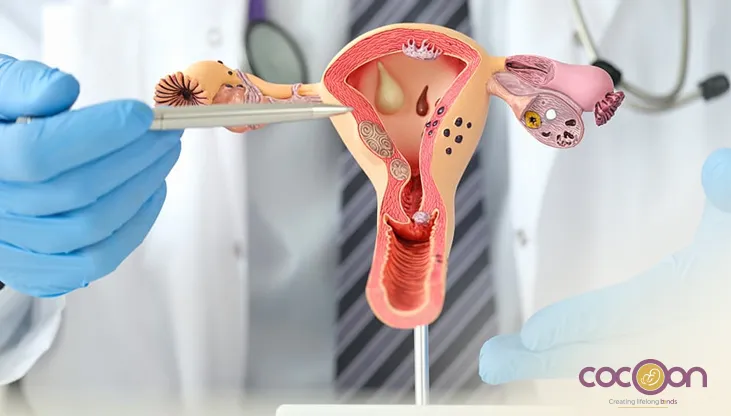
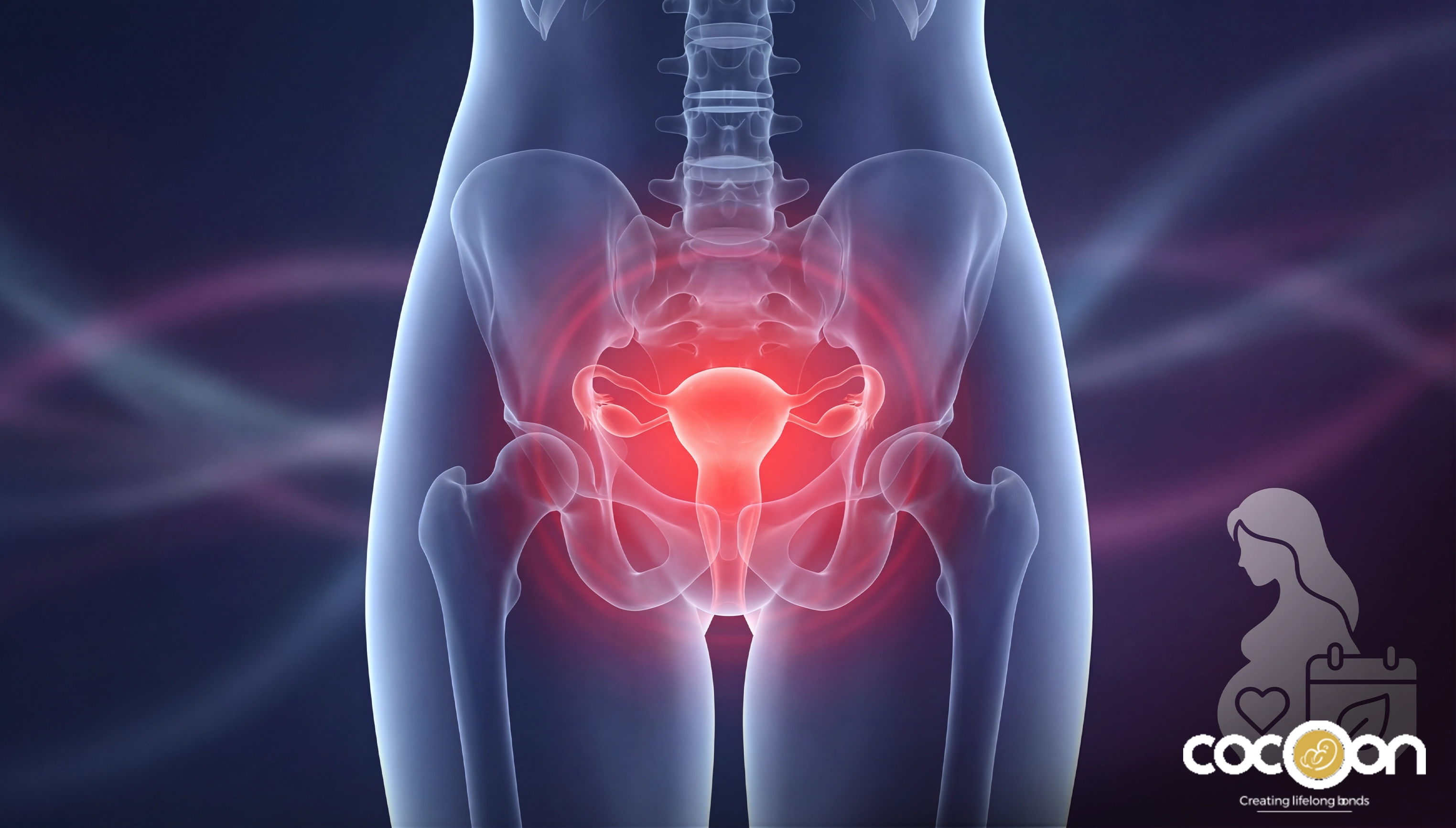
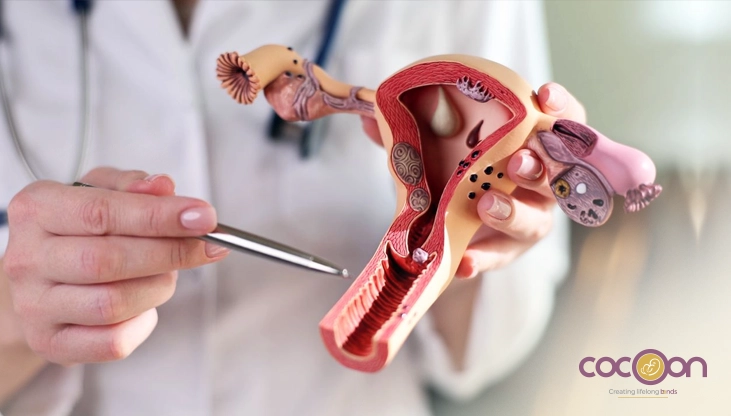
Fertility challenges can be overwhelming, especially with gynaecological conditions like adnexal masses, tubal blocks, and sometimes ovarian cysts. They are known to affect structures around the uterus and tubes.
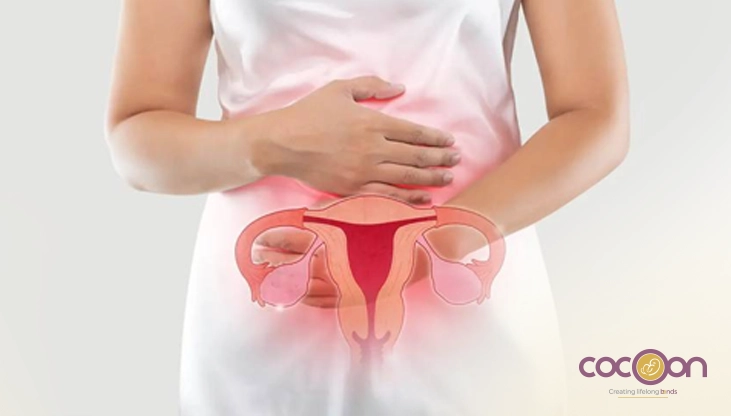
These conditions are often asymptomatic, but when they worsen, they can cause symptoms like sudden, severe pelvic pain, a "full bladder" feeling, unusual vaginal discharge, etc. Therefore, if you are constantly experiencing these symptoms, consult your doctor for effective treatment and care.
Let's break down each condition separately and its impact on your fertility.
Read Also: Ovarian Cysts: What Causes Them & How To Manage Symptoms
What is an Ovarian Cyst
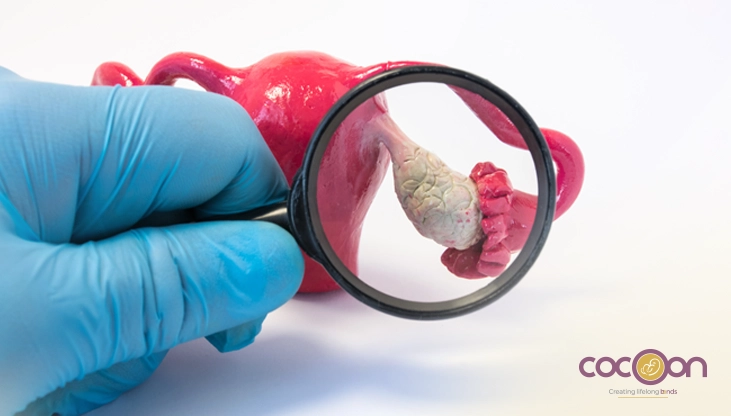
An ovarian cyst is a small sac filled with fluid or semisolid material that develops on or within one or both of your ovaries (a female reproductive organ in which ova or eggs are produced).
These cysts are extremely common, especially if you haven’t transitioned to the menopause phase yet. Ovarian cysts are not always a signal of disease, but your doctor may want to monitor them to ensure that they don’t cause complications.
Many of you might want to know if they are serious or not; thankfully, most cysts in the ovaries are harmless, and they generally go away on their own.
Read Also: Ovarian Cyst Surgery in Jaipur – Laparoscopic Treatment and Cost
When Do Ovarian Cysts Become a Concern
- Large cysts (often considered ≥5 cm)
- A cyst that keeps enlarging
- When it does not shrink over 2–3 menstrual cycles
Read Also: Infertility in Jaipur: How Fibroids, Endometriosis & Ovarian Cysts Affect Pregnancy
Symptoms of an Ovarian Cyst
Some smaller cysts cause no symptoms, and you might not even know if you have them. However, larger cysts may cause the following:
- Pelvic pain or a dull ache in the back
- bloating in your lower belly
- Trouble pooping
- Urge to pee frequently
- Pain during coitus
- Painful periods and/or irregular periods
Read Also: Preparing for Gynae Surgery: Before, During & After Care
Causes of Cysts in the Ovaries
Ovulation (a mature egg is released from an ovary) is the leading cause of ovarian cysts. It’s a natural process that occurs during the menstrual cycle.
Other causes include:
- Abnormal cell reproduction
- Endometriosis
- Polycystic ovary syndrome (PCOS)
- Pelvic inflammatory disease (PID)
Read Also: Recovery Tips After Gynecological Surgery: Do’s and Don’ts
How Can an Ovarian Cyst Impact Your Fertility?
Most small, simple cysts are harmless and do not lower your chances of conceiving. The impact depends primarily on the type of cyst and its underlying causes, such as PCOS or endometriosis.
Cysts, which are large or exist because of any underlying cause, can impact fertility primarily by:
- Disrupting ovulation
- Causing Hormonal imbalances
- Damaging ovarian tissue
- Making intercourse difficult
Most ovarian cysts resolve on their own. If required, treatment is based on the type and severity of the condition and your desire to have a child. Treatment often begins with "watchful waiting," medication, or surgery (necessary if the cyst is large (e.g., >5–10 cm)).
What is an Adnexal Mass
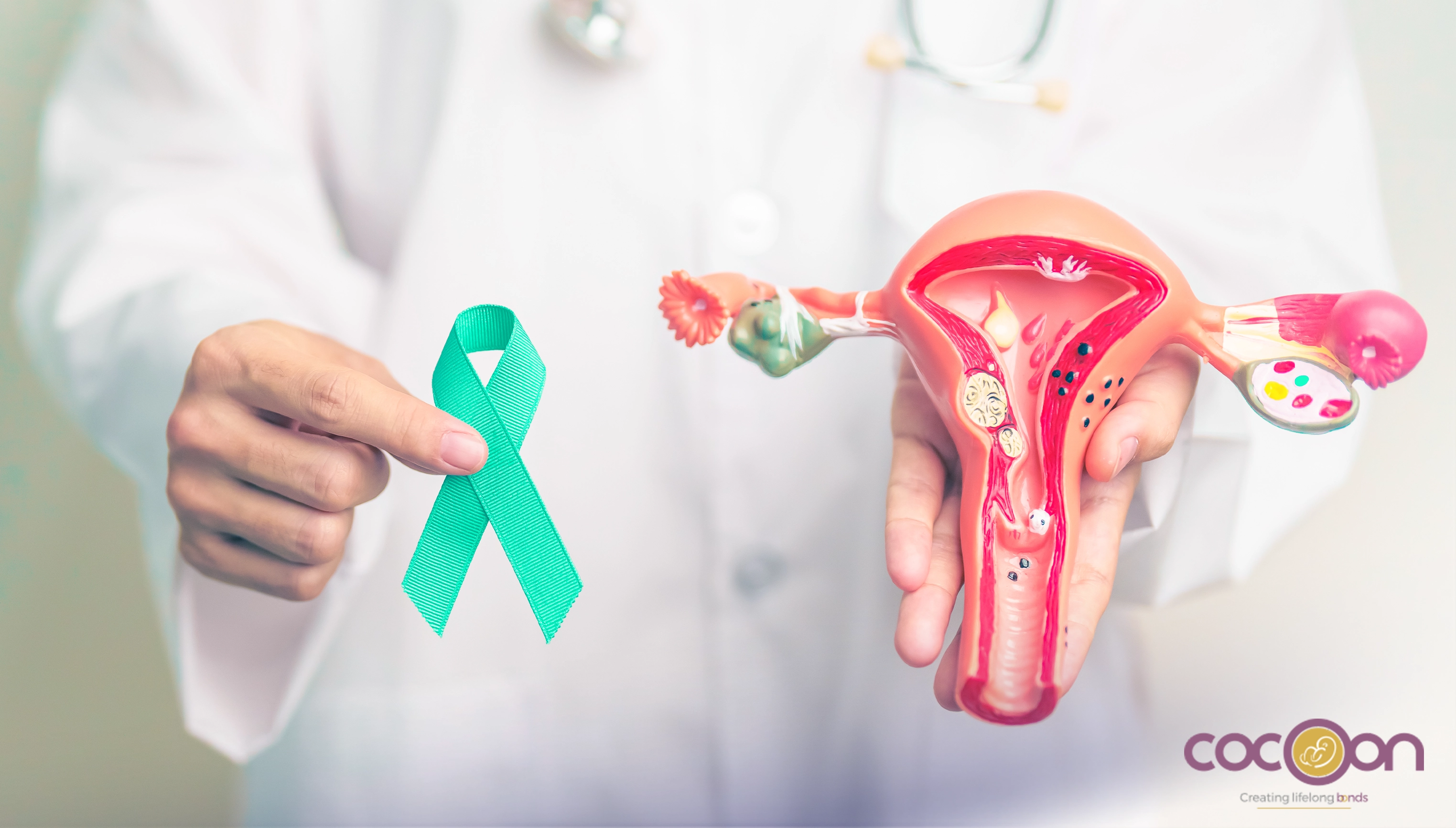
An adnexal mass (adnexal tumor) is a growth that develops near your uterus (womb), generally in your ovaries, fallopian tubes, and adjacent connective tissues.
Many of you might want to know if they are serious or not; thankfully, these growths are mostly benign (noncancerous) and go away on their own within a few months, but sometimes they can be malignant (cancerous). Only your doctor, through appropriate diagnosis, will determine their severity.
When Does an Adnexal Mass Become a Concern
- Mass larger than 10 cm
- Signs of potential malignancy
- Persist despite monitoring
Symptoms of an Adnexal Mass
Not everyone with an adnexal tumor will have symptoms. The symptoms may vary depending on the location of the mass and what’s causing it.
Symptoms include:
- Pelvic pain
- Trouble urinating
- Frequent urination
- Irregular menstrual periods
- Bloating
- Pain during intercourse
- Constipation
Causes of Adnexal Mass
- Gynaecologic conditions (most common type): Ovarian cysts, noncancerous ovarian tumors, ectopic pregnancy, polycystic ovary syndrome (PCOS), endometriomas, ovarian cancer, etc.
- Nongynecologic conditions (usually originating in the urinary or digestive systems): Appendicitis, pelvic kidney, gastrointestinal cancers, bladder diverticula, nerve sheath tumors, fibrosis, or infections.
How Can an Adnexal Mass Impact Your Fertility?
Not all adnexal masses impair fertility; the impact depends on their type, size, and underlying cause.
They can make conception difficult by:
- Making it harder for the egg to be released
- Disturbing the normal hormonal signals
- Blocking the fallopian tubes partially or completely
If the mass is small and painless and your doctor is certain it’s not cancerous, they may suggest no further treatment. If required, the treatment depends on the specific cause, such as surgery (laparoscopic or open) for large, painful, or cancerous masses.
What is a Tubal Block
In this condition, there is a blockage in the fallopian tubes, which are an important part of the female reproductive system that connect the ovaries to the uterus.
Tubal block is also known as blocked fallopian tubes, fallopian tube obstruction, or occlusion.
Symptoms of Tubal Block
Most women with blocked fallopian tubes have no symptoms; instead, they simply have difficulty achieving pregnancy.
Causes of Tubal Block
- Pelvic Inflammatory Disease (PID)
- Endometriosis
- Previous surgeries (abdominal, ectopic pregnancy, or tubal ligation)
- Infections
- Hydrosalpinx (a condition where fluid accumulates in one or both fallopian tubes, creating a blockage)
HSG Test for Blocked Tubes
A hysterosalpingogram is an X-ray dye test that allows your doctor to examine your uterus and fallopian tubes and diagnose fertility problems due to blocked fallopian tubes or uterine structural issues.
How Can a Tubal Block Impact Your Fertility?
It can impact natural conception by:
- Obstructing the fallopian tubes
- Preventing sperm from reaching the egg
- Leaking toxic fluid back into the uterus (womb), hindering embryo implantation even during IVF
Fertility treatments for tubal blockage range from minimally invasive procedures to surgical repair or IVF.
Differences Between Ovarian Cyst, Adnexal Masses & Tubal Blocks
Know the difference between these gynecological conditions for a better understanding of your condition.
| Key Features | Ovarian Cyst | Adnexal Mass | Tubal Block |
| What it is | Fluid sac on ovary. | Any lump near ovary/tubes. | Blocked fallopian tube. |
| Where | On ovary. | Ovaries, tubes, or nearby. | In tube only. |
| Cause | Hormone changes, ovulation. | Cyst, tumor, infection. | Infection, scar tissue. |
| Feelings | Often no pain; hurts if big. | Not everyone with an adnexal tumor will have symptoms. Belly pain, swelling. |
Pain, trouble getting pregnant. |
| Test | Ultrasound: clear fluid sac. | Scan; may need blood test. | Special X-ray shows blockage. |
| Fix | Wait or remove if needed. | Watch or surgery. | IVF or tube surgery. |
Conclusion
Ovarian cysts, especially large-sized ones, adnexal masses, and tubal blocks can impact your fertility health. However, early diagnosis and timely treatment help many women conceive successfully. All you need is to consult a gynecologist promptly, make the necessary lifestyle changes, and do not panic.
Want expert advice on your fertility issues?
Book your free consultation today at Cocoon Hospital; contact us today at contactjpr@cocoon.co.in; 08929816349.
With a 4.7 stars rating on Google, based on 3,297 patient reviews, Cocoon Hospital is committed to exceptional maternal and child care in Jaipur.
FAQs
Q1: Can ovarian cysts cause infertility?
A: Most ovarian cysts are harmless and do not affect fertility. However, cysts linked to PCOS, endometriosis, or large persistent cysts can disturb ovulation and reduce fertility. If you have painful or recurrent cysts and trouble conceiving, see a gynaecologist for scans, HSG, or laparoscopic surgery if needed.
Q2: What is an adnexal mass and how does it affect fertility?
A: An adnexal mass is a lump near the uterus, usually in the ovaries or tubes; many are benign and painless. Large or complex masses can interfere with ovulation, hormones, or the tube, causing fertility problems. Treatment ranges from watchful waiting to laparoscopic surgery if the mass is big, painful, or suspicious.
Q3: Do blocked fallopian tubes cause infertility and what are the options?
A: Blocked fallopian tubes stop sperm from meeting the egg and can cause tubal factor infertility. Many women have no clear symptoms besides trouble getting pregnant. Diagnosis is usually with an HSG test, and treatment may include laparoscopy or IVF to help you conceive.
Q4: Can blocked fallopian tubes be treated for pregnancy?
A: Yes. Blocked fallopian tubes can sometimes be opened with laparoscopic surgery, but if the blockage is severe or damaged, IVF is often the best option to achieve pregnancy. Your doctor will decide the best fertility treatment based on your age, tube condition, and overall health.