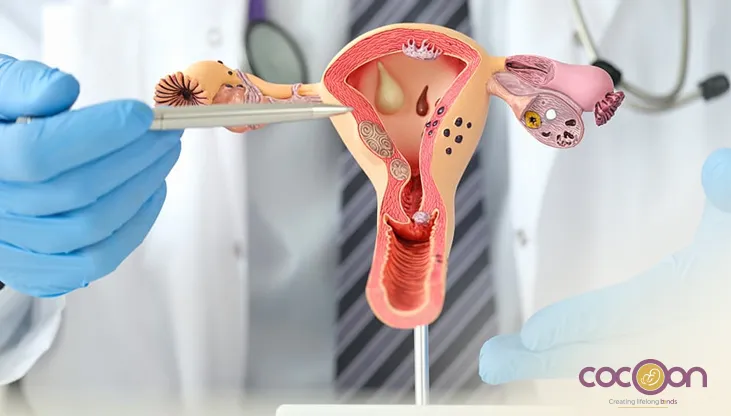
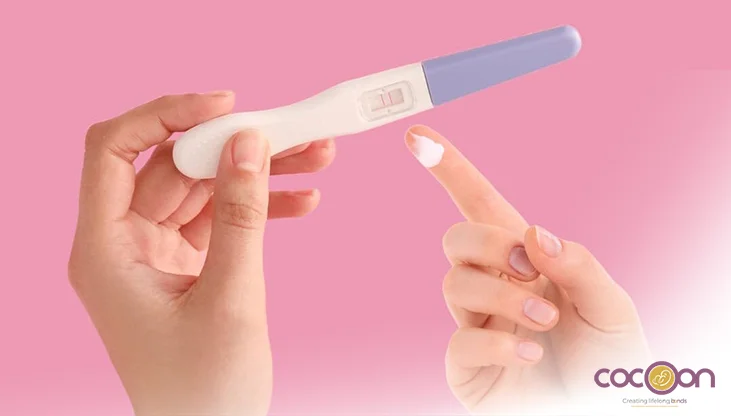
Most of the women experience vaginal discharge during their menstrual cycle, which is a normal part of the process. However, white discharge after a period may sometimes cause confusion and raise questions about early pregnancy. While it can mimic pregnancy symptoms, it's often caused by normal hormonal shifts.
But increased white, milky, or creamy discharge occurring after ovulation and before a missed period could be an early sign of pregnancy. To avoid this confusion, continue reading this blog.
Here is what you will learn:
- When the white discharge after a period is normal.
- When it may indicate pregnancy.
- When it could signal a health issue that needs medical attention.
What Is White Vaginal Discharge?
White vaginal discharge, medically known as leukorrhea, is a natural fluid produced by glands in the cervix and vagina.
It helps:
- Keep the vagina clean
- Prevent infections
- Maintain healthy vaginal pH levels
- Remove dead cells and bacteria
The appearance of discharge changes throughout the menstrual cycle because of shifting hormone levels, especially estrogen and progesterone.
Normal discharge usually has the following characteristics:
- White or clear
- Mild-smelling or odorless
- Sticky, creamy, or slippery
- Non-irritating
In most cases, white discharge after a period is completely normal.
Why Does White Discharge Happen After a Period?
After menstruation ends, hormone levels begin changing again as the body prepares for ovulation. This often causes discharge to reappear within a few days after bleeding stops.
Common Reasons for White Discharge After Period
1. Hormonal Changes
Estrogen levels gradually rise after your period, stimulating cervical mucus production. This discharge may look like this:
- Thick and creamy
- Milky white
- Sticky or lotion-like
This is a healthy sign that your reproductive system is functioning normally.
2. Ovulation Preparation
As your body approaches ovulation, discharge often increases. Initially, it may appear white and creamy before becoming clear and stretchy like egg whites during peak fertility.
3. Early Pregnancy
For some women, increased white discharge can be one of the earliest pregnancy symptoms. Hormonal changes after conception may trigger more cervical fluid production.
However, discharge alone is not enough to confirm pregnancy; hence, consult the best gynecologist at Cocoon Hospital, Jaipur, to address your concern.
Can White Discharge After Period Be a Sign of Pregnancy?
Yes, it can be an early sign of pregnancy in some cases. After fertilization, the body produces more estrogen and increases blood flow to the vaginal area. This often leads to increased vaginal discharge called leukorrhea.
Pregnancy-related discharge is usually the following:
- Thin or milky white
- Mild-smelling
- Continuous throughout pregnancy
- Non-irritating
This discharge helps protect the uterus and prevent infections during pregnancy.
Still, many women experience similar discharge during normal menstrual cycles, so it’s important to look for additional symptoms.
Look for Other Early Signs of Pregnancy
If white discharge after your period is accompanied by the following symptoms, pregnancy may be possible:
1. Missed Period
A missed menstrual cycle is often the most noticeable early pregnancy sign.
2. Implantation Bleeding
Some women experience light spotting 6–12 days after ovulation when the fertilized egg attaches to the uterine lining.
3. Breast Tenderness
Hormonal changes may cause swollen, sensitive, or painful breasts.
4. Fatigue
Rising progesterone levels can make you feel unusually tired.
5. Nausea
Morning sickness may begin as early as two weeks after conception.
6. Frequent Urination
Hormonal changes increase blood flow to the kidneys, leading to more frequent bathroom trips.
7. Mood Swings
Fluctuating hormones may affect emotions and mood.
If you notice several of these symptoms along with white discharge, taking a pregnancy test may help provide clarity.
How Early Does Pregnancy Discharge Start?
Pregnancy discharge can begin as early as one to two weeks after conception. Some women notice increased discharge before they even miss a period.
The discharge usually becomes more noticeable during the first trimester because”
- Estrogen production increases
- The cervix softens
- Blood flow to reproductive organs rises
Still, every woman’s body responds differently. Some may notice dramatic changes, while others experience very little discharge.
Difference Between Normal White Discharge and Pregnancy Discharge
Understanding the differences can help reduce your confusion.
| Feature | Normal Cycle Discharge | Early Pregnancy Discharge |
| Color | White or clear | Milky white |
| Texture | Sticky or creamy | Thin, creamy, lotion-like |
| Odor | Mild or none | Mild or none |
| Timing | Changes throughout the cycle | More continuous |
| Quantity | Varies by cycle stage | Often increases steadily |
Because these symptoms overlap significantly, a pregnancy test remains the only reliable way to confirm pregnancy.
When White Discharge May Indicate an Infection
Not all white discharge is harmless. Sometimes abnormal discharge can signal an infection or medical condition.
You should consult your gynecologist if discharge is accompanied by:
- Strong or foul odor
- Itching or burning
- Green, yellow, or gray color
- Pain during urination
- Pelvic pain
- Thick cottage cheese texture
These symptoms may indicate:
- Yeast infection
- Bacterial vaginosis
- Sexually transmitted infections (STIs)
Prompt diagnosis and treatment are important to avoid complications.
Can Stress Cause White Discharge After Period?
Yes, stress can influence hormonal balance and affect vaginal discharge. Emotional stress may alter estrogen levels, leading to temporary changes in cervical mucus production.
Other factors that can affect discharge include:
- Diet changes
- Birth control pills
- Lack of sleep
- Excessive exercise
- Illness
- Polycystic ovary syndrome (PCOS)
Tracking your menstrual cycle and discharge patterns can help you better understand what is normal for your body.
When Should You Take a Pregnancy Test?
If you suspect pregnancy, take a pregnancy test at the ideal timing for an accurate result.
For best accuracy:
- Wait until after a missed period
- Use first-morning urine
- Follow test instructions carefully
Some sensitive tests can detect pregnancy hormones a few days before a missed period, but false negatives are more common when testing too early.
If your test is negative but symptoms continue, repeat the test after 3–5 days or consult a doctor.
Tips for Maintaining Vaginal Health
Healthy vaginal discharge is part of normal reproductive function. Here are ways to maintain vaginal health:
1. Wear Breathable Underwear
Choose cotton underwear to reduce moisture buildup.
2. Avoid Harsh Soaps
Use mild, fragrance-free cleansers around the vaginal area.
3. Stay Hydrated
Proper hydration supports overall reproductive health.
4. Practice Safe Sex
Use protection to reduce the risk of sexually transmitted infections.
5. Avoid Douching
Douching can disrupt natural vaginal bacteria and increase infection risk.
6. Maintain a Balanced Diet
Nutrient-rich foods support hormonal balance and immune health.
Conclusion
White discharge after a period is usually a natural and healthy part of the menstrual cycle. In some cases, it may also be an early sign of pregnancy due to hormonal changes that occur after conception. However, discharge alone cannot confirm pregnancy. Hence, pay attention to accompanying symptoms such as missed periods, breast tenderness, fatigue, or nausea.
If pregnancy is possible, taking a home pregnancy test or consulting a healthcare provider can provide more accurate answers. Most importantly, understand your body’s normal patterns so that you can identify unusual changes early and maintain better reproductive health.
FAQs
Q1: Blood in white discharge after period. What does it signal?
A: Blood in white discharge after period signals implantation bleeding, infection, fibroids, or hormonal issues, consult a doctor promptly for evaluation.
Q2: Why is there white discharge after 10 days of the period?
A: White discharge 10 days post-period is normal from rising estrogen in follicular phase, clearing residual blood; rarely infection if itchy
Q3: Why am I spotting 2 weeks after my last period?
A: Spotting 2 weeks after period often means ovulation bleeding, hormonal fluctuations, or early pregnancy; track and see doctor if persistent.
Q4: Is thick white vaginal discharge normal?
A: Yes, thick white vaginal discharge is usually normal and commonly occurs during the menstrual cycle. It helps keep the vagina clean, maintains pH balance, and protects against infections naturally.