
Oophorectomy
Home > Specialities > Gynaec Surgeries > Oophorectomy
At Cocoon Hospitals, our Gynaecological department is fully equipped to offer advanced Oophorectomy procedures with complete safety, precision, and patient comfort.
Our experienced specialists personalize each procedure based on your medical condition to ensure accurate diagnosis and effective treatment. We prioritize using minimally invasive laparoscopic and robotic‑assisted approaches whenever appropriate to lower pain, scarring, hospital stay, and recovery time.
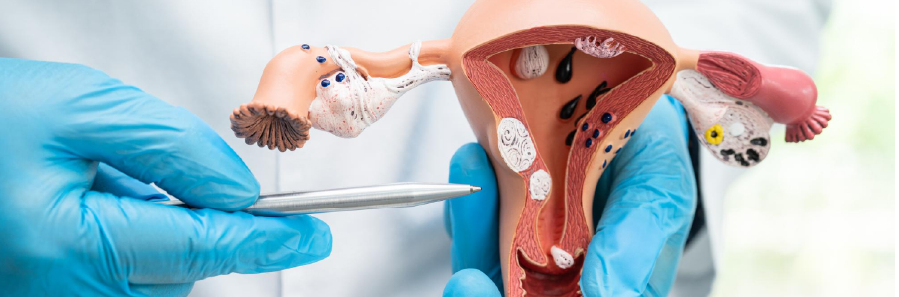
Understanding Oophorectomy
An oophorectomy is surgery to remove one or both of the ovaries (reproductive glands that make hormones to control your periods and promote bone and heart health).
An oophorectomy is most commonly done to treat a disease or reduce your risk of developing certain cancers.
Benefits of Oophorectomy
Here are the key benefits:
- Lowers the risk of both ovarian and breast cancer.
- Stops recurrent cysts, torsion, or rupture.
- Improves quality of life.
- Prevents repeated surgeries or emergencies.
- Help manage severe endometriosis.
Types and Methods of Oophorectomy (Ovary Removal Surgery) at Cocoon Hospital
Our surgeons are experienced in performing all the following types and methods of oophorectomy based on your medical history, symptoms, and personal preference:
Here are the types of Oophorectomy:
| Type of Oophorectomy | What Is Removed |
|---|---|
| Unilateral oophorectomy | One ovary (one side). |
| Bilateral oophorectomy | Both ovaries (both sides). |
| Salpingo-oophorectomy | One ovary and one fallopian tube. |
| Bilateral salpingo-oophorectomy | Both ovaries and both fallopian tubes. |
| Hysterectomy with salpingo-oophorectomy | Uterus plus one ovary and one fallopian tube. |
| Total hysterectomy with bilateral salpingo-oophorectomy | Uterus, cervix, both ovaries, and both fallopian tubes. |
Here are the methods used in Oophorectomy:
| Surgical Method | How It’s Done | Incisions | Recovery & Risk |
|---|---|---|---|
| Laparoscopic “Keyhole” Approach | Considered a minimally invasive approach. Our surgeon uses a camera and small instruments; may include robotic assistance. | Small 1–2 cm abdominal incisions | Faster recovery, lower infection risk |
| Vaginal | This is also considered a minimally invasive approach. Ovaries are removed through the vagina, often along with a hysterectomy. | No abdominal incisions | Quick recovery, minimal complications |
| Laparotomy | In some cases, the surgeon decides that a larger incision is needed to complete the surgery through the abdomen. | One large abdominal incision | Longer recovery, slightly higher risk |
When is a Hysterectomy Recommended ?
After proper diagnosis, our experts can recommend oophorectomy for the following conditions:
- Endometriosis.
- Benign (non-cancerous) growths known as cysts.
- Preventative surgery for an individual at a higher risk of breast and ovarian cancer.
- BRCA gene mutations that can lead to breast or ovarian cancer.
- Ovarian cancer.
- Ovarian torsion.
- Pelvic inflammatory disease (PID) or a tubo-ovarian abscess (TOA).
Oophorectomy (Ovary Removal Surgery) Procedure at Cocoon Hospital: Step-by-Step
Heres what to expect:
- Pre-surgical evaluation
Medical history, pelvic exam, imaging, and blood tests. Fertility options discussed if needed. - Surgical planning
Decision on type (unilateral/bilateral) and method (laparoscopic/vaginal/open). Menopause and related factors explained. - Procedure
Done under anesthesia. Ovary (with tube if needed) is safely removed; biopsy if cancer is suspected. - Post-procedure monitoring
Recovery observation, pain control, and discharge guidance on care and warning signs. - Follow-up care
Review reports, discuss hormone therapy if needed, and guide long-term health.
At Cocoon, experts prioritize minimally invasive keyhole techniques, as most patients can return to normal activities sooner with this.
Why Choose Cocoon Hospital for Oophorectomy ?
Located at the heart of Chandigarh, Cocoon Hospital is the leading provider of gynaecological services, including oophorectomy. We focus on a calm, private, and premium environment for women to empower them with the right environment and holistic support.
Our experts focus on combining minimally invasive “keyhole” cutting-edge technology tailored for every woman. Backed by a multidisciplinary team, we blend clinical expertise with a patient-centered approach for the best clinical outcome and recovery.
Heres why we stand out:
- Experienced gynaecologists with over 20 years of experience.
- Advanced diagnostic technology, including hysterosalpingography and 3D/4D imaging.
- Integrated care and supportive environment.
- Expertise in a fertility-preserving approach.
- Served more than 200,000 women.
- Performed 10,000+ gynaecological procedures.
Want expert evaluation for Ovarian Cysts, Cancer risk, or Eendometriosis‑related symptoms?
Speak to our experts for the right diagnosis and treatment at 09513174543.
Do I still get my period after an Oophorectomy ?
It depends on what type of Oophorectomy you have had undergone. If one ovary was removed and the other is intact, you’ll still get your menstrual period from the functioning ovary.
What are the risks of an Oophorectomy? ?
If recommended by professional it is a safe and effective procedure. However like any other medical procedure it can cause complications such as:
- Infection
- Injury to surrounding organs such as your bladder or bowel
- More bleeding than expected
- Allergy to anesthesia
- Severe pain due to surgery or retaining ovarian cells (ovarian remnant syndrome)
- Blood clots
- Rupture of a malignant tumor, which can spread cancer cells
- Loss of fertility
Will an Oophorectomy cause Menopause?
Yes, removing both Ovaries will cause menopause to start immediately.