
Ovarian Cyst Treatment
Home > Specialities > Gynaecology > Ovarian Cyst Treatment
For advanced Ovarian Cyst management, Cocoon Hospitals offers comprehensive Gynaecologic Care. Our Fellowship-trained Gynaecologists employ advanced imaging (E.g., Transvaginal Ultrasound, MRI) and Minimally Invasive techniques like Laparoscopy for precise diagnosis and personalised treatment.
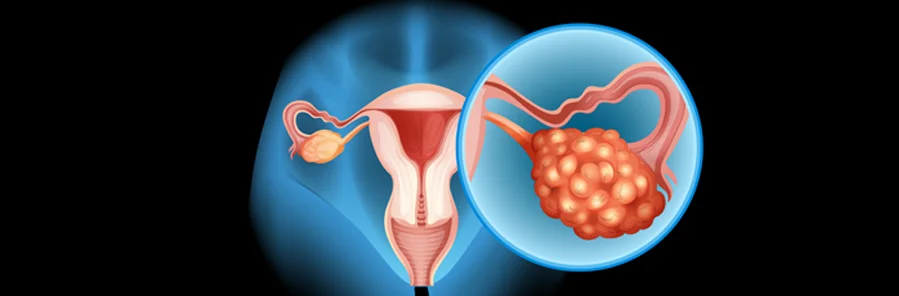
Understanding Ovarian Cysts
Ovarian cysts are sacs filled with fluid or semi-solid material that develop in the ovaries. Most ovarian cysts are benign and occur as part of the natural ovulation process.
In many women, cysts may form and resolve without any symptoms. However, when cysts grow larger or persist for longer than expected, they can cause discomfort and require medical evaluation. Ovarian cysts can vary in size, from small cysts that are barely noticeable to larger ones that may cause visible abdominal swelling or pressure in the pelvic region.
Although most ovarian cysts are harmless, regular monitoring and timely treatment are important to prevent complications such as rupture, ovarian torsion, or persistent pain.
Types of Ovarian Cysts
Here are the most common types of ovarian cysts:
| Type | Description | Common Symptoms |
|---|---|---|
| Functional Cysts | The most common ovarian cysts, formed during the menstrual cycle when a follicle does not release an egg or fails to shrink after releasing it. | Usually asymptomatic, mild pelvic discomfort, bloating, irregular periods in some cases. |
| Dermoid Cysts | Cysts that develop from embryonic cells and may contain hair, skin, teeth, or fatty tissue. | Pelvic pain, abdominal swelling, pressure, discomfort if the cyst becomes large or twists. |
| Endometriomas | Ovarian cysts caused by endometriosis, where tissue similar to the uterine lining grows outside the uterus. | Severe pelvic pain, painful periods, pain during intercourse, fertility issues, chronic lower abdominal pain. |
| Cystadenomas | Non-cancerous ovarian cysts that arise from ovarian tissue and can grow very large. | Pelvic pressure, bloating, abdominal discomfort, feeling of fullness, pain if enlarged. |
Early diagnosis and proper medical evaluation can help manage symptoms effectively and prevent potential complications.
Advanced Diagnosis of Ovarian Cysts
At Cocoon Hospital, diagnosing ovarian cysts involves a thorough assessment of symptoms, medical history, and physical examination.
Our specialists use advanced imaging and diagnostic tools to accurately identify the type, size, and location of the cyst.
Diagnostic tests may include the following:
- Pelvic examination
- Ultrasound imaging
- Transvaginal ultrasound
- Magnetic Resonance Imaging (MRI)
- CT scan in specific cases
- Blood tests, including CA-125 (when needed)
- Pregnancy test (to rule out pregnancy-related cysts)
- Laparoscopy for further evaluation in complex cases
These diagnostic methods help doctors determine whether the cyst is harmless, requires monitoring, or needs medical or surgical treatment.
Treatment Options for Ovarian Cysts at Cocoon Hospital
Not all ovarian cysts require treatment. Many small functional cysts resolve naturally within a few menstrual cycles without medical intervention.
Treatment becomes necessary if the cyst:
- Causes persistent pain or discomfort
- Continues to grow in size
- Does not disappear over time
- Leads to complications such as rupture or torsion
- Raises suspicion of abnormal or complex cysts
The treatment plan depends on several factors, including the size and type of cyst, symptoms, age, reproductive plans, and overall health.
Our specialists provide individualised treatment plans designed to ensure both safety and long-term reproductive health.
Lifestyle and Medical Management
For mild cases, doctors may recommend conservative management and symptom relief measures.
Watchful Waiting: Small cysts may be monitored with periodic ultrasound examinations to check whether they resolve naturally.
Hormonal Therapy: Birth control pills may be prescribed to regulate the menstrual cycle and prevent new cysts from forming.
Pain Management: Anti-inflammatory medications may help relieve pelvic pain and discomfort.
Lifestyle Support: Maintaining a healthy diet, managing stress, and regular medical follow-ups support overall reproductive health.
Advanced Treatments
If ovarian cysts are large, persistent, or causing complications, surgical treatment may be recommended.
Laparoscopic Cyst Removal (Cystectomy): A minimally invasive keyhole surgery used to remove the cyst while preserving the ovary.
Laparotomy: In rare cases involving very large or complex cysts, a more extensive surgical procedure may be required.
Oophorectomy: Removal of the affected ovary may be recommended if the cyst severely damages ovarian tissue or raises concerns.
Treatment for Underlying Conditions: In cases where cysts are linked to conditions such as endometriosis or hormonal imbalance, targeted treatment may also be provided.
Minimally invasive surgical techniques used at Cocoon Hospital ensure faster recovery, minimal scarring, and a reduced hospital stay.
Why Choose Cocoon Hospital for Ovarian Cyst Treatment ?
Located in the heart of Chandigarh, Cocoon Hospital is known for delivering specialised women’s healthcare and advanced gynaecological treatment.
Our experienced team of gynaecologists and laparoscopic surgeons carefully evaluates every case to determine whether ovarian cysts require monitoring, medical therapy, or surgical treatment.
Each treatment plan is personalised to protect reproductive health and ensure the best possible outcomes for our patients.
Here is what makes Cocoon Hospital a trusted choice:
- Experienced gynaecologists and laparoscopic surgeons
- Advanced diagnostic technology, including high-resolution ultrasound and 3D/4D imaging
- Expertise in minimally invasive ovarian cyst surgeries
- Served more than 200,000 women
- Performed 10,000+ gynaecological procedures
Are you experiencing symptoms of ovarian cysts?
Speak to our experts for the right diagnosis and treatment at 09513174543.
What is the best treatment for Ovarian Cysts?
The best treatment depends on the type, size, and symptoms of the Cyst. Many cysts resolve naturally, while others may require medication or Minimally Invasive Surgery.
Can Ovarian Cysts disappear on their own?
Yes, many functional Ovarian Cysts resolve naturally within a few Menstrual Cycles without treatment.
Are Ovarian Cysts cancerous?
Most Ovarian Cysts are benign and non-cancerous. However, doctors may recommend tests to rule out rare cases of abnormal Cysts.
Can Ovarian Cysts affect Fertility?
Certain types of Cysts, such as Endometriomas, may affect Fertility. Early diagnosis and treatment can help preserve reproductive health.
When should you consult a Gynaecologist for Ovarian Cysts?
You should consult a doctor if you experience:
- Persistent pelvic pain
- Bloating or abdominal swelling
- Irregular menstrual cycles
- Pain during intercourse
- Sudden severe pelvic pain
- Difficulty conceiving
- Early medical evaluation ensures proper diagnosis and timely treatment