
Normal Delivery
Home > Specialities > Obstetrics > Normal Delivery
At Cocoon Hospitals, we prioritise normal deliveries with multidisciplinary care, minimising invasive procedures for healthy mums and babies. Our facility is equipped with advanced technologies, 4D ultrasound and diagnostic imaging, and high-end labour, delivery, and recovery (LDR) suites, ensuring a smooth, natural childbirth experience.
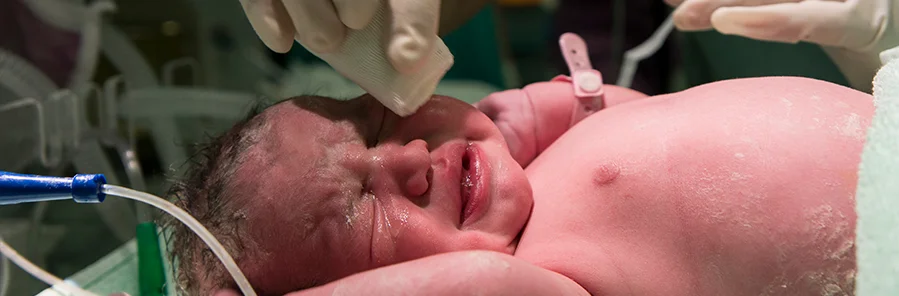
Understanding Normal Delivery
Normal delivery is basically known as vaginal delivery or vaginal birth. It is the natural delivery process of childbirth where the baby is born through the birth canal without surgical intervention. In some cases, assisted techniques such as forceps or a vacuum may be used.
It usually happens between the 37th and 42nd weeks of pregnancy. A vaginal delivery is usually the preferred delivery method and involves 3 stages: labour (contractions), delivery of the baby, and delivery of the placenta.
Benefits of Normal Delivery
Normal delivery facilitates natural hormonal processes, reducing postpartum complications. It offers the following benefits for the mother and baby.
Benefits of vaginal delivery for the birthing mother include:
- No abdominal incision
- Shorter recovery time.
- Potential long-term benefits for hormonal balance.
- Lactation begins sooner.
- Lower chance of future pregnancy complications.
- Immediate and extended skin-to-skin contact.
Benefits of vaginal delivery for the newborn
- Lower chance of respiratory conditions.
- Exposure to protective bacteria in the birth canal helps support healthy immune system development.
- Babies are often more alert and more likely to breastfeed.
Note: It is important to understand that there is no best method of delivery; the safest one will be based on the type of pregnancy and the maternal and baby’s health.
Normal Delivery Services at Cocoon Hospital
The best vaginal delivery hospital uses a range of modern technologies and specialised services to ensure safety, reduce pain, and monitor the well-being of both mother and baby.
| Key Services & Technologies | How it Helps |
|---|---|
| Electronic Foetal Monitoring (EFM) | Detects early signs of foetal distress (like lack of oxygen) by continuously tracking the baby’s heart rate and the mother’s contractions. |
| Point-of-Care Testing | Helps experts make quick decisions regarding blood transfusion, glucose correction, antibiotics, or other interventions. |
| Antenatal Counselling & Risk Assessment | Helps decide whether a normal vaginal delivery is safe or if extra precautions are needed through detailed analysis of scans, blood reports, and medical history. |
| Pain Management Options | Availability of epidurals, nitrous oxide, and other pain-relief methods to reduce labour pain while keeping the mother comfortable and able to push. |
| High-end Labour, Delivery, & Recovery (LDR) Suites | Combines the labour room, delivery room, and recovery area in one private space to reduce movement and infection risk. |
| Luxury Birthing Plan | Provides a premium, spa-like environment with privacy, comfort, and personalised care during labour and delivery. At Cocoon Hospital, castle-inspired birthing suites are stylish, spacious, private, and serene, supported by attentive and compassionate staff. |
| Assisted Vaginal Delivery Tools (Vacuum Extractor & Obstetric Forceps) | Used when the baby needs gentle assistance to come out through the birth canal. |
| Infection-control Protocols | Meticulous hygiene, sterilisation of instruments, and clean-room practices help lower the risk of infections for both mother and newborn. |
| Continuous Labour Support (Doula) | A trained birth companion provides emotional support, breathing guidance, position changes, and reassurance throughout labour. |
Who is Eligible for Normal Delivery ?
Not every birthing mother is eligible for childbirth through the vaginal canal. However, if you fulfil the following criteria, our doctor may consider pushing your baby out through your vagina (or birth canal).
Why Choose Cocoon Hospital for Normal Delivery ?
With the milestone of having welcomed over 20,000 babies into the world, maximising safety through high-end monitoring, Cocoon Hospital is the leading normal vaginal delivery hospital.
We stand apart because of the following qualities:
- Board-certified gynaecologists with 20-plus years of experience in natural deliveries.
- Personalised plans followed by a patient-centric approach.
- Painless normal delivery options, like an epidural anaesthesia during vaginal delivery, and TENS machines
- Top-notch amenities such as lactation rooms, baby spas, and castle-inspired birthing suites in our luxury birthing package.
- Affordable and transparent pricing (ranging from ₹30,000 to over ₹2,00,000).
- Positive patient testimonials
- We offer prenatal programmes, nutrition counselling, and antenatal yoga.
- We are rated 4.7 stars on Google, based on 3,297 patient reviews.
Step-by-Step Guide for Normal Delivery at Cocoon Hospital
- Prenatal Checkups.
- Join our Lamaze classes to learn breathing techniques.
- We help you customise your diet and exercise plan.
- Discuss the birth plan with your doctor.
- Based on the eligibility criteria, your doctor will decide the most appropriate delivery method.
- Assistance during all stages of labour.
- Movement-based labour positions.
- Immediate skin-to-skin contact.
- We encourage early initiation of breastfeeding.
- Postpartum care.
Book your free consultation today.
Contact us at contactchd@cocoon.co.in or call 09513174543.
How to choose the best normal delivery hospital?
You can consider factors like:
- NABH accreditation
- Positive online reviews
- Proximity
- A facility that encourages high vaginal birth rates
- Experienced Gynaecologists
- 24/7 neonatal intensive care units(NICU)
What is the success rate of normal delivery at Cocoon Hospital, Chandigarh?
Every pregnancy is different, and the success may vary. Cocoon Hospital is the leading maternity and luxury birthing centre with over 20,000 deliveries (with more than 20,000 babies born).
Who is not a good candidate for normal vaginal delivery?
A pregnant woman with the following scenarios may not be a good candidate for vaginal (birth canal) childbirth:
- A history of a classical (vertical) cesarean section
- When the placenta covers the cervix
- Improper foetal positioning, such as breech (feet or buttocks first)
- Severe pre-eclampsia
- Active genital herpes infection
- Carrying multiples
- Other complications
Normal delivery vs. C-section: Which is better?
Both methods can be appropriate depending on the type of pregnancy and maternal and foetal health. In uncomplicated pregnancies, normal delivery is generally considered better. A C-section is safer when complications arise, such as breech position, foetal distress, or high-risk conditions.