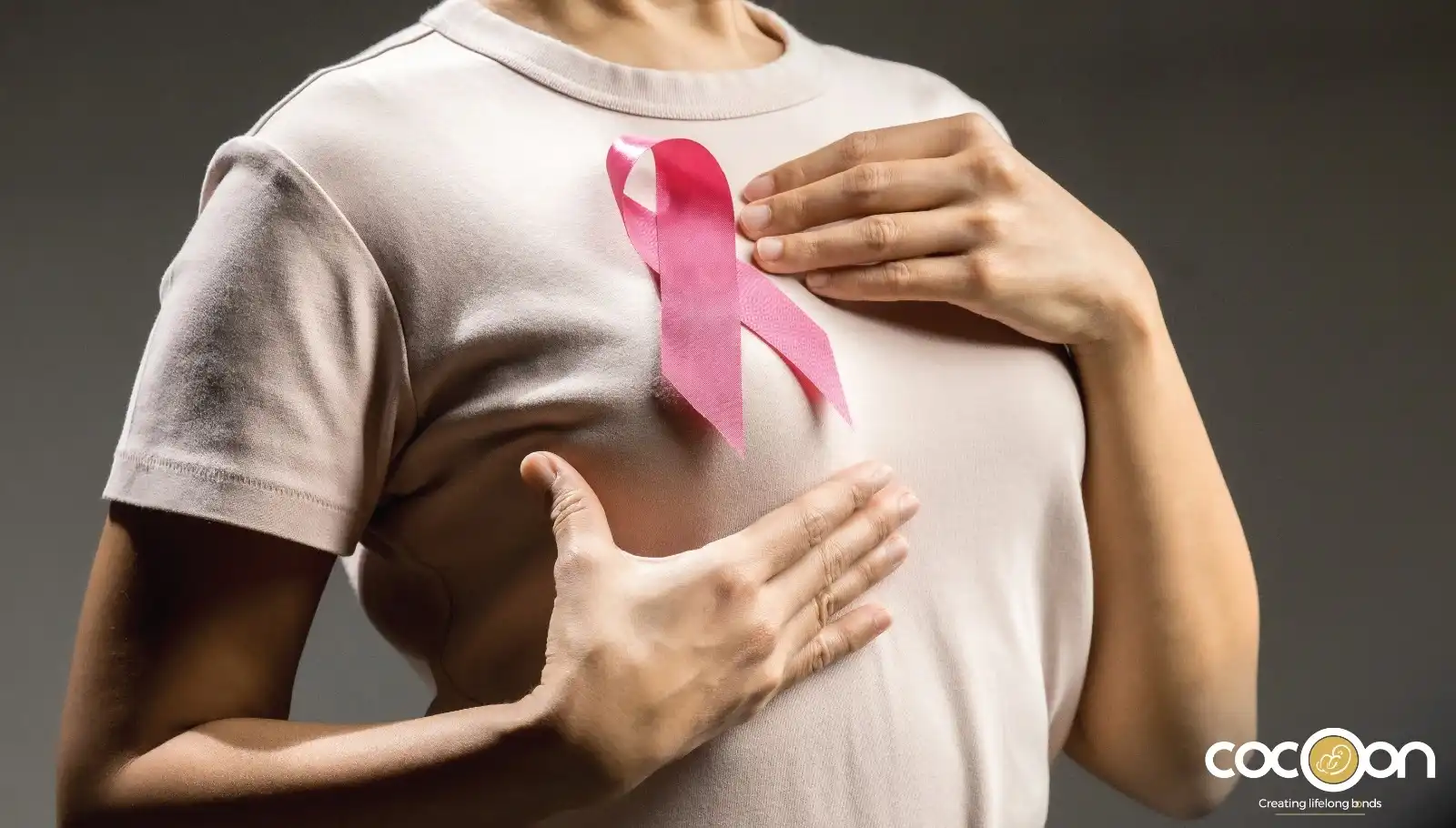
Breast Cancer Awareness Month is an international health campaign that is observed every October. The main aim of this international health campaign is to raise awareness about breast cancer and its symptoms, encourage timely screening, promote early detection, and support people affected by the disease.
However, do not think that awareness is only about wearing a pink ribbon. It is more about knowing breast cancer symptoms, what changes to look for, understanding your screening needs, recognising your risk, and seeking professional advice when something does not feel right.
The Breast Cancer Awareness Month 2026 theme is “Every story is unique, every journey matters," which highlights the fact that every experience of breast cancer is different. Individuals may face different challenges based on their diagnosis, treatment, support networks and access to care. Hence, care should be personalised based on people’s circumstances.
So, what should you know during Breast Cancer Awareness Month 2026?
In simple terms: know your risk factors and signs, follow appropriate breast cancer screening, and don't turn a blind eye to a breast change that is new or unusual. Breast cancer can affect women at different ages and, although much less commonly, can also affect men.
Quick Overview of Key Information for Breast Cancer Awareness Month, 2026
Read the table below to get a quick idea of this international 2026 health campaign on breast cancer awareness
| Breast Cancer Awareness Month 2026 | Key information |
| When is it observed? | October 1–31, 2026. |
| Main purpose | Awareness, early detection, screening and support. |
| Key areas | Symptoms, risk factors, screening and timely care. |
| Who can be affected? | Primarily women, but breast cancer can also occur in men. |
| What is the theme for Breast Cancer Awareness Month in 2026? | “Every story is unique, every journey matters” |
| Important message | A new or unusual breast change should be medically evaluated. |
What is Breast Cancer Awareness Month?
Breast Cancer Awareness Month is an international awareness campaign held every year from October 1 to October 31.
The month focuses on:
- Educating, engaging, and taking action on behalf of those facing breast cancer and those who may in the future.
- Educating people about breast cancer risk factors.
- Raising awareness about breast cancer.
- Helping people identify breast cancer symptoms.
- Encouraging people to schedule regular breast cancer screening — for women, regular scans begin at age 40 or earlier, based on personal breast cancer risk.
- Promoting early detection and timely diagnosis.
- Supporting people living with or affected by breast cancer.
- Raising awareness about breast cancer research and treatment.
Breast Cancer Statistics
Breast cancer is the most common cancer among women.
As per the World Health Organisation, an estimated 2.4 million women were diagnosed with breast cancer globally in 2024, while approximately 694,000 women died from the disease.
What is the Importance of Breast Cancer Awareness Month?
The International Breast Cancer Awareness Campaign is important because it promotes early detection, educates the public on risk factors, raises critical funds for research, and supports those affected by the disease.
Think of early detection as catching a small leak before it becomes a flooded room. Finding a suspicious breast change early does not automatically mean it is cancer, but it gives healthcare professionals an opportunity to investigate it promptly.
This is why awareness matters.
What Are the Common Breast Cancer Symptoms?
Many people are under the wrong impression that finding a breast lump means cancer. But breast lumps are also signs of noncancerous breast conditions.
Common signs may include:
- A new lump or mass in the breast
- Thickening in the breast or armpit
- A change in the size or shape of the breast
- Skin that becomes puckered, dimpled, scaly or irritated
- Redness or darkening of the skin
- Changes in the nipple
- A nipple that turns inward
- Unusual nipple discharge, including bloody or clear discharge
- A persistent change in the look or feel of the breast
Does a Breast Lump Always Mean Cancer?
No.
"Lumps in the breast aren't always cancer." "About 10% to 20% of lumps are cancer. The rest are benign.
This is why routine mammograms are extremely important for all women.
| Breast change | What to do |
| New breast lump | Get it evaluated by a healthcare professional |
| Persistent breast thickening | Seek medical advice |
| Nipple discharge, especially bloody | Arrange a medical evaluation |
| Skin dimpling or puckering | Do not ignore a new change |
| Nipple turning inward | Discuss the change with a healthcare professional |
| Change in breast size or shape | Seek evaluation if it is new or unusual |
What Does Breast Cancer Screening Involve?
Breast cancer screening involves checking for breast cancer before symptoms appear.
The most commonly discussed screening test is mammography, which uses X-rays to create images of the breast. A mammogram can sometimes detect changes that cannot be felt as a lump.
Cancer screenings help women with this disease get treatment early, when it may be curable.
If you're at high risk, your doctor may advise you to:
- Start breast cancer screenings before age 40.
- Have more frequent breast cancer screenings.
- Take medicines that may decrease your breast cancer risk.
- Get a prophylactic (preventive) mastectomy.
Mammogram Screening vs Diagnostic Testing
It is also important to know the difference between screening and diagnostic tests.
| Screening | Diagnostic evaluation |
| Usually performed when there are no symptoms. | Used when a symptom or abnormal screening result needs evaluation. |
| Helps look for breast changes early. | Helps investigate a specific concern. |
| Mammography is a common screening tool. | May involve mammography, ultrasound, MRI or biopsy. |
| Timing depends on individual risk and guidelines. | Recommended based on the clinical situation. |
How Early Should You Start Getting Mammograms?
There is no universal age that applies to every person.
The U.S. Preventive Services Task Force (USPSTF), in its 2024 recommendations, suggests that women at average risk start mammograms at age 40 and have a mammogram every other year.
Your doctor can help determine an appropriate screening plan based on factors such as:
- Age
- Personal history of breast cancer
- Family history
- Inherited genetic mutations
- Previous radiation exposure
- Other risk factors
Can Breast Cancer Be Prevented?
There is no guaranteed way to prevent every case of breast cancer. However, some steps may help lower risk by
- Knowing your risk
- Staying physically active
- Maintaining a healthy weight
- Limiting alcohol
- Avoiding tobacco
- Following screening recommendations
FAQs
Can men get breast cancer?
Yes.
Male breast cancer is rare. It happens most often in older men; however, it can occur at any age.
What increases the risk of breast cancer?
Many factors may increase your chances of developing breast cancer. They include:
- Increasing age
- A family history of breast cancer
- Certain inherited genetic mutations, including BRCA1 and BRCA2
- Previous radiation exposure, particularly to the chest
- Alcohol use
- Tobacco use
- Obesity, particularly after menopause
- Certain reproductive and hormonal factors
What happens if a mammogram or examination finds something unusual?
An abnormal screening result does not automatically mean you have breast cancer.
Your healthcare professional may recommend additional evaluation, which can include:
- A clinical breast examination
- Additional mammographic views
- Breast ultrasound
- Breast MRI in selected situations
- A biopsy when necessary
A biopsy involves taking a sample of tissue so it can be examined for cancer cells. A breast biopsy doesn’t make the cancer spread and is absolutely needed to make the diagnosis.
If cancer is diagnosed, doctors may evaluate its type, stage, hormone receptor status and HER2 status to help determine the most appropriate treatment.
Conclusion
Think of breast health like knowing your home's warning system. You do not wait for a major problem before noticing that something has changed.
Similarly, being familiar with how your breasts normally look and feel can help you notice changes that need medical attention
Awareness becomes meaningful when it leads to action.
What should you do this October?
This Breast Cancer Awareness Month 2026, consider taking a few simple steps:
- Learn about your personal breast cancer risk.
- Know what is normal for your breasts.
- Do not ignore a new or unusual change.
- Follow breast cancer screening recommendations appropriate for your age and risk.
- Encourage family members to discuss their breast health.
- Support someone who is going through diagnosis or treatment.
- Share reliable breast cancer information rather than fear-based messages.
Breast Cancer Awareness Month is not only about one month of awareness. It is about building habits that can continue throughout the year.
A simple reminder
Know your risk.
Know your breasts.
Know the signs.
Know when to seek help.
When should you see a breast cancer doctor in Chandigarh?
If you notice a new or persistent breast change, consider speaking with a qualified breast specialist, breast surgeon, gynecologist or oncologist, depending on your situation.
Warning signs of breast cancer might include:
- A painless lump
- Lymph node swelling
- Pain in your breast
- A feeling of heaviness in your breast
- Swelling, redness, or thickening of your breast skin
- Changes in your nipple
- Nipple discharge (especially if it has blood in it)
- Breast scaliness
- Nipple retraction (when your nipple turns inward)
Disclaimer: This blog is for informational use. Contact a healthcare provider for accurate information about breast cancer diagnosis, screening, or treatment.