A confirmation of pregnancy can bring a mix of excitement and happiness, as well as a barrage of questions such as: What are the first-trimester symptoms? Which pregnancy tests are required? What should I eat and avoid? And how should I take care of myself and my baby?
The first trimester pregnancy period covers the first 13 weeks. During this time, you may experience symptoms such as nausea, sometimes with vomiting; tiredness or unusual fatigue; sore or tender breasts; frequent urination; mood changes; mild shortness of breath; and changes in appetite or food preferences. However, first trimester pregnancy symptoms can vary from woman to woman, and some may experience only a few or none at all.
Think of the first trimester as laying the foundation of a house; you do not need to make your pregnancy care complicated. A simple routine like attending regular prenatal care, a balanced diet (plenty of fruits, vegetables, whole grains, lean protein and healthy fats), taking recommended supplements, and appropriate tests can help support a healthy pregnancy.
What Happens During the First Trimester?
The 1st trimester brings many physical and emotional changes. The first trimester generally extends from week 1 through week 13. During this time, your hormone levels increase rapidly. Interestingly, your body produces more oestrogen during one pregnancy than it does during your whole life when you’re not pregnant.
The foetus also goes through rapid development. In the early weeks, the embryo starts forming the basic structures that will later develop into organs, the nervous system, limbs and other body parts.
| Stage | What may happen |
| Weeks 1–4 | Implantation occurs, and early pregnancy development begins. |
| Weeks 5–8 | Early organs and body structures start developing. |
| Weeks 9–13 | Foetal development continues, and the pregnancy becomes more established. |
What Are the Common First Trimester Symptoms?
Hormonal changes, especially increasing levels of pregnancy hormones, can cause several symptoms.
Common first trimester symptoms include:
- Nausea, sometimes with vomiting
- Tiredness or unusual fatigue
- Sore or tender breasts
- Frequent urination
- Mood changes
- Mild shortness of breath
- Changes in appetite or food preferences
- Acne or other skin changes
Note: Every person and every pregnancy is different. Some may have several symptoms, while others may have very few.
Can You Get Morning Sickness Not in the Morning?
Yes.
Despite the name, pregnancy-related morning sickness or nausea can happen at any time of the day or night, not just in the morning. Some expecting women experience occasional nausea, while others may have more frequent vomiting.
What Pregnancy Tests Are Needed in the First Trimester?
After your pregnancy is confirmed, your gynecologist in Chandigarh may recommend different tests based on your health, medical history and stage of pregnancy.
Some commonly recommended pregnancy tests during the first trimester based on your pregnancy and individual risk factors, can include hCG test, CBC, blood group and Rh, urine test, thyroid profile (T3, T4, TSH), HIV test, etc.
Here is the full list:
| Test | Why it may be done |
| hCG test | Helps confirm pregnancy and assess pregnancy hormone levels when indicated |
| CBC | Checks blood counts and may help identify anaemia |
| Blood group and Rh | Determines blood type and Rh status |
| Urine test | Checks for certain urinary or other abnormalities |
| Thyroid profile (T3, T4, TSH) | Evaluates thyroid function |
| HIV test | Screens for HIV infection |
| Hepatitis B and C tests | Screens for viral hepatitis |
| Syphilis/STI screening | Checks for certain infections |
| Rubella immunity | Determines whether you have immunity to rubella |
| Ultrasound | Helps assess pregnancy location, development and gestational age |
| Maternal serum screening | May be offered to assess the risk of certain chromosomal conditions |
What Happens During the First Trimester Ultrasound?
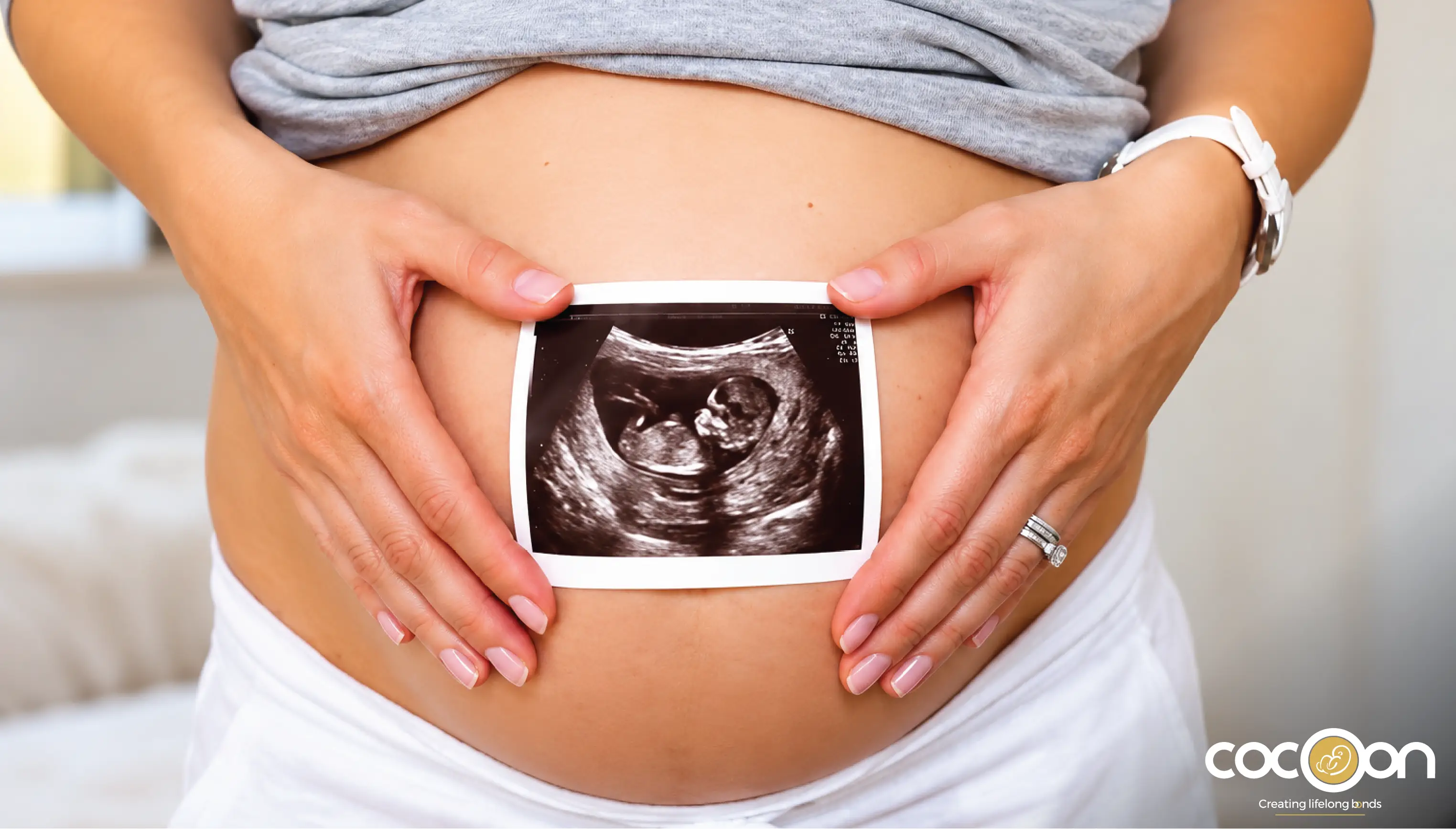
A prenatal or pregnancy ultrasound (or sonogram) uses sound waves to create a picture of a foetus on a screen. A gynaecologist in Chandigarh uses it to check on the health of the foetus and detect certain pregnancy complications
Depending on the timing, an ultrasound can help your healthcare provider evaluate:
- The location of the pregnancy
- Gestational age
- Fetal development
- Fetal heartbeat when visible at the relevant stage
- Number of pregnancies
- Certain early pregnancy concerns
Your gynecologist in Chandigarh will tell you when an ultrasound is appropriate based on your last menstrual period, symptoms and pregnancy history.
Note: Pregnancy ultrasounds are safe and do not have known harmful side effects. Still, they’re generally performed only when it’s medically necessary.
What Should You Eat During the First Trimester?
Focus on folate-rich foods, protein sources, calcium-rich foods, fruits and vegetables, whole grains and healthy carbohydrates to provide the nutrients your body and developing baby need.
Include These Foods in Your Pregnancy Diet
Folate-rich foods
- Green leafy vegetables such as spinach and fenugreek
- Beans
- Lentils
- Fortified foods can contribute folate to your diet
Your doctor will also recommend folic acid supplementation during early pregnancy. Folic acid, or folate, is a B vitamin that can reduce the risk of neural tube defects (NTDs)
Protein sources
- Dal
- Beans
- Chickpeas
- Eggs
- dairy products
- Nuts
- Seeds
- Fish
- Chicken or other suitable protein sources according to your dietary preferences.
Calcium-rich foods
- Milk
- Curd
- Paneer and other suitable dairy foods can help provide calcium.
Fruits and vegetables
Try to include a variety of fruits and vegetables every day. Wash produce thoroughly before eating.
Whole grains & healthy carbohydrates
- Roti
- Brown rice
- Oats
- Wholegrain cereals
- Poha
- Idli
- Upma and similar foods can be part of a balanced pregnancy diet.
Remember, you do not need to “eat for two” during pregnancy. Instead, just focus on a variety of nutritious foods that provide the required nutrients in the right amount for your body and developing baby.
What Should a Woman Not Eat During Pregnancy?
Food safety is crucial, especially during pregnancy.
Therefore, if you are wondering, what foods should you avoid or limit during pregnancy?
Here is the list of foods that you should avoid during pregnancy:
- Raw or undercooked meat and eggs
- Unpasteurised milk and dairy products
- Unwashed fruits and vegetables
- Fish known to contain high levels of mercury
- Excess caffeine
- Alcohol
- Foods that may have a higher risk of food contamination
If you are unsure whether the particular food is safe or not during pregnancy, just ask your obstetrician instead of doing guesswork.
Essential First Trimester Care Tips
Start prenatal care early, take prescribed supplements, stay hydrated, give yourself enough rest, stay physically active if your doctor says it is safe, avoid smoking and alcohol, and always check with your doctor before taking anything new. These are some of the first-trimester care steps that you can consistently follow.
FAQs About First Trimester Pregnancy
What should I do during the first trimester of pregnancy?
Schedule an appointment with a gynecologist as soon as you know you are pregnant to begin regular prenatal care. Take prenatal vitamins, eat nutritious foods, stay hydrated, get adequate rest and avoid risky foods (such as alcohol, smoking, undercooked meats, unpasteurised dairy, and high-mercury fish, etc.)
What foods help a fetus grow?
Eating a nutrient-dense, balanced diet with lean proteins, leafy greens, and healthy fats supports healthy fetal growth.
Which tests are done in the first trimester?
Based on your individual needs, your gynecologist in Chandigarh may recommend blood and urine tests, blood group and Rh testing, thyroid testing, infection screening, ultrasound and certain prenatal screening tests.
How many weeks is the first trimester?
The first trimester generally covers weeks 1 through 13 of pregnancy.
What exercises should I avoid in the 1st trimester?
Avoid high-risk activities such as contact sports, heavy impact exercises, and workouts that cause overheating or dangerous falls during your 1st trimester. However, many women with uncomplicated pregnancies can continue suitable low-impact physical activity; ask your obstetrician what is appropriate for you.
Conclusion
The first trimester pregnancy period can feel like a lot is happening at once. Your body is changing, your baby is developing rapidly, and you may suddenly have questions about almost everything, from what you eat to which tests you need.
The good thing is you do not need to navigate it all alone.
Start prenatal care early, follow your gynecologist’s advice in Chandigarh, take recommended supplements, eat a balanced diet, stay hydrated, get enough rest and know which symptoms need medical attention. Diligently follow a care plan created by your doctor based on your health, pregnancy history and your baby's development to ensure a smooth pregnancy.
First Trimester Pregnancy: A Simple Checklist
Use this simple checklist as a starting point:
| Do | Avoid |
| Schedule your prenatal visit | Alcohol |
| Take prescribed folic acid and supplements | Smoking and tobacco exposure |
| Eat a varied, nutritious diet | Raw or undercooked foods |
| Drink enough fluids | Unwashed food |
| Get adequate rest | Unapproved medicines or supplements |
| Follow your recommended testing schedule | High-mercury fish |
| Stay active if medically appropriate | Excess caffeine |
When should I see a gynecologist during early pregnancy?
It is a good idea to arrange prenatal care soon after confirming pregnancy. A gynaecologist in Chandigarh can assess your pregnancy, review your medical history, recommend necessary tests and guide you about diet, supplements, medicines and lifestyle.
If you are looking for personalised pregnancy guidance, consult a qualified gynaecologist in Chandigarh at Cocoon Hospitals for appropriate prenatal care and monitoring.
Experts at Cocoon Hospitals, Chandigarh
- Dr. Mangla Dogra
- Dr. Priyanka Sharma
- Dr. Shruti Kainth
- Dr. Rhythm Bhalla
Explore the testimonial of a patient to know the comprehensive maternal care provided by Cocoon Hospitals, Chandigarh.
Disclaimer: This blog is for informational use. Contact a healthcare provider for accurate information about first-trimester pregnancy.