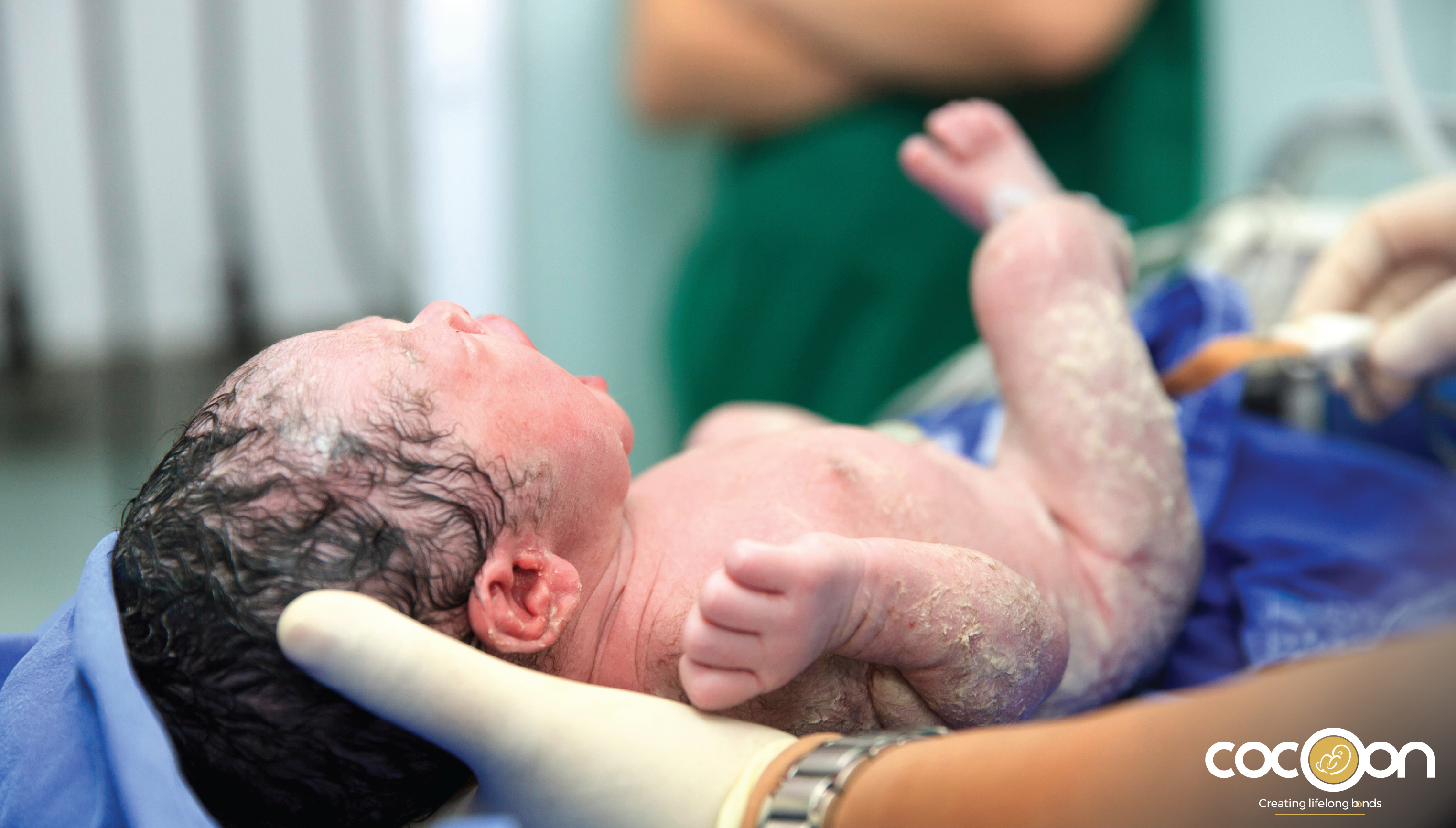

A high-risk pregnancy is a pregnancy in which the mother, baby, or both might be more likely than usual to develop health problems before, during or after delivery. People with pre-existing conditions such as diabetes, high blood pressure, obesity, thyroid disease, etc. have increased health risks during pregnancy.
But having a pregnancy that’s considered high risk does not automatically mean you or the foetus will have health issues. Many women experience healthy pregnancies and normal labour and delivery despite having special health requirements leading up to the birth.
The best obstetrician in Chandigarh says that, with early identification, regular antenatal checkups, appropriate tests (for example, blood and urine testing and ultrasound), and timely treatment, many high-risk pregnancies can be managed safely.
If you have been told that your pregnancy is high risk, the important thing is not to panic. Working closely with your obstetrician can help identify potential problems early and determine the safest approach for you and your baby.
What Is a High-Risk Pregnancy?
A high-risk pregnancy means that it carries increased health risks for you, the foetus or both. However, it does not automatically mean that something will go wrong. With early identification of possible complications and appropriate treatment, many people experience healthy pregnancies and normal labour and delivery.
High-Risk Pregnancy Management May Involve:
- more frequent prenatal visits,
- additional blood tests,
- ultrasounds,
- specialist consultations,
- medication,
- and closer monitoring during labour and after delivery.
Causes of a High-Risk Pregnancy
If you ask, why would my pregnancy be high risk? There isn't one single cause, but the following are the 5 possible reasons:
1. Existing Health Conditions
The below-mentioned preexisting health conditions can make pregnancy more complicated, such as:
- Diabetes
- High blood pressure
- Thyroid disorders
- Heart or blood disorders
- Kidney disease
- Autoimmune conditions
- Obesity
- Epilepsy
- Poorly controlled asthma
- Certain infections
- Some mental health conditions
2. Pregnancy Complications
Pregnancy-related health conditions which develop once pregnancy begins can increase complications during pregnancy.
These may include:
- Gestational diabetes
- Gestational hypertension
- Preeclampsia or eclampsia
- Placental problems
- Abnormal amniotic fluid levels
- Foetal growth restriction
- Low birth weight
- Preterm labour
3. Multiple Pregnancy
Pregnancy with more than one foetus, such as twins or triplets, has a higher likelihood of complications such as premature birth and foetal growth concerns.
4. Complications With Previous Pregnancies
A history of preeclampsia, preterm delivery, miscarriage, stillbirth, or a baby with a genetic condition may lead your obstetrician to recommend additional monitoring or testing.
5. Age and Lifestyle Factors
Very young pregnancy and advanced maternal age pregnancy can be associated with increased risks. Lifestyle factors (including smoking, substance use disorder, alcohol use disorder and exposure to certain toxins) can also affect pregnancy outcomes.
High Risk Pregnancy Symptoms
All pregnancies carry risks. However, a pregnancy that’s considered high risk can include the following symptoms:
- Vaginal bleeding or increased discharge.
- Abdominal pain that doesn’t go away.
- Severe headache, especially with vision changes.
- Sudden swelling of the face or hands.
- Difficulty breathing or chest pain.
- Fluid leaking from the vagina.
- Fever or signs of infection.
- Persistent vomiting or inability to keep fluids down.
- The foetus's movement stopping or slowing.
- Contractions or signs of premature labour.
If you experience any of the above symptoms during pregnancy, regardless of if your pregnancy is high risk or low risk: Contact your maternity care team or seek urgent medical evaluation.
High-Risk Pregnancy Diagnosis
If you are wondering, how do I know if my pregnancy is high risk? There isn't a best test that simply says, “You have a high-risk pregnancy.”
Instead, your doctor combines your medical history, physical examination, symptoms, routine prenatal tests, and pregnancy-specific investigations to monitor your health and the health of the foetus.
Depending on your situation, monitoring may include:
- Blood and urine tests
- Blood pressure monitoring
- Ultrasound
- Genetic screening and diagnostic tests
- Foetal monitoring
| Test/Monitoring | What It May Help Assess |
| Blood pressure | Hypertension and risk of preeclampsia |
| Blood/urine tests | Diabetes, anaemia, infection and other health concerns |
| Ultrasound | Growth, anatomy, placenta and amniotic fluid |
| Genetic screening | Risk of certain chromosomal conditions |
| CVS/amniocentesis | Selected genetic or chromosomal diagnostic questions |
| Foetal monitoring | Baby's wellbeing in higher-risk situations |
High-Risk Pregnancy Treatment: What Are The Options?
There is no single high-risk pregnancy treatment because treatment depends completely on what is increasing the risk.
Your high-risk pregnancy management care plan may include:
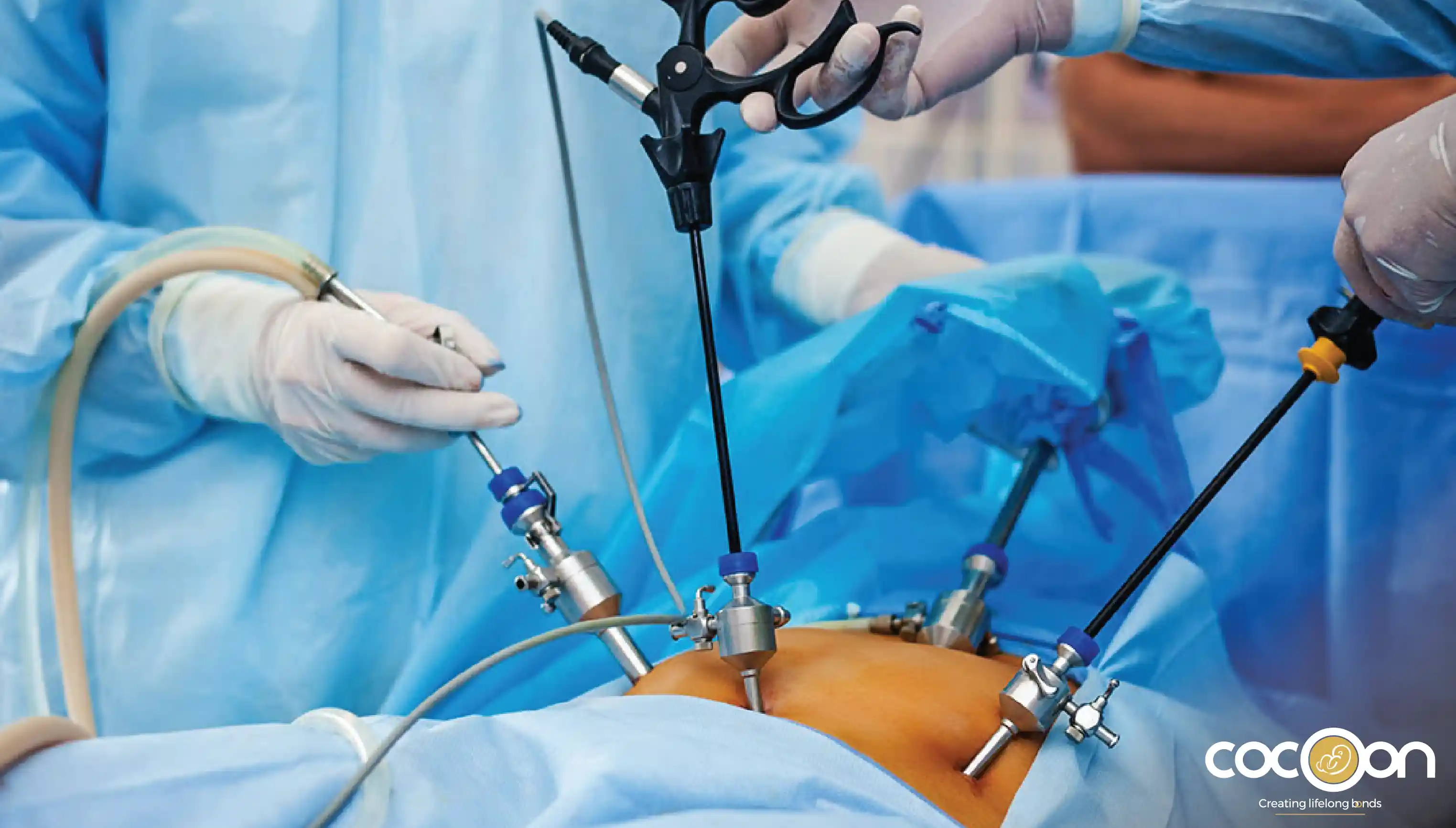
- Closer antenatal monitoring, such as frequent appointments, blood pressure checks, laboratory tests, ultrasounds, or foetal monitoring.
- Managing existing conditions such as diabetes, thyroid disease, high BP, asthma, or other medical problems may require careful adjustment of treatment during pregnancy.
- Lifestyle and nutrition support such as physical activity, adequate rest, avoidance of tobacco and alcohol, and maintaining a healthy pregnancy weight gain.
- Some women may need care from a maternal-foetal medicine specialist or another medical specialist alongside their obstetrician.
- If a pregnancy complication creates a significant risk to the mother or baby, the healthcare team may recommend delivery before the expected due date.
FAQs
Can a high-risk pregnancy have a normal delivery?
Yes.
Many people experience healthy pregnancies and normal labour and delivery provided the mother and baby are closely monitored, and the specific condition allows for it safely.
How can you reduce the risk of pregnancy complications?
Not every pregnancy complication can be prevented, but following good prenatal care can reduce the risk of pregnancy complications:
- Schedule prenatal care early.
- Attend all recommended antenatal appointments.
- Maintain a healthy body weight before pregnancy.
- Take prescribed prenatal supplements and medicines correctly.
- Keep conditions such as diabetes and hypertension under medical control.
- Avoid beverages containing alcohol and any nonprescription drugs or medications.
- Avoid smoking, alcohol, tobacco and illicit drugs.
- Manage any preexisting health conditions you may have.
- Follow your doctor's nutrition and activity recommendations.
- Know your warning signs.
Do high-risk pregnancies deliver early?
Yes.
If there are signs that the pregnancy is in danger, your doctor may recommend labour induction or a caesarean delivery earlier than planned.
Conclusion
A high-risk pregnancy has a greater possibility of complications, but it does not mean that complications will definitely show up. Early prenatal care and timely monitoring can help healthcare professionals identify and manage problems, and you can achieve a healthy pregnancy.
When Should You See the Best Obstetrician in Chandigarh?
Ideally, pregnancy care should begin as early as possible, particularly if you already have a medical condition or a history of pregnancy complications.
Contact your doctor if you notice any of the following warning symptoms during pregnancy:
- Bleeding
- Severe pain
- Severe headache with vision changes
- Breathing difficulty
- Fluid leakage or reduced foetal movement
Disclaimer: This blog is for informational use. Contact a healthcare provider for accurate information about high-risk pregnancy.