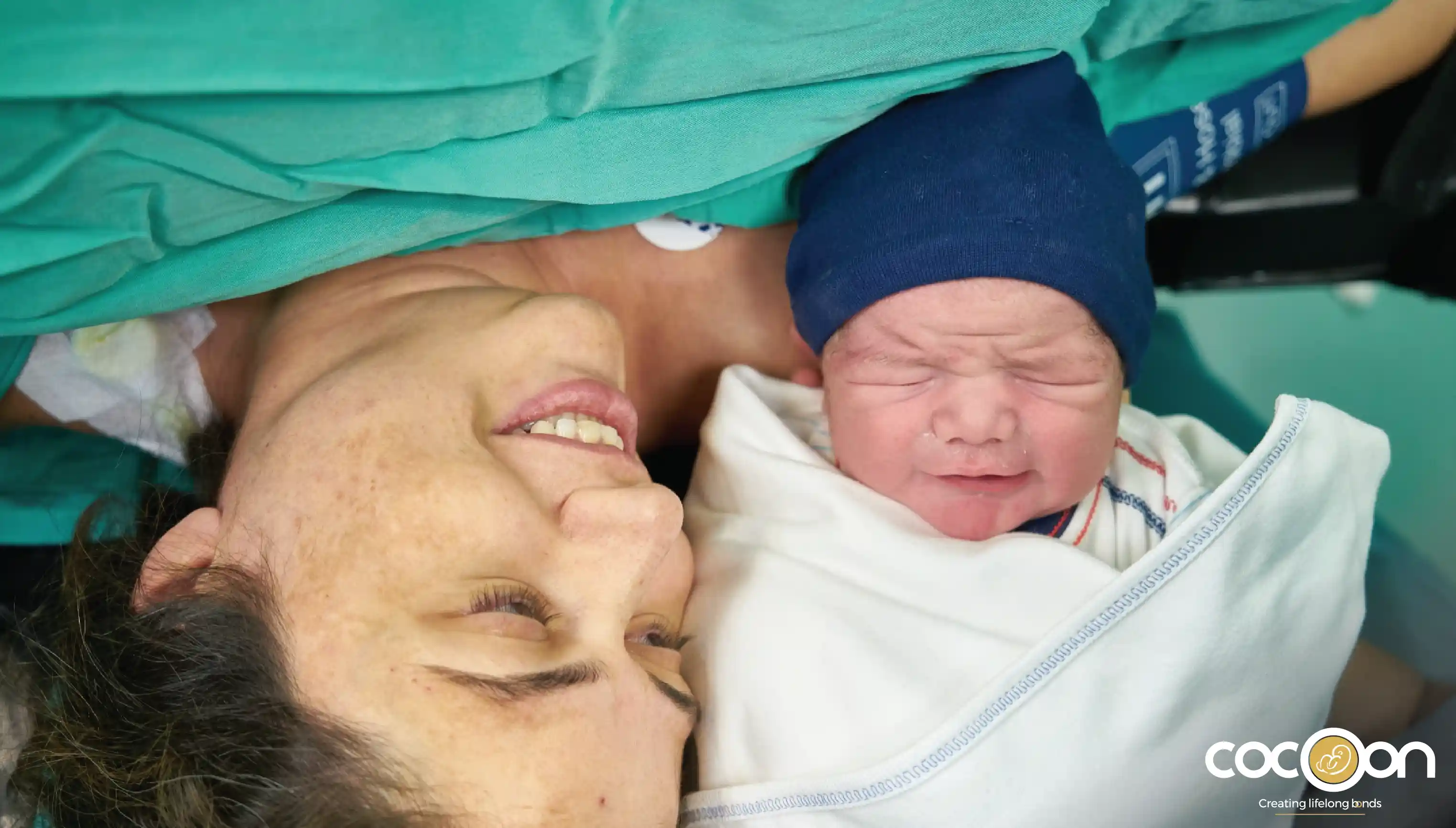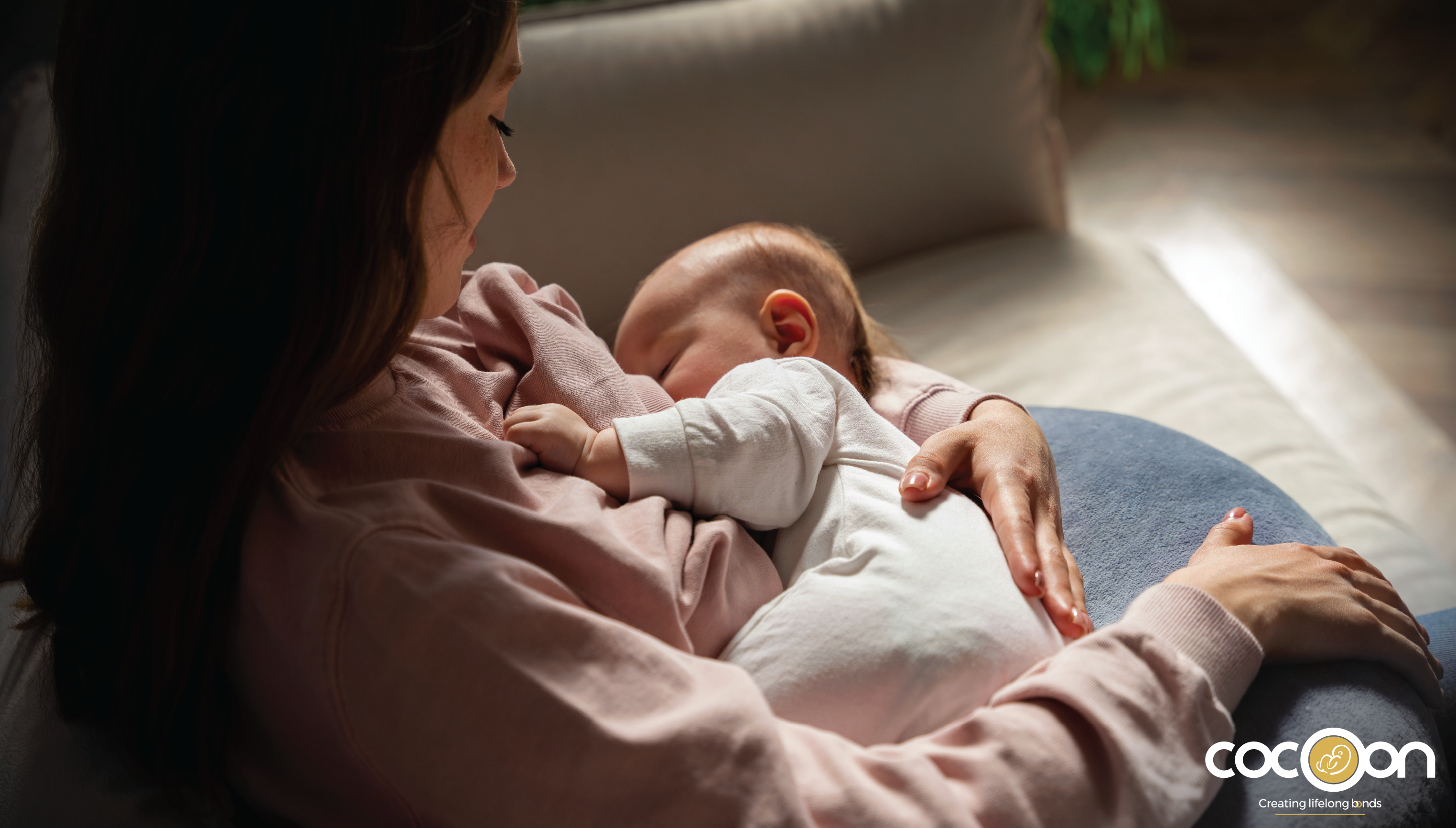
Bringing a baby into the world is often believed to be the finish line of pregnancy. However, in reality it's the starting point of another journey known as postpartum recovery.
Your body does not simply "bounce back" after delivery. Instead, it enters a healing phase where:
- hormones shift,
- tissues repair,
- emotions fluctuate,
- and your daily routine changes entirely.
Recovery after delivery (vaginal birth or a C-section) generally lasts 6 to 8 weeks. But, complete physical and emotional healing may continue for several months.
That’s why you need to focus on following things faster recovery:
- Hydration
- Eating protein-rich foods
- Including fruits and vegetables
- Walking gently or practice pelvic floor exercises (if recommended)
- Sleeping whenever possible
- Accepting mental and emotional help
- Attending postpartum visits
Read this blog to understand:
- What to expect week by week
- How to care for your body and mind
- When to consult your doctor for postpartum care
- What are the practical tips that make the recovery process smoother
Quick Overview: Postpartum Recovery
Here is a quick glance of recovery stages after delivery:
| Recovery Stage | What Happens | What You Can Do |
| First 24 Hours | Heavy bleeding, uterine contractions, breast engorgement, perineal soreness, swelling from extra fluids, fatigue | Rest, hydrate, begin bonding with baby |
| Week 1 | Perineal pain or incision healing, breast engorgement, fatigue | Manage pain, monitor bleeding, sleep whenever possible |
| Weeks 2–6 | Bleeding reduces, mobility improves, emotions stabilize | Gentle walking, nutritious diet, postpartum checkups |
| 6 Weeks–6 Months | Muscles regain strength, hormones stabilize | Resume exercise gradually, pelvic floor training |
| 6 Months–1 Year | Most physical recovery completes | Continue healthy habits and mental health care |
What Is Postpartum Recovery?
Postpartum recovery refers to the period after childbirth.
During this period your body slowly returns to its pre-pregnancy state simultaneously adapts to caring for a newborn.
This phase includes:
- Physical healing
- Hormonal adjustments
- Emotional recovery
- Breastfeeding adaptation
- Sleep deprivation
- Lifestyle changes
Healthcare professionals traditionally define the postpartum period as the first 6–8 weeks. However, many experts now say that complete recovery may take 6 to 12 months, particularly after complicated births or cesarean delivery.
Are Postpartum and Postnatal Care the Same?
Both the terms are often used interchangeably. But, here is a slight technical difference:
Postpartum care refers to care provided to the mother after the birth of a baby. Postnatal care refers to the care of the baby after birth.
What Are the 3 Stages of Postpartum?
Experts classify postpartum into three phases:
Acute Phase
This is the first six to 12 hours after childbirth.
Subacute Phase
This phase starts around 24 hours after birth and lasts for about 2 to 6 weeks.
Delayed Phase
This phase lasts from about six weeks postpartum until six months postpartum.
Why Does Postpartum Recovery Take So Long?
Because your:
- body undergoes massive physical, hormonal, and emotional changes
- muscles are exhausted
- body has worked harder than ever before,
and now it requires time to recover before regaining strength.
During postpartum healing:
- Uterus shrinks back to its usual size.
- Hormone levels rapidly change.
- Vaginal or surgical wounds heal.
- Blood volume normalizes.
- Pelvic floor muscles recover.
- Breast milk production starts.
- Sleep patterns alter dramatically.
Common Physical Symptoms That You Can Expect During Postpartum Recovery
Here are the common physical symptoms that every mother experiences after childbirth.
| Symptom | Is It Normal? | Typical Duration |
| Vaginal bleeding (Lochia) | Yes | Up to 6 weeks |
| Uterine cramps | Yes | Several days |
| Perineal soreness | Yes | 2–6 weeks |
| C-section incision pain | Yes | Several weeks |
| Breast engorgement | Yes | Few days to weeks |
| Night sweats | Yes | 1–2 weeks |
| Hair loss | Yes | 3–6 months |
| Fatigue | Yes | Several months |
When Should I Stop Bleeding Postpartum?
Lochia is the vaginal discharge you have after giving birth. It is part of the uterus healing after birth. It contains a mix of blood, mucus and uterine tissue.
It can vary, but lochia typically lasts up to six weeks.
It usually follows this pattern:
- Days 1–4: Bright red
- Days 5–10: Dark red or brown
- Weeks 2–4: Pink or light brown
- Weeks 4–6: Yellowish-white before stopping
Contact your doctor immediately if you:
- Soak one sanitary pad every hour for 2 consecutive hours
- Pass clots larger than an egg
- Develop fever
- Notice foul-smelling discharge and severe pelvic pain
What Is the Fastest Way to Recover After Giving Birth?
There is no fastest way you need to focus on comprehensive postpartum care for a healthy recovery:
1. Stay Hydrated
To support healing and milk production.
2. Eat Protein-Rich Foods
To support tissue repair.
3. Include Fruits and Vegetables
Provides vitamins and fiber to prevent constipation and keep digestion soft.
4. Walk Gently (Avoid Heavy Lifting or High-Impact Workouts)
Improves circulation to prevent blood clots.
5. Sleep Whenever Possible
To activate healing mechanisms and promote recovery.
6. Accept Help
Lowers physical and emotional stress.
7. Attend Postpartum Visits
To identify complications early and receive appropriate treatment.
8. Practice Pelvic Floor Exercises
To rebuild muscle tone and improve bladder control.
9. Iron & Calcium Supplements Along With Diet
To reverse postpartum depletion, rebuild physical tissue, and stabilize maternal mood after childbirth
Should I Exercise During Postpartum Recovery?
Yes, after doctor’s approval.
Here is the general timeline:
- Week 1–2: Walking around the house
- Week 3–6: Short outdoor walks
- After medical clearance: Light stretching and strengthening
- After 6 weeks (or longer after C-section): Gradual return to regular workouts
FAQs
What should you eat during postpartum recovery?
Aim to include:
- Lean proteins
- Eggs
- Fish (low-mercury varieties)
- Whole grains
- Fresh fruits
- Leafy vegetables
- Healthy fats
- Plenty of water
A balanced diet encourages tissue repair, hormone regulation, and breastfeeding.
Why I am so emotional after childbirth?
Because:
- Estrogen drops dramatically.
- Progesterone decreases.
- Oxytocin rises during breastfeeding.
- Sleep becomes fragmented.
These changes can trigger emotional ups and downs.
Many mothers may experience baby blues which generally improves within two weeks. The symptoms includes:
- Crying spells
- Mood swings
- Anxiety
- Feeling overwhelmed
- Irritability
When can I have intimacy again?
Doctor’s recommend waiting until after your postpartum checkup.
What is postpartum depression?
It is a severe, long-lasting form of depression occurring after childbirth and continues beyond two weeks. Postpartum depression or postnatal depression is different from the baby blues.
Common warning signs include:
- Persistent sadness
- Loss of interest in activities
- Difficulty bonding with your baby
- Changes in appetite
- Feelings of hopelessness
- Extreme anxiety
- Thoughts of self-harm or harming the baby
For more info visit Gynaecologist.
Conclusion
The postpartum period is a time of adjustment and transition. Most people do not talk very much about the postpartum period, which may leave you feeling lonely or unprepared. It’s important to keep in mind that you’re not alone. With the right support you can achieve a healthy recovery after a childbirth.
Postpartum Recovery Milestones
| Timeline | Recovery Milestones |
| Day 1 | Bleeding, cramps, soreness |
| Week 1 | Breast milk comes in, fatigue peaks |
| Week 2 | Mobility improves |
| Week 6 | Medical postpartum checkup |
| 3 Months | Hormones begin stabilizing |
| 6 Months | Pelvic strength improves |
| 1 Year | Most recovery complete |
When Should You Call Your Doctor?
Consult your doctor if you experience following symptoms during your recovery phase:
- Heavy vaginal bleeding
- Fever above 38°C (100.4°F) or as advised by your clinician
- Pain in chest
- Trouble breathing
- Severe headache followed by vision changes
- Foul-smelling discharge
- Leg swelling accompanied by pain
- Incision redness with pus
- Loss of consciousness
- Thoughts of harming yourself or your baby
Disclaimer: This blog is for educational purposes only. Consult your doctor for accurate information about postpartum recovery (or recovery after delivery).