
Breastfeeding can make you question whatever you eat and drink.
You might always be wondering: What should I eat to increase breast milk? Do I need extra calories? And should I avoid coffee, spicy food, or certain fish?
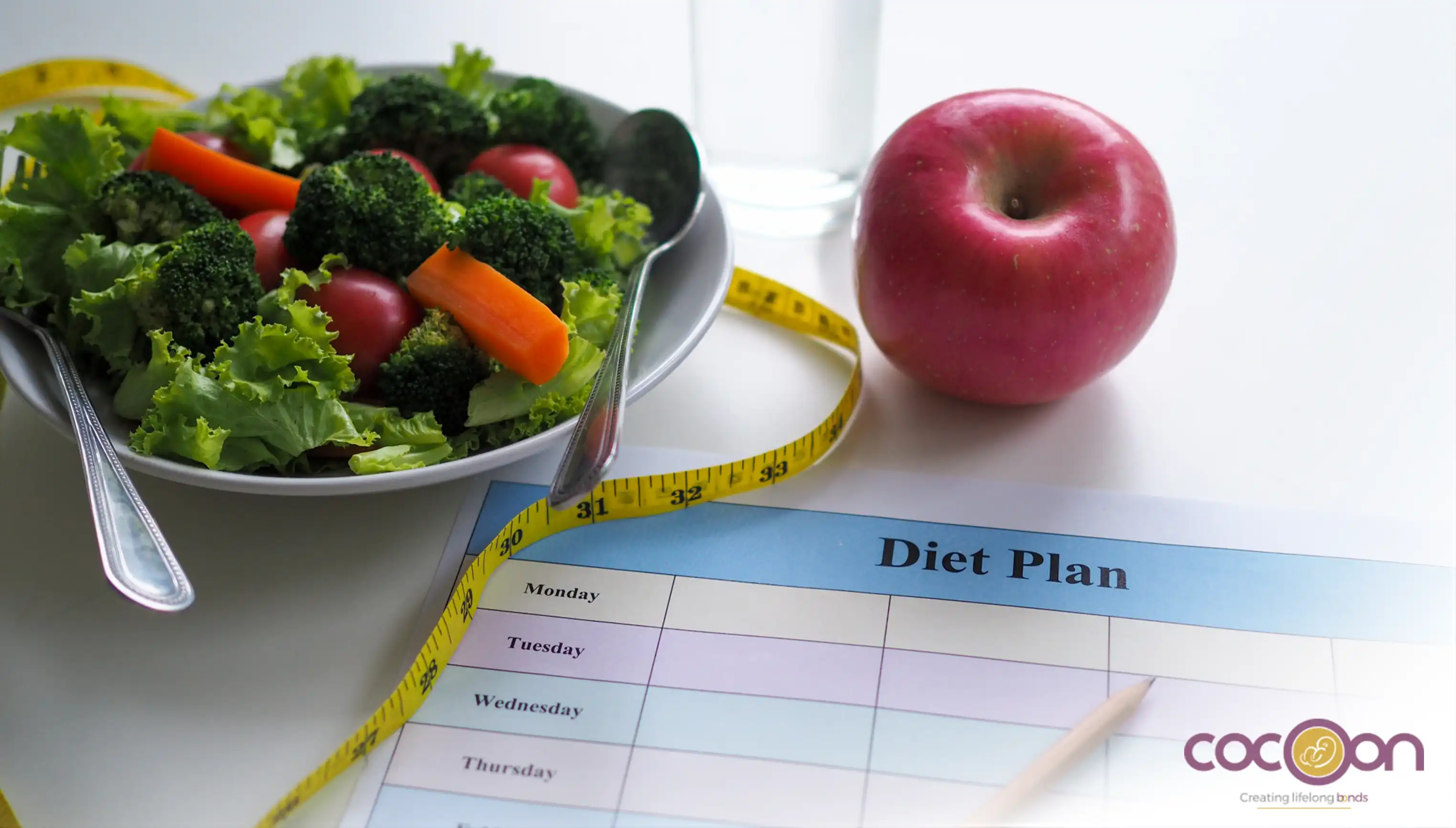
The simple answer is: nursing mothers' diets need not be complicated or restrictive. A balanced breastfeeding diet should contain components such as protein, whole grains, fruits, vegetables, healthy fats, and enough fluids. This simple diet strategy can help support your energy and overall health when feeding your newborn.
You might need to eat a little more (typically around 340 to 400 extra calories a day) to give you the energy and nutrition to produce milk. However, individual needs vary.
So, instead of putting your energy into searching for one magical lactation food, think of your lactation diet as a pattern that includes:
- Eat regularly
- Choose nutrient-dense foods
- Drink according to thirst
- Avoid or limit substances (i.e., alcohol, nicotine, and marijuana)
Read Also: PMOS Diet Chart: Foods to Eat & Avoid for Weight Loss and Hormonal Balance
Overview: Healthy Breastfeeding Diet
Read the below table to have an quick idea of a simple yet effective breastfeeding diet.
| Food group | Good choices for nursing mothers | Why it matters |
| Protein | Eggs, soya, chicken, fish, beans, lentils, yogurt, tofu | Supports tissue repair and overall nutrition |
| Whole grains | Oats, brown rice, whole-wheat bread, quinoa | Provides energy and fiber |
| Fruits | Bananas, apples, oranges, berries | Vitamins, minerals and fiber |
| Vegetables | Spinach, carrots, broccoli, peas, leafy greens | Provides essential micronutrients |
| Healthy fats | Nuts, seeds, avocado, olive oil | Supports overall health and provides energy |
| Dairy or alternatives | Milk, yogurt, cheese, fortified soy milk | Calcium and other nutrients |
Do not rely solely on a single "milk-boosting" food; aim for variety.
To get the extra calories, choose nutrient-rich foods. For example, a slice of whole-grain bread with a tablespoon (about 16 grams) of peanut butter, a medium banana or apple, and 227 grams of yogurt.
Do’s for Lactation Health
Here are things that you need to focus on during breastfeeding.
Eat in sufficient quantity
Consume nutritious meals and snacks throughout the day, as breastfeeding may increase your energy requirement.
Choose a balanced breastfeeding diet
Focusing on the best or perfect diet should not be the aim. Instead, include protein, whole grains, fruits, vegetables, healthy fats, and calcium-rich foods.
Protein-rich food options are:
- Eggs
- Lean meat
- Low-mercury fish
- Beans
- Lentils
- Tofu
- Greek yogurt
- Nuts and seeds
Stay very well hydrated
Water is a good source. Milk, if you consume it, has all the calories, protein, and calcium that your body requires for breastfeeding if you drink 3 glasses a day.
Choose low-mercury seafood
Fish is a good source of protein and omega-3 fatty acids.
Eat a variety of foods
A varied lactation diet offers a wide range of nutrients. It exposes your baby to different flavors through breast milk.
Pay attention to key nutrients
If you are a vegetarian and vegan mother, especially focus on nutrients such as vitamin B12, iron, calcium, vitamin D, iodine, and omega-3 fatty acids.
Discuss supplements with your doctor
A prenatal or multivitamin can be useful based on individual nutritional needs.
Respond to your baby's feeding cues
Frequent and effective milk removal is more essential for maintaining milk production than relying on a single food.
Ask for help when needed
Contact your doctor if you are experiencing the following common issues:
- Breast engorgement
- Oversupply of milk or hyperlactation
- Low supply of milk
- Clogged milk ducts
- Breast inflammation or mastitis
- Nipple blebs
- Sore, cracked, or painful nipples
- Pain or bleeding from your baby’s biting
- Latching difficulties
- Challenges because of your nipple anatomy (flat or inverted nipples)
- Difficulty with expressing milk by hand or with a breast pump
- Trouble weaning
Don’ts for Lactation Health
Here are the things that you need to avoid, as they can interfere with milk supply:
- Don’t follow unnecessary restrictive diets.
- Don’t rely on “miracle” foods (such as oats or certain herbs) to increase breast milk.
- Don’t skip meals regularly.
- Don’t force excessive amounts of water.
- Don’t overdo caffeine.
- Don’t consume high-mercury fish such as shark, swordfish, and king mackerel.
- Don’t smoke or vape.
- Don’t use marijuana while breastfeeding.
- Don’t assume natural supplements are automatically safe.
- Don’t take medicines or supplements without consulting your doctor.
- Don’t eliminate major food groups like dairy or grains without guidance.
- Don’t blame yourself if you are facing breastfeeding challenges.
A simple day might look like this:
| Meal | Example |
| Breakfast | Oatmeal with banana, nuts and yogurt |
| Snack | Apple with peanut butter |
| Lunch | Dal or beans, brown rice, vegetables and yogurt |
| Snack | Fruit and a handful of nuts |
| Dinner | Low-mercury fish or tofu, whole grains and cooked vegetables |
| Drinks | Water throughout the day according to thirst |
FAQs
Can I use birth control while I’m breastfeeding?
Yes.
Safe options are:
- Barrier methods (like a condom or vaginal diaphragm)
- IUDs (these can often be implanted right after you deliver your baby)
- Progestin-only hormonal methods (like the “mini-pill”)
Always consult your healthcare provider about the best type for you.
Are my breasts too small to breastfeed?
No.
The size of your breasts doesn’t affect your ability to breastfeed, because the amount of milk your breasts make depends on your overall health status and how much your baby eats.
What are the benefits of breastfeeding?
Breastfeeding supports your baby's growth and development. It also reduces your risk of certain medical conditions.
Conclusion
The best breastfeeding diet is not about a strict menu or a group of miracle foods. Instead, you need to focus on a flexible eating pattern that gives you sufficient energy, protein, fluids, vitamins, minerals, and healthy fats and also allows you to enjoy your food.
Remember your Dos & Don’ts:
Dos
- eat enough to support your energy needs.
- choose a wide variety of nutrient-rich foods.
- include protein, whole grains, fruits and vegetables regularly.
- drink according to thirst and keep water nearby.
- choose low-mercury seafood.
- take help from your doctor.
Don’ts
- follow unnecessary elimination diets.
- rely on supplements marketed as guaranteed milk boosters.
- overdo caffeine.
- smoke, vape or use marijuana while breastfeeding.
- assume medication or herbal products are automatically safe.
Disclaimer: This blog is for educational purposes only. For accurate information about do’s and don’ts for lactation health, consult your doctor.